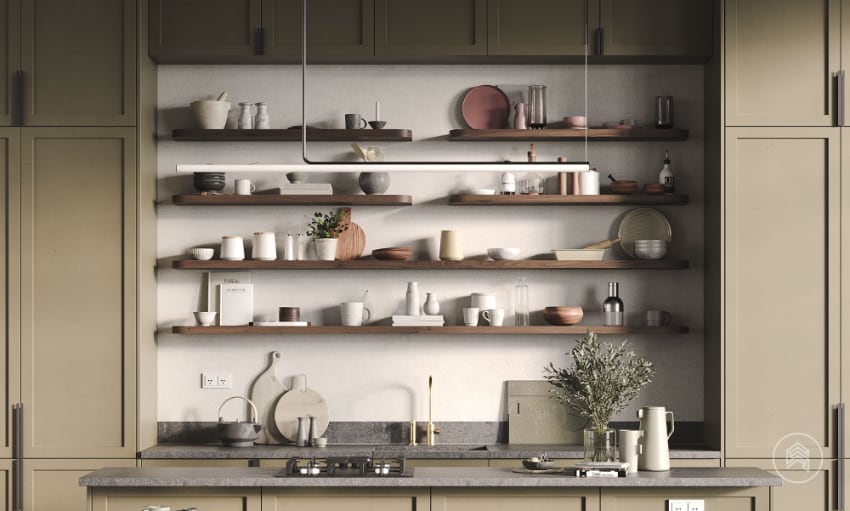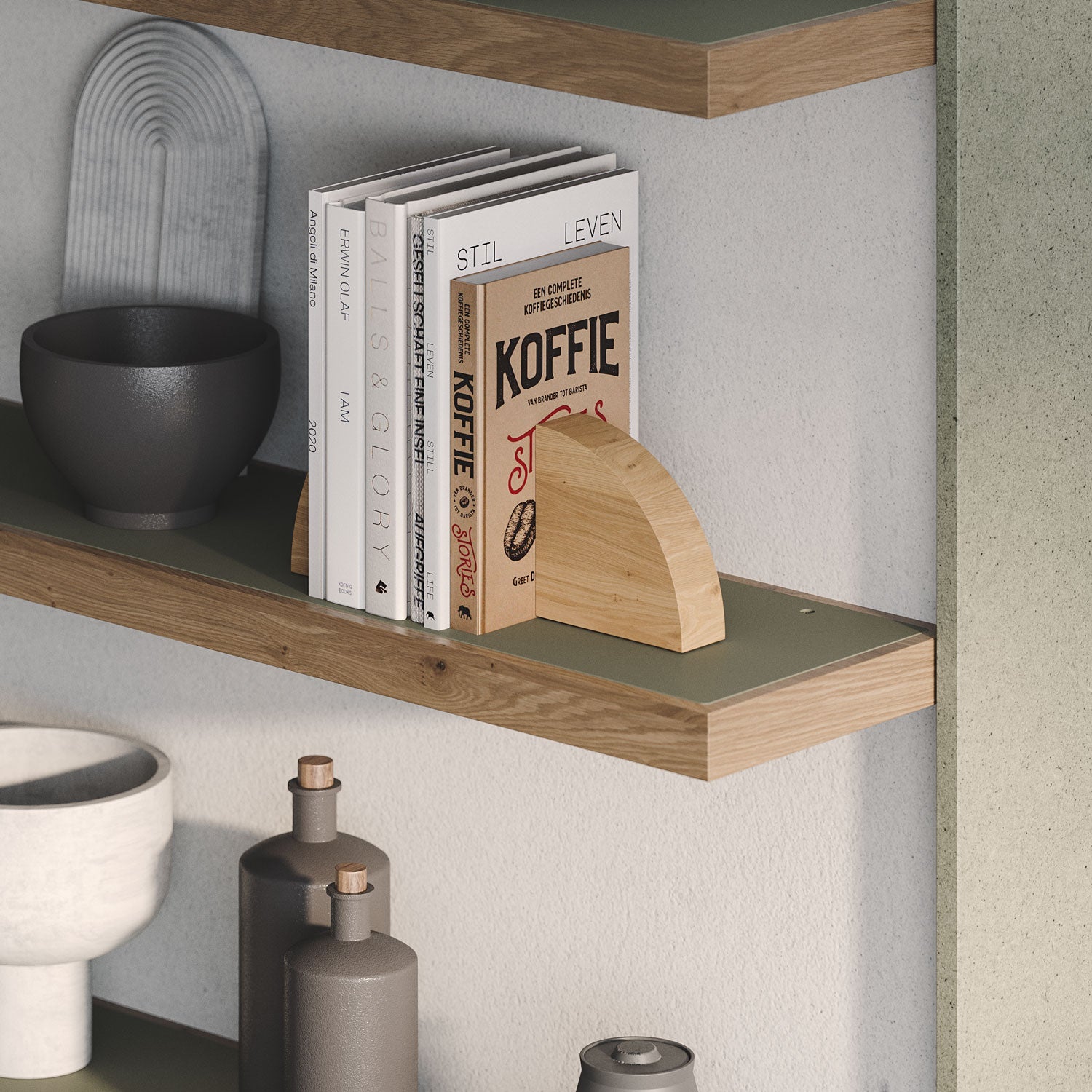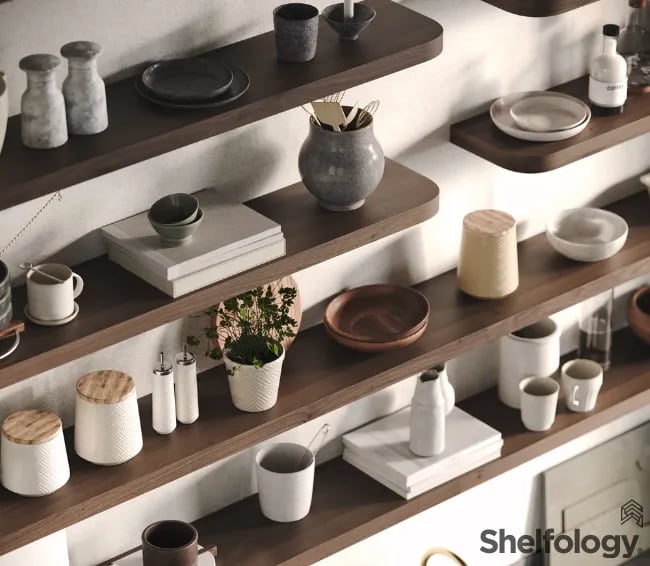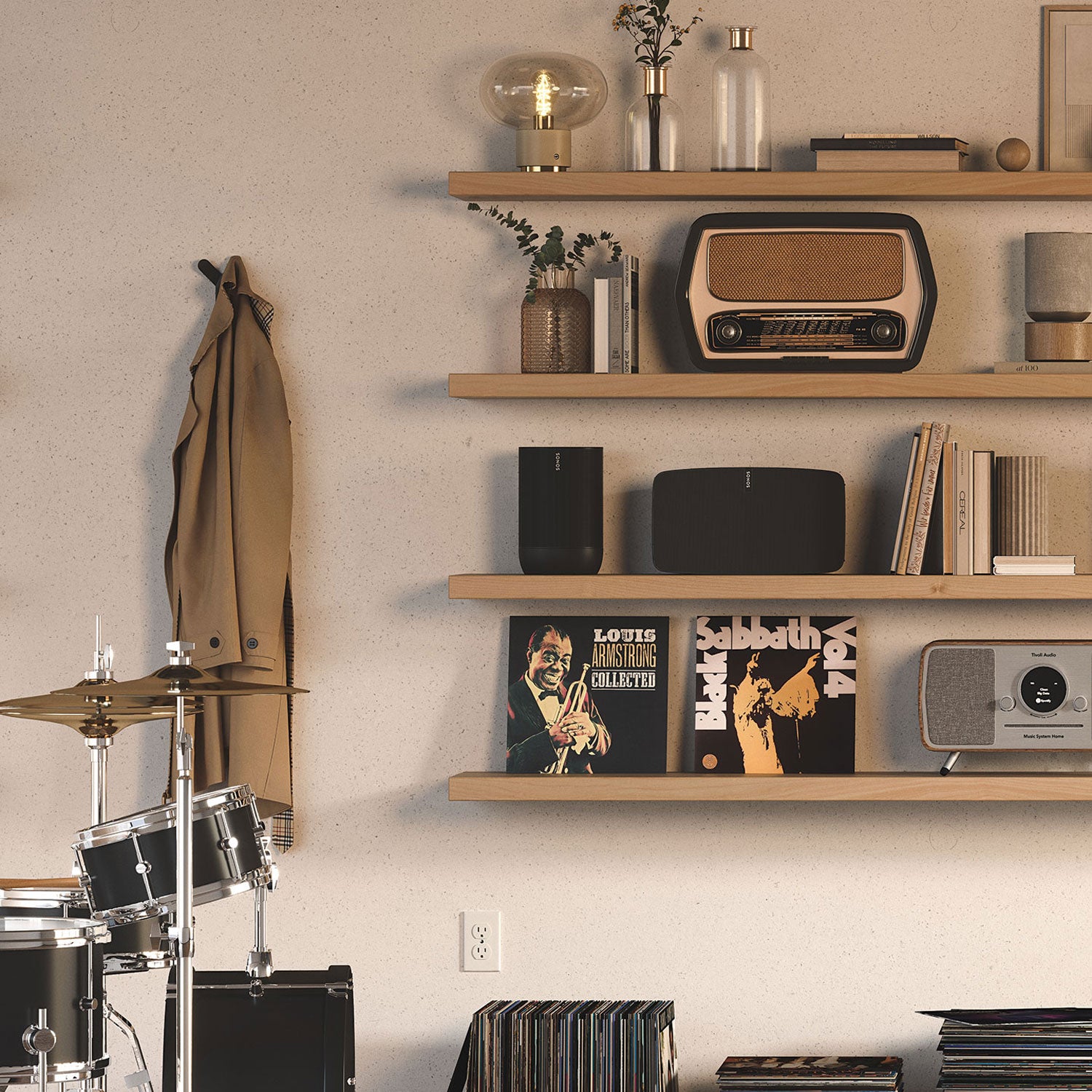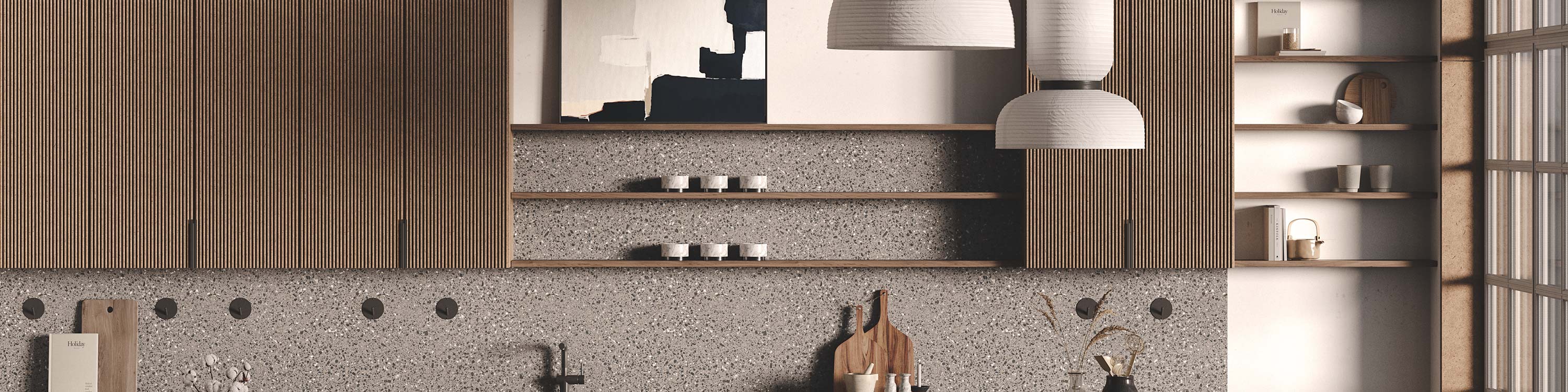
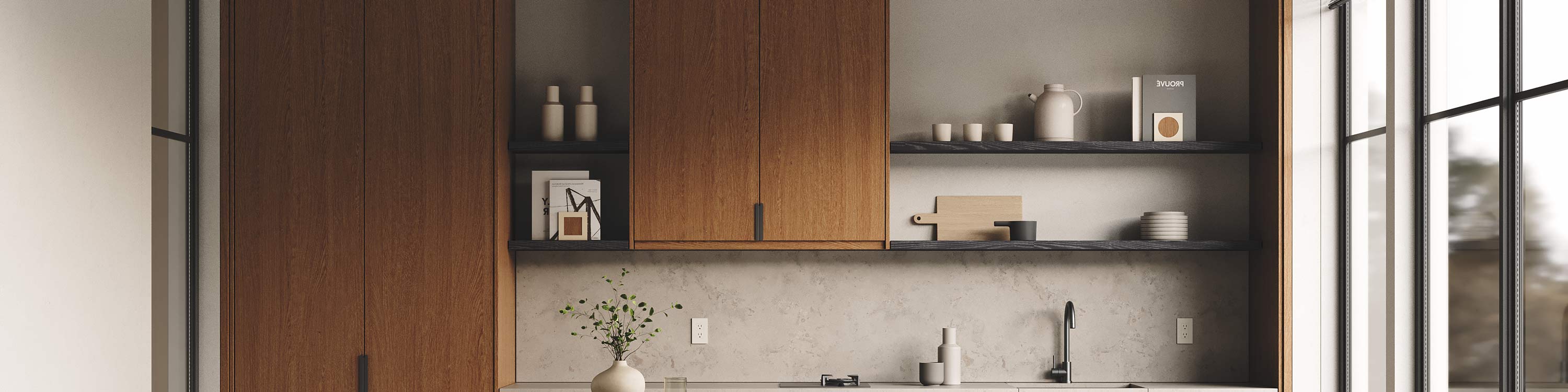
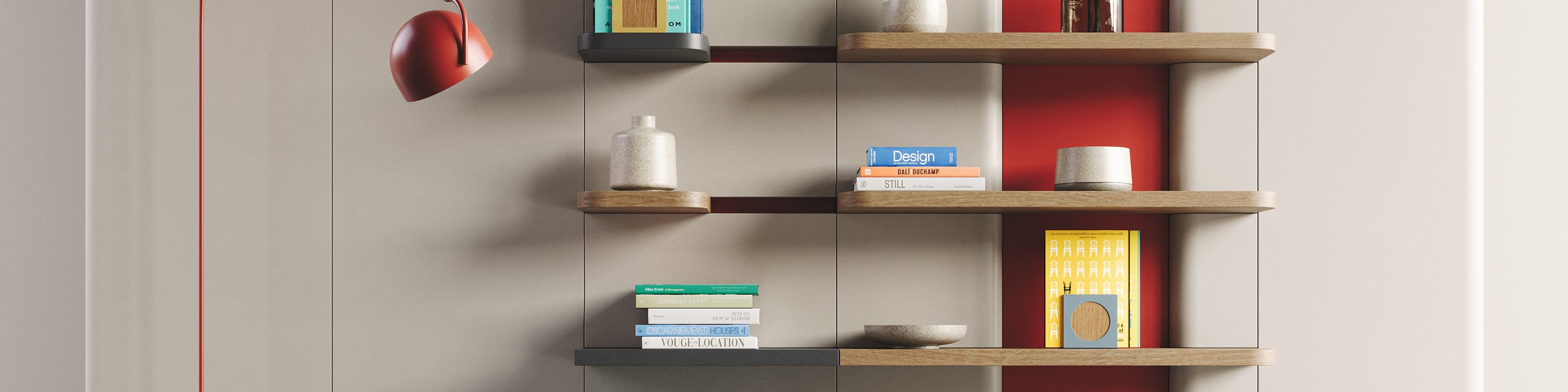
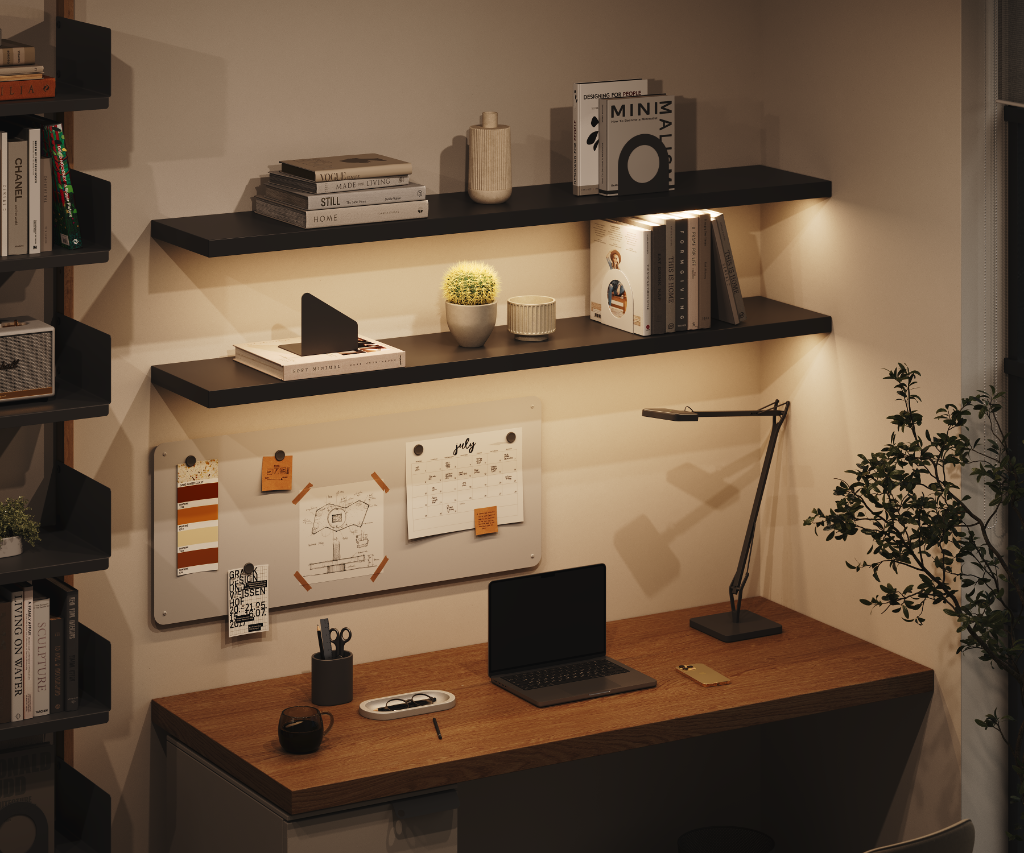
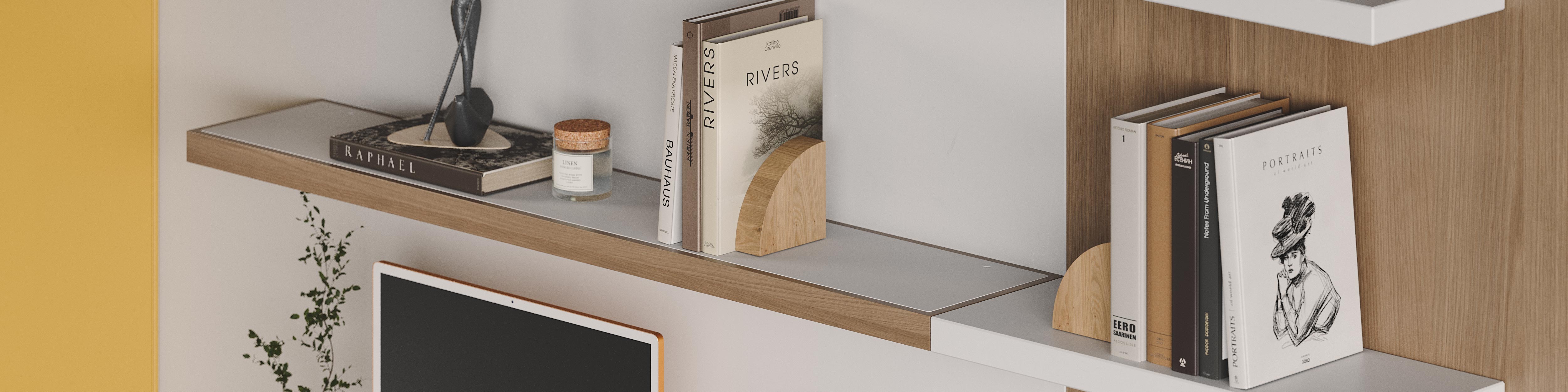
Made to measure in exact dimensions and finishes, these wood floating shelves offer clean lines, premium hardwoods, and reliable, wall-mounted strength. Built to spec—no fluff, no guesswork.
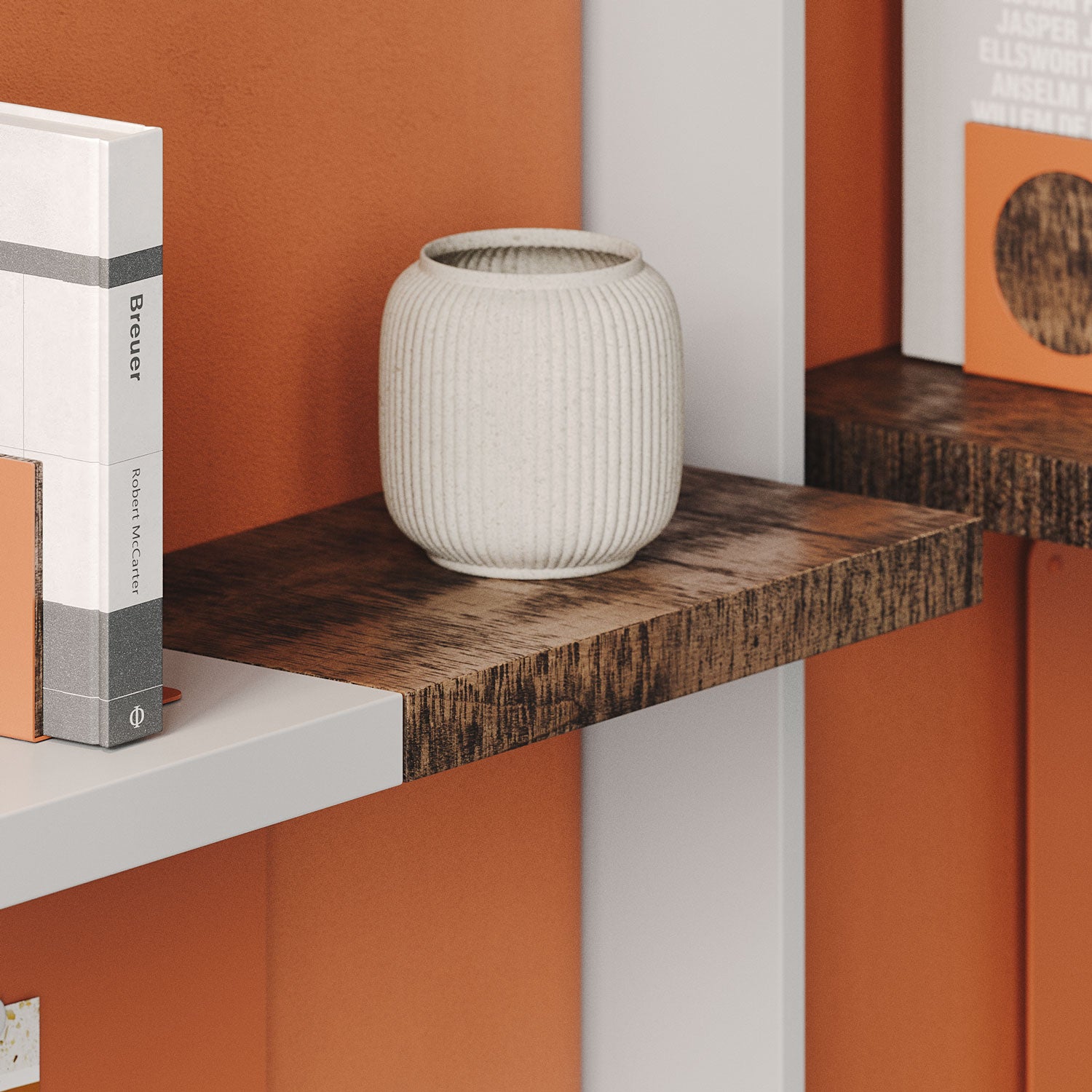
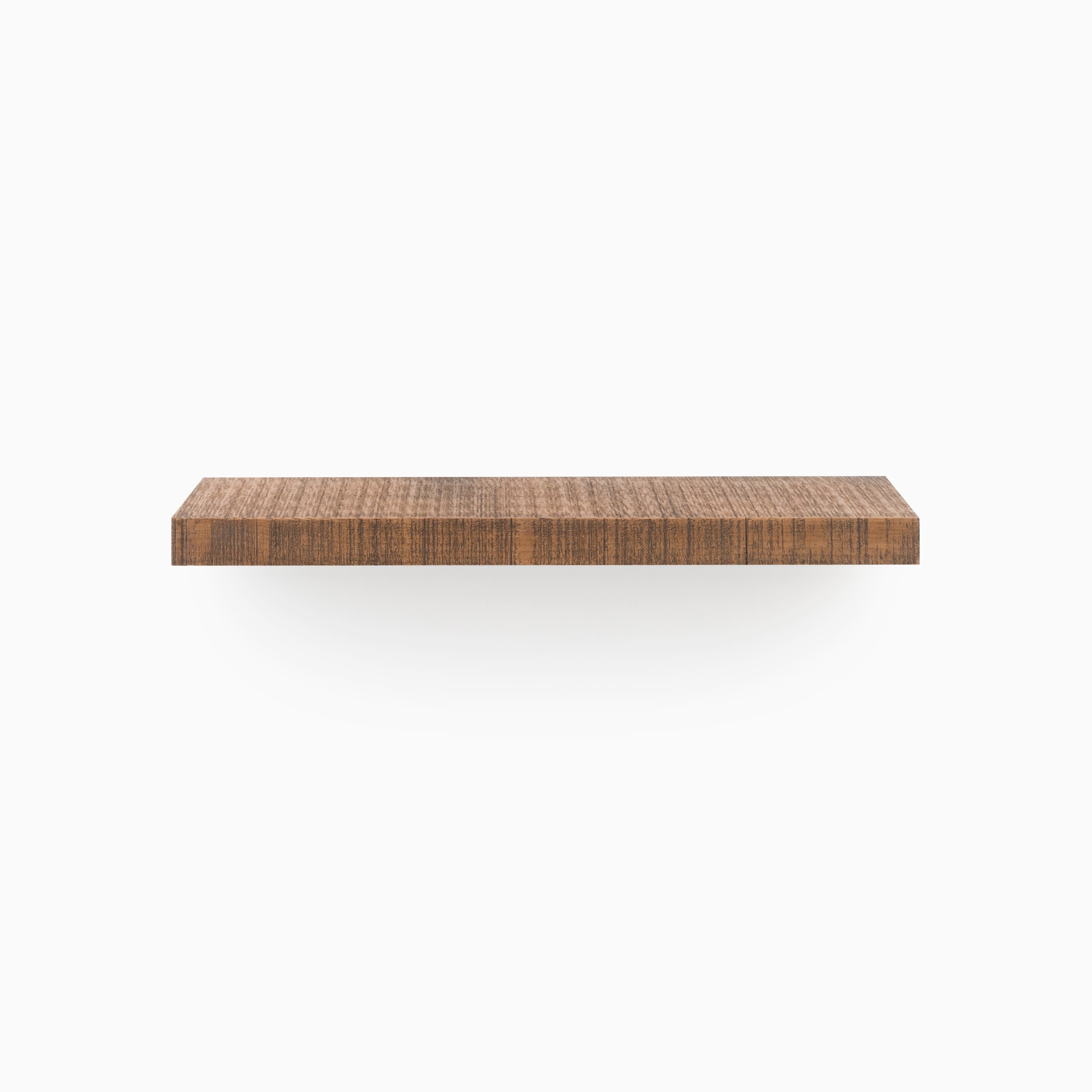
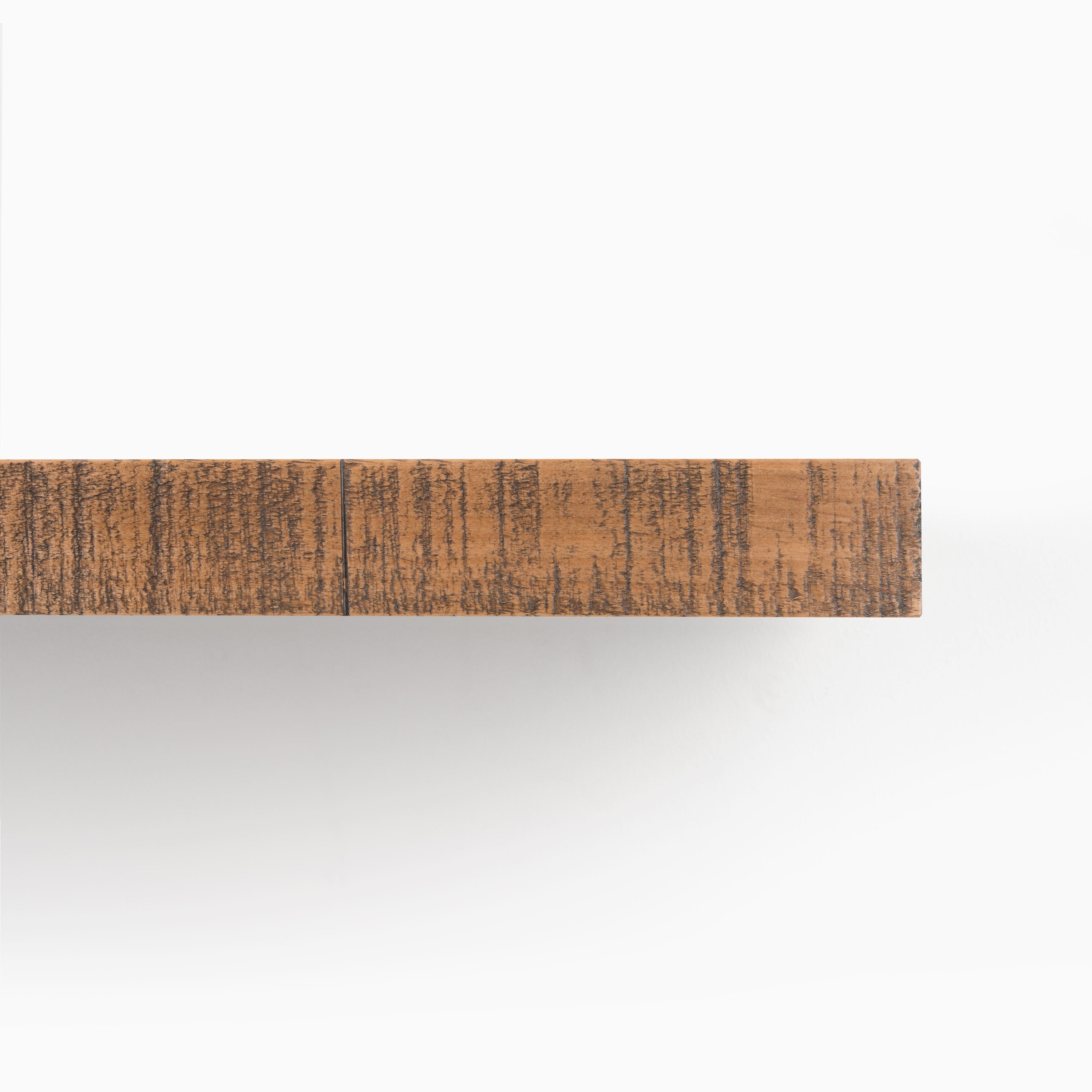
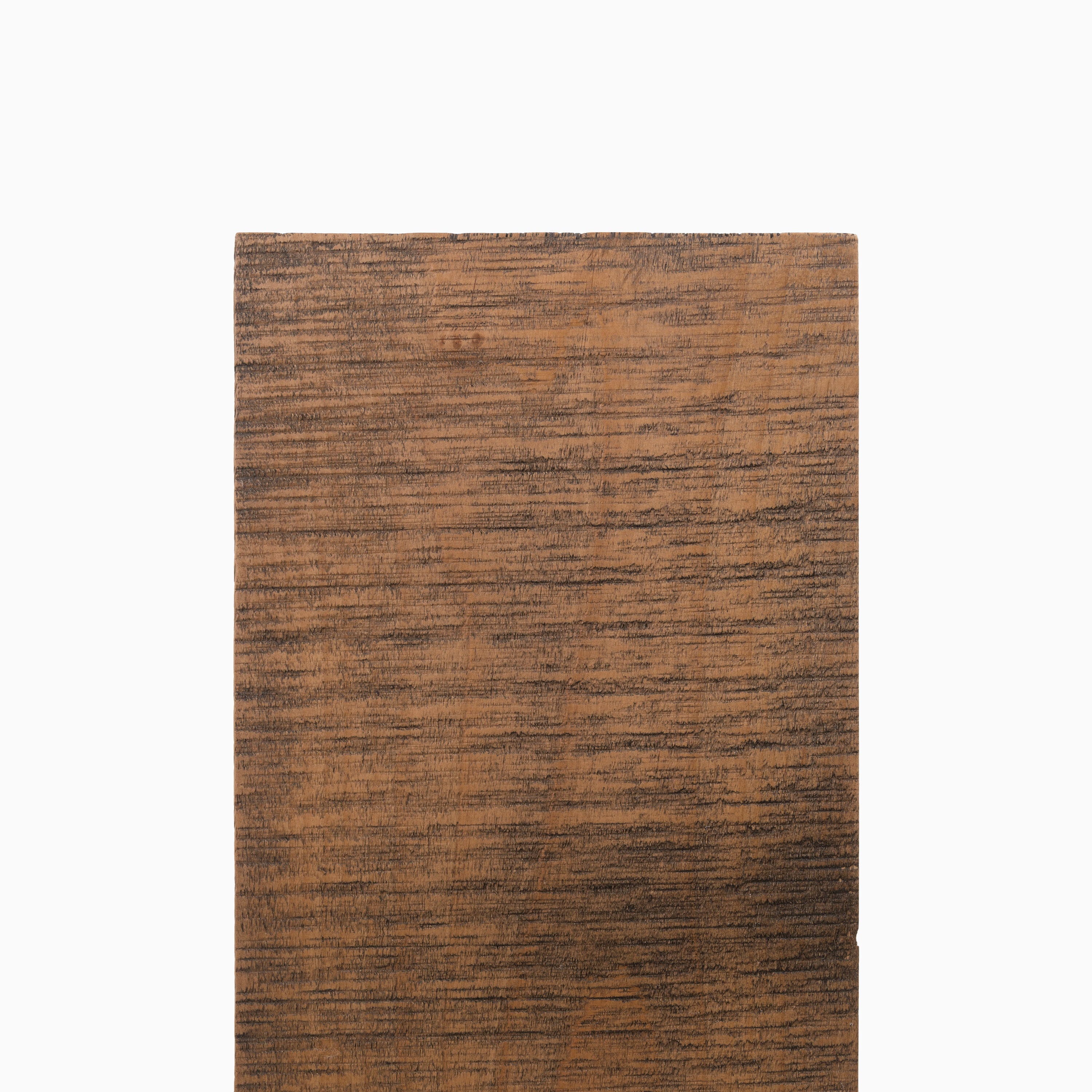
Aksel Nutmeg Rustic Floating Shelf
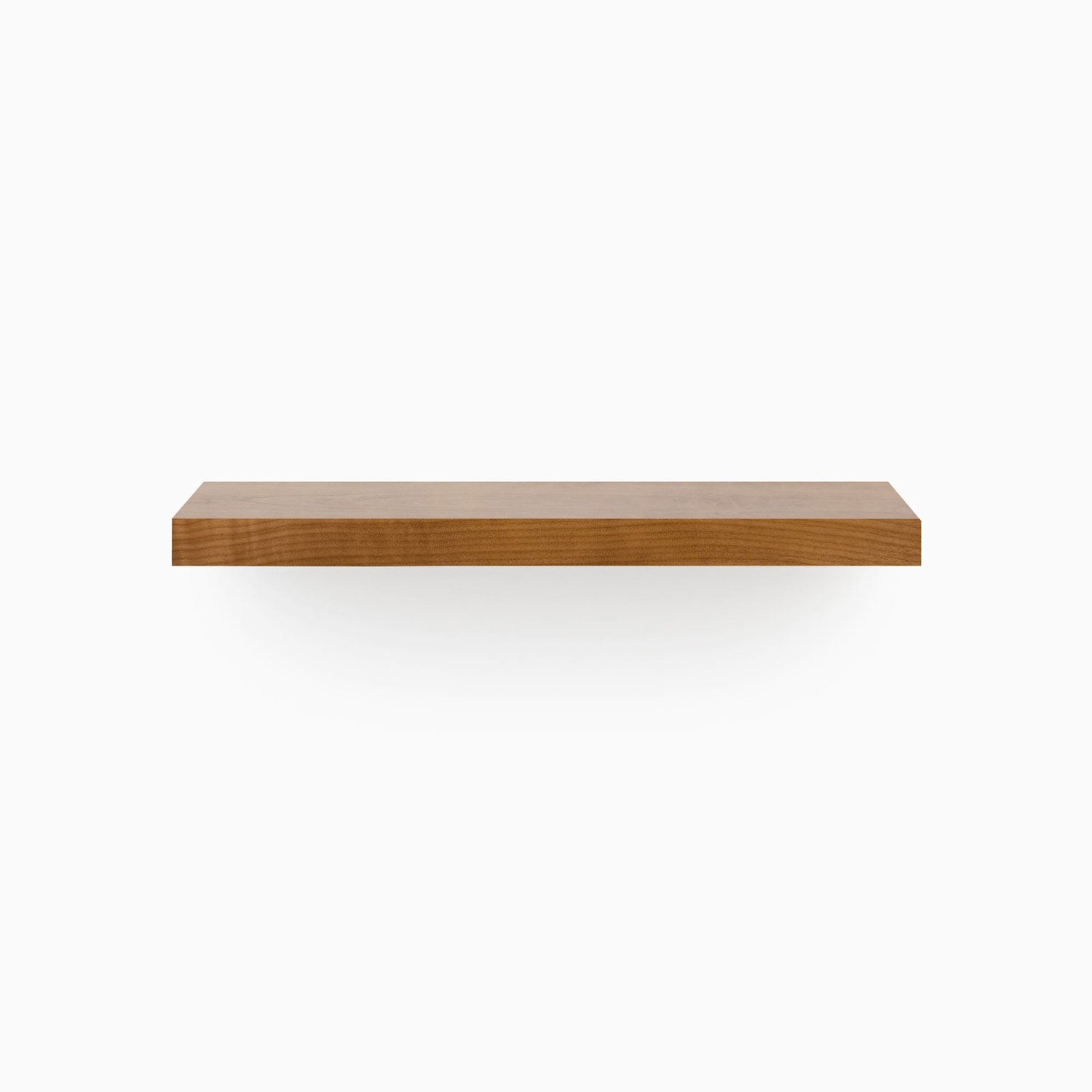
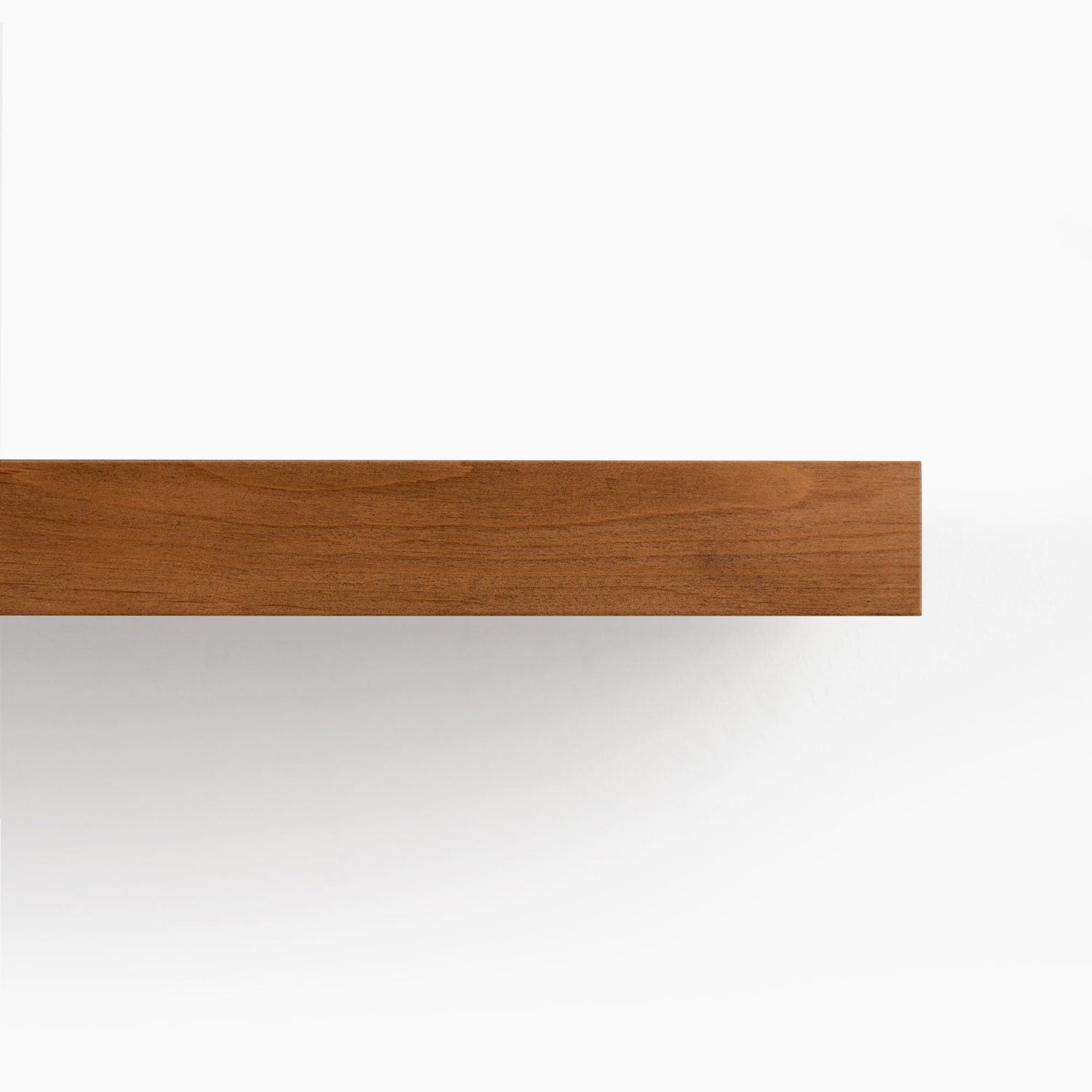
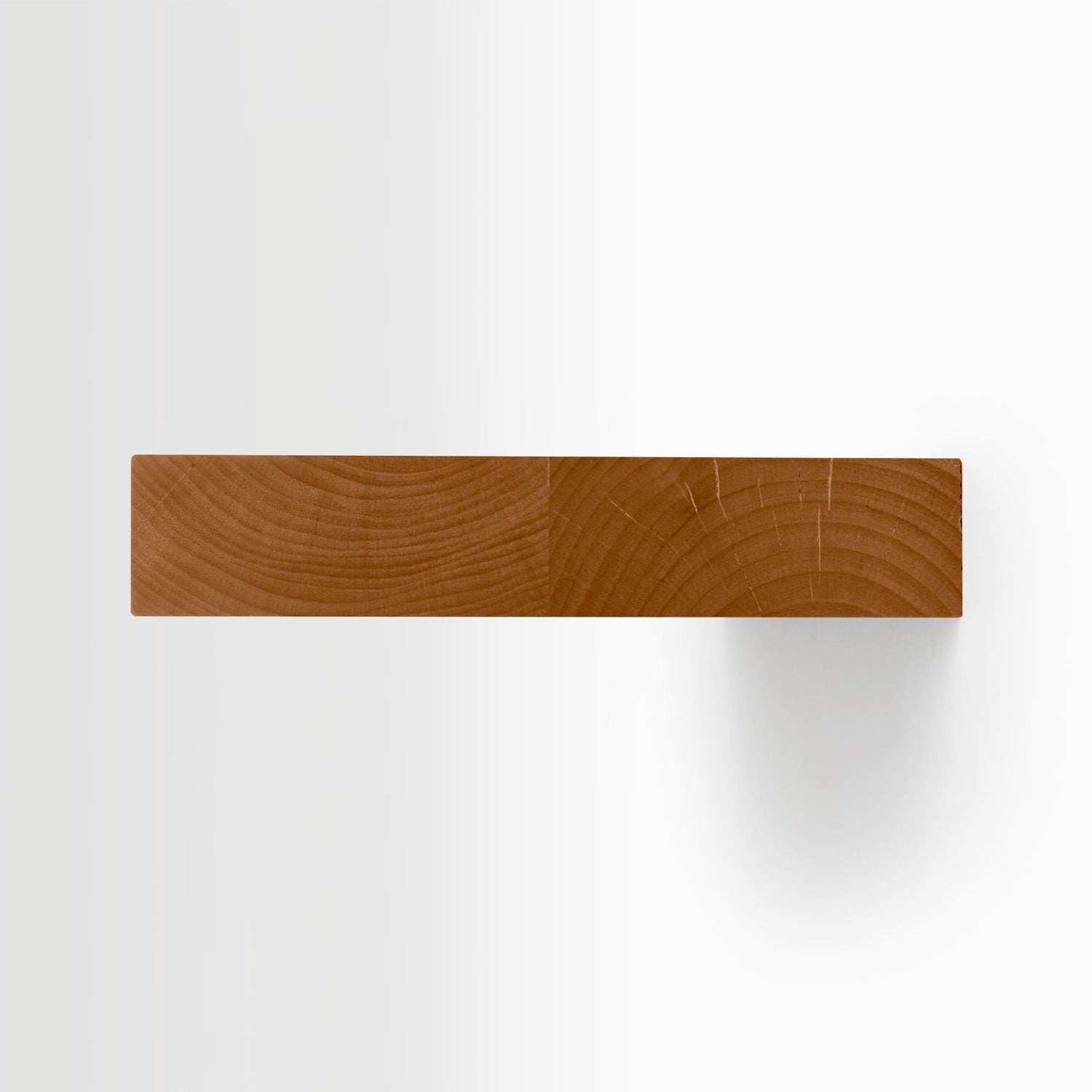
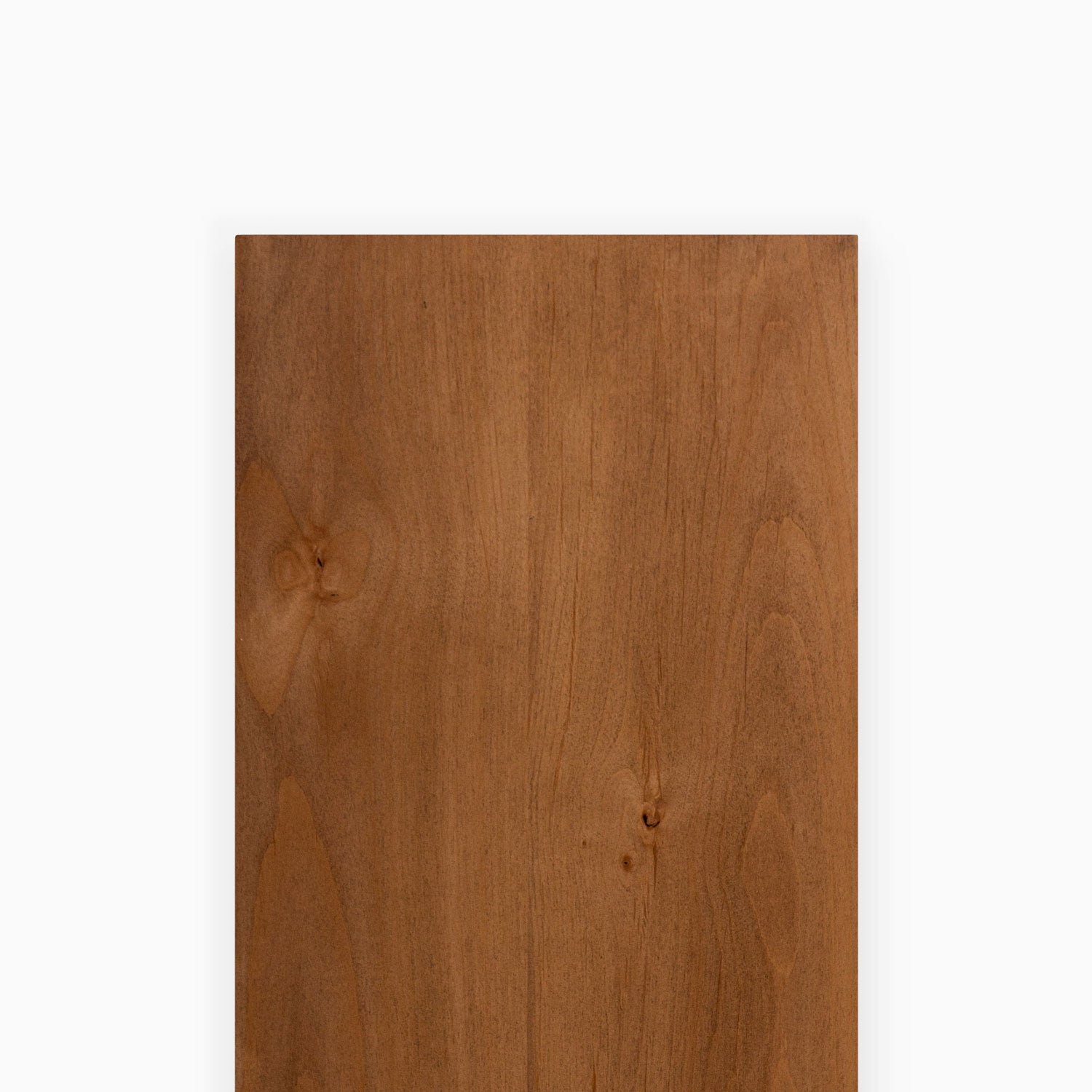
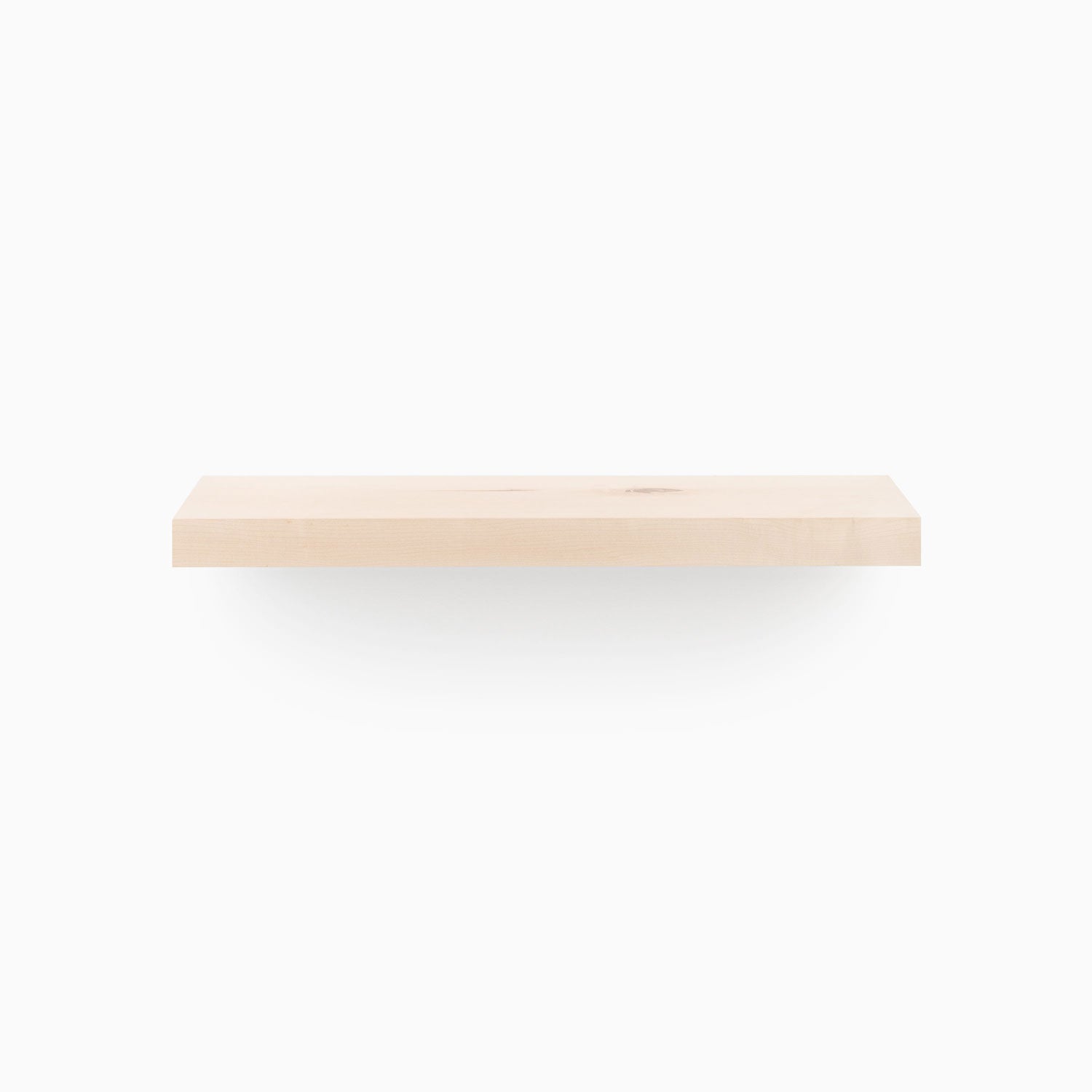
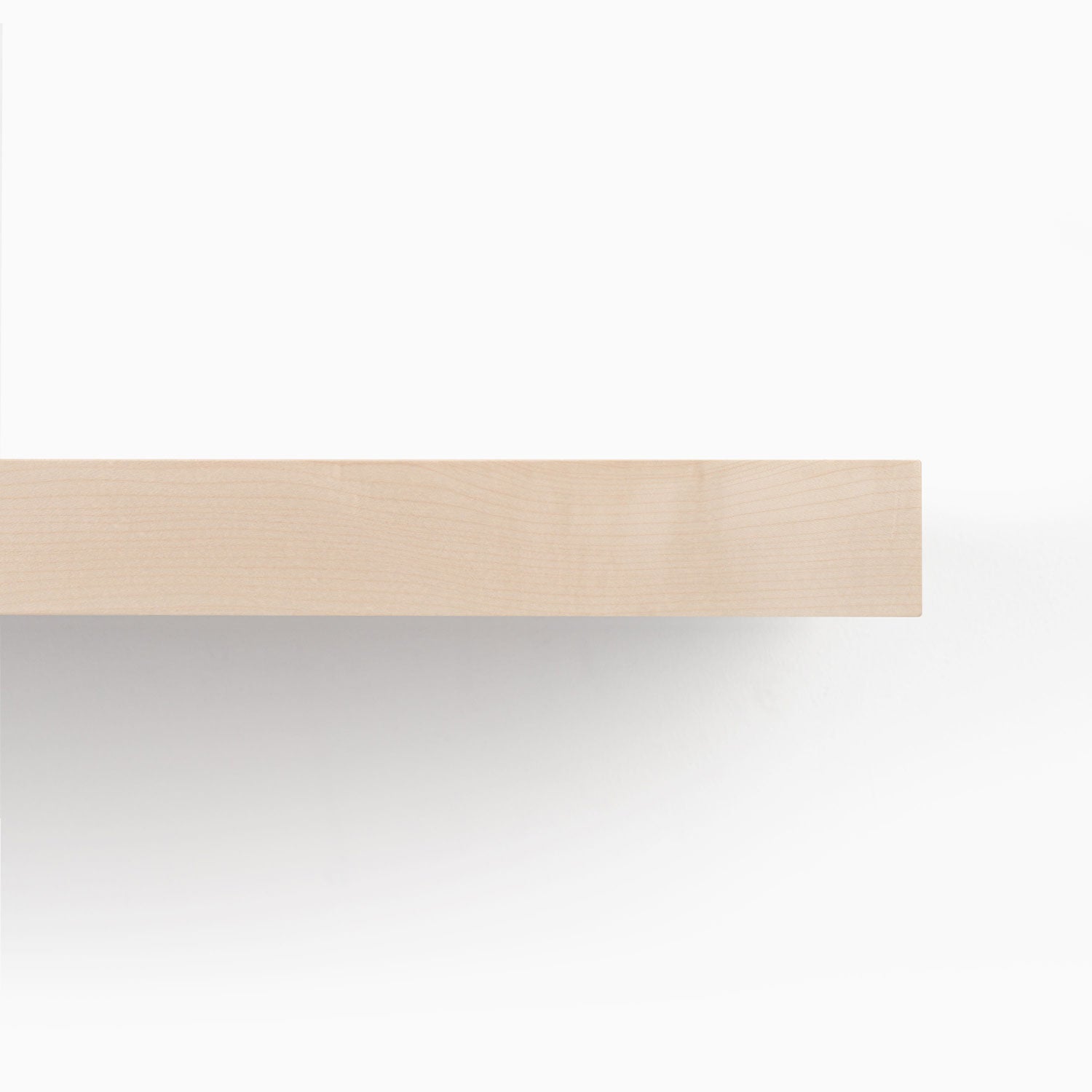
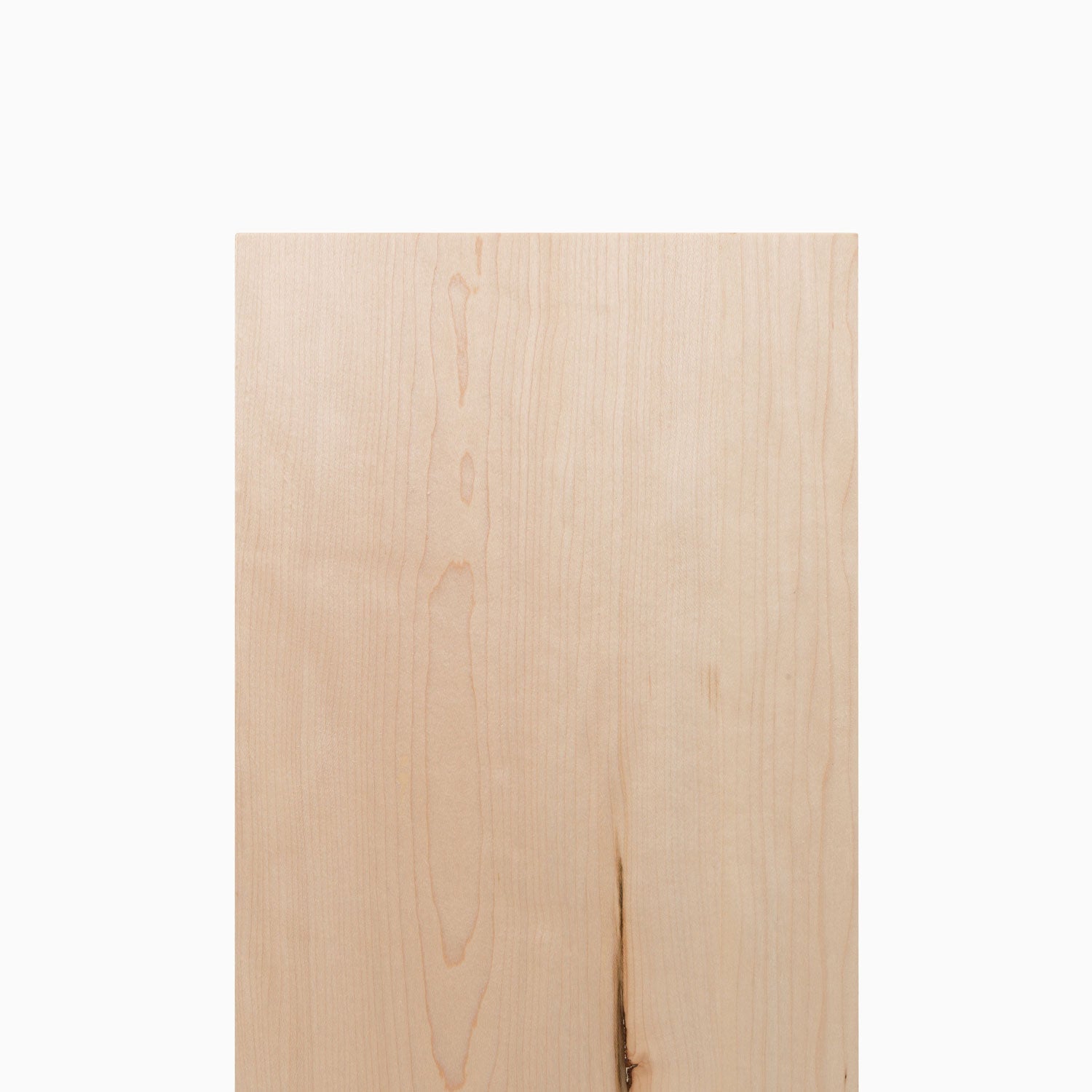
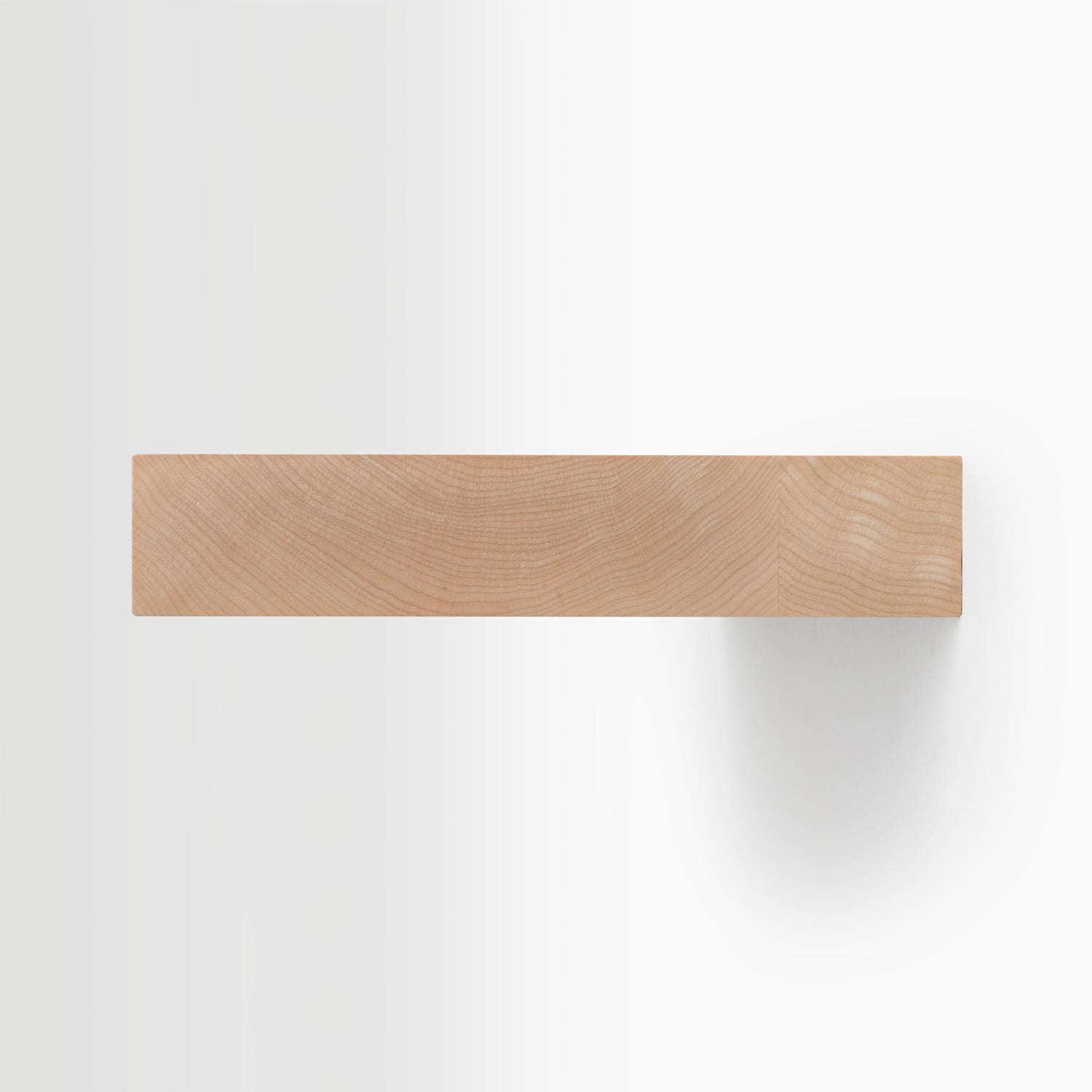
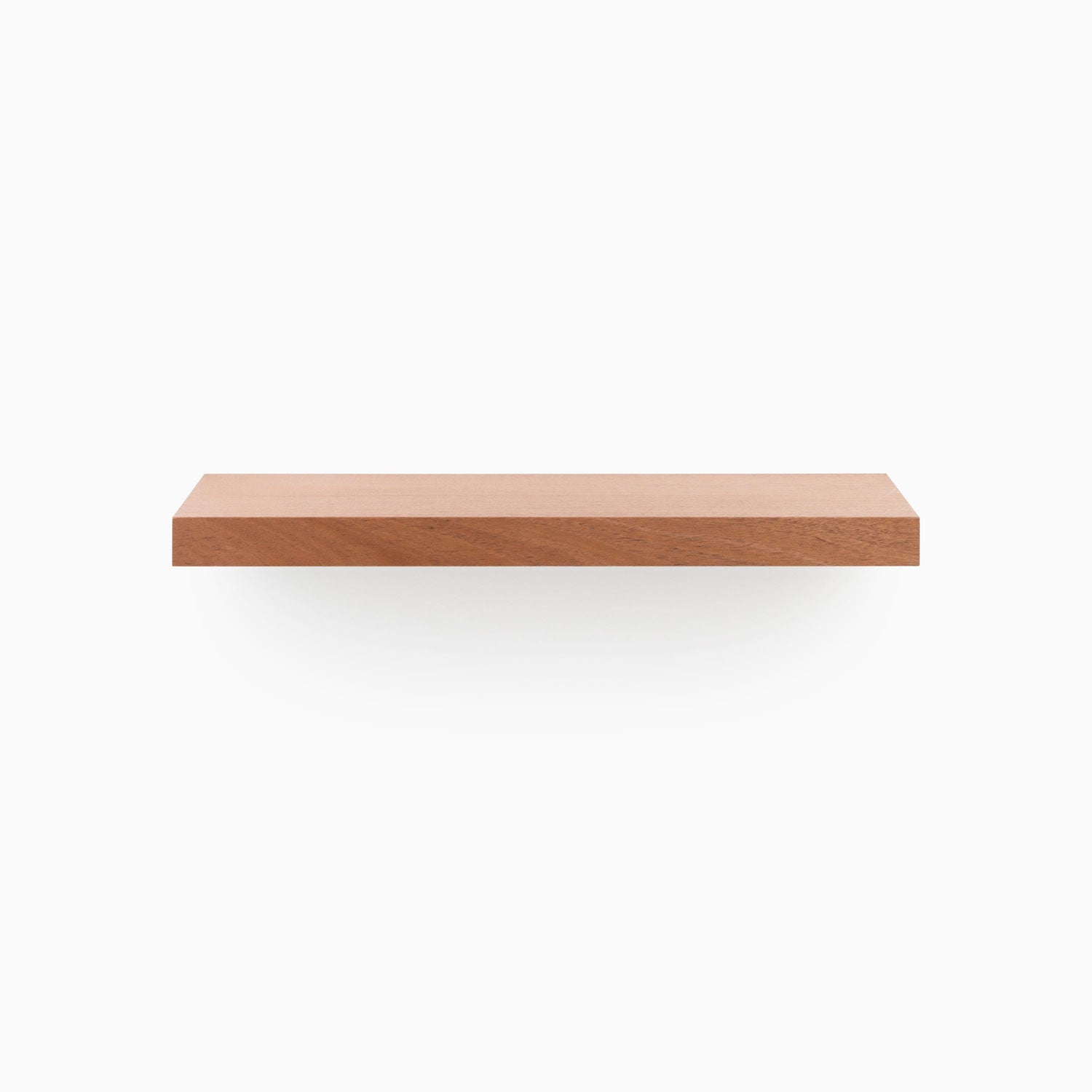
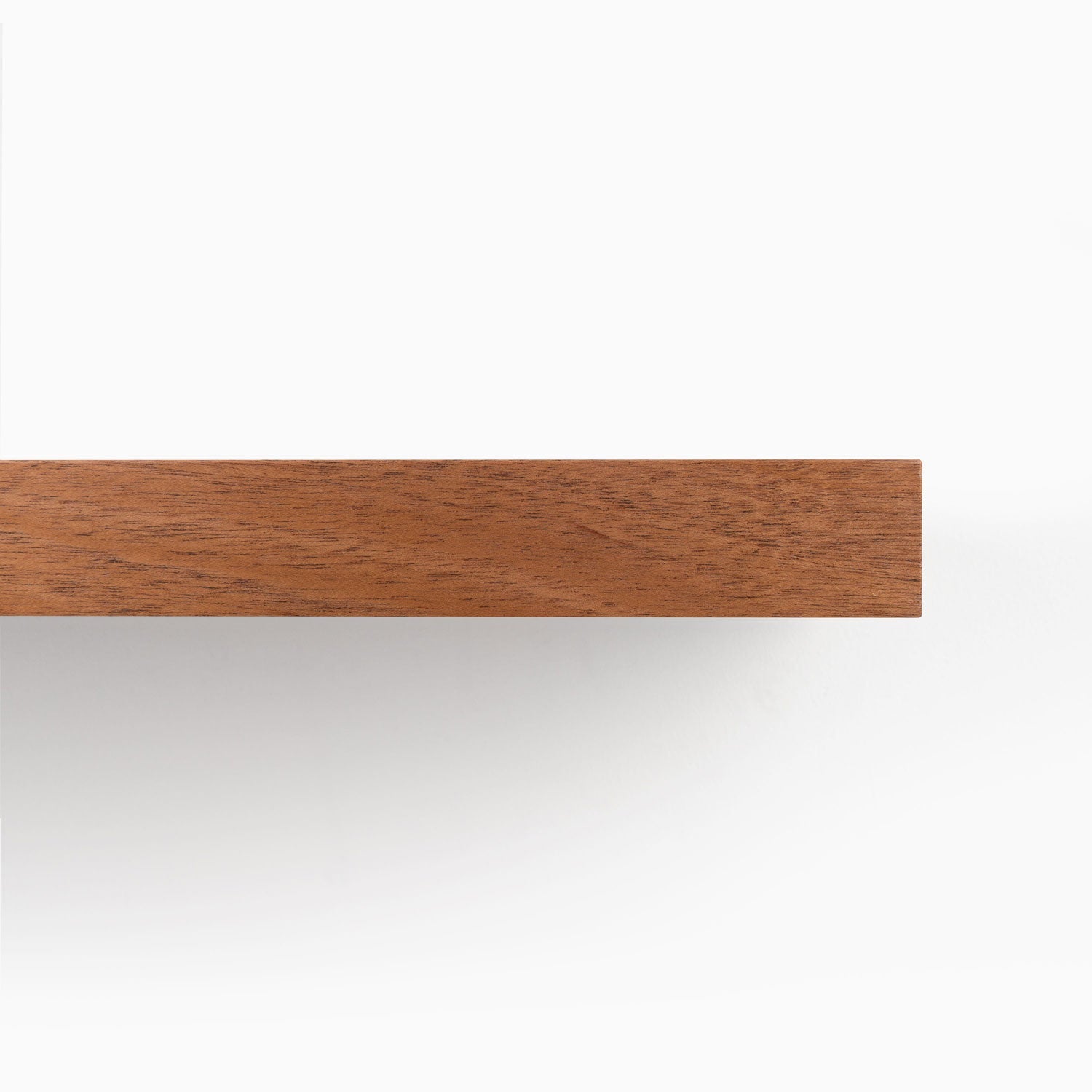
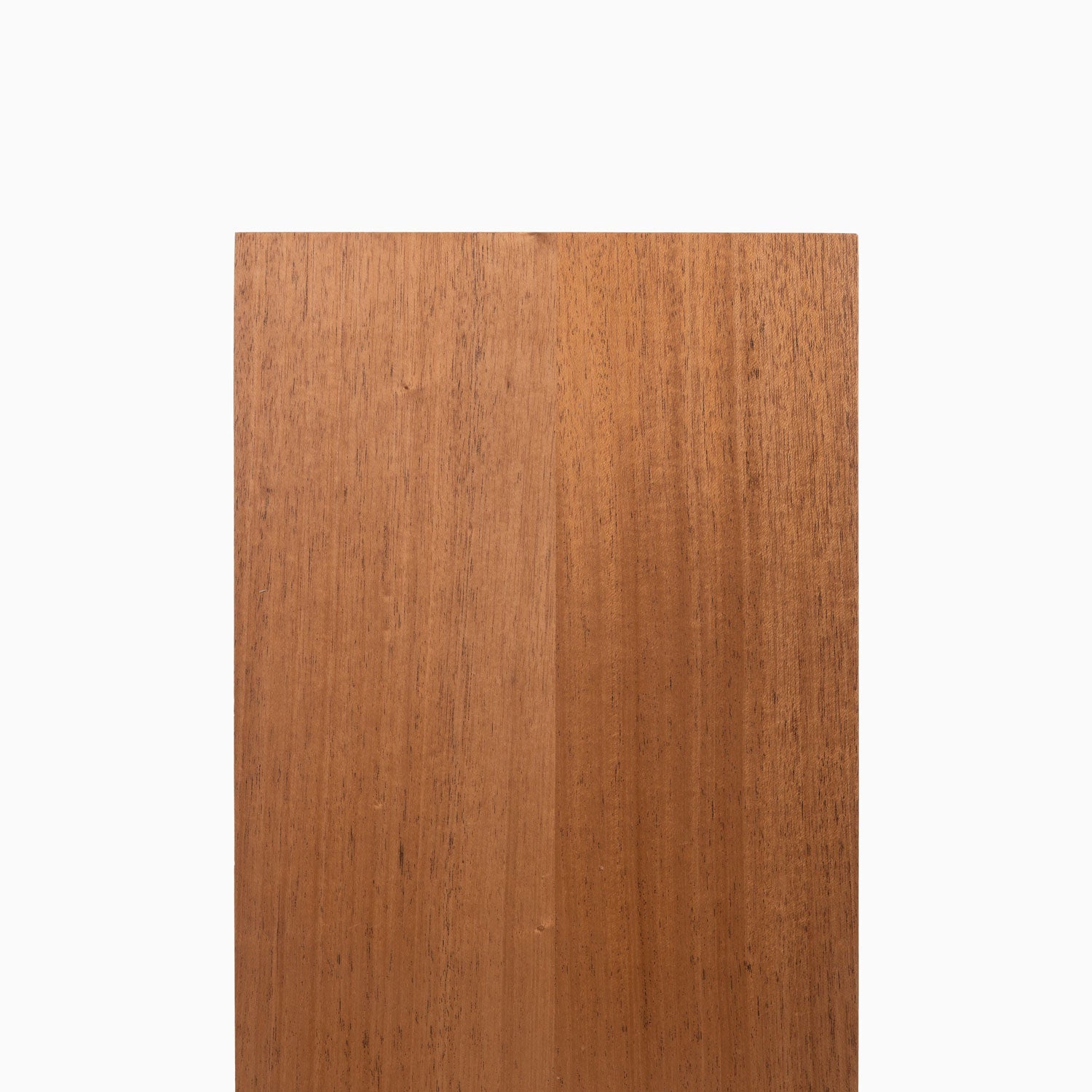
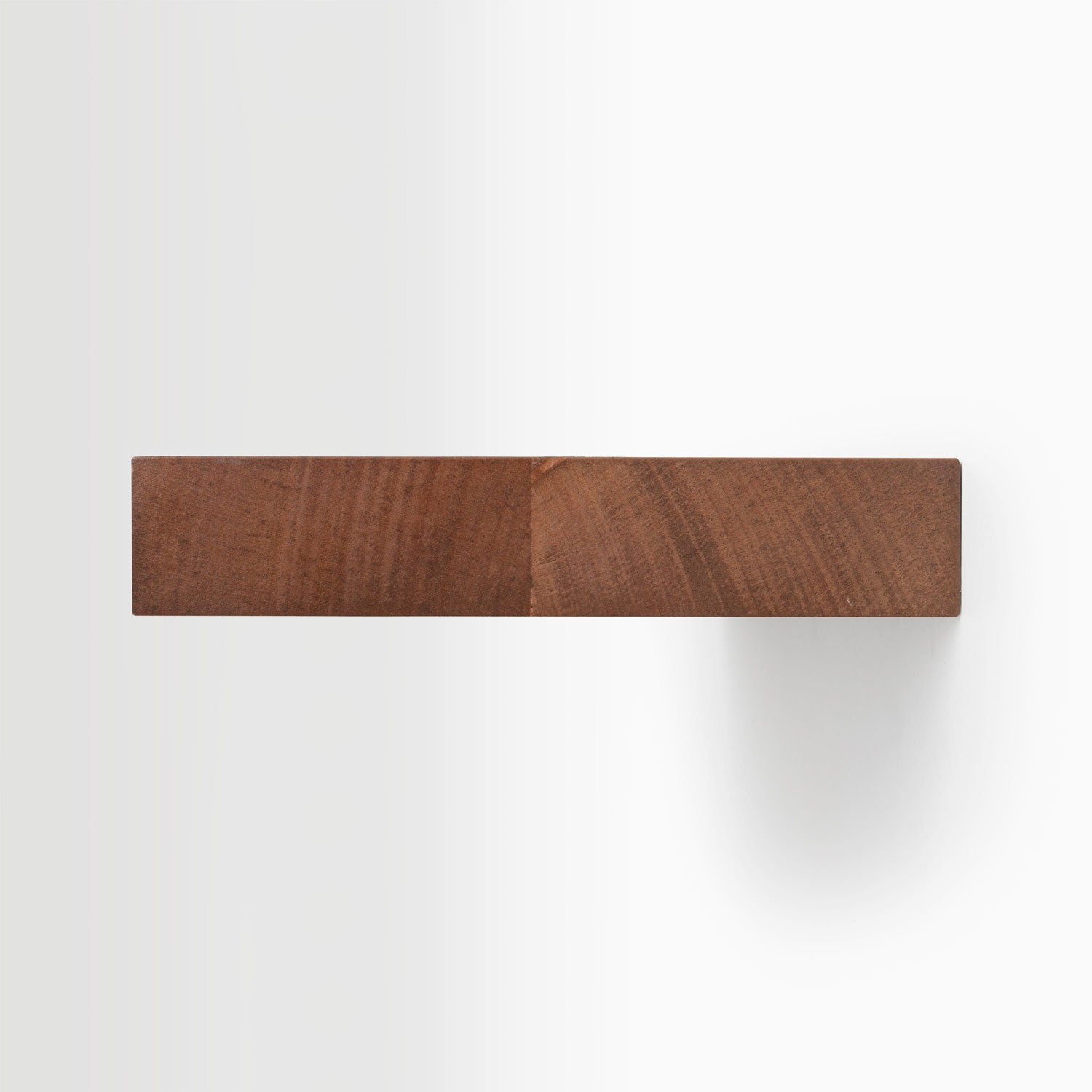
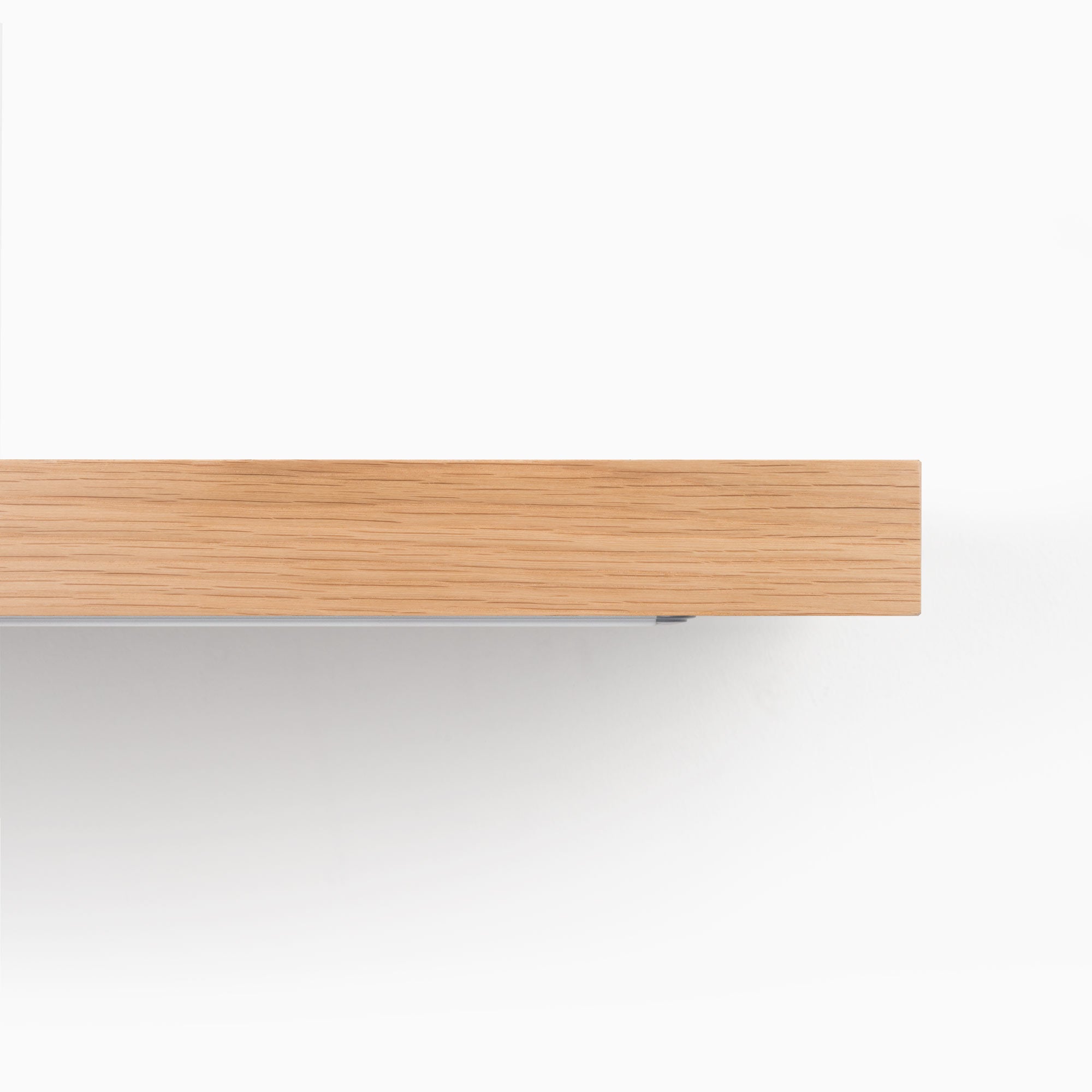
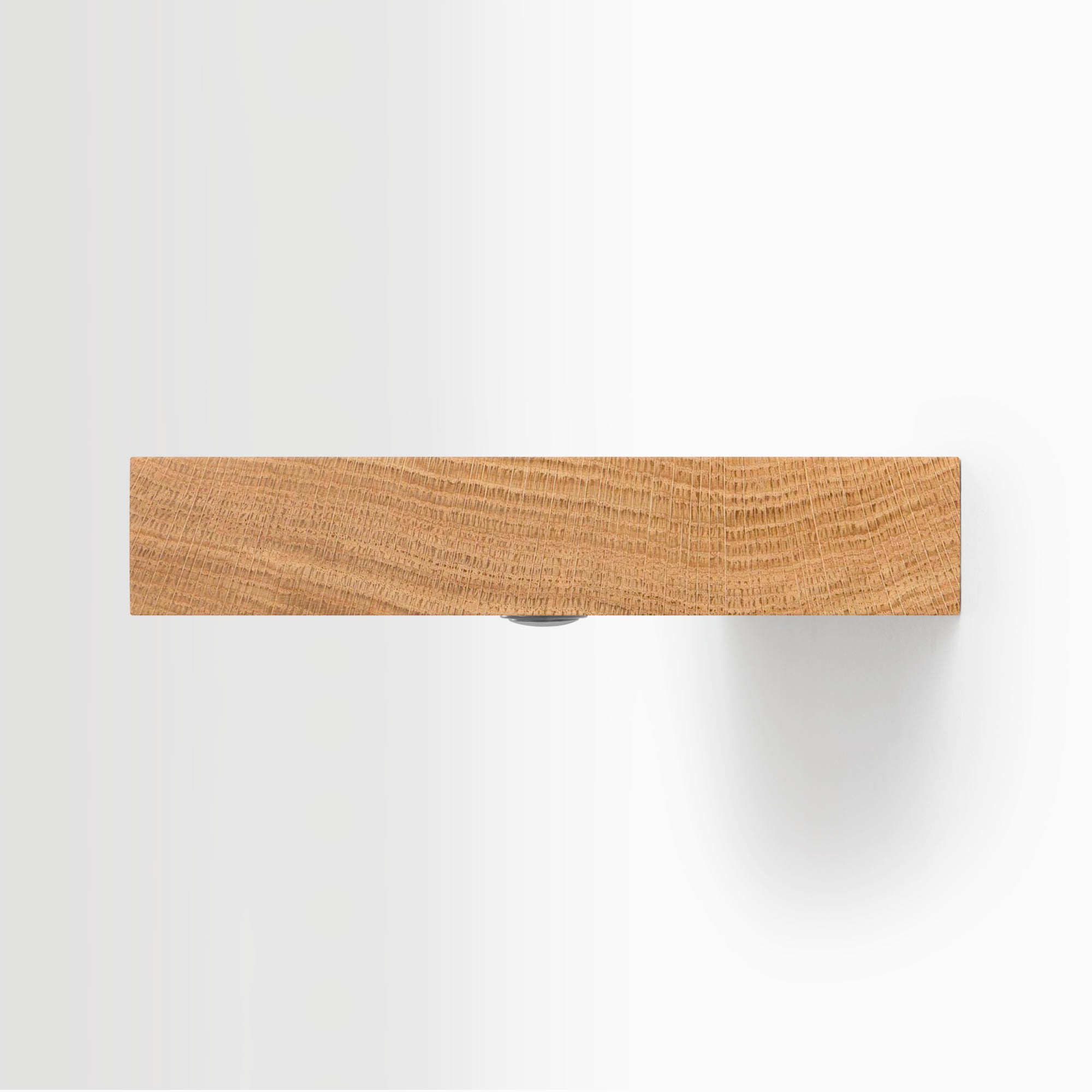
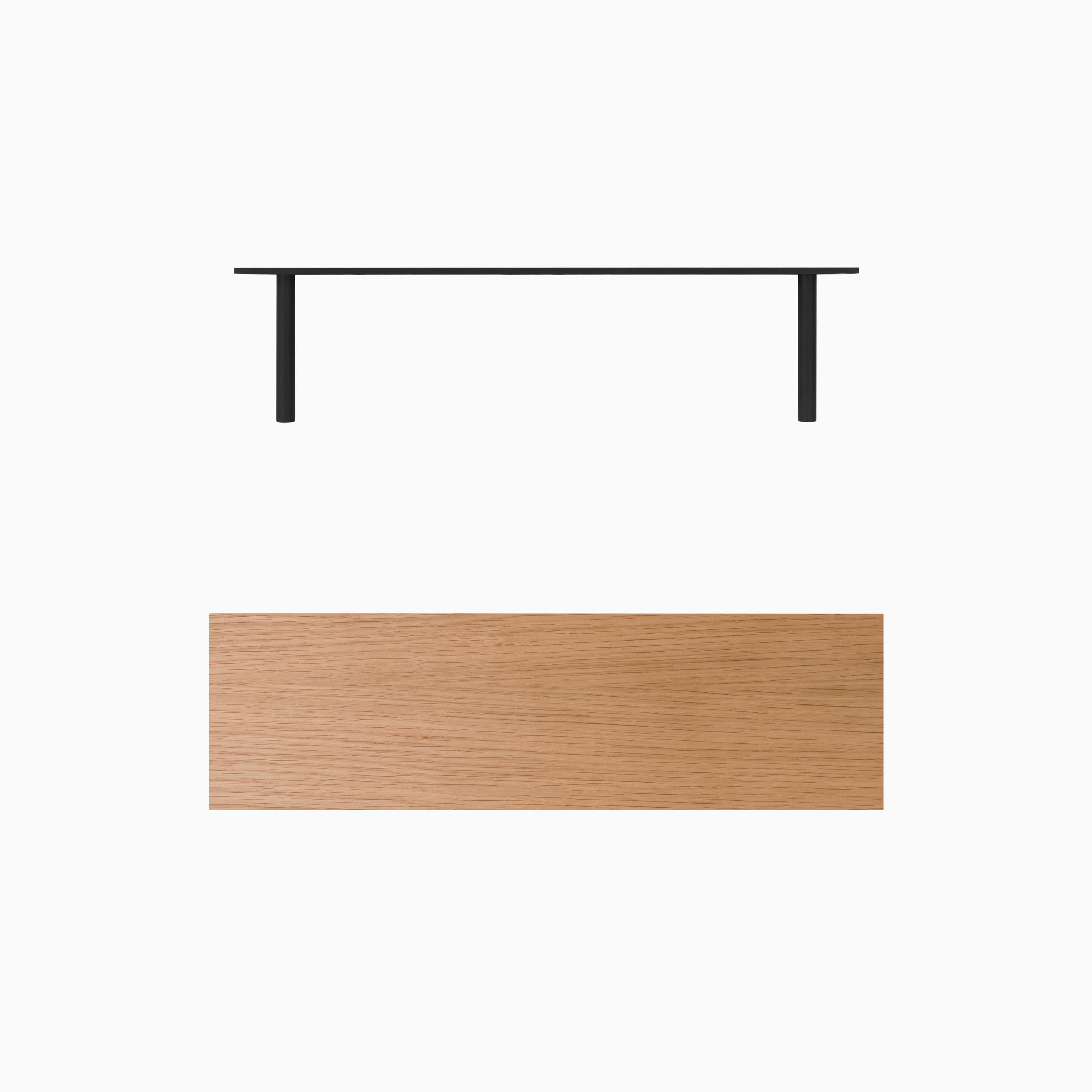
Aksel LED White Oak Floating Shelf
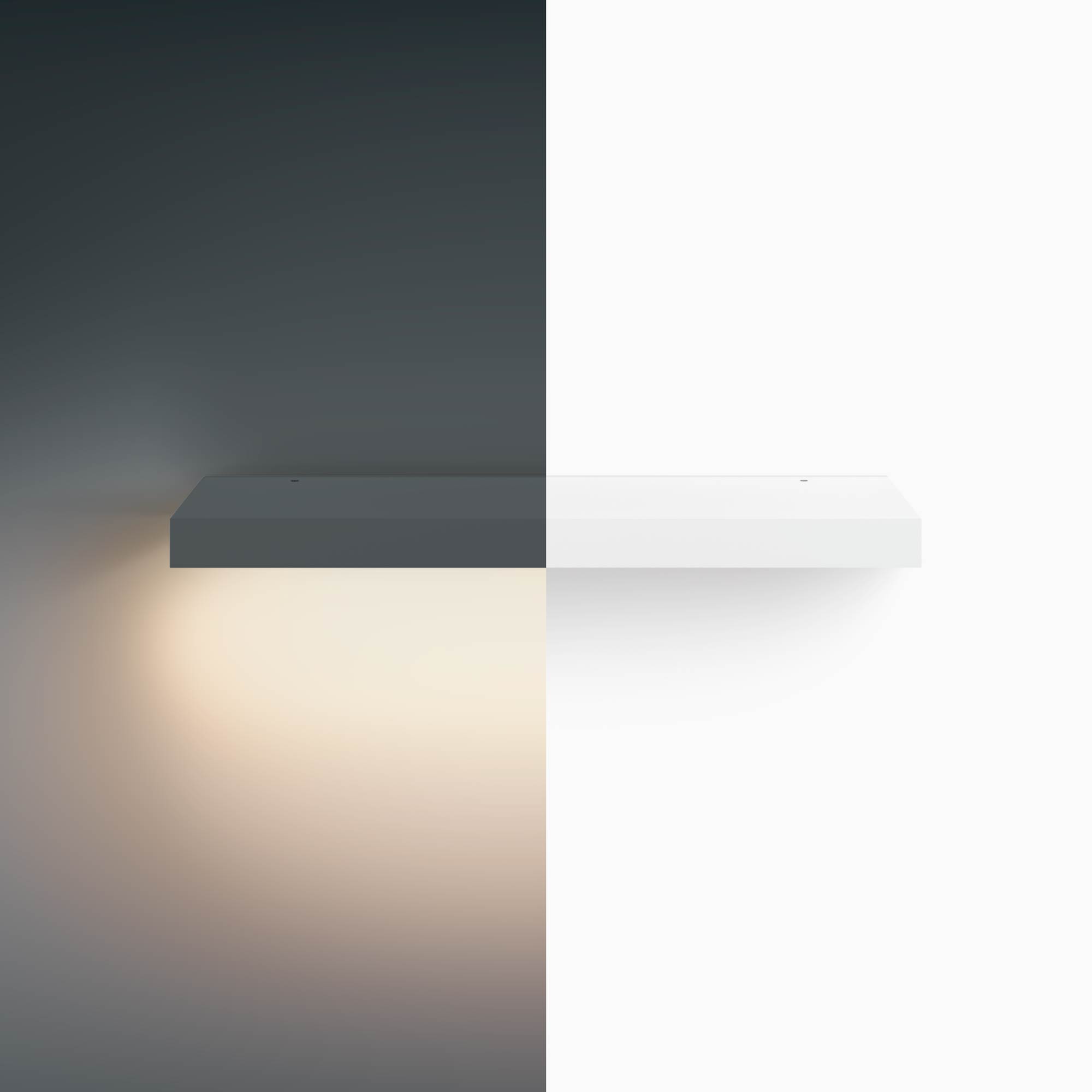
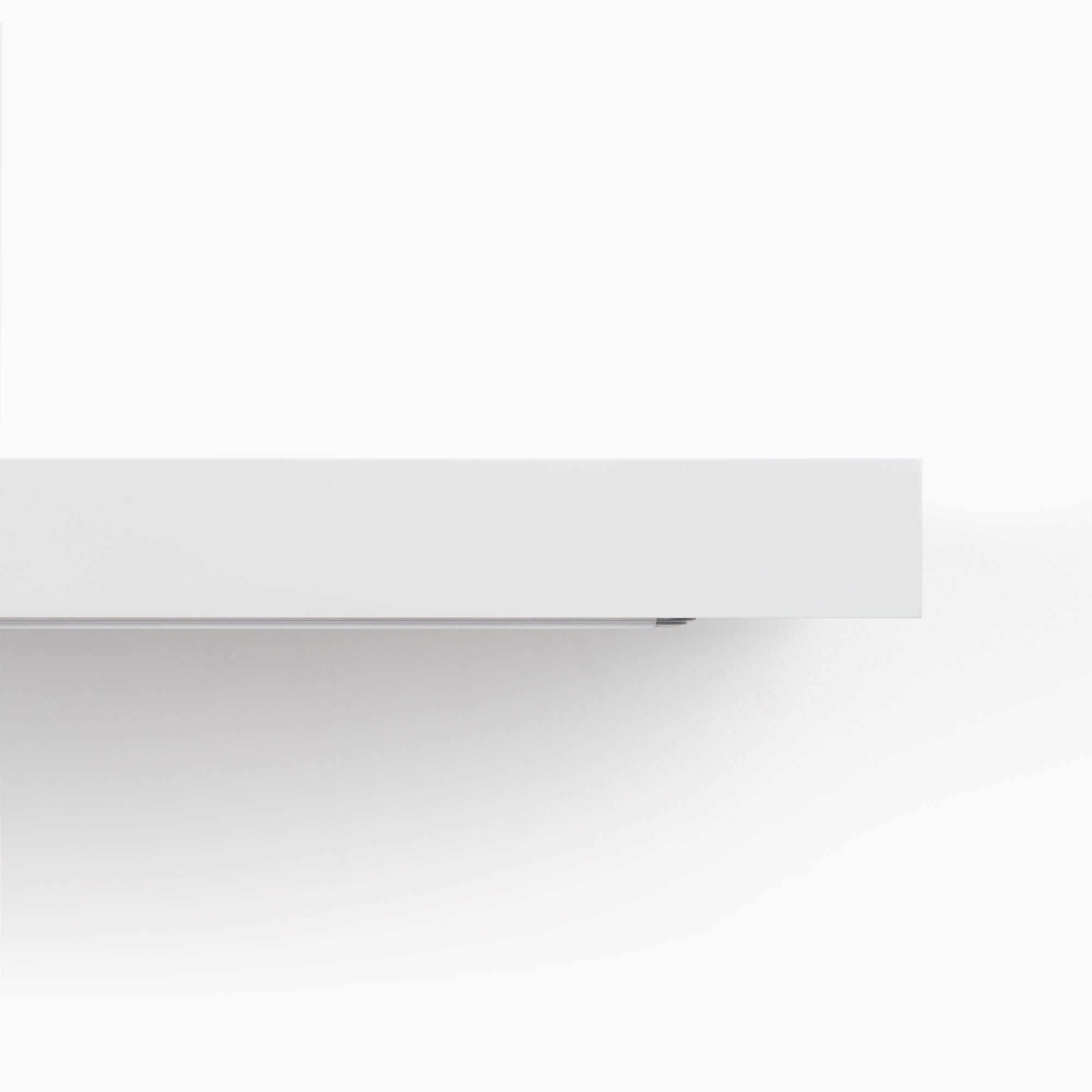
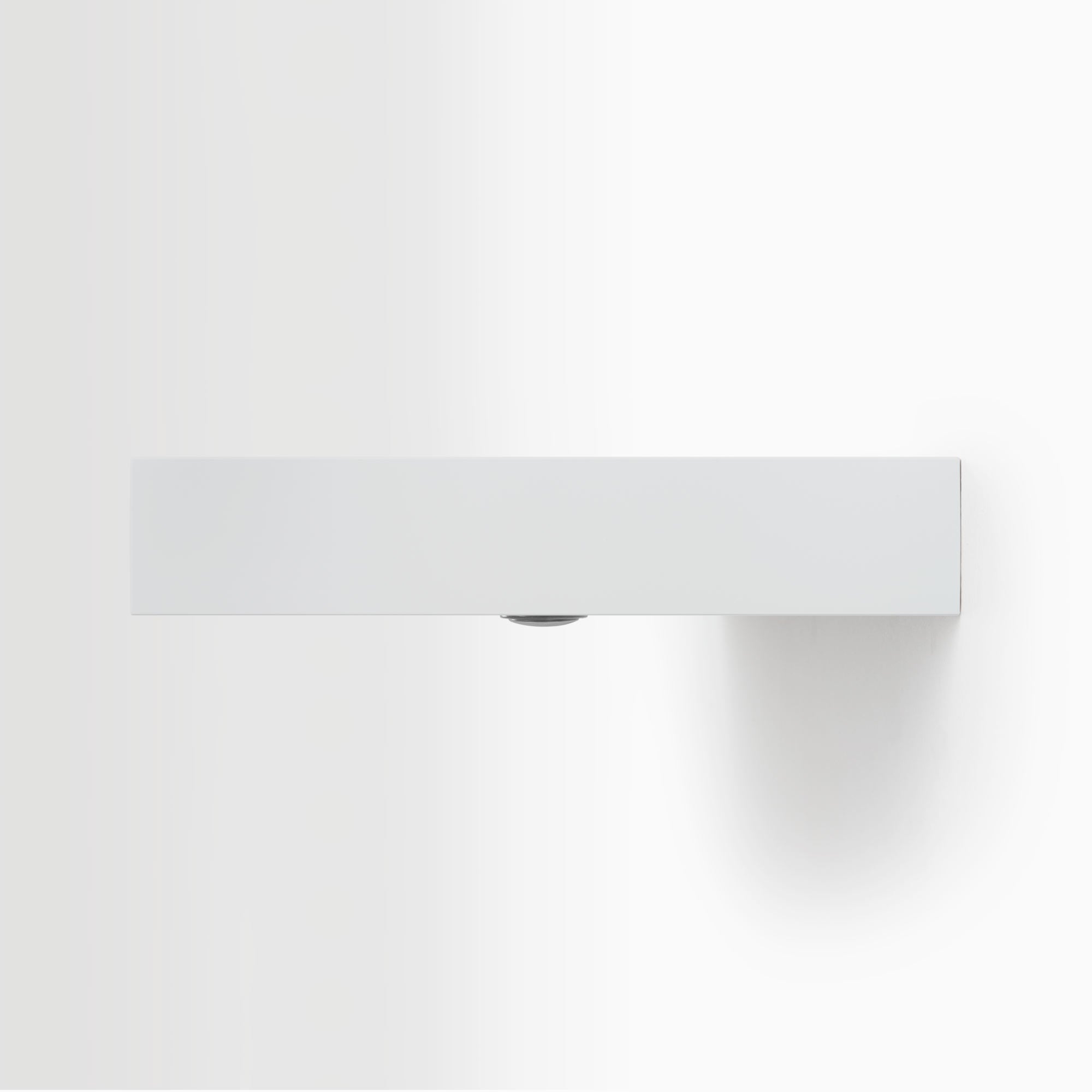
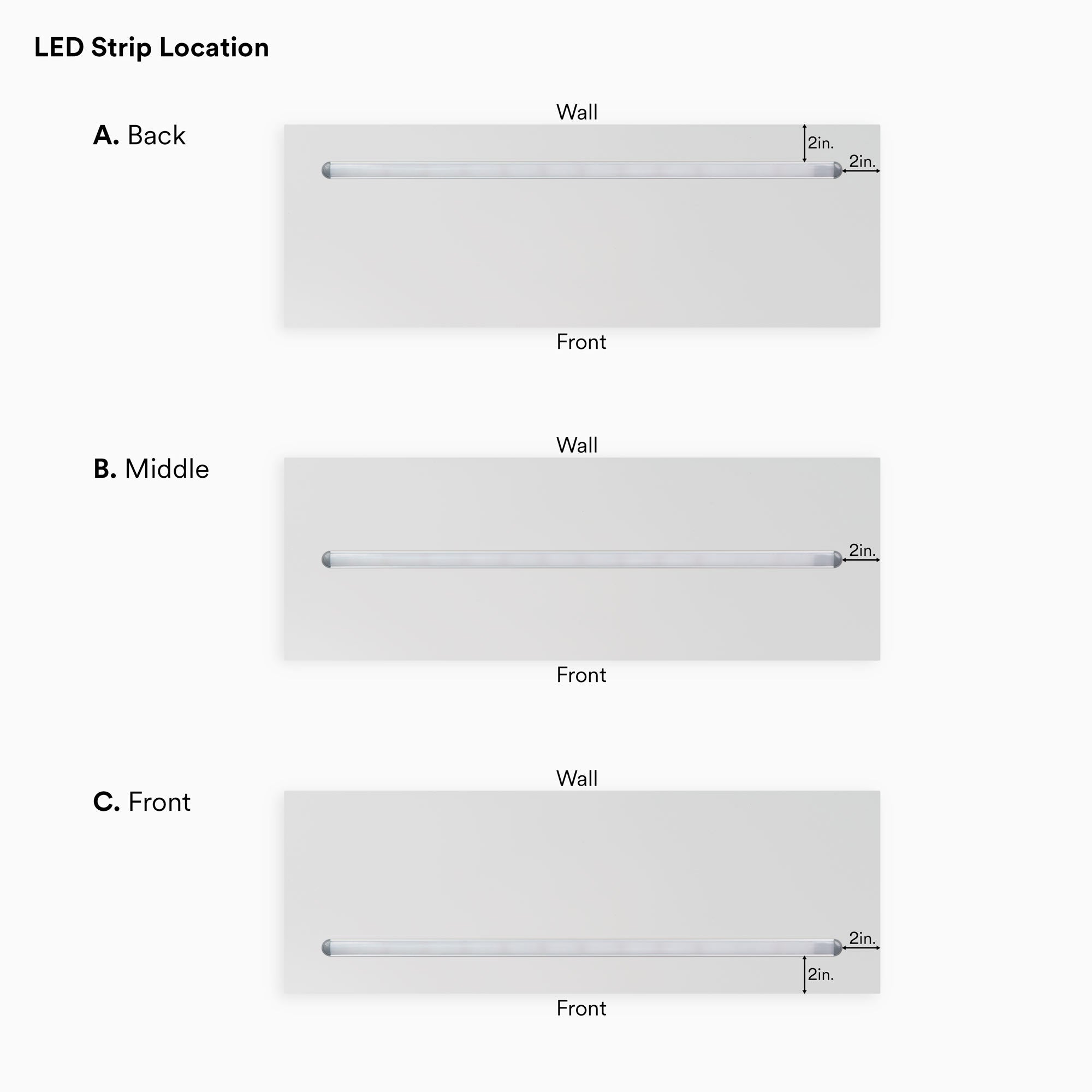
Aksel LED White Floating Shelf
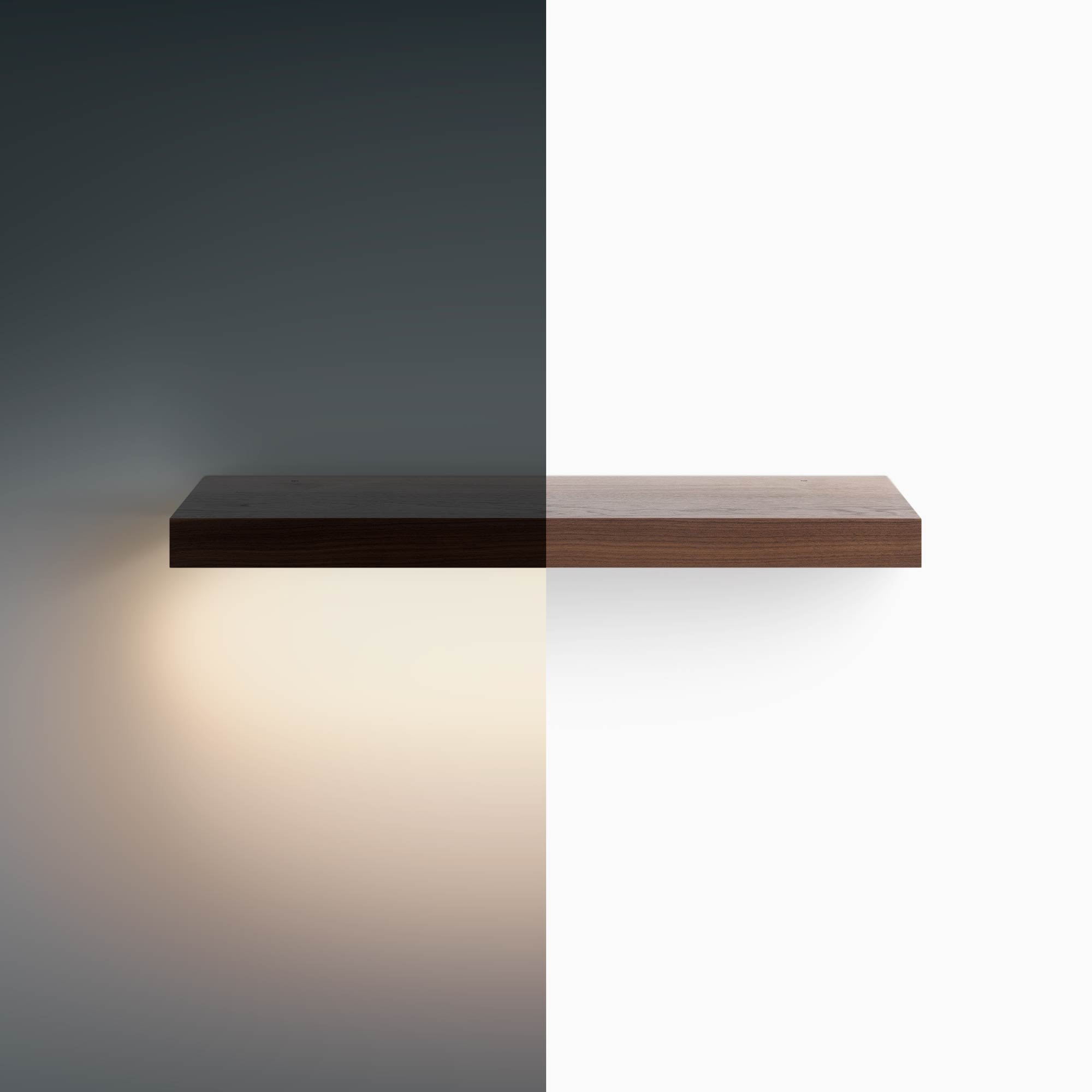
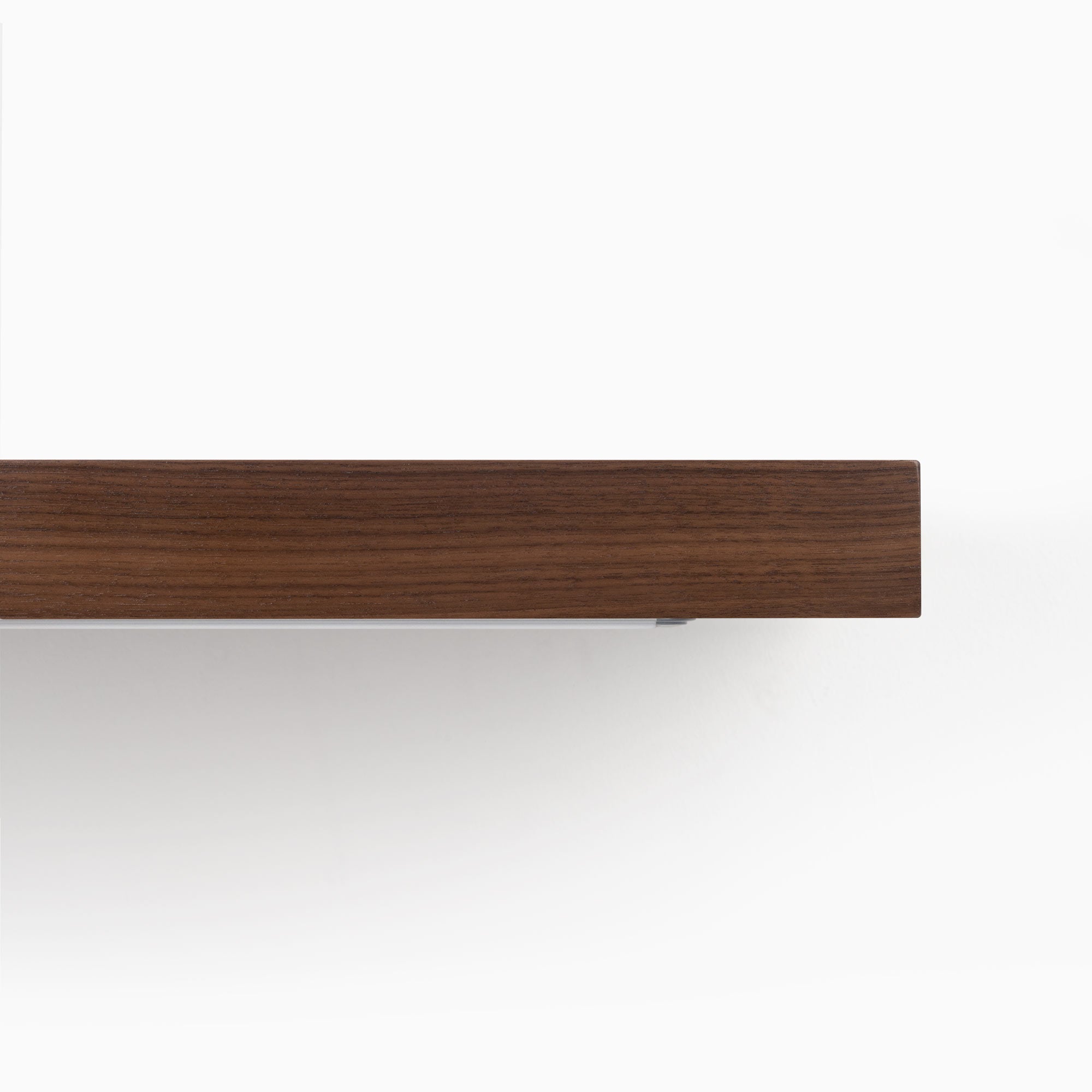
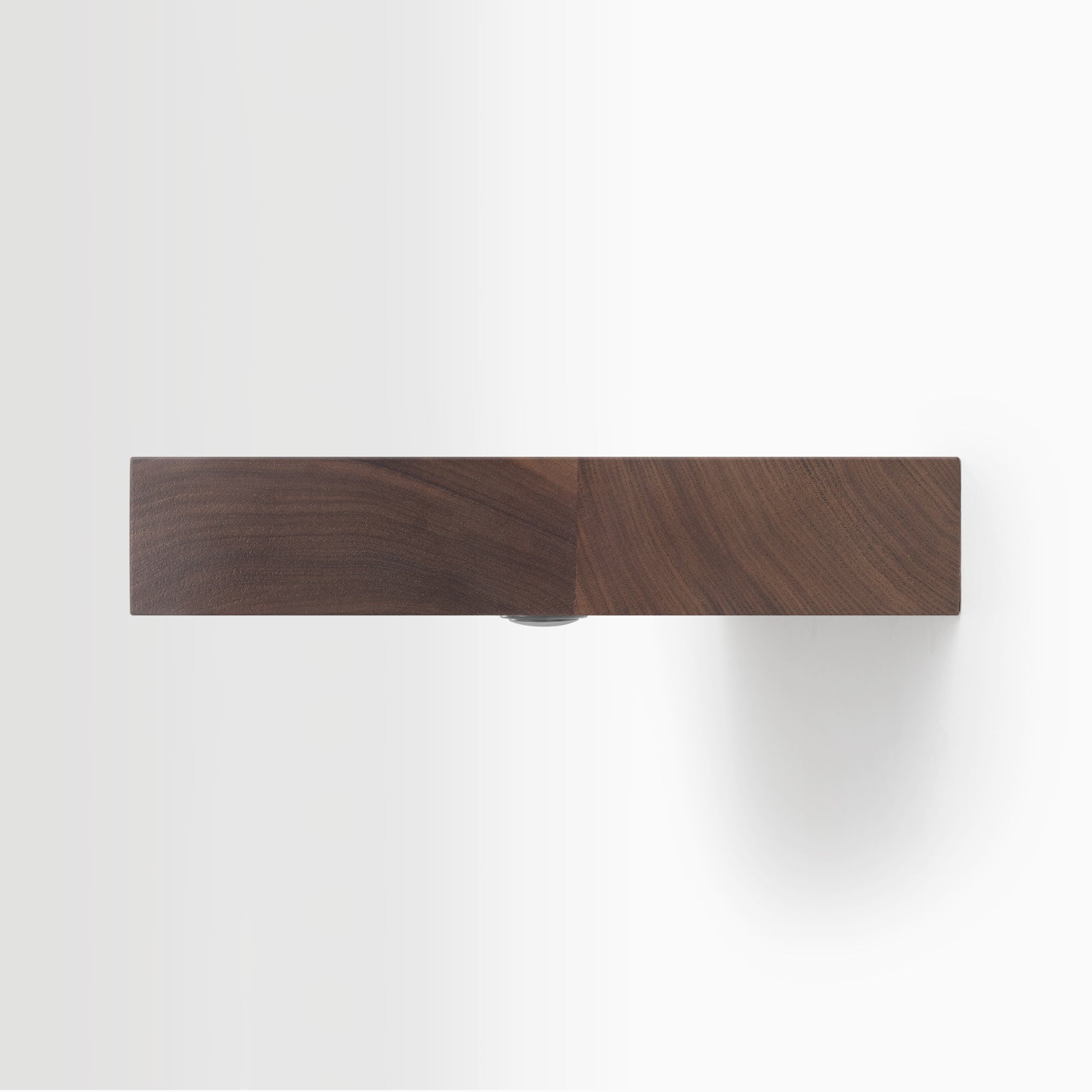
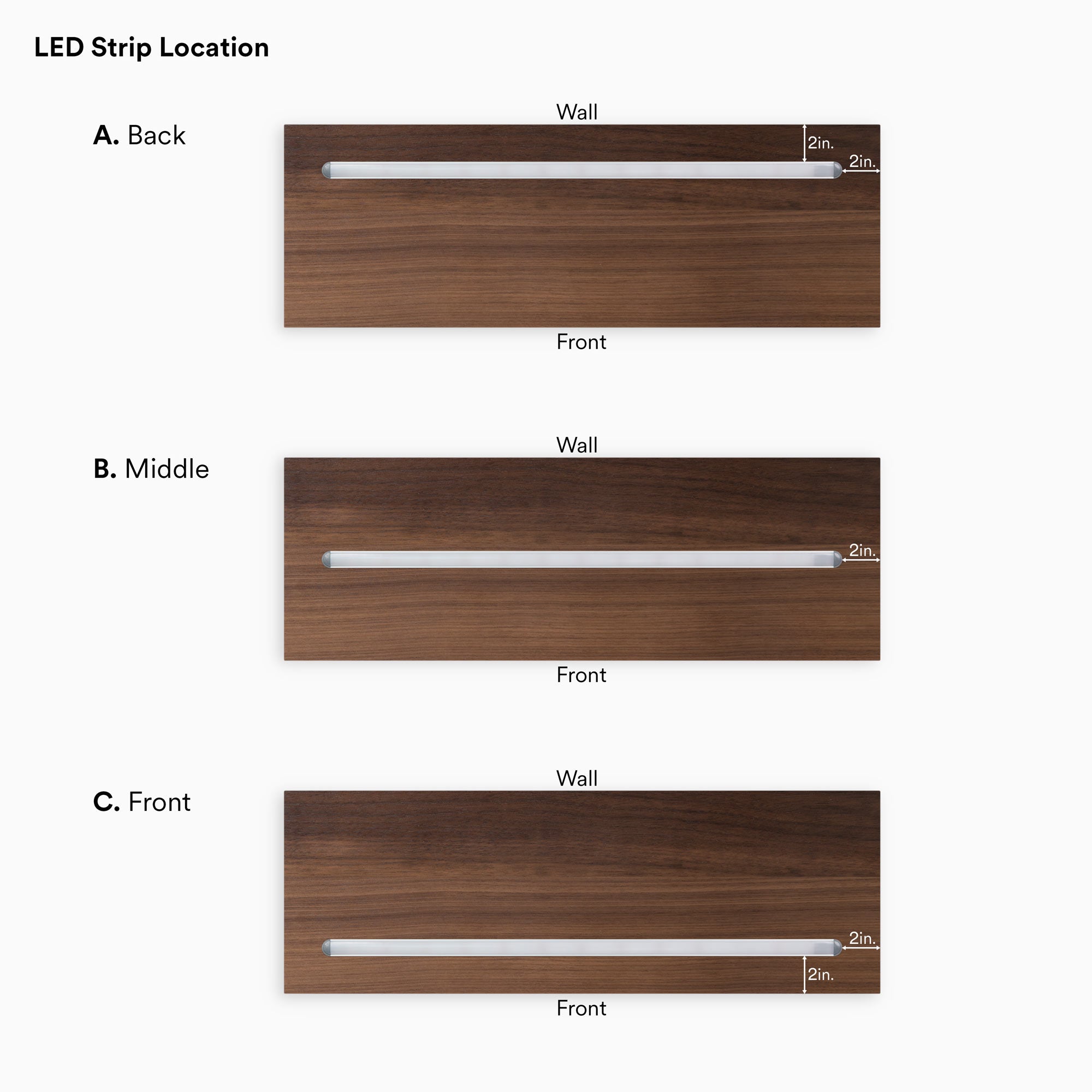
Aksel LED Walnut Floating Shelf
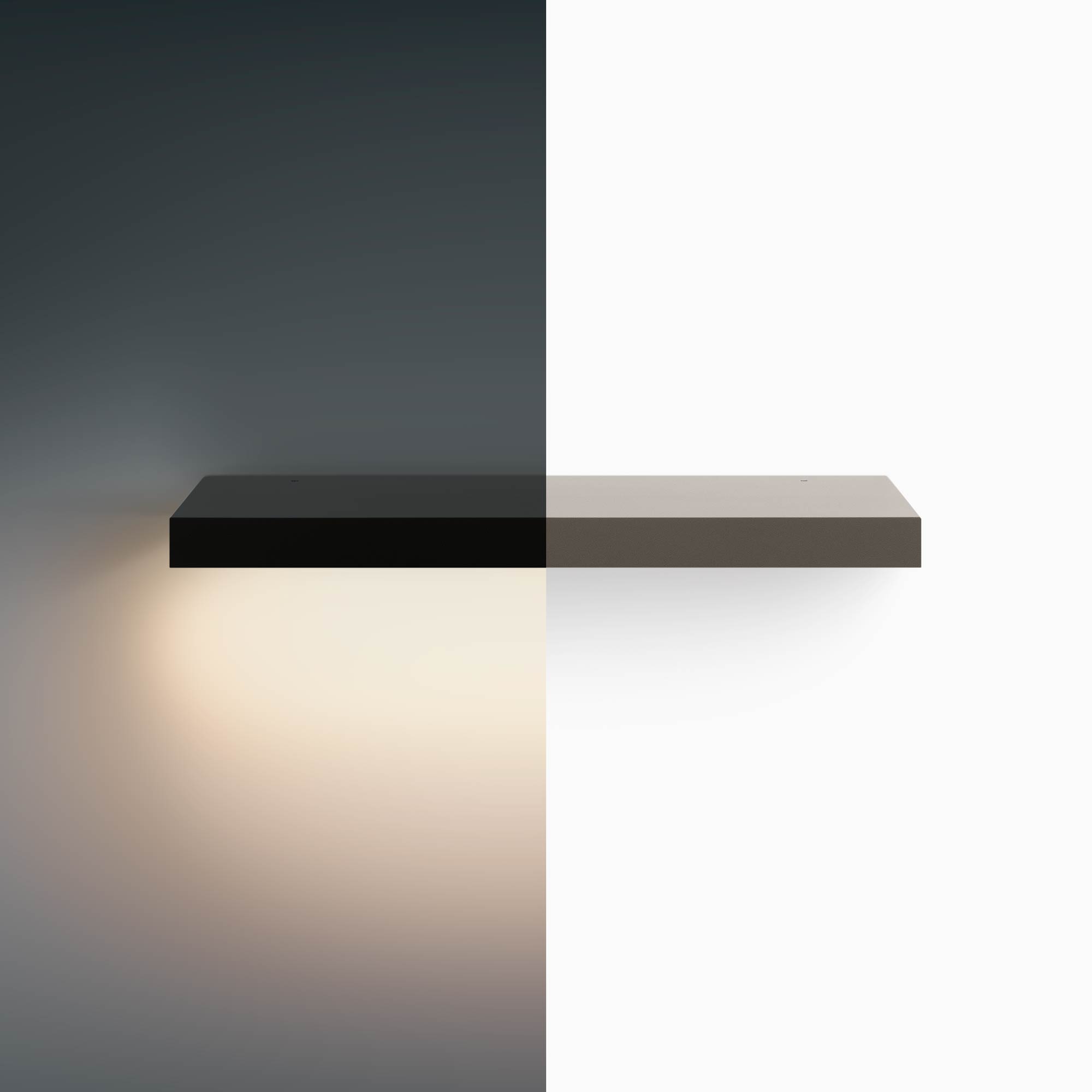
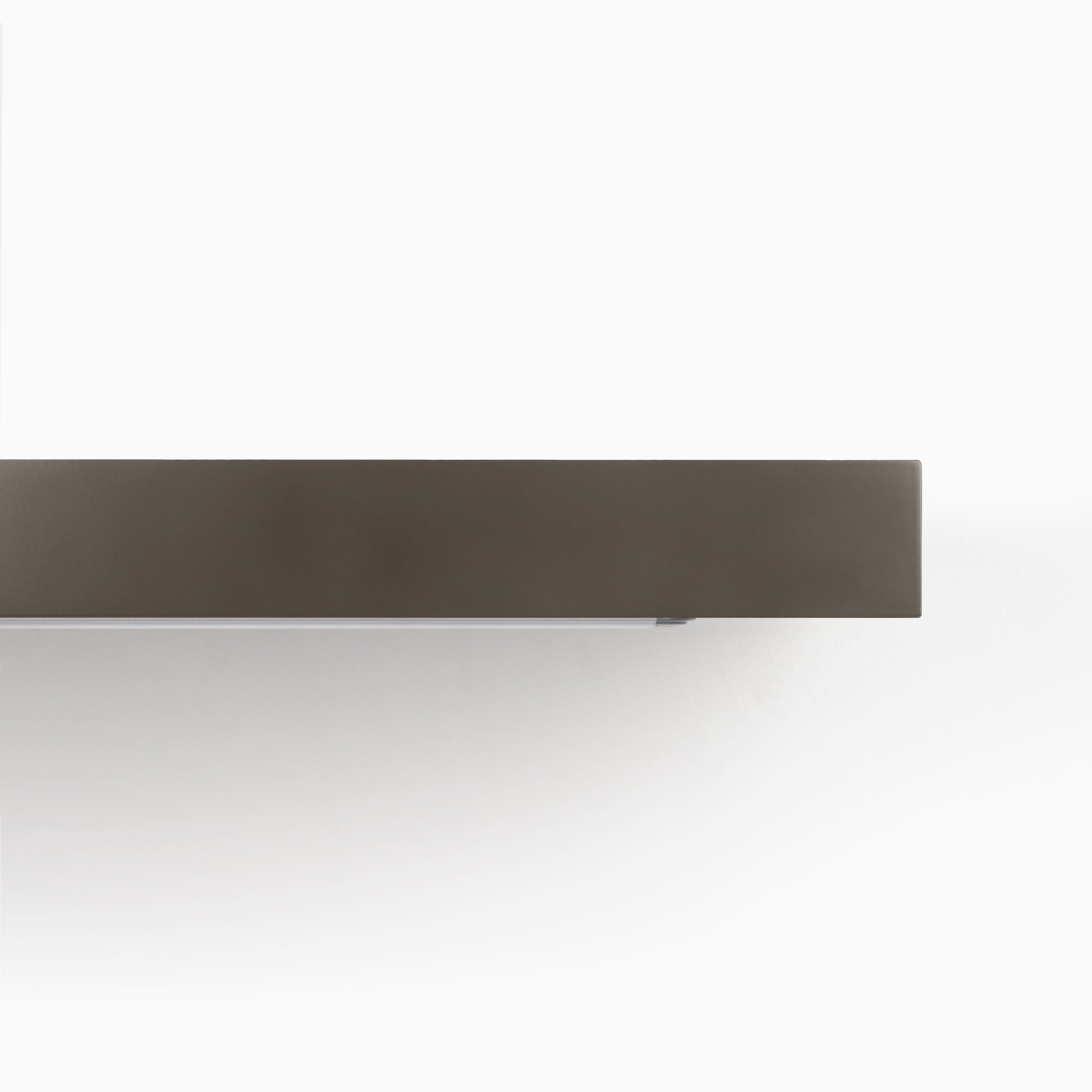
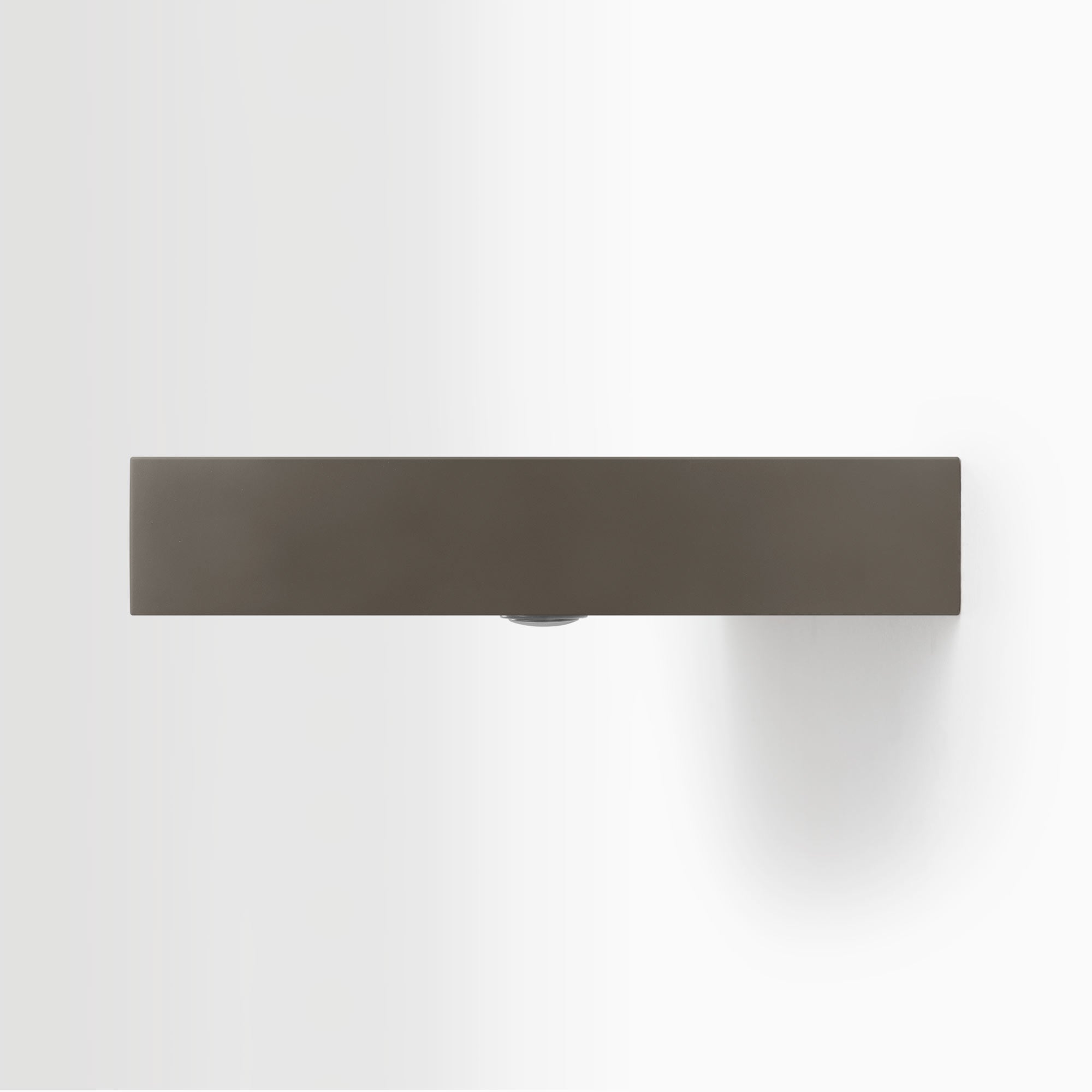
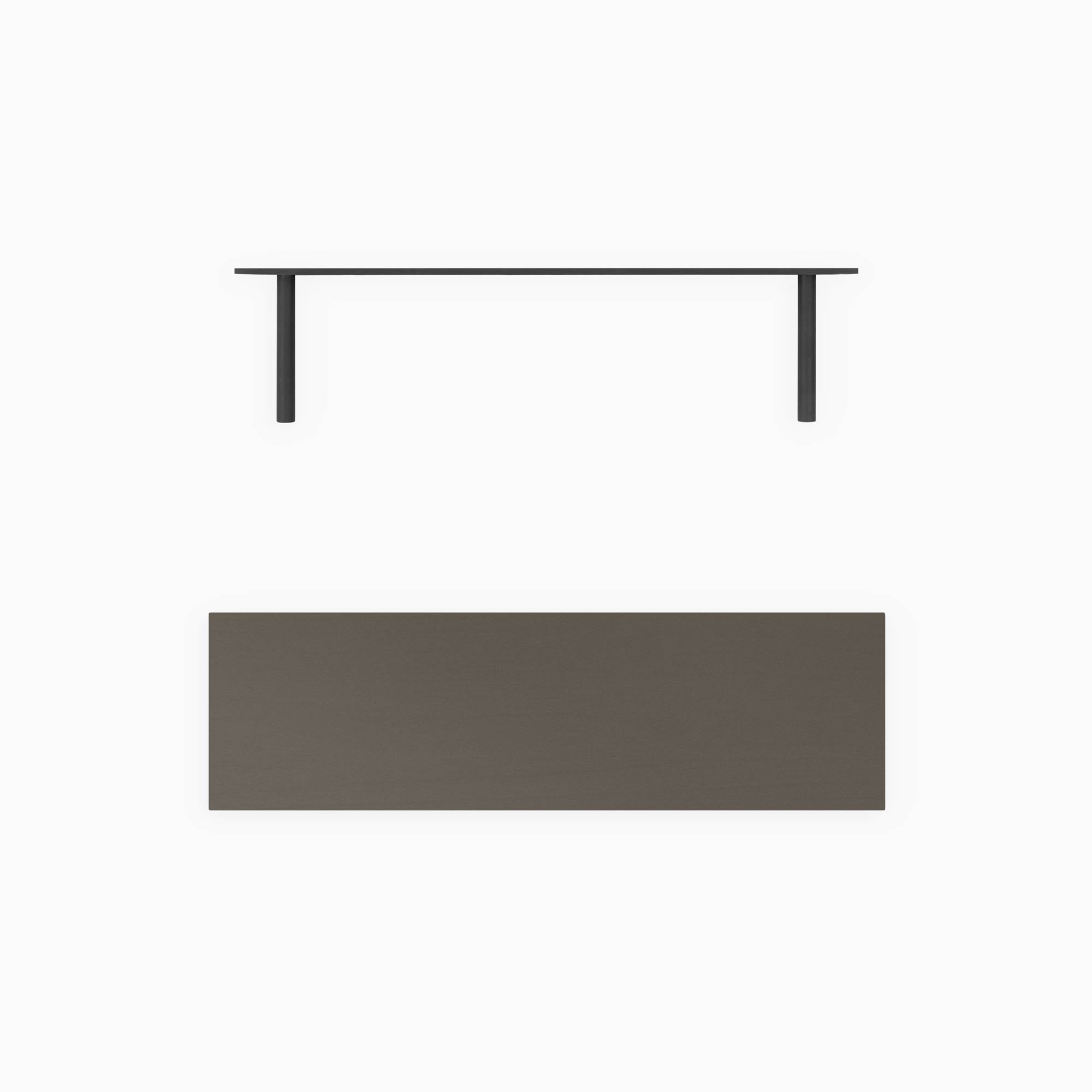
Aksel LED Tungsten Floating Shelf
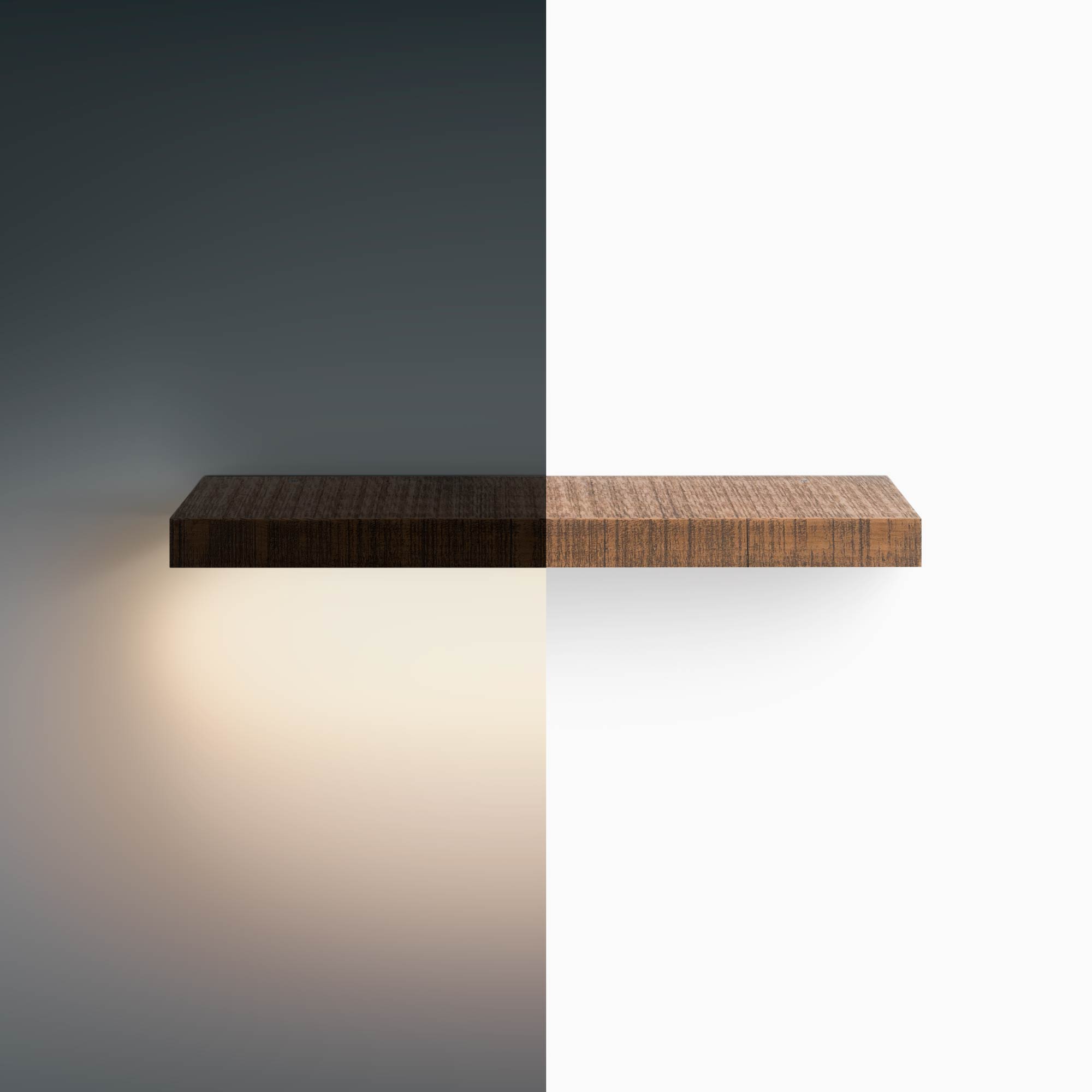
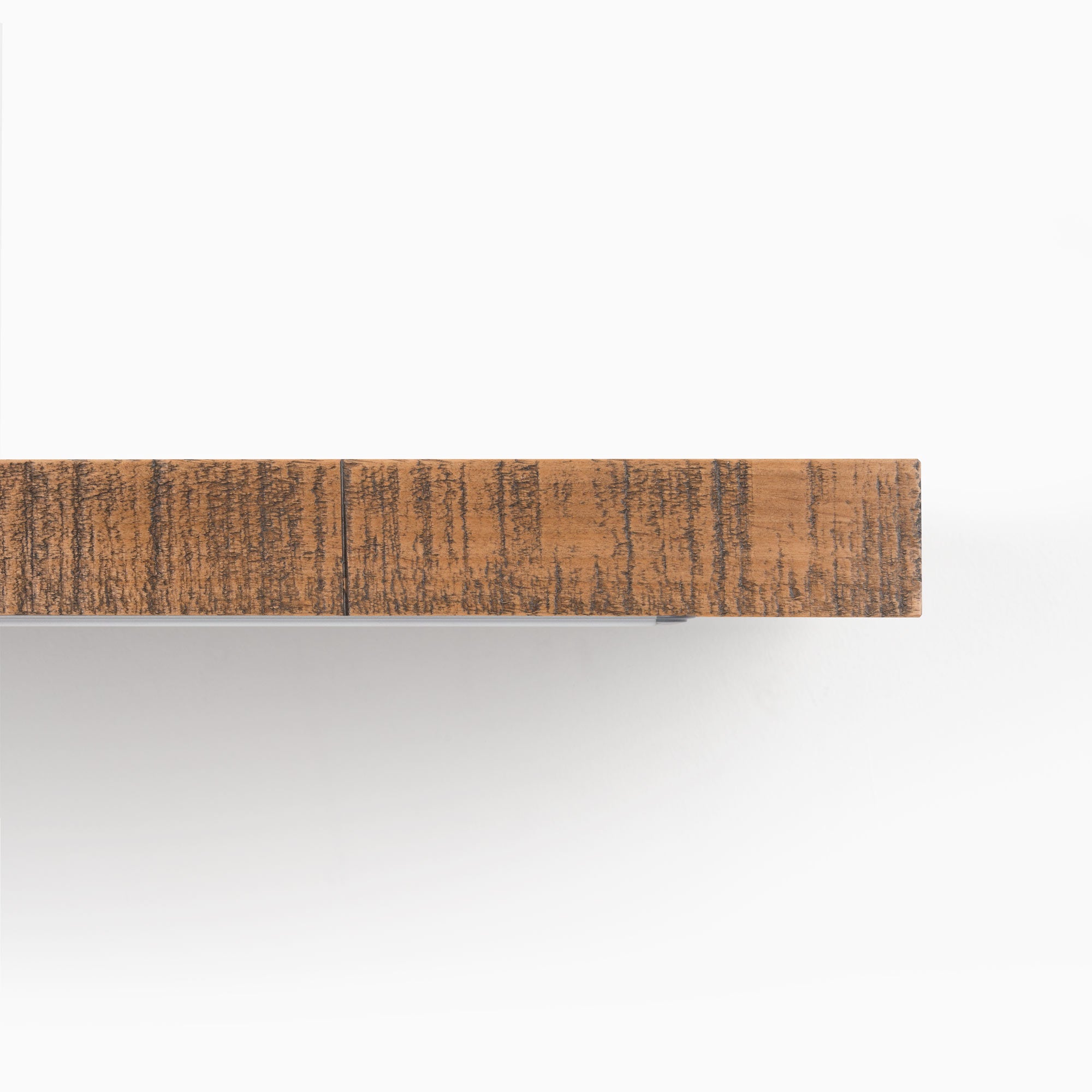
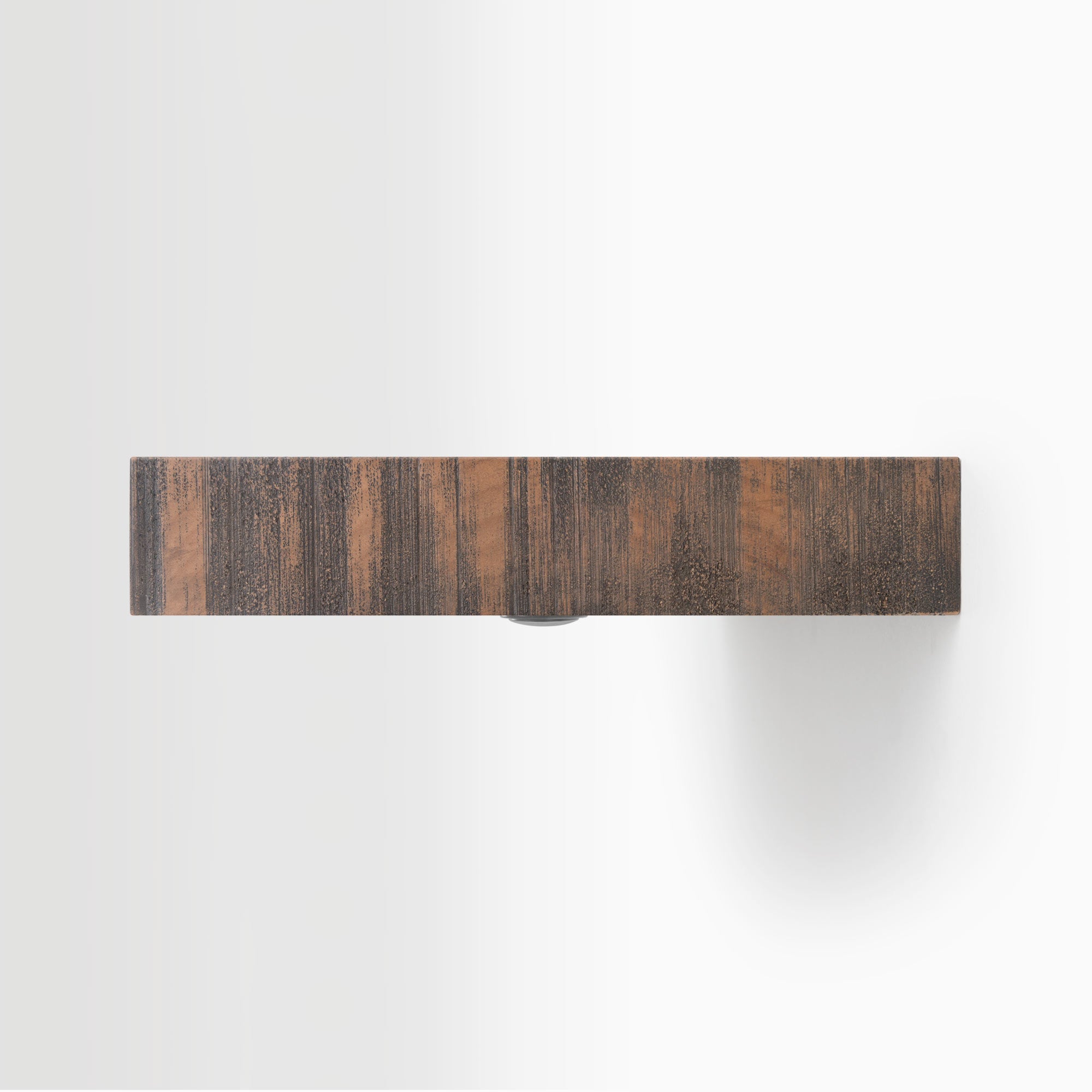
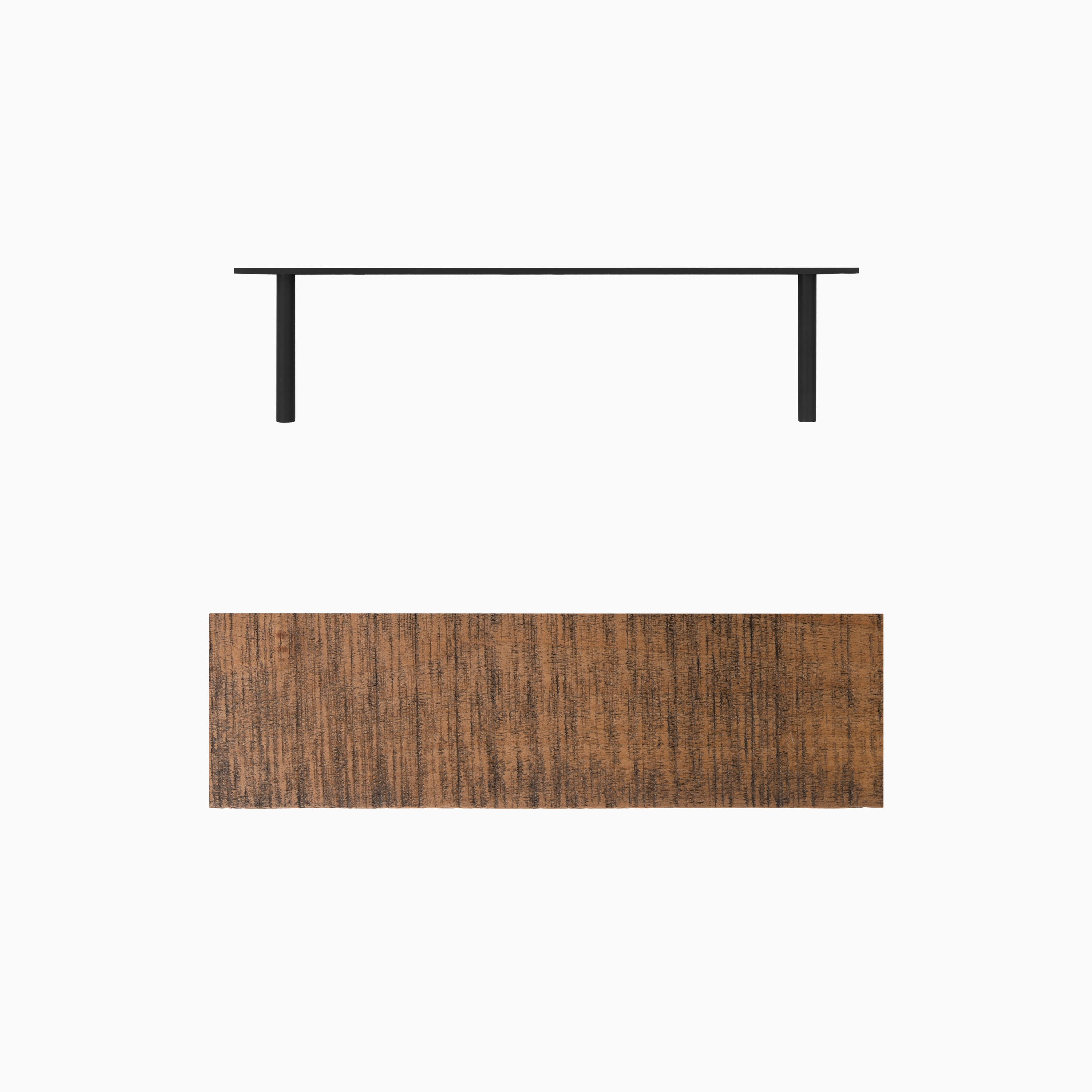
Aksel LED Nutmeg Rustic Floating Shelf
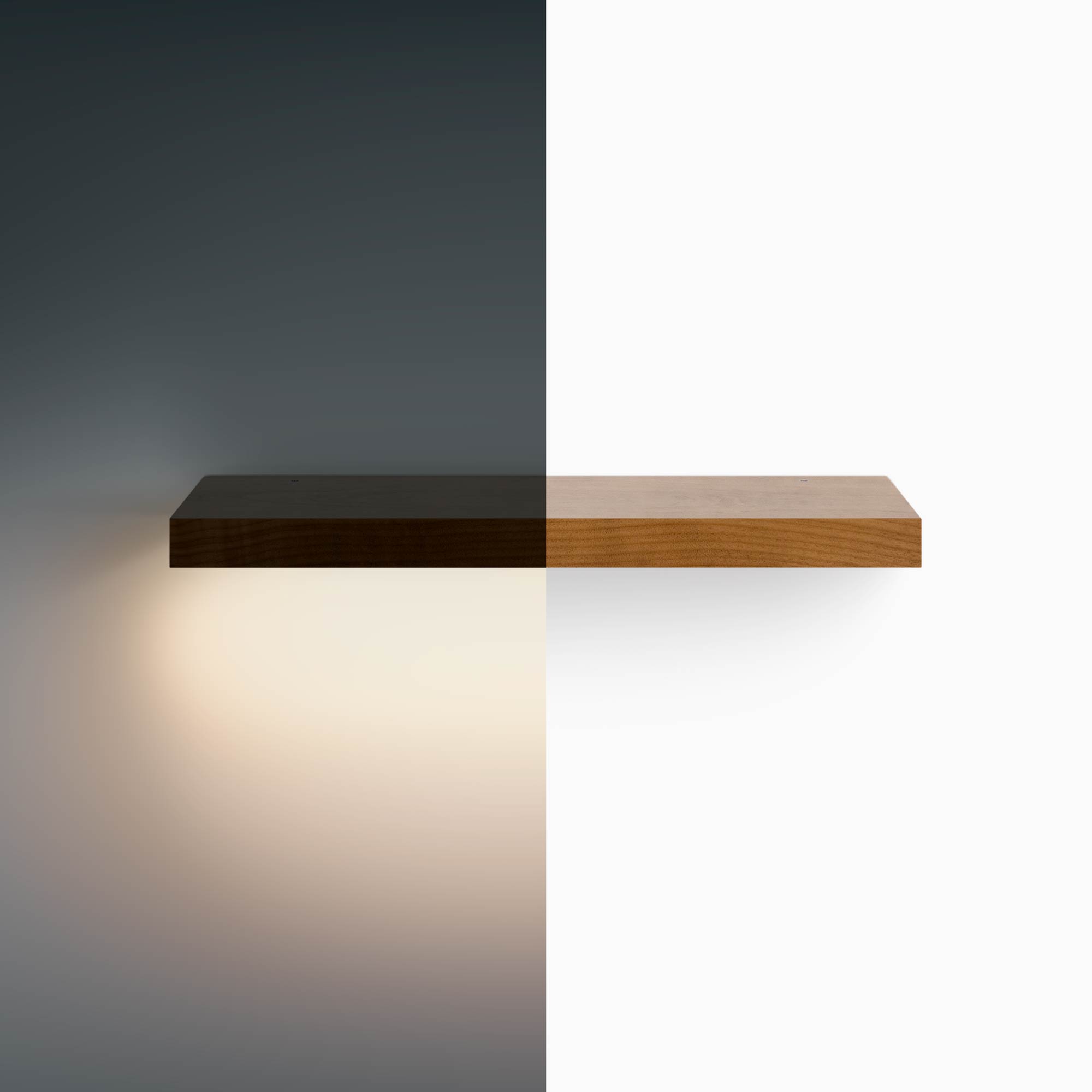
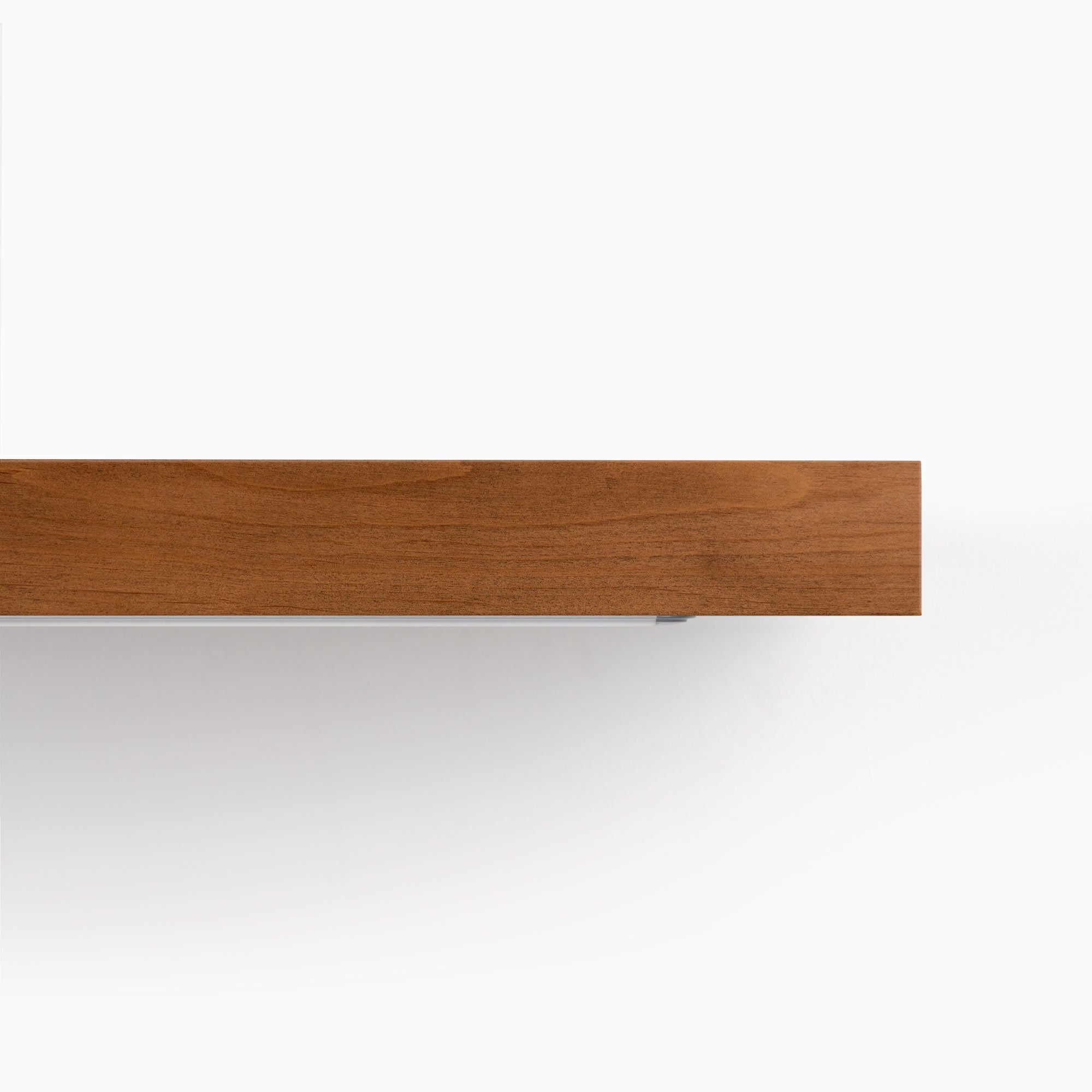
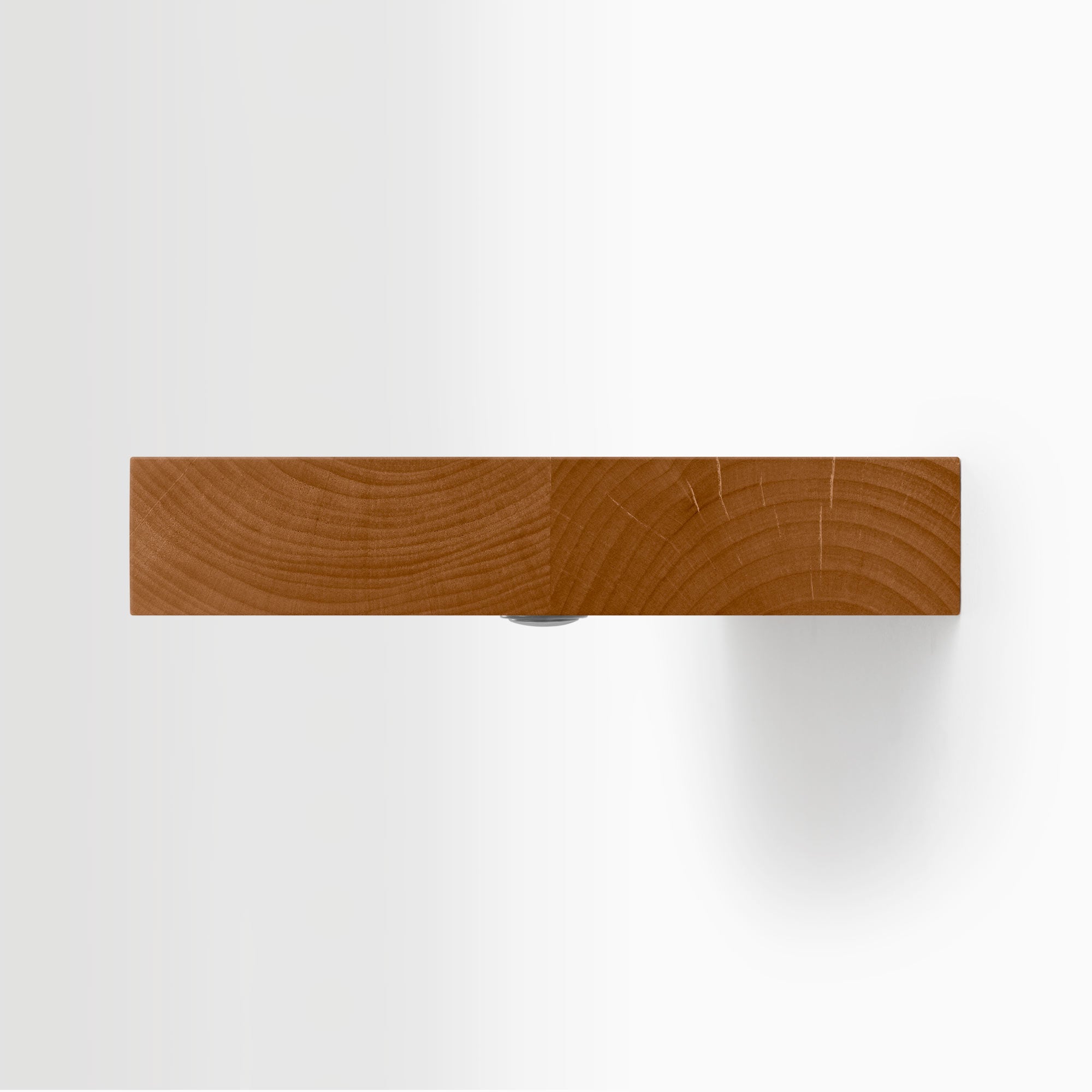
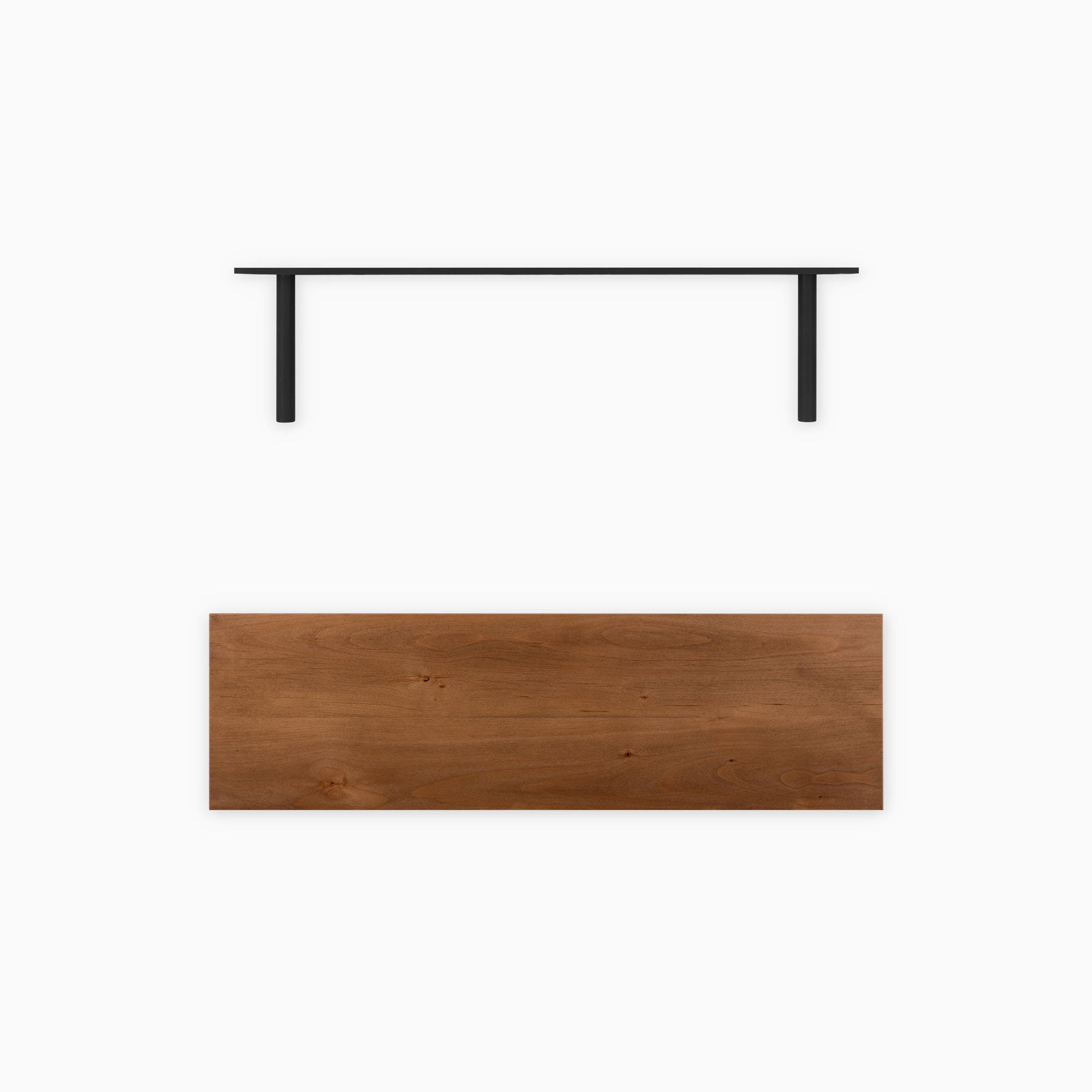
Aksel LED Nutmeg Floating Shelf
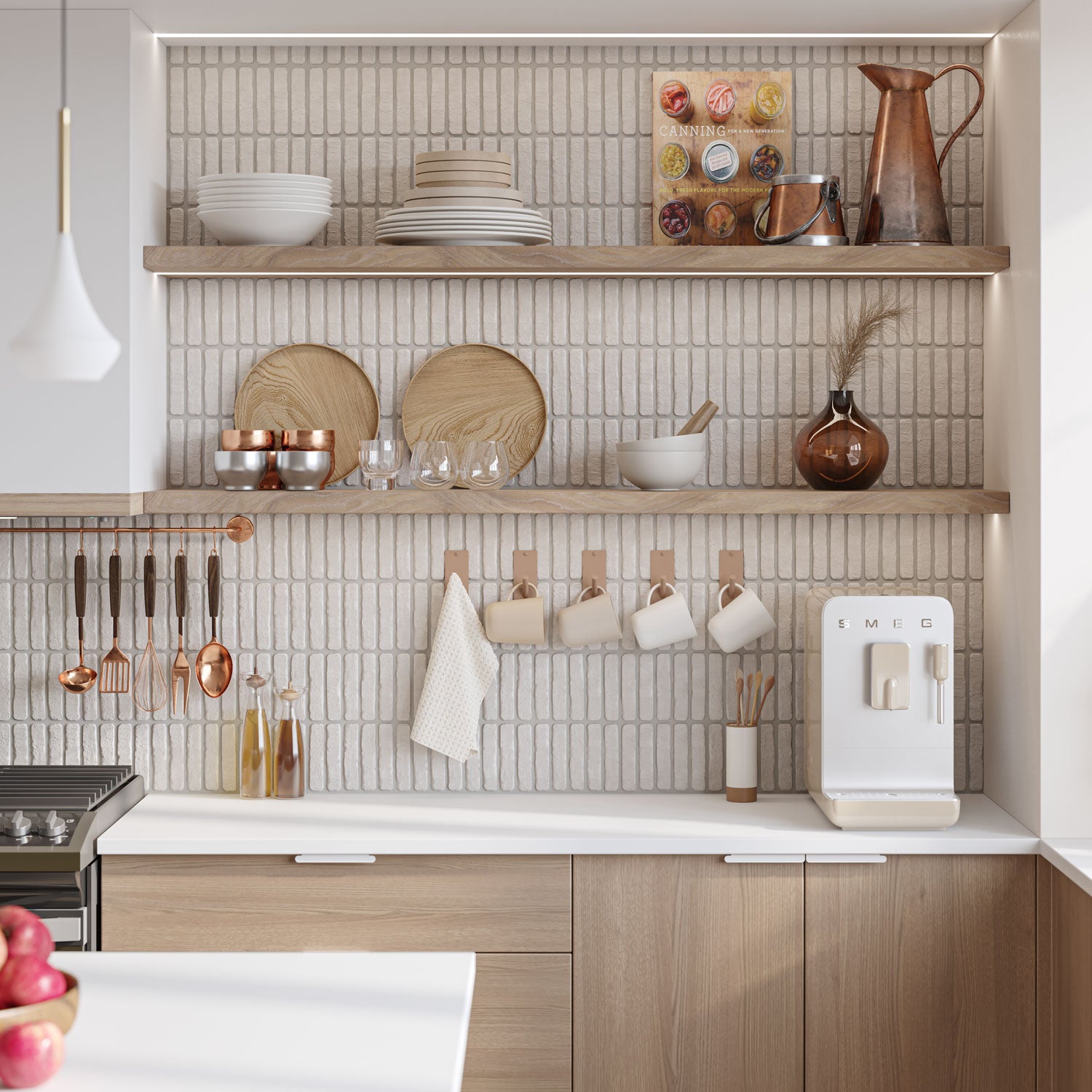
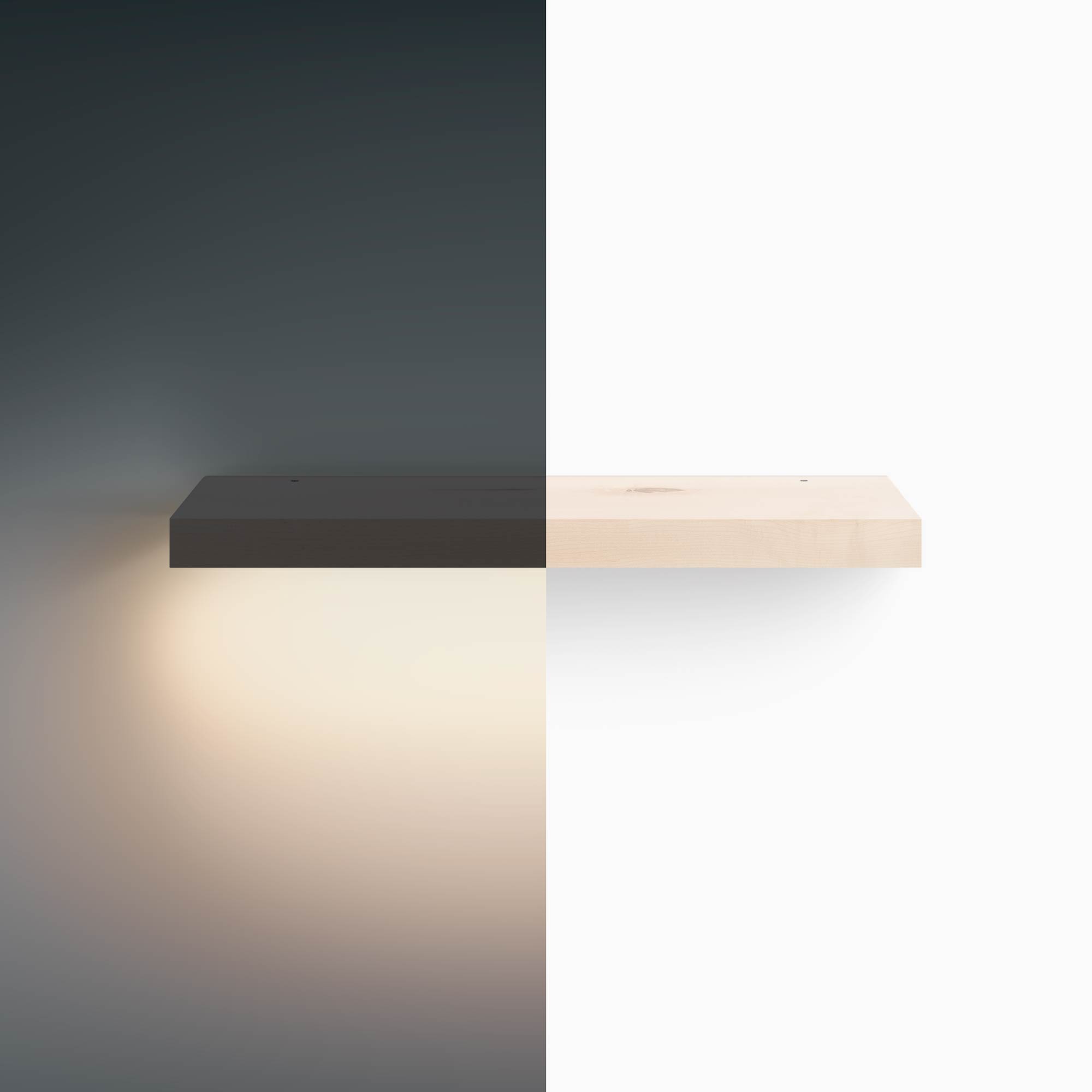
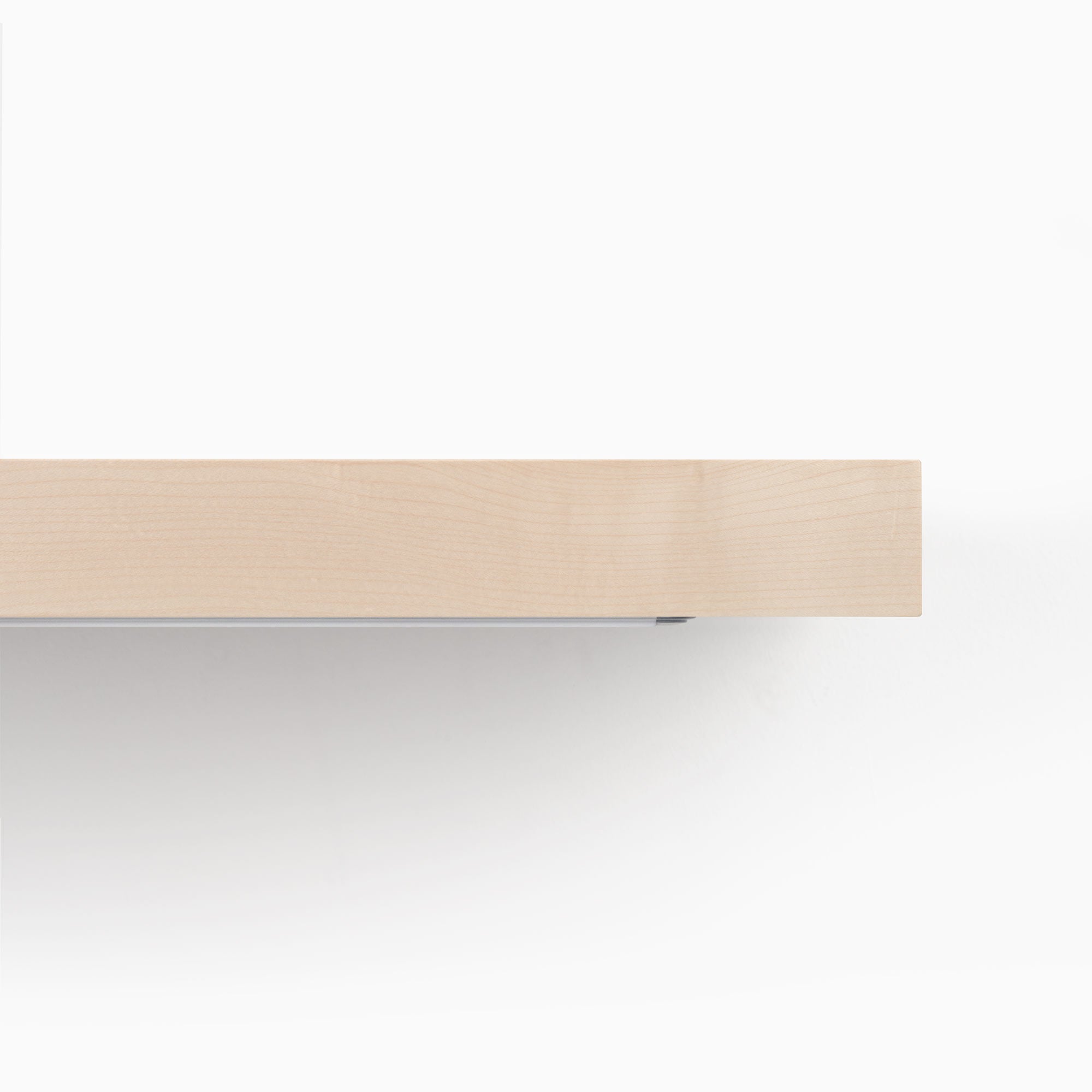
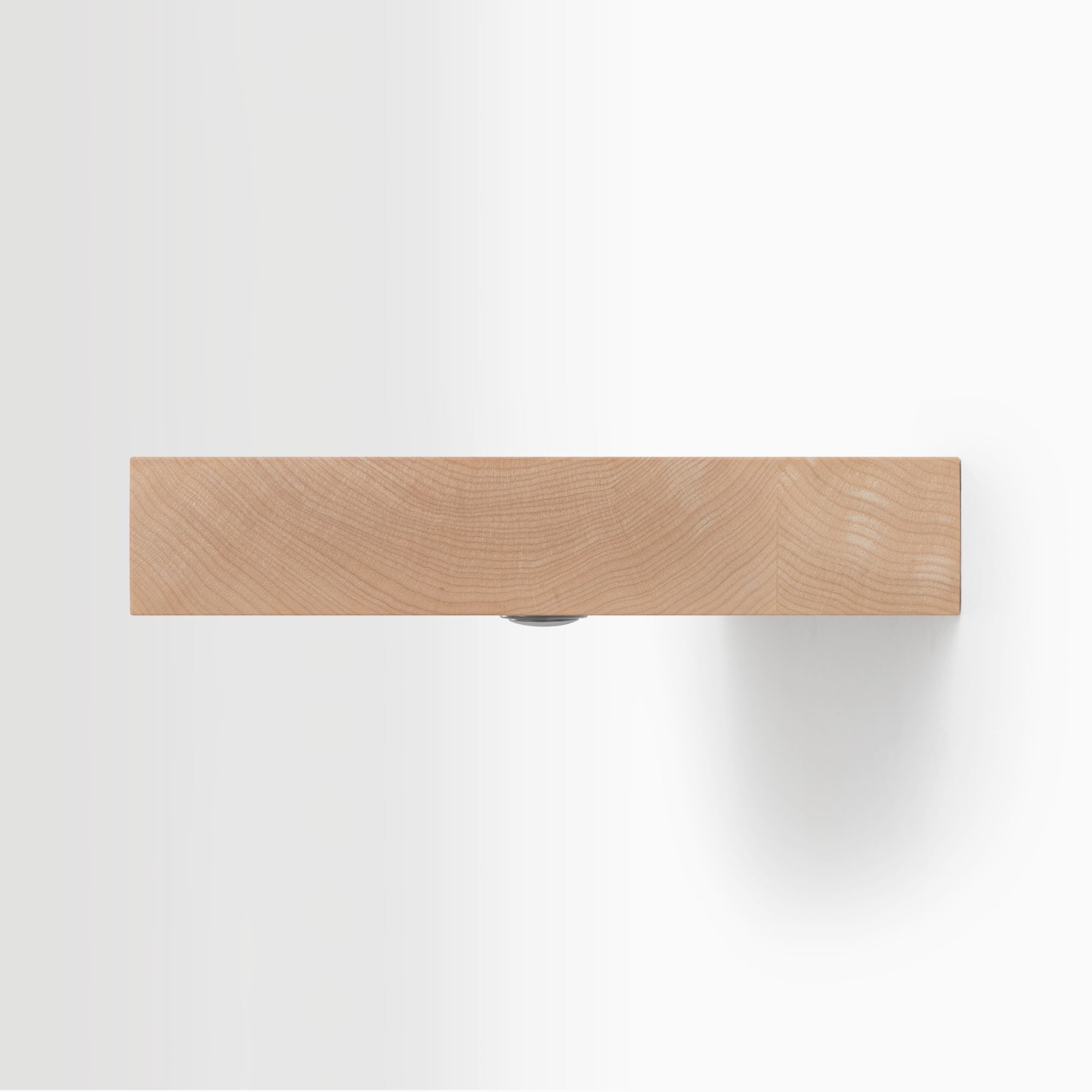
Aksel LED Maple Floating Shelf
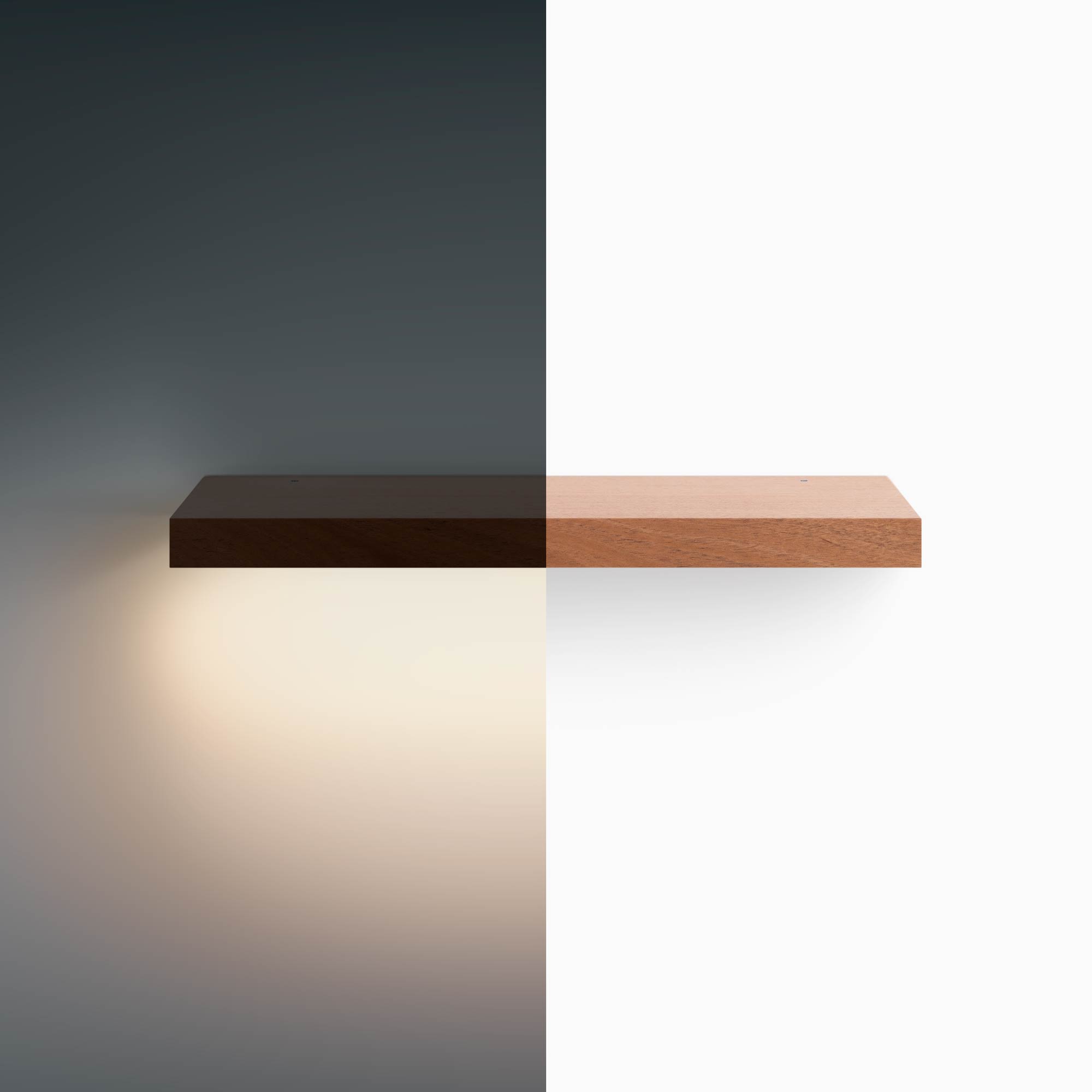
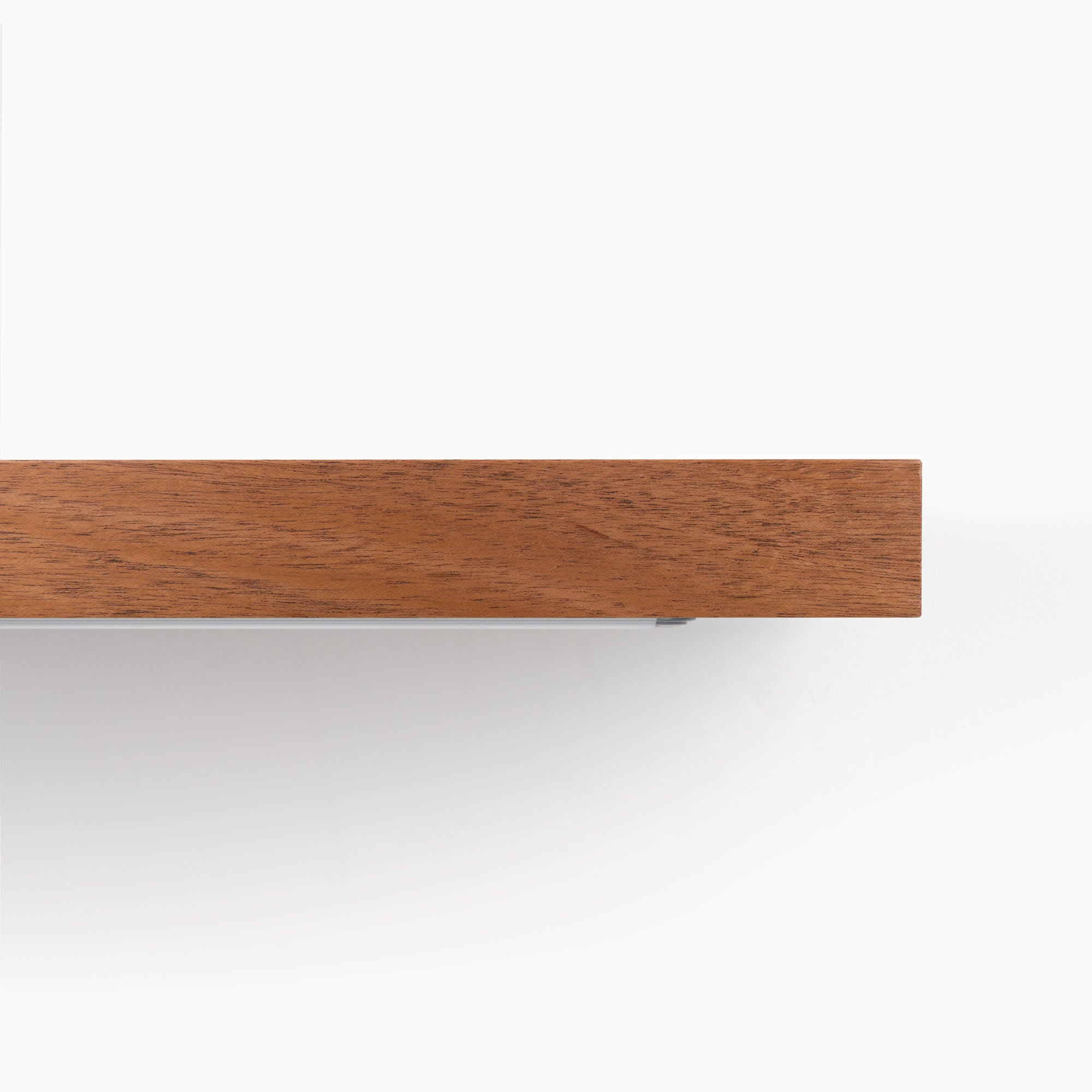
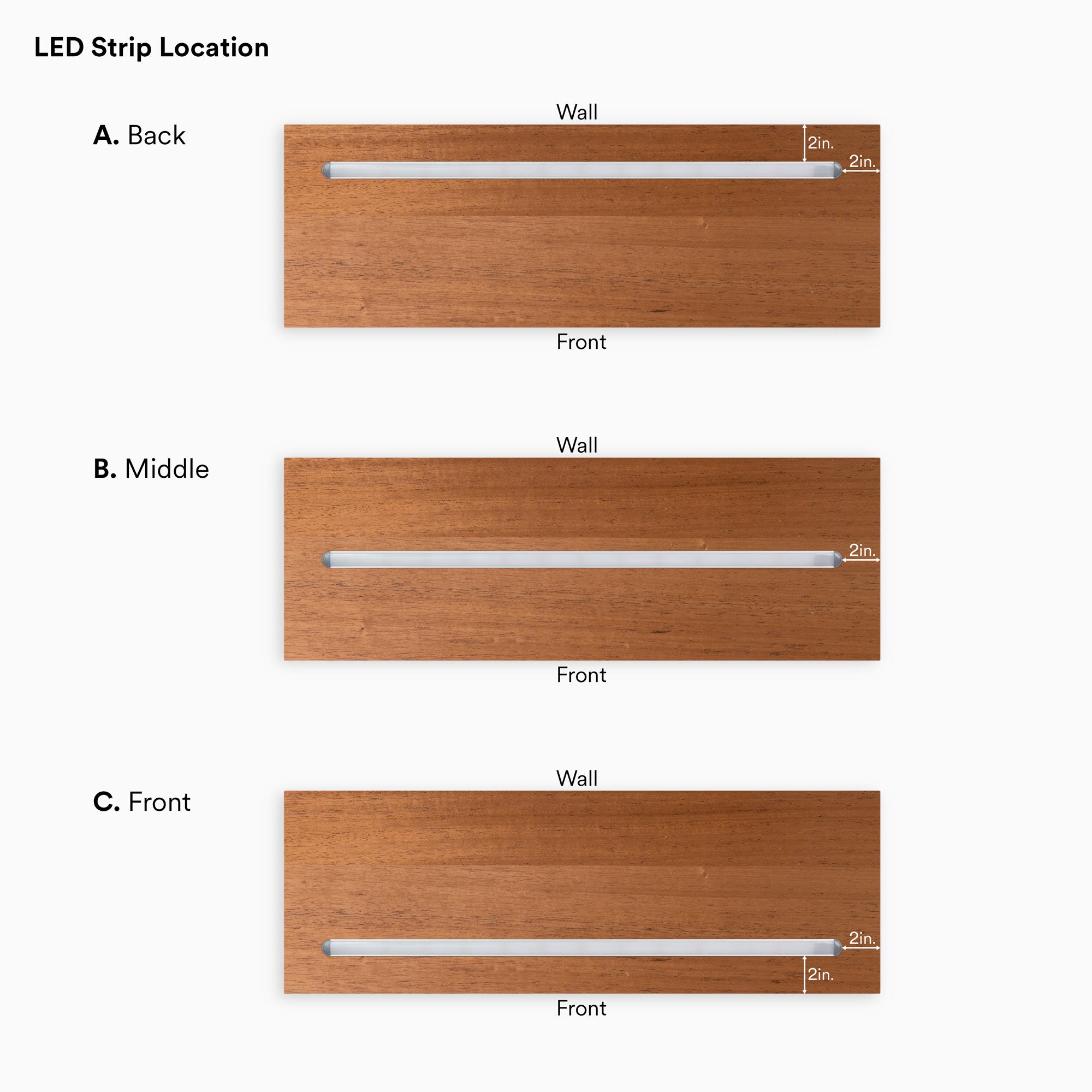
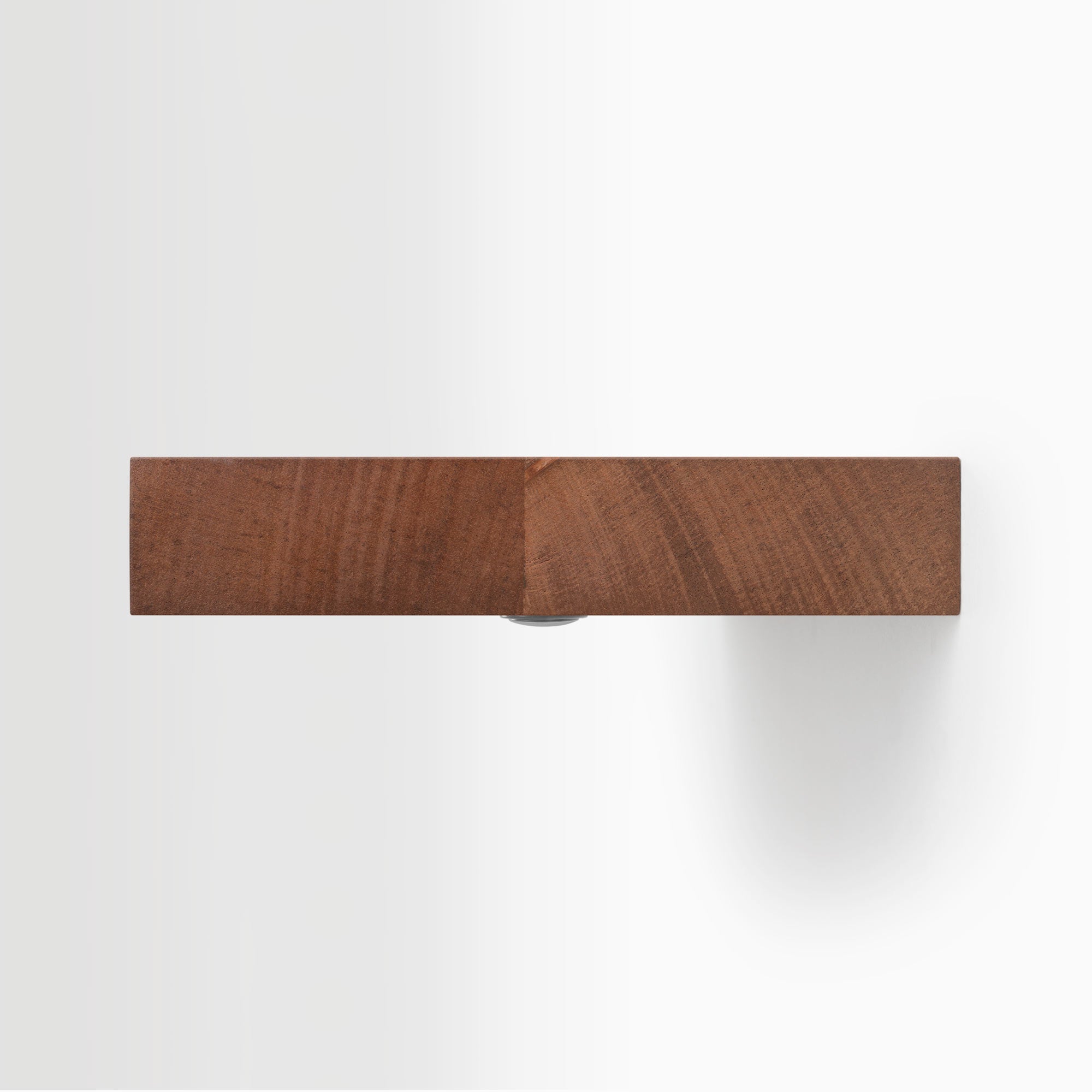
Aksel LED Mahogany Floating Shelf
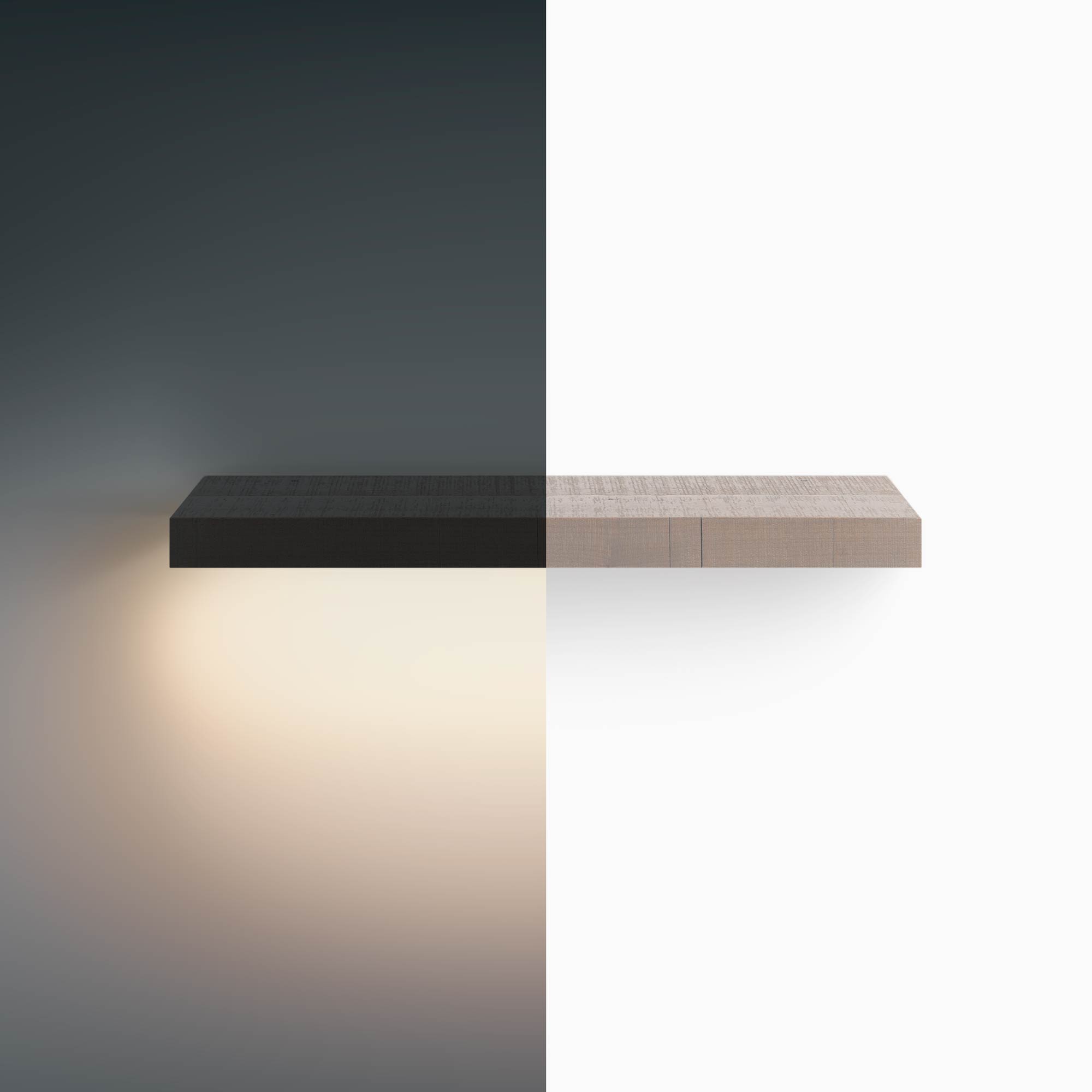
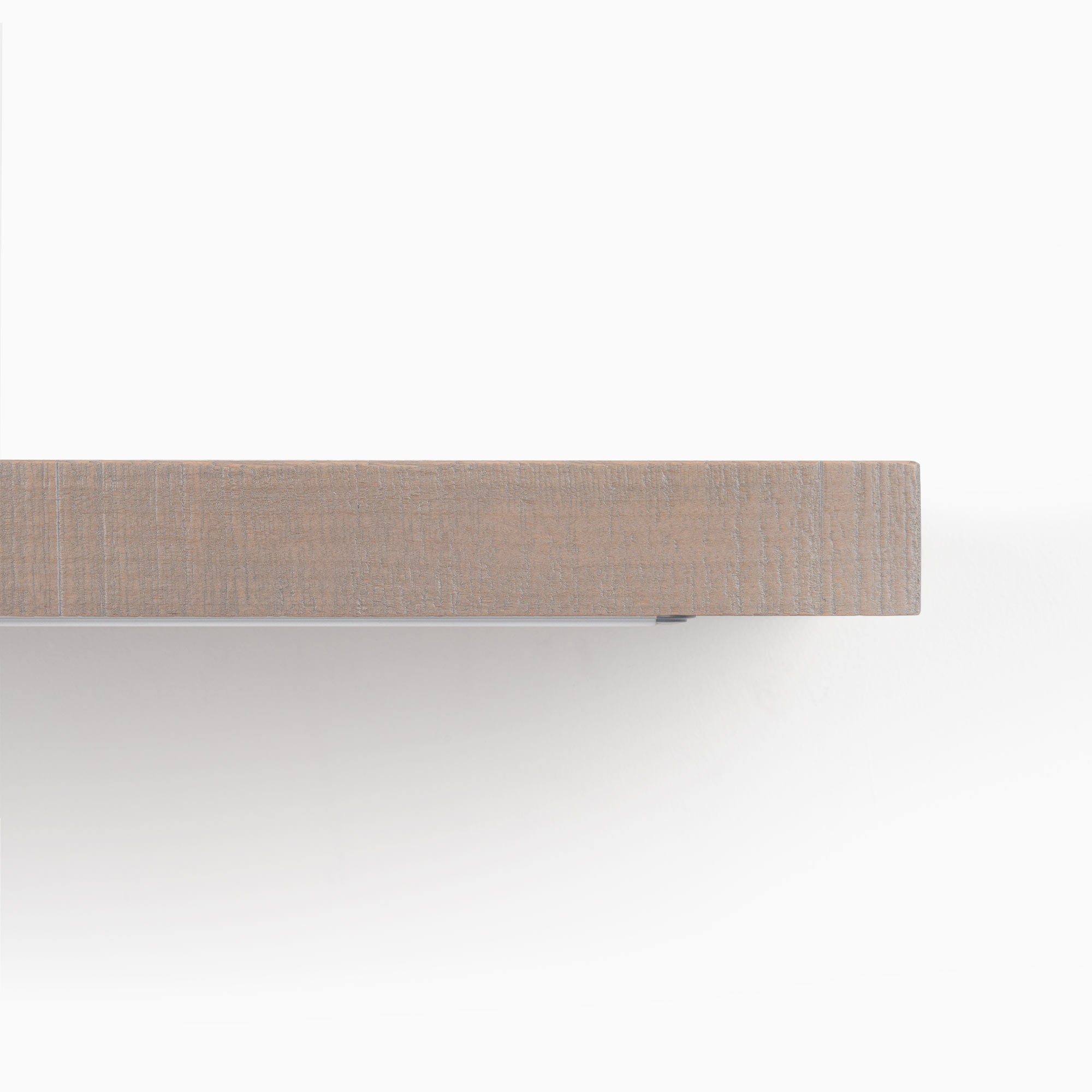
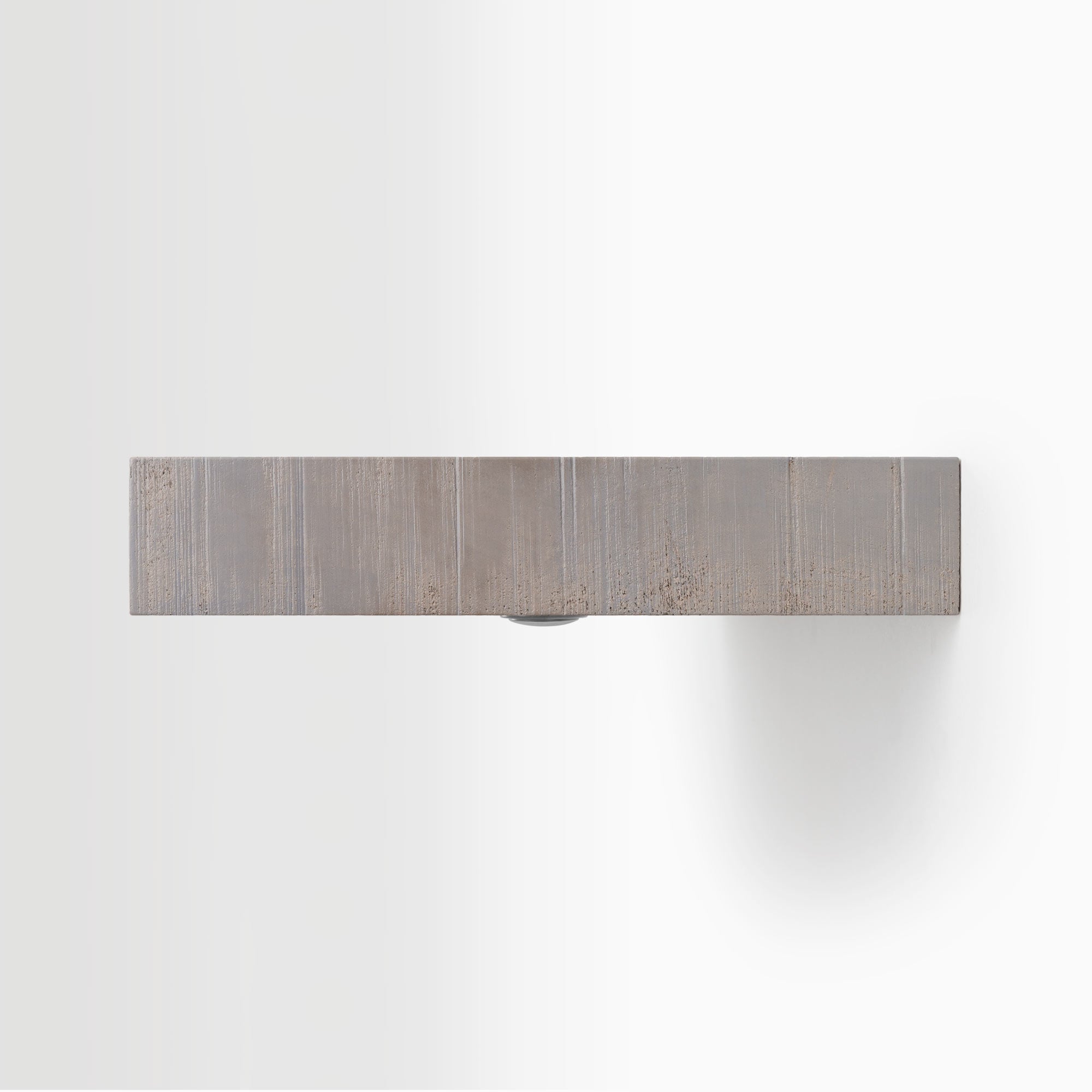
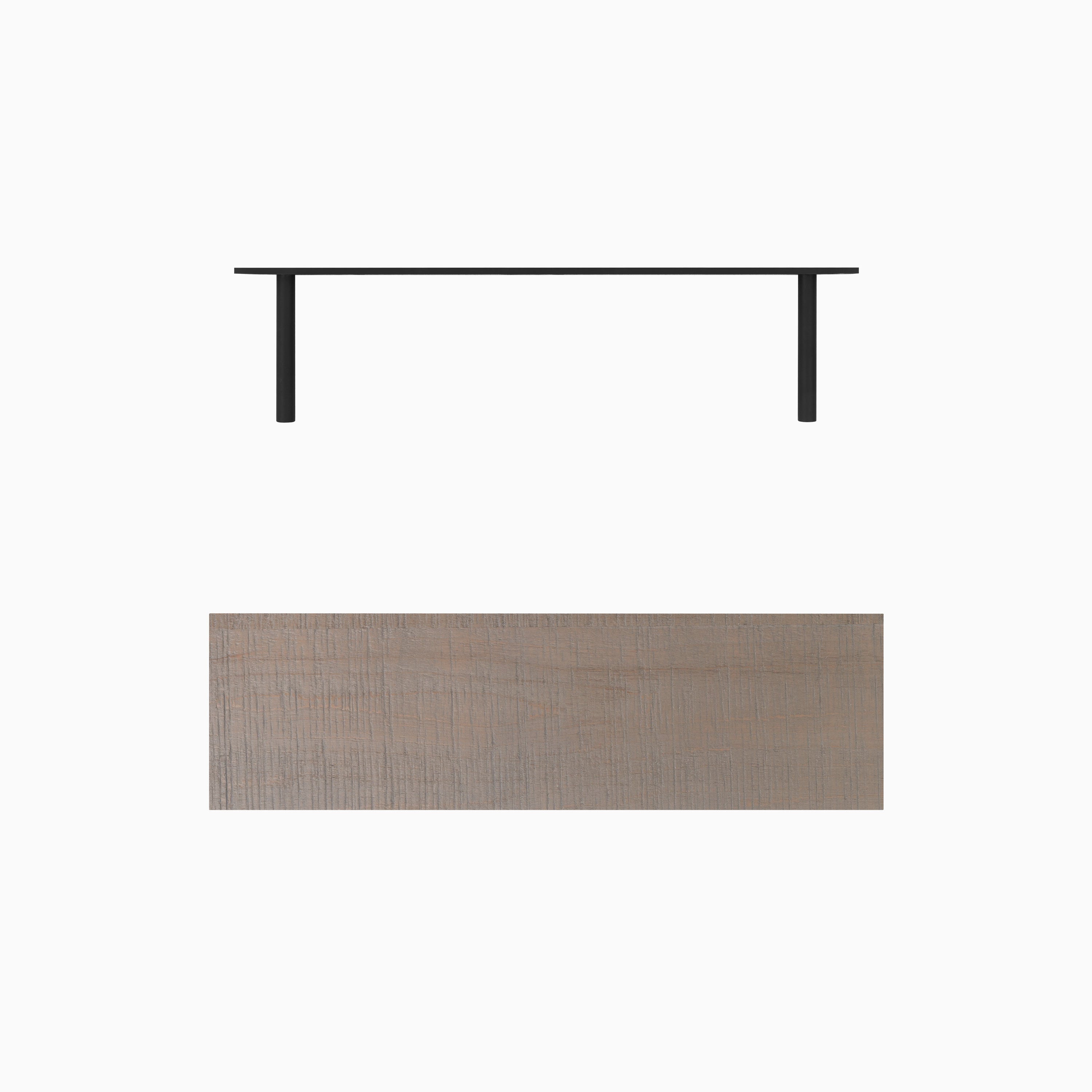
Aksel LED Hatch Grey Rustic Floating Shelf
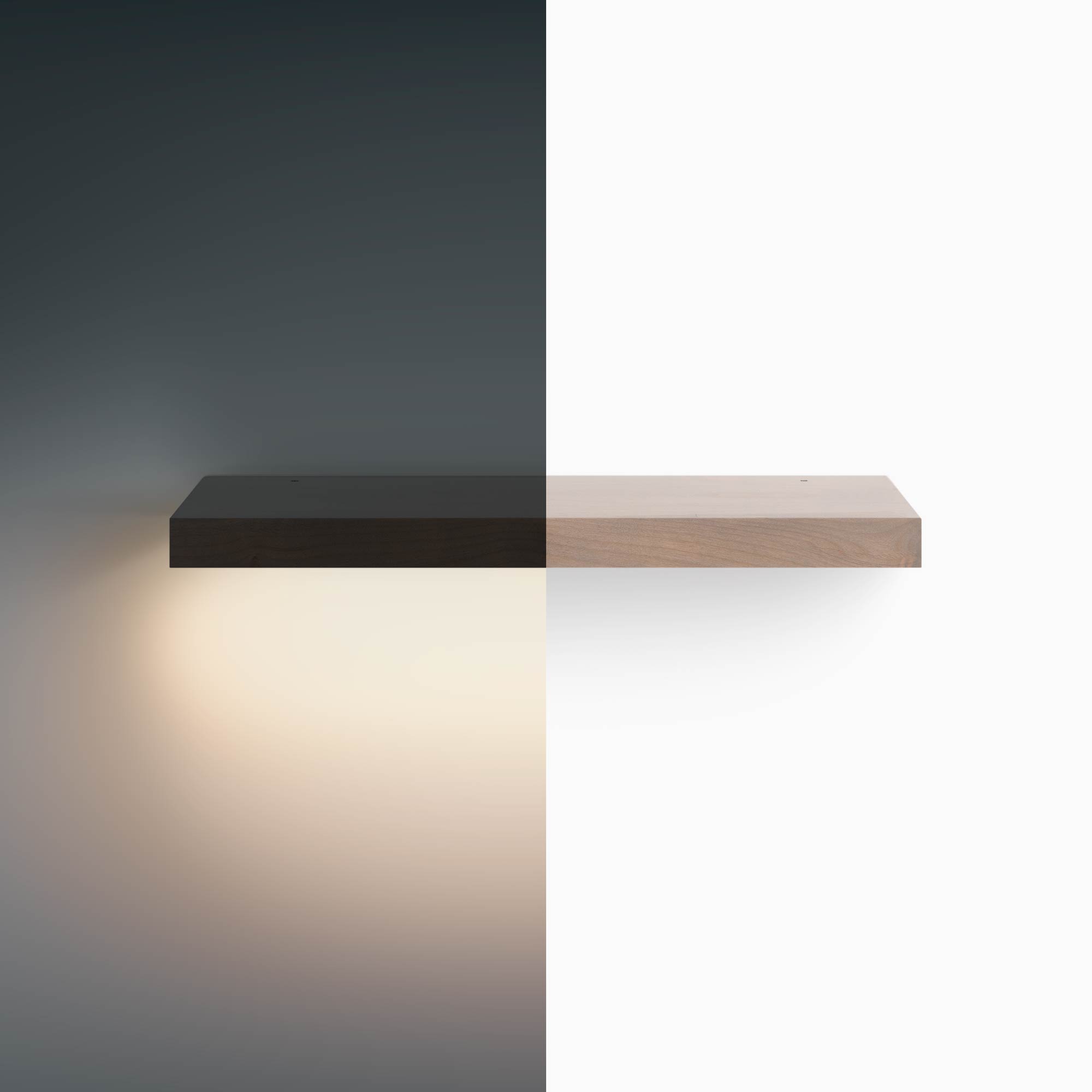
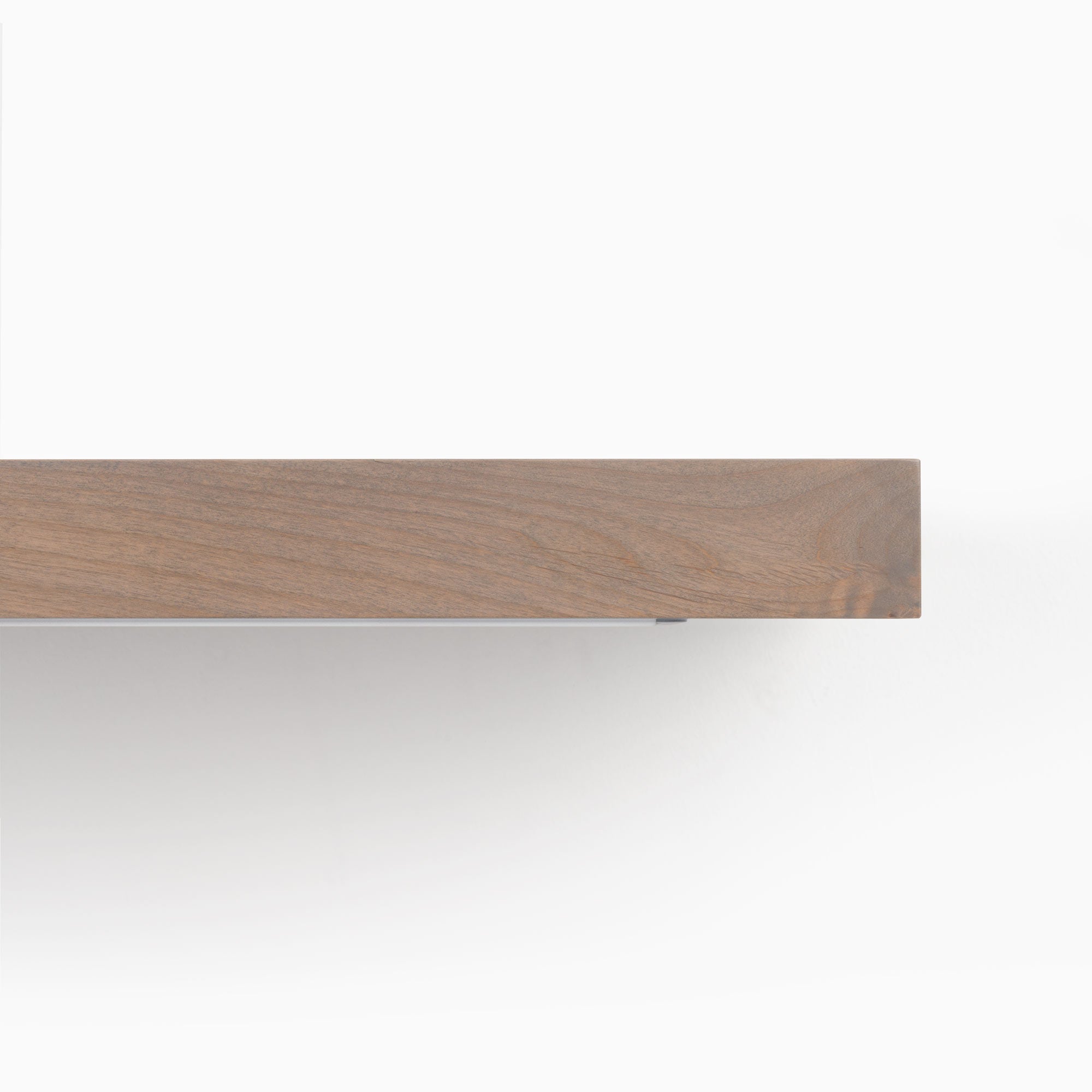
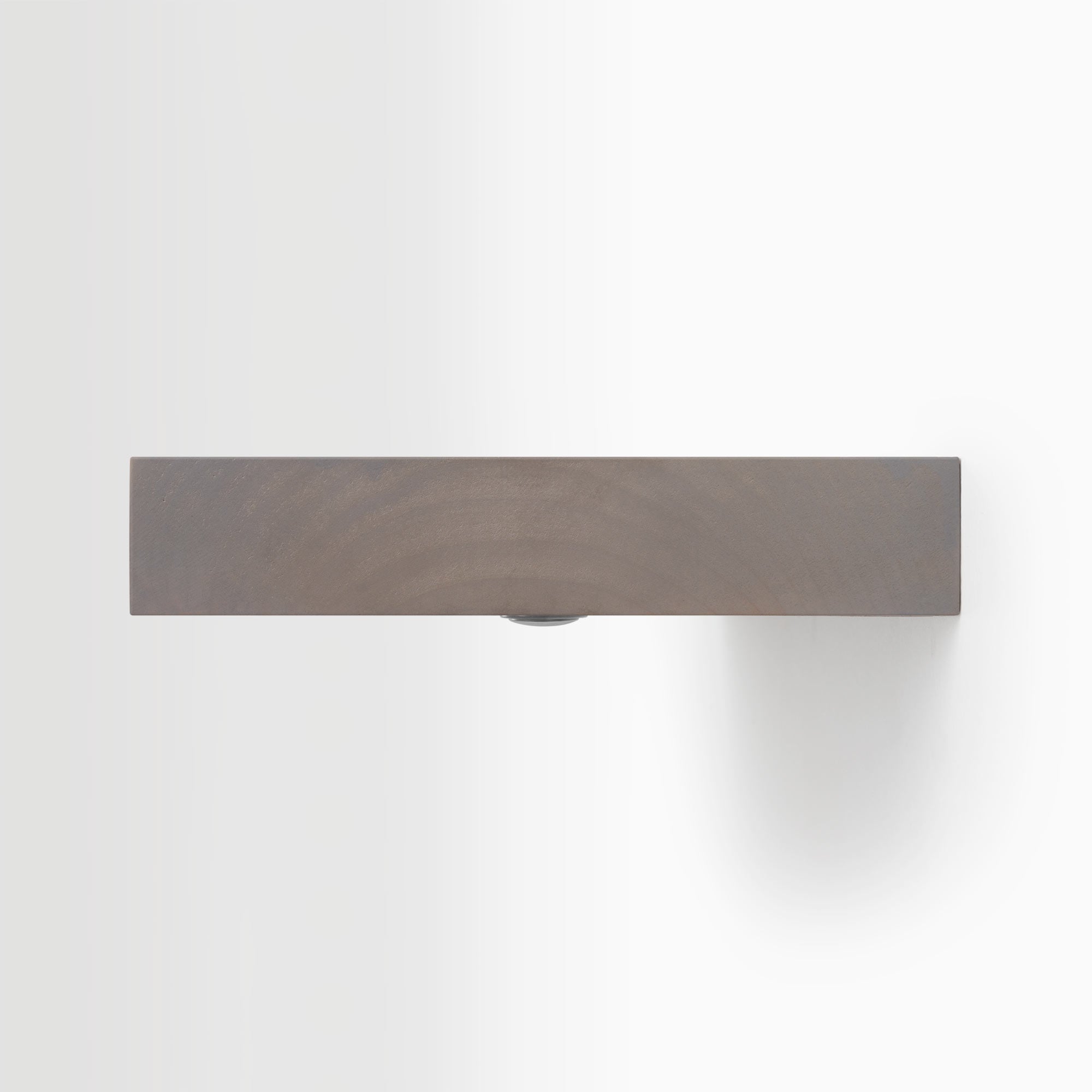
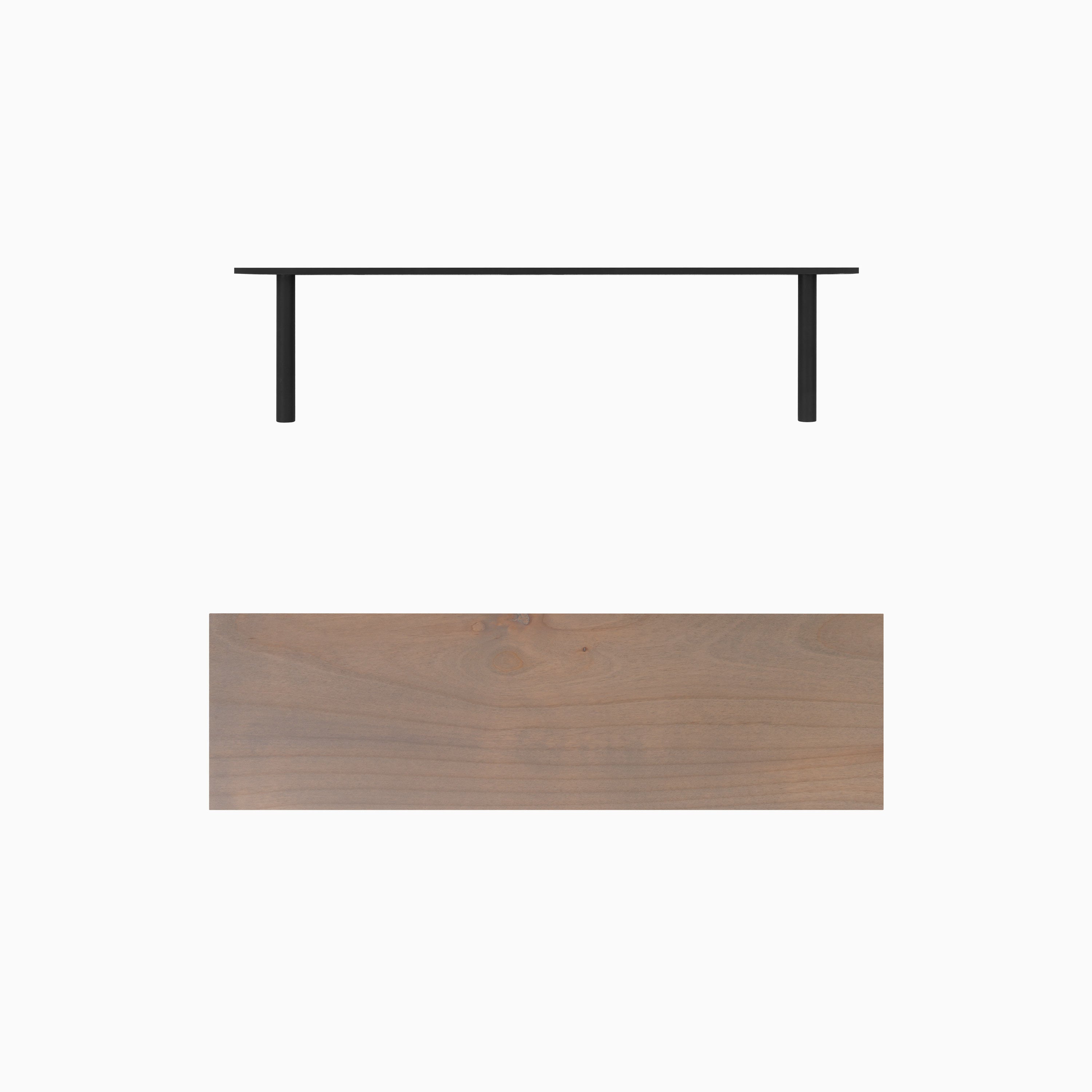
Aksel LED Hatch Grey Floating Shelf
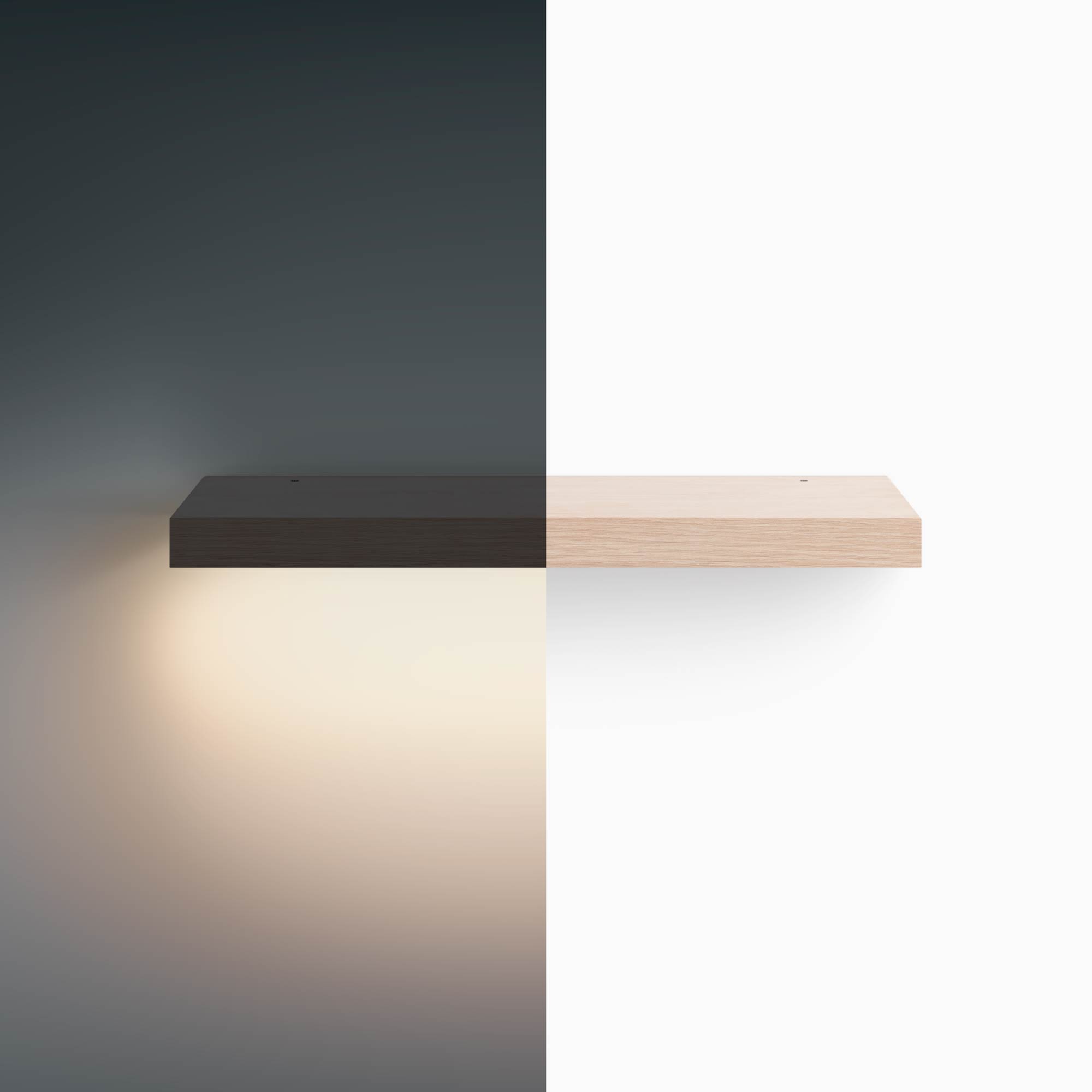
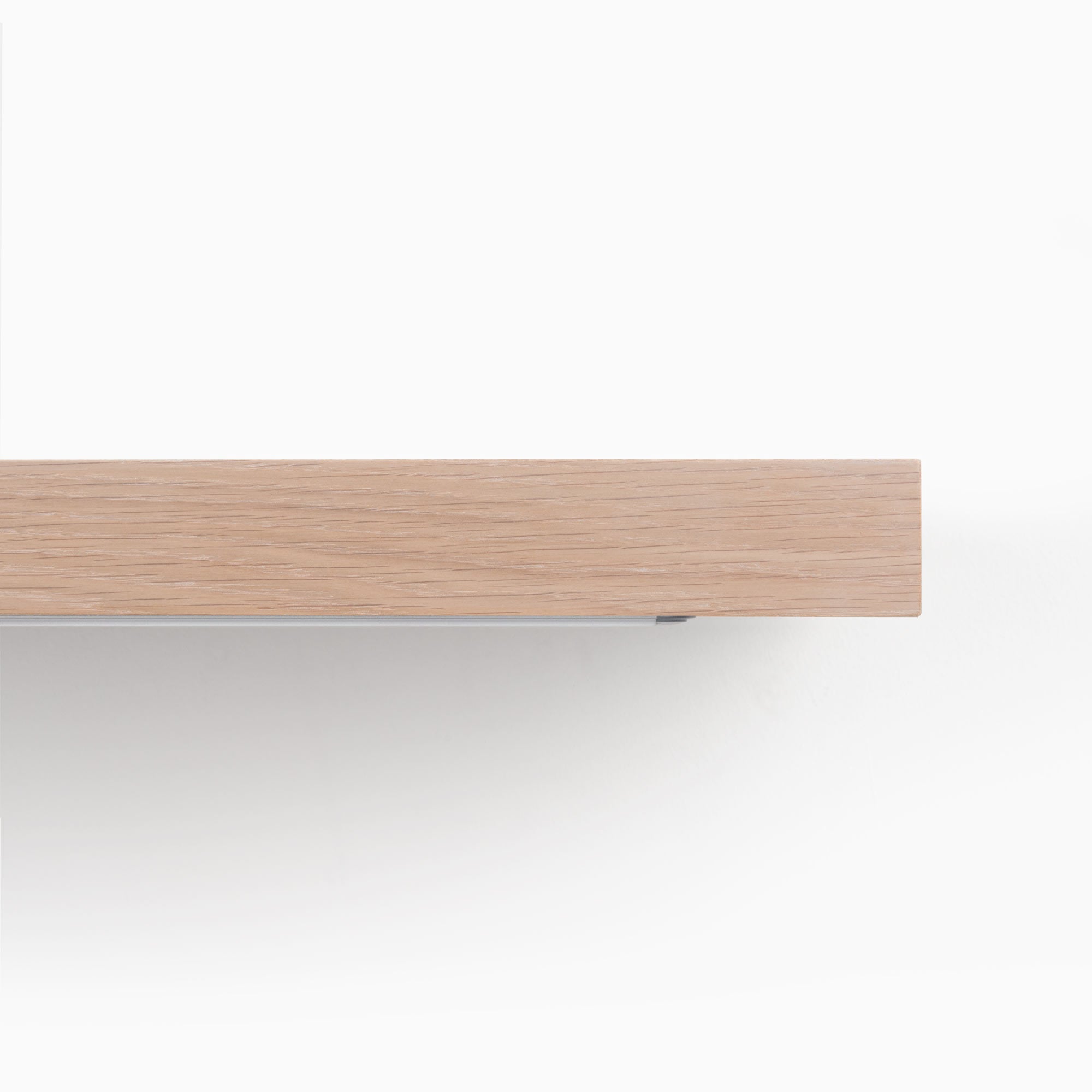
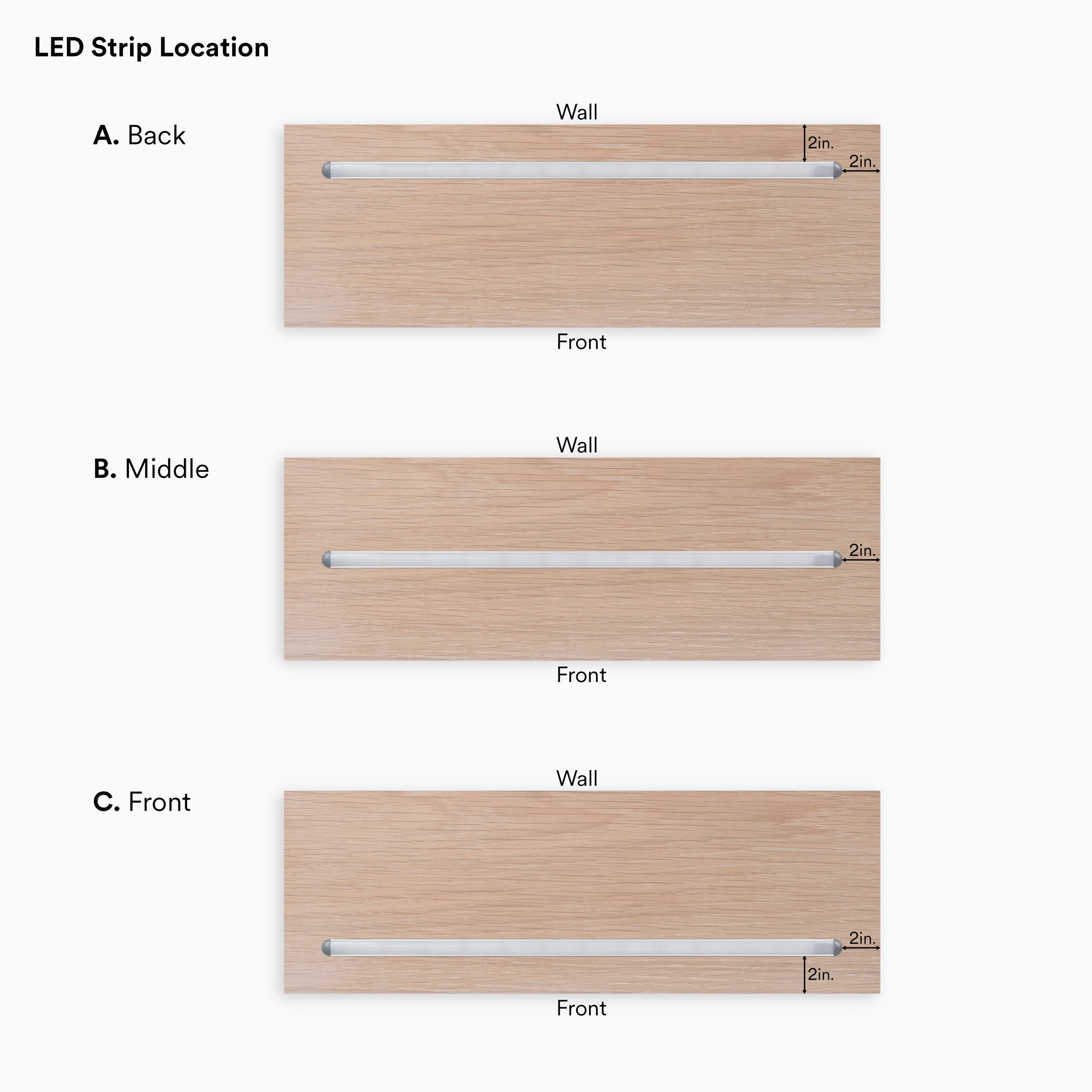
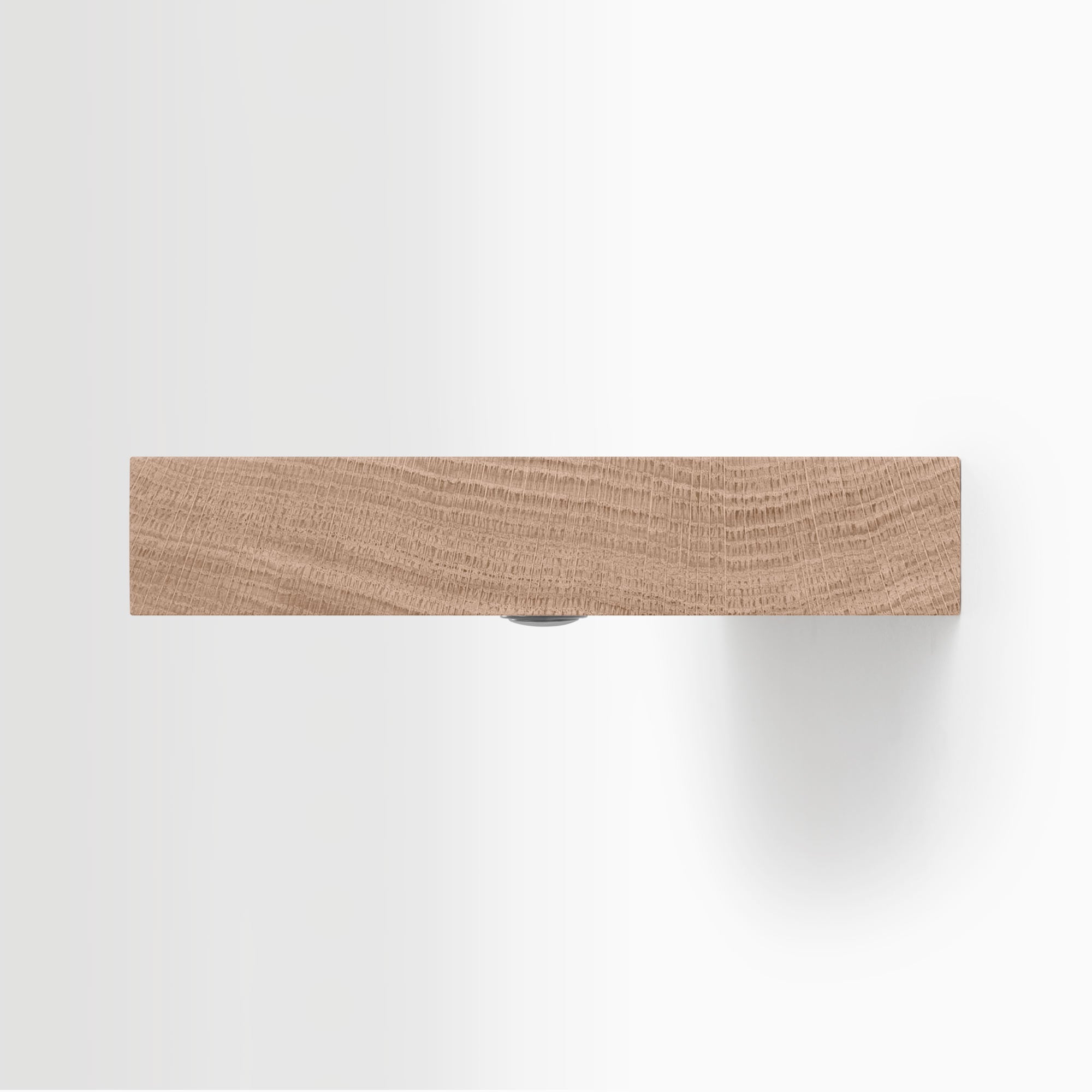
Aksel LED Glazed White Oak Floating Shelf
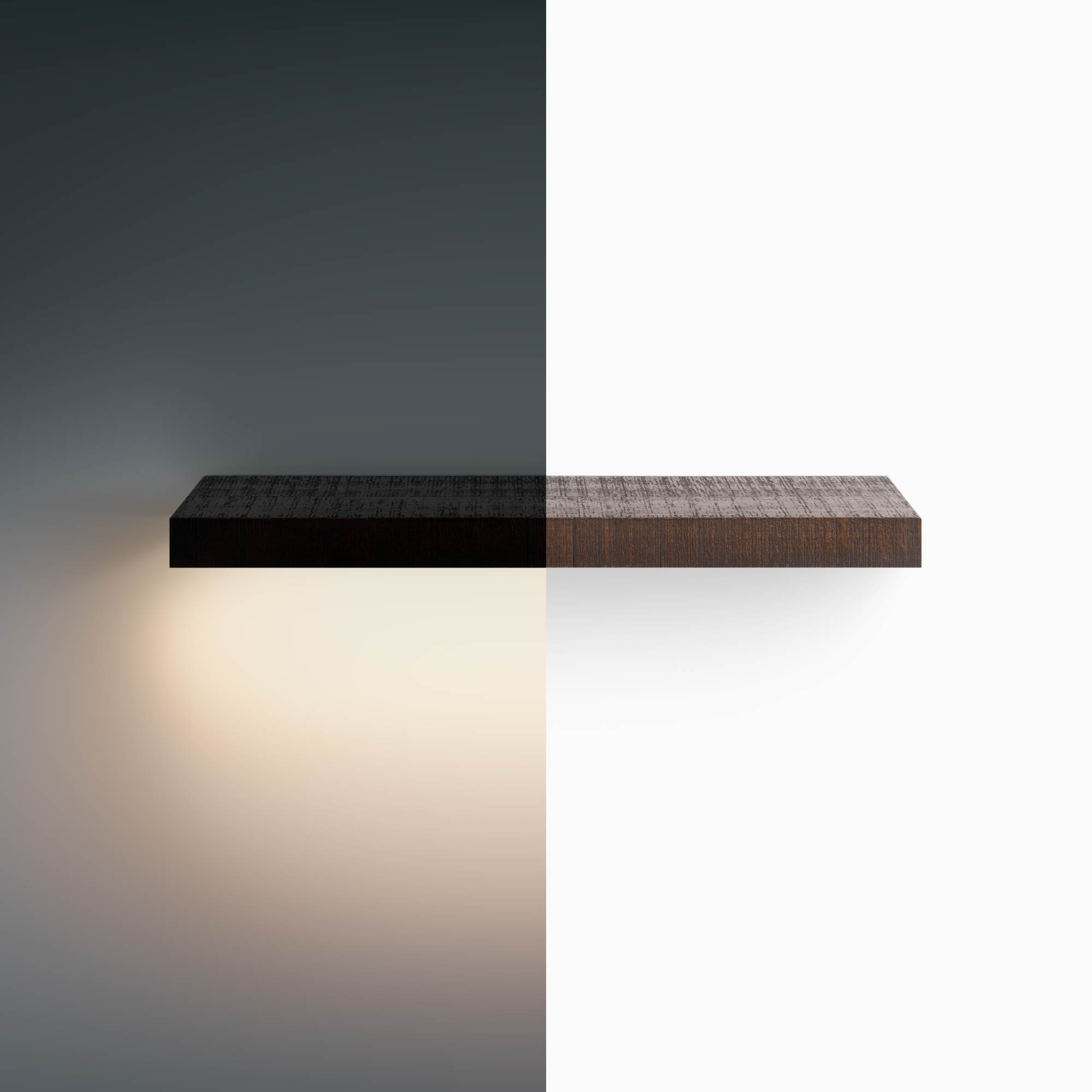
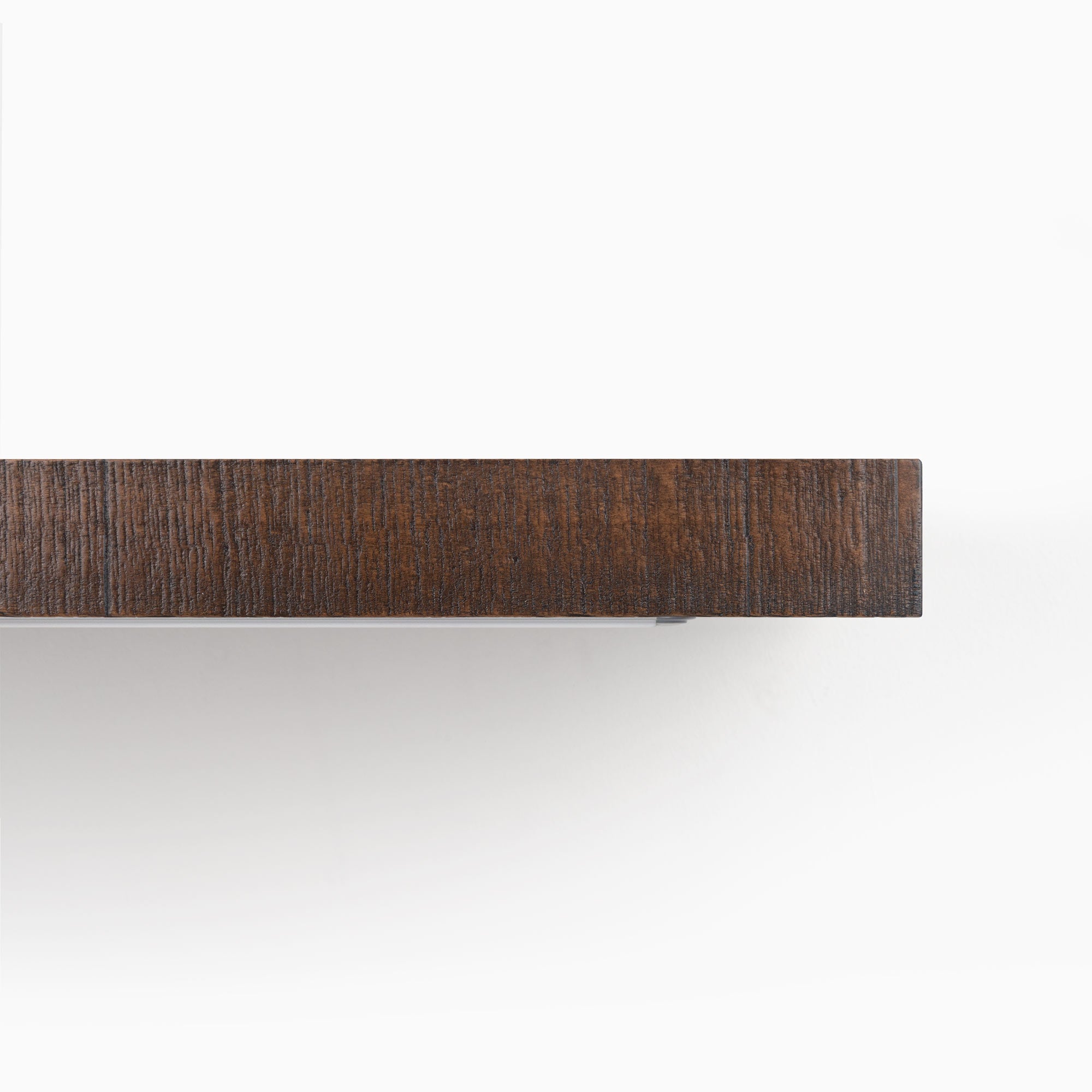
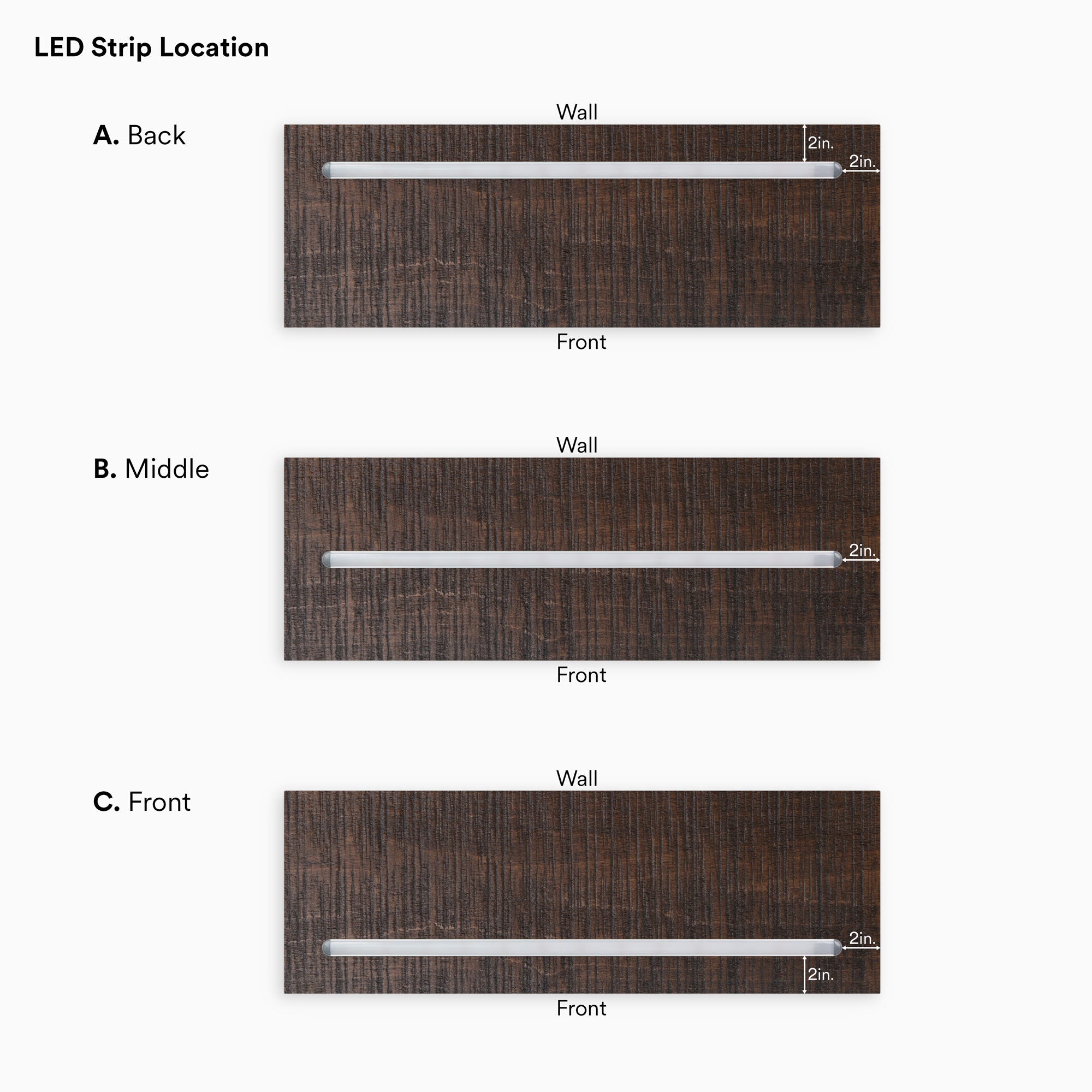
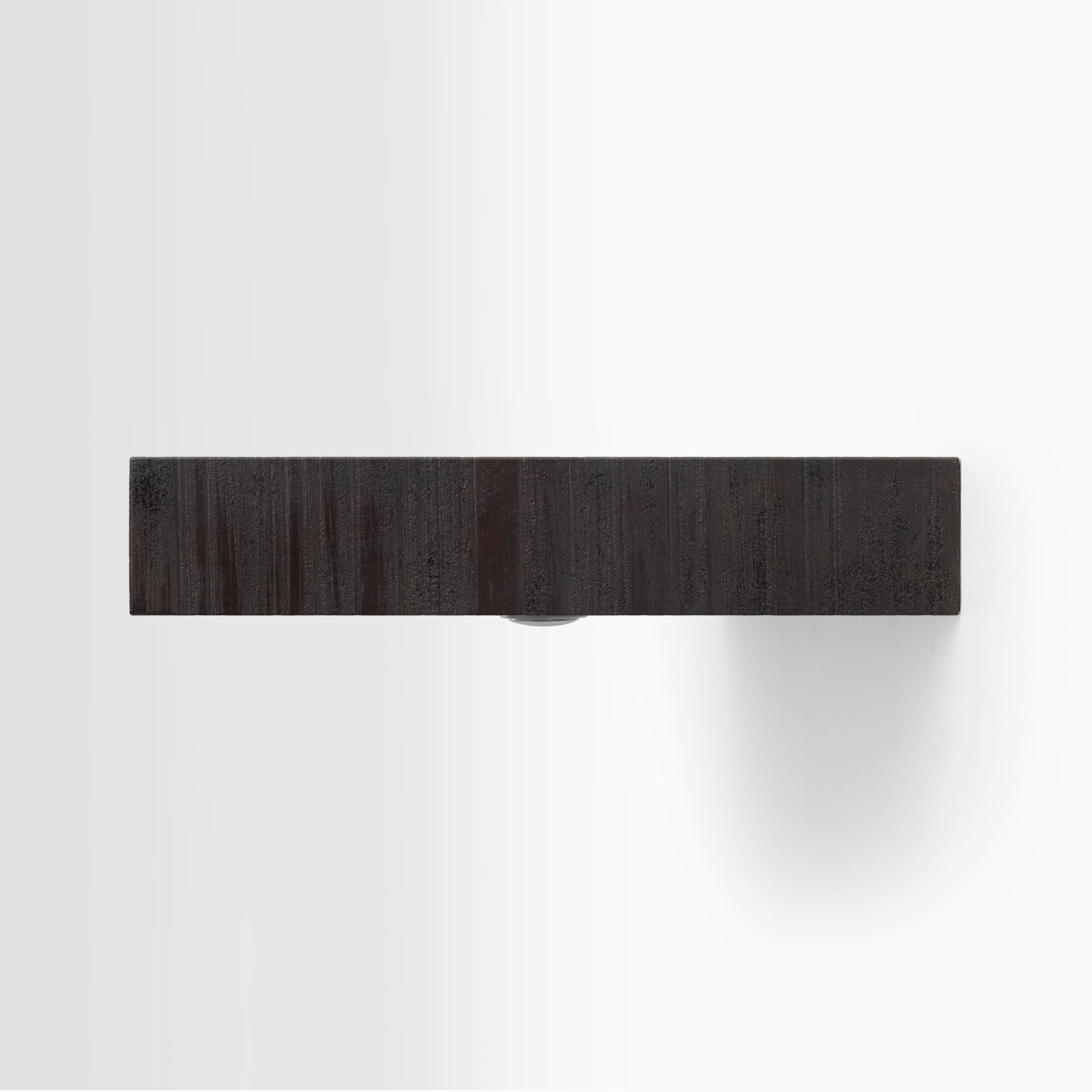
Aksel LED Espresso Rustic Floating Shelf
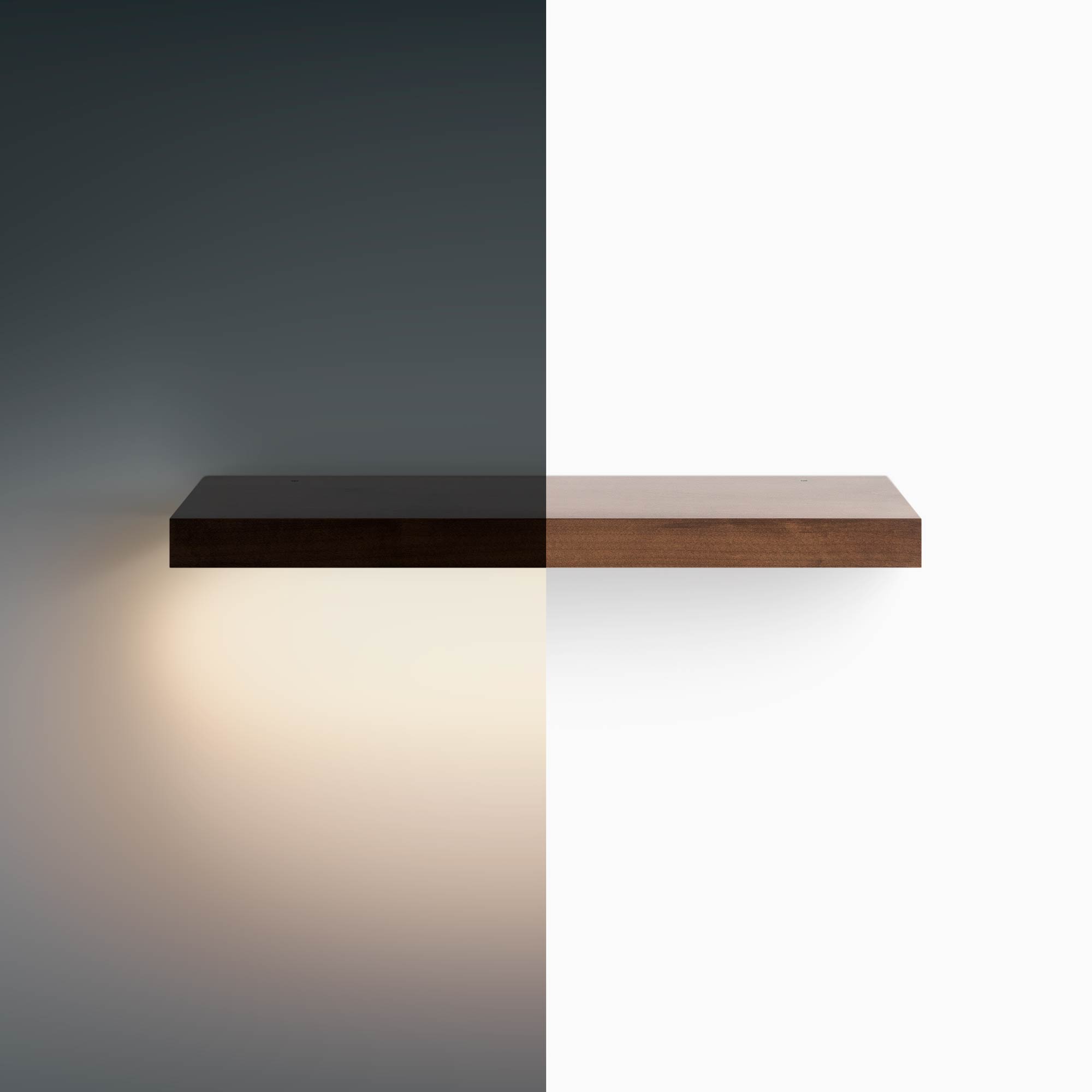
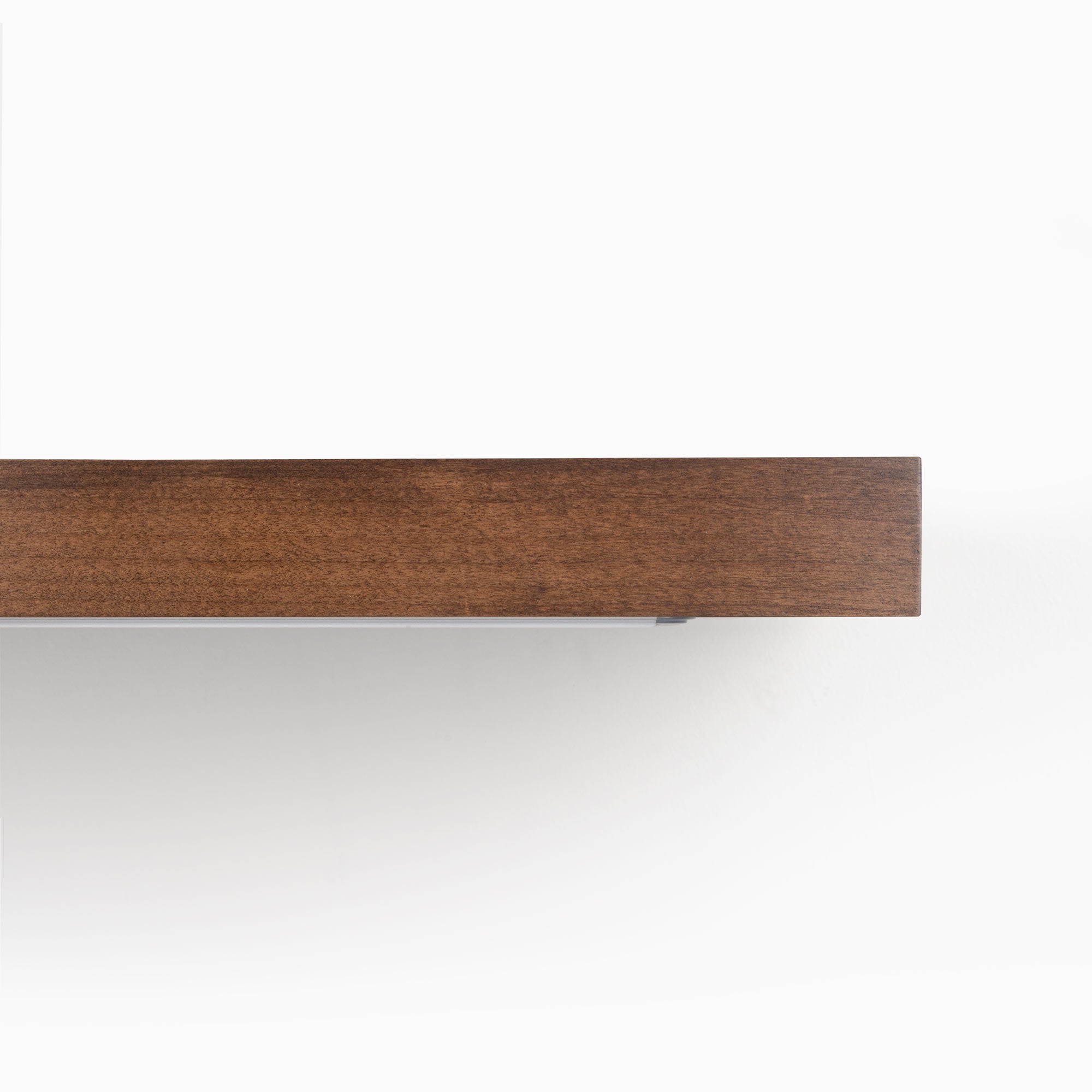
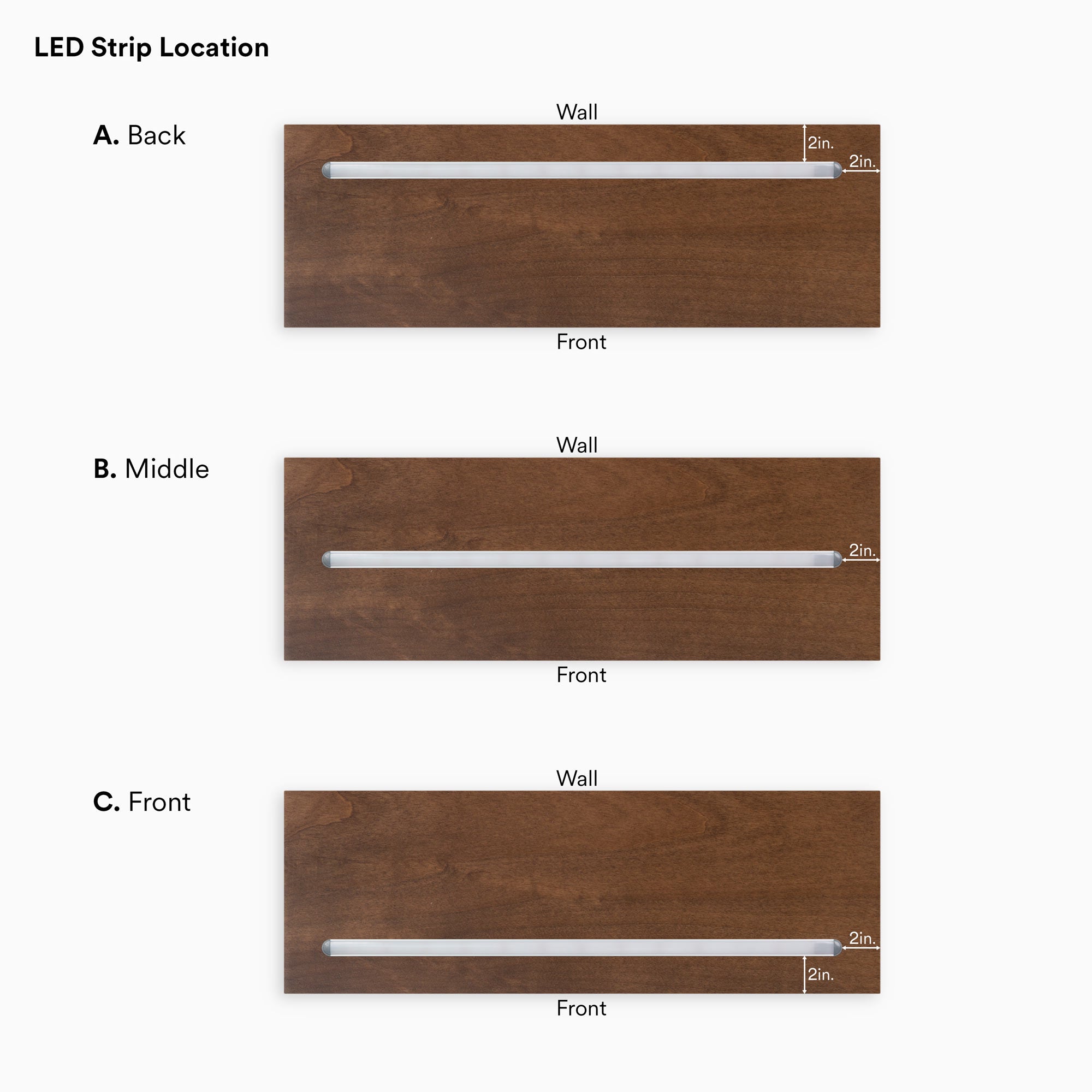
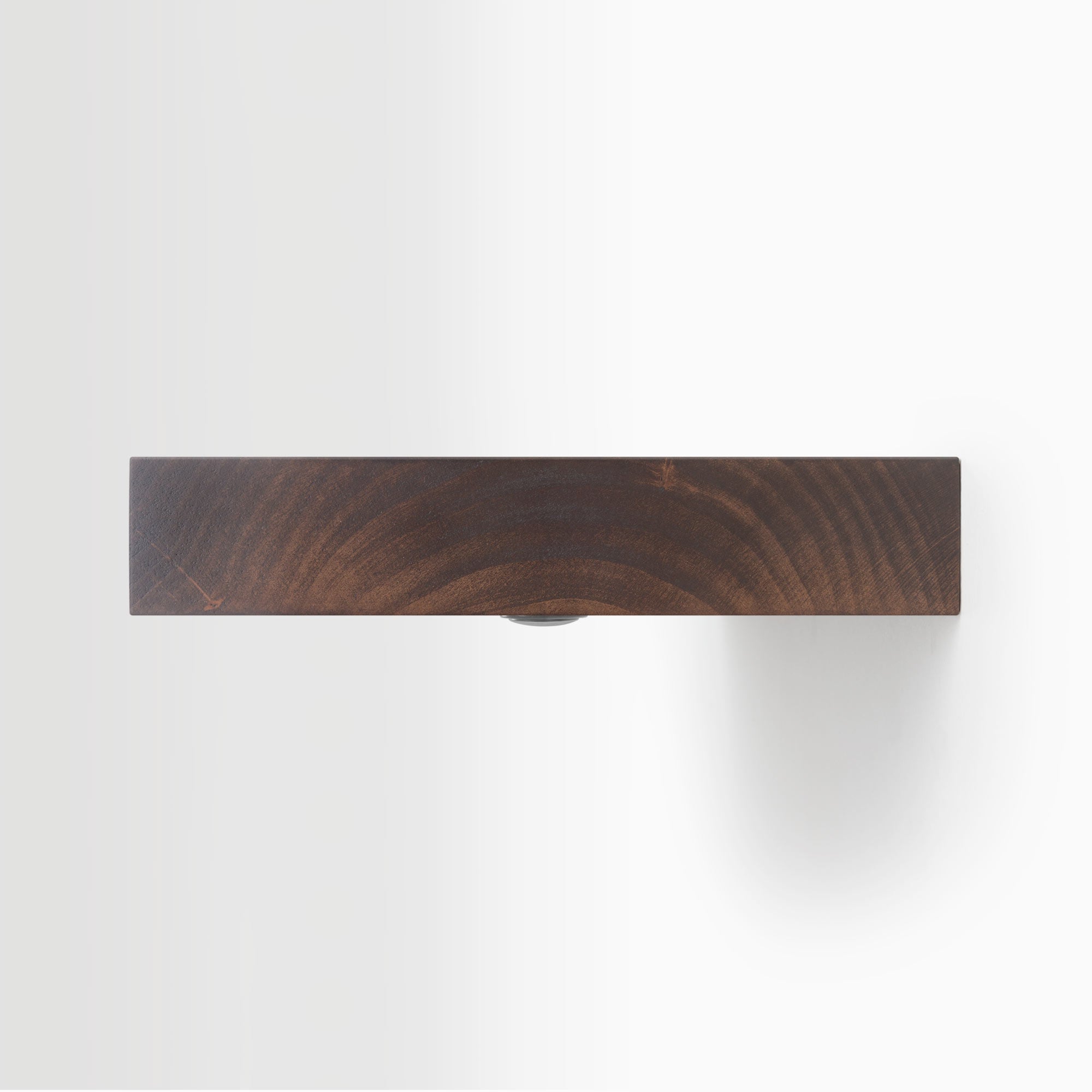
Aksel LED Espresso Floating Shelf
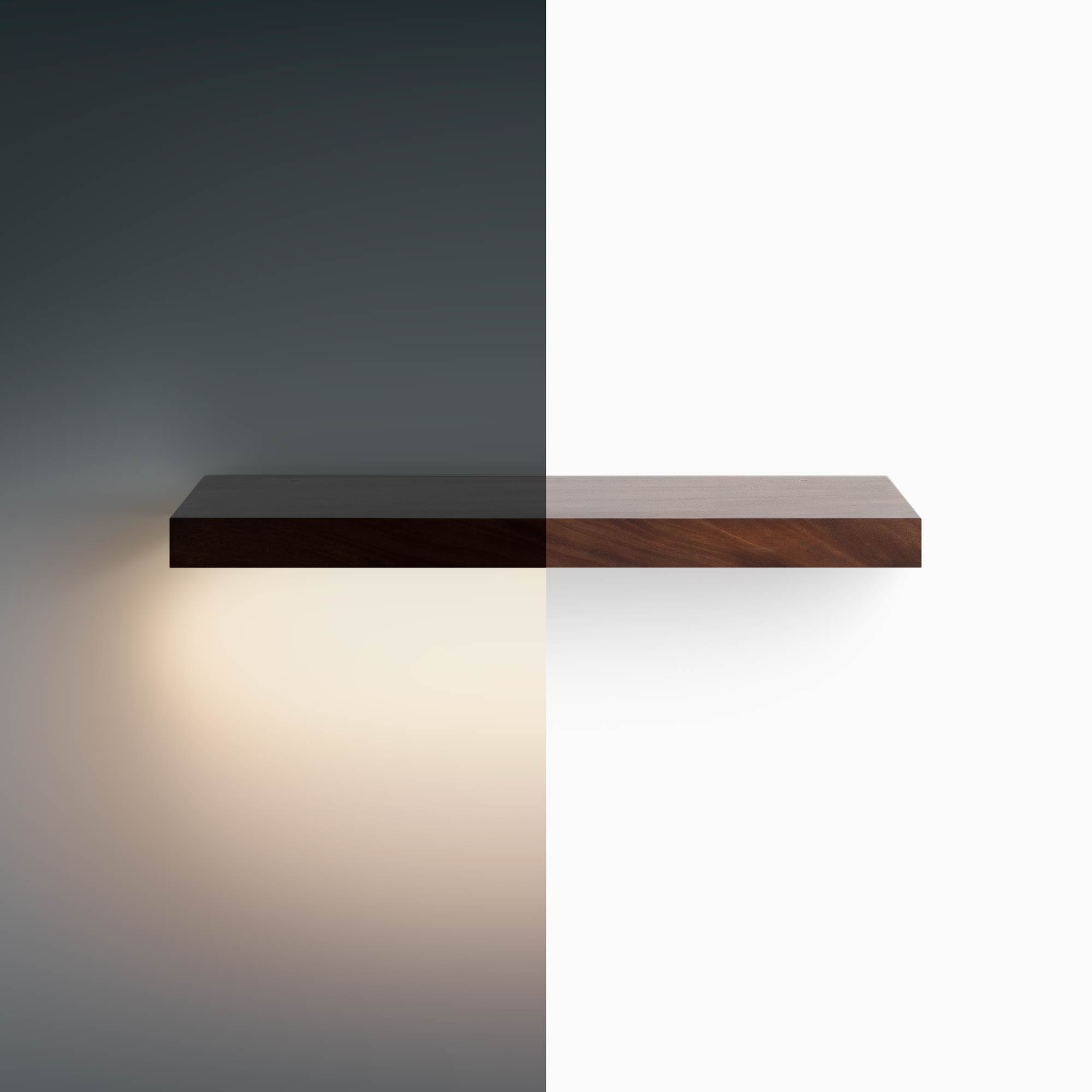
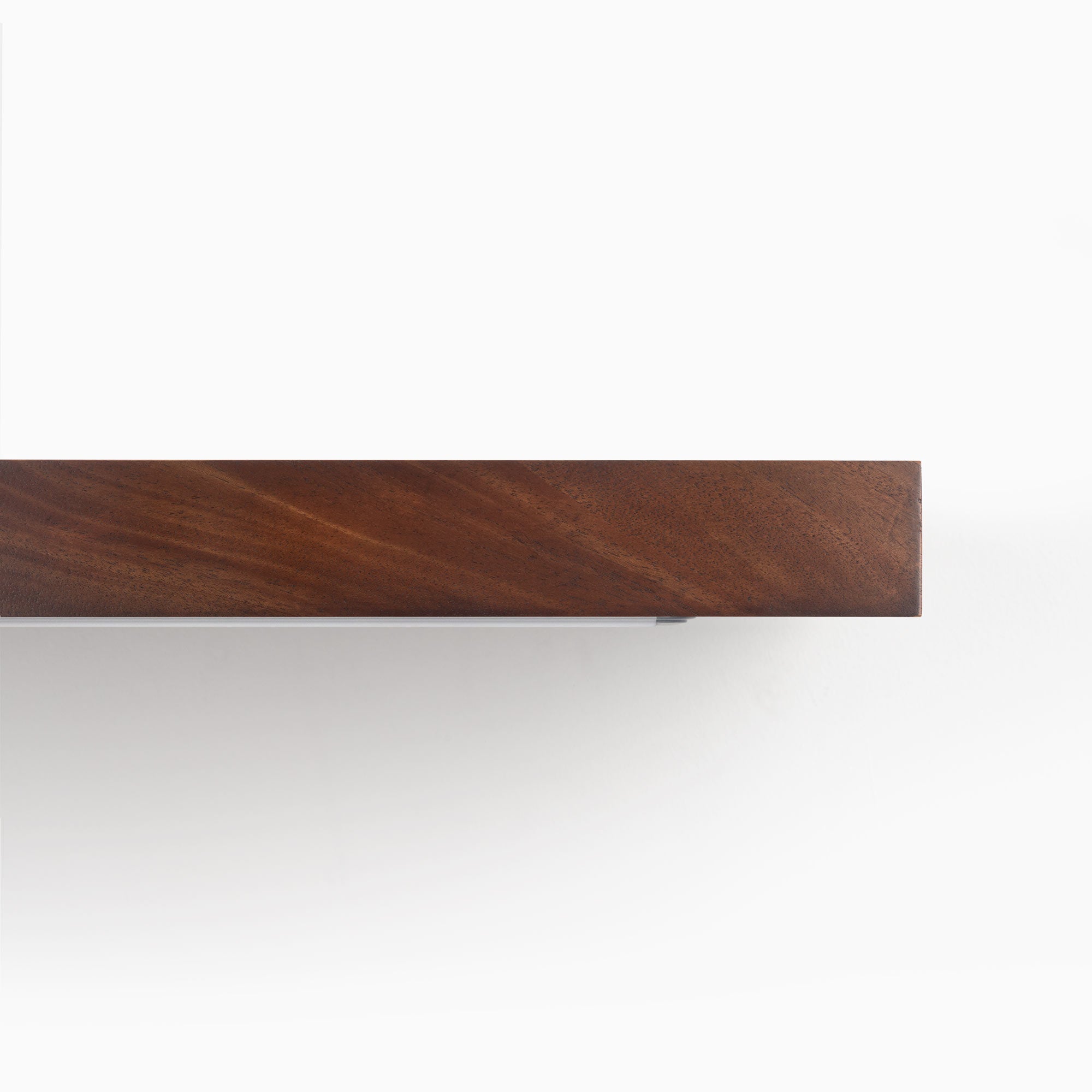
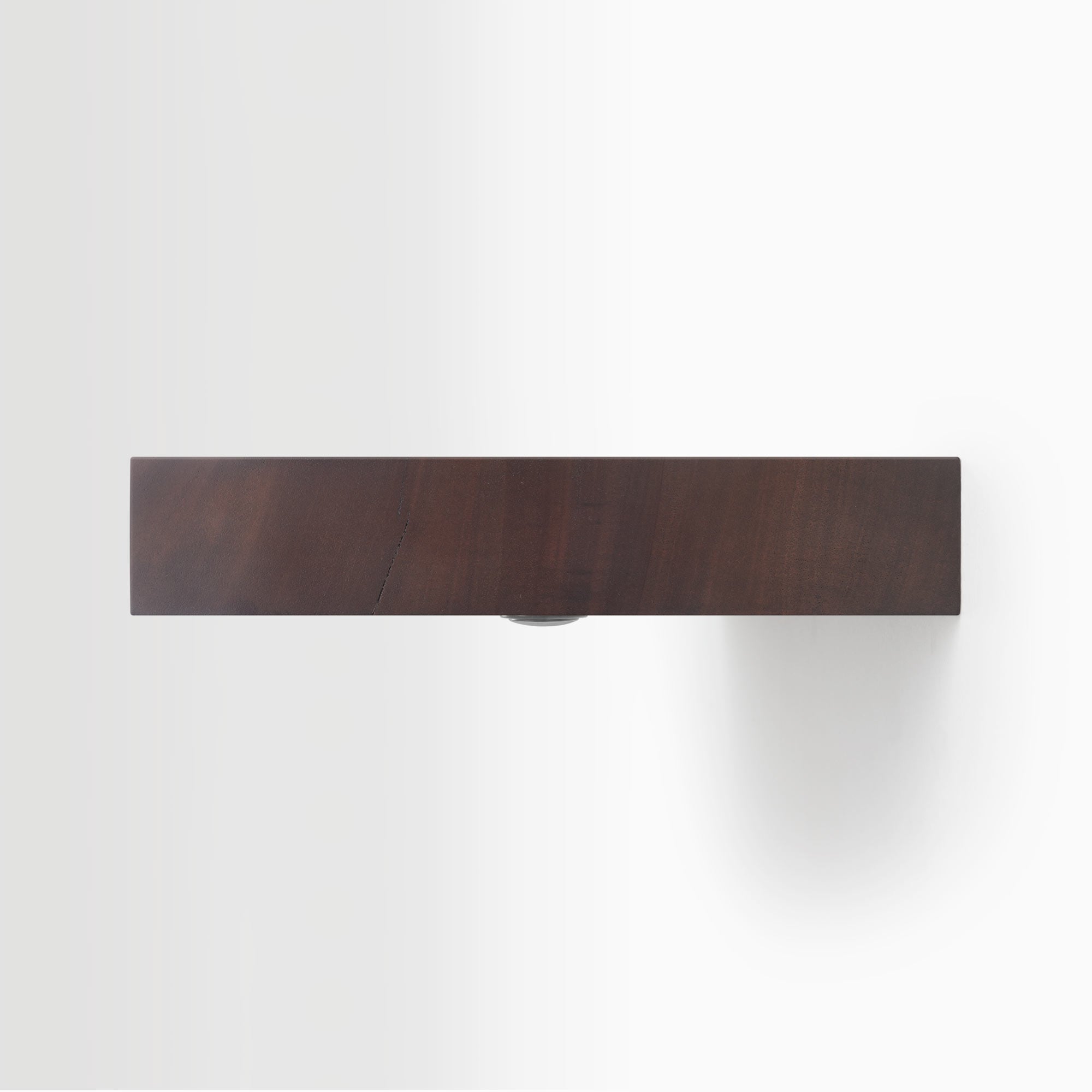
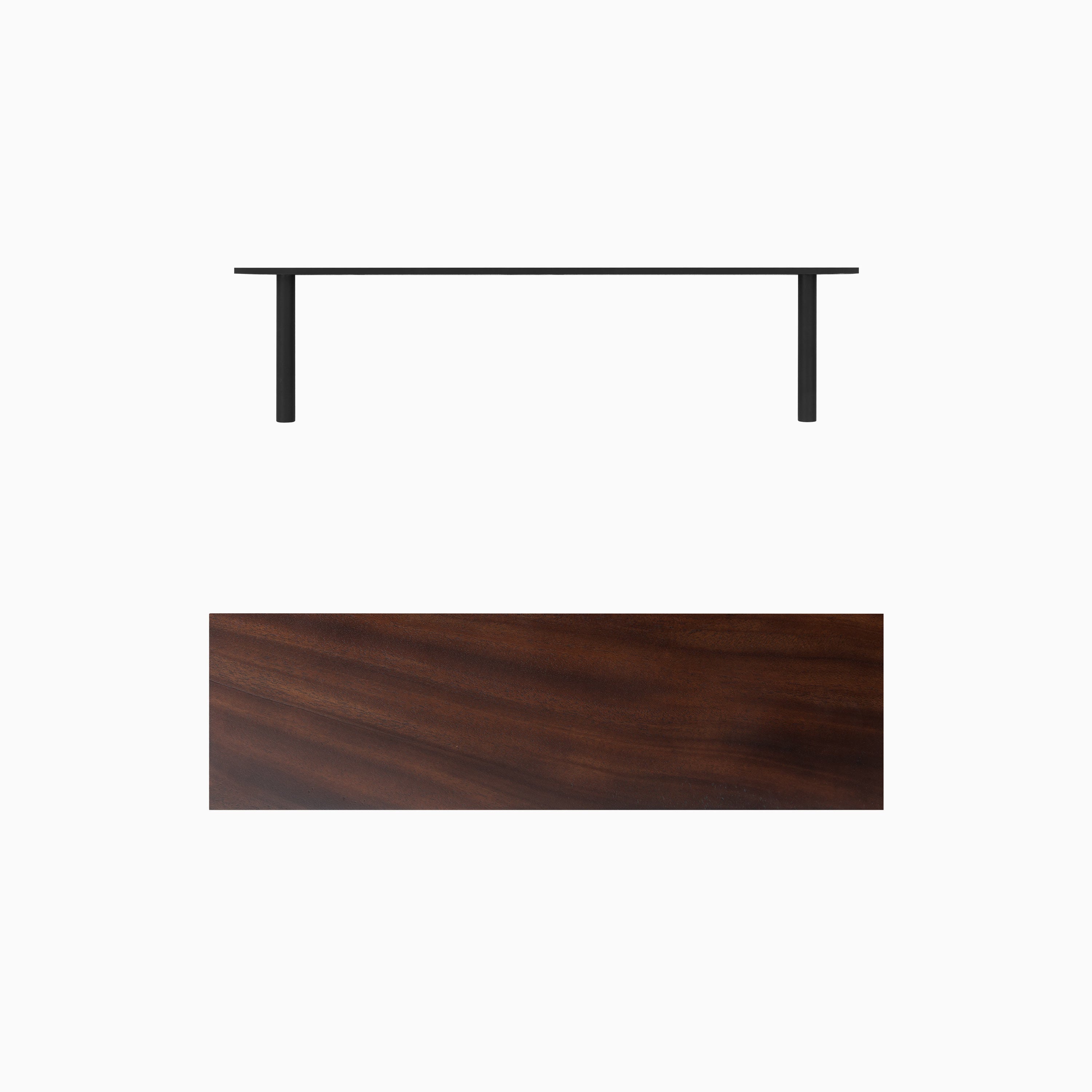
Aksel LED Dutch Mocha Floating Shelf
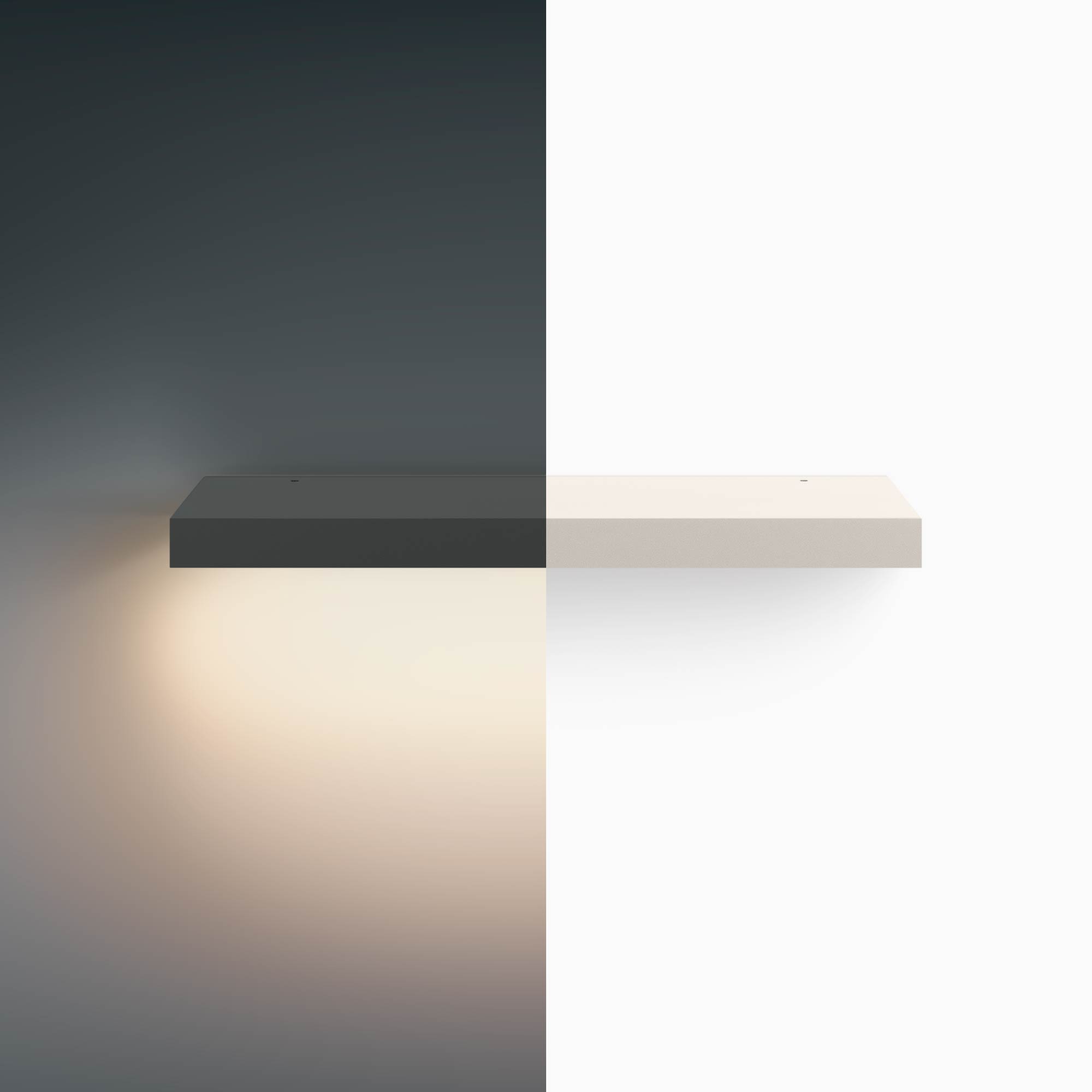
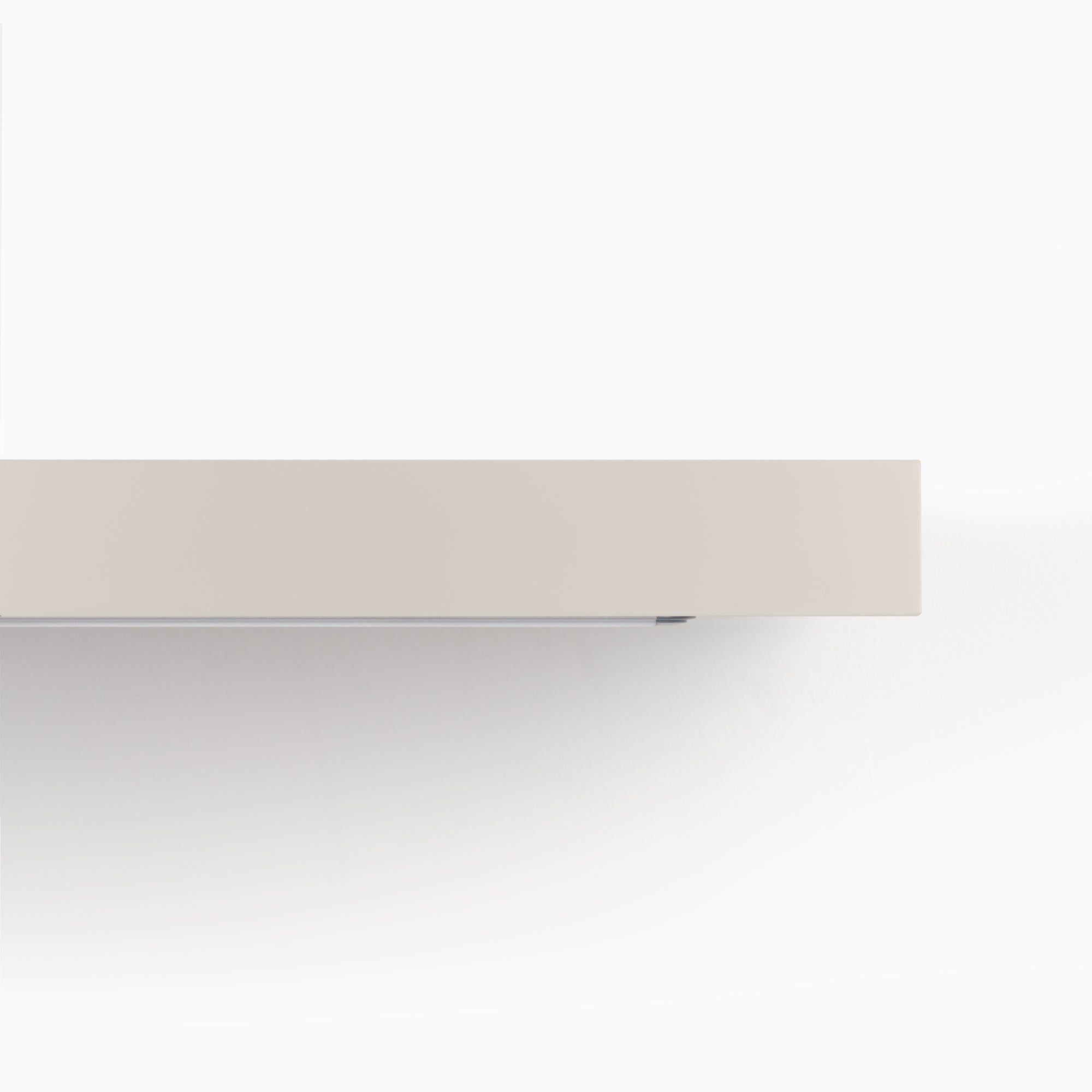
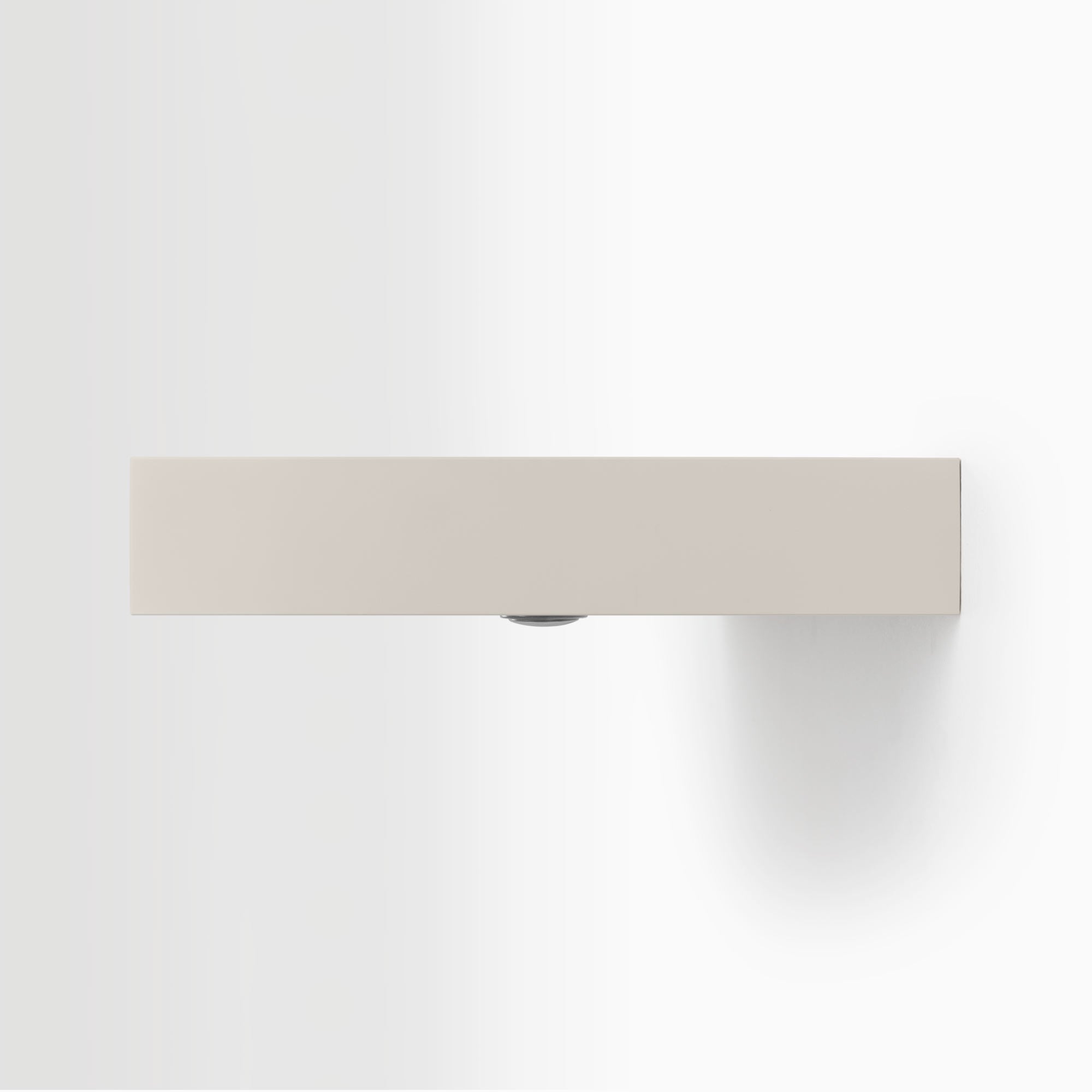
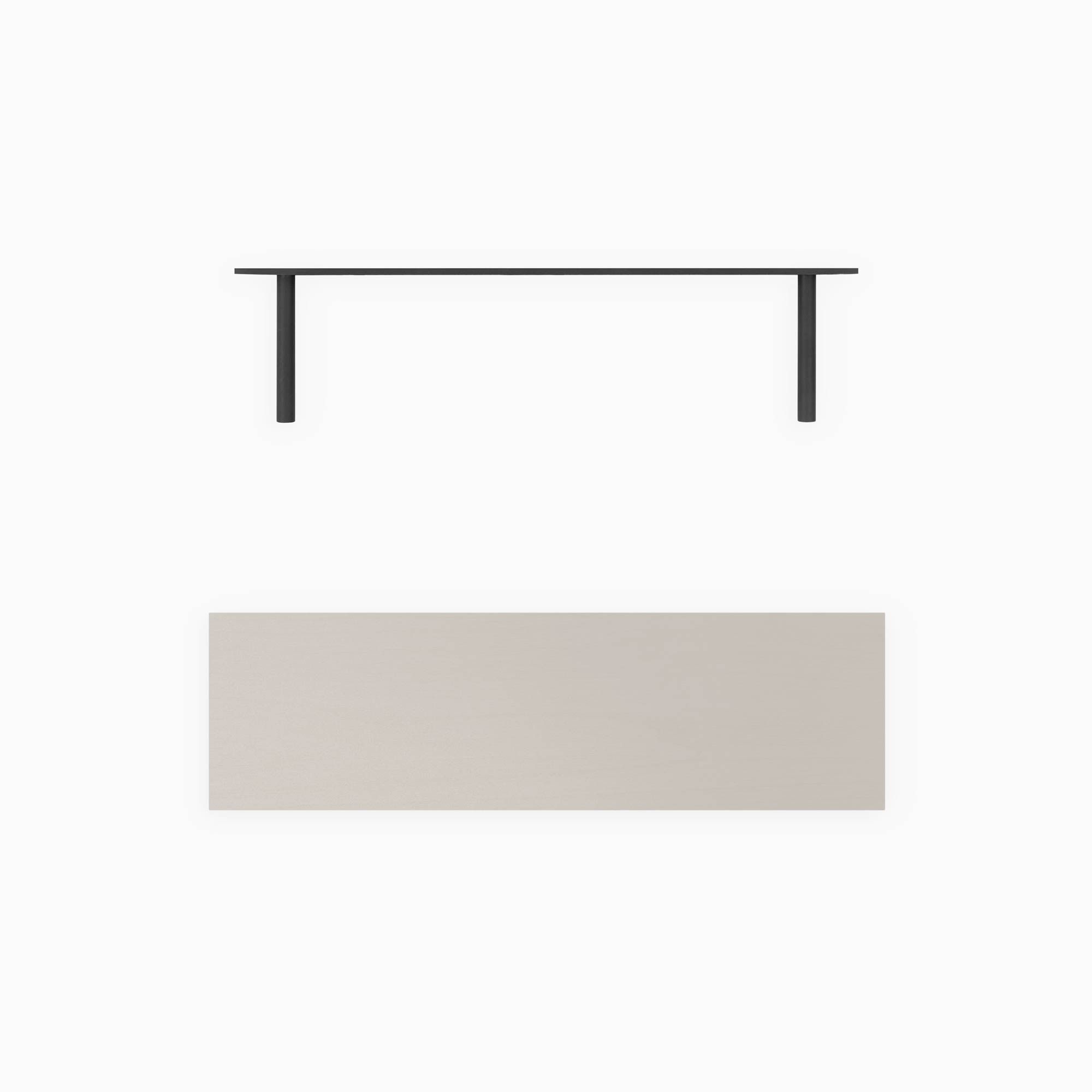
Aksel LED Concretey Floating Shelf
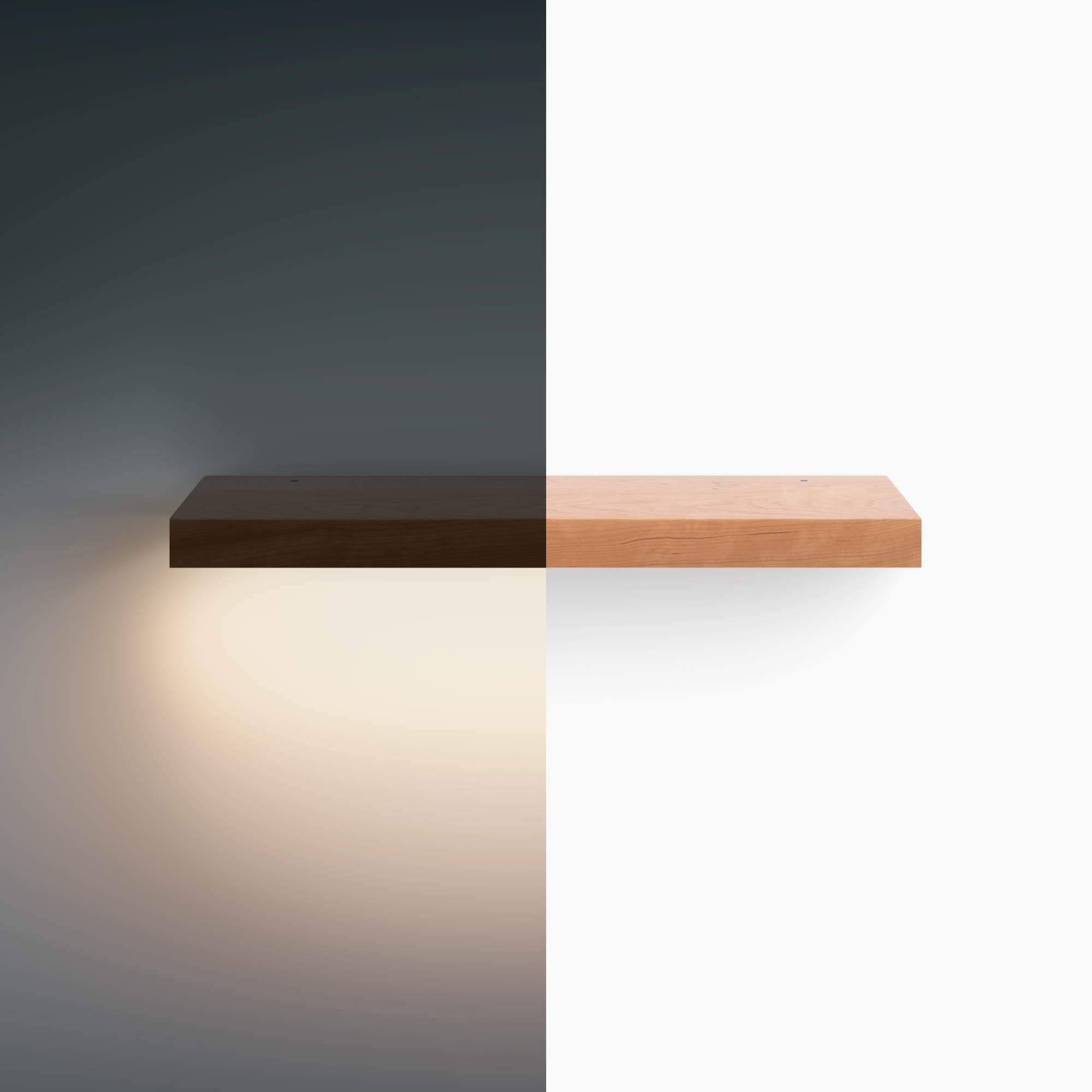
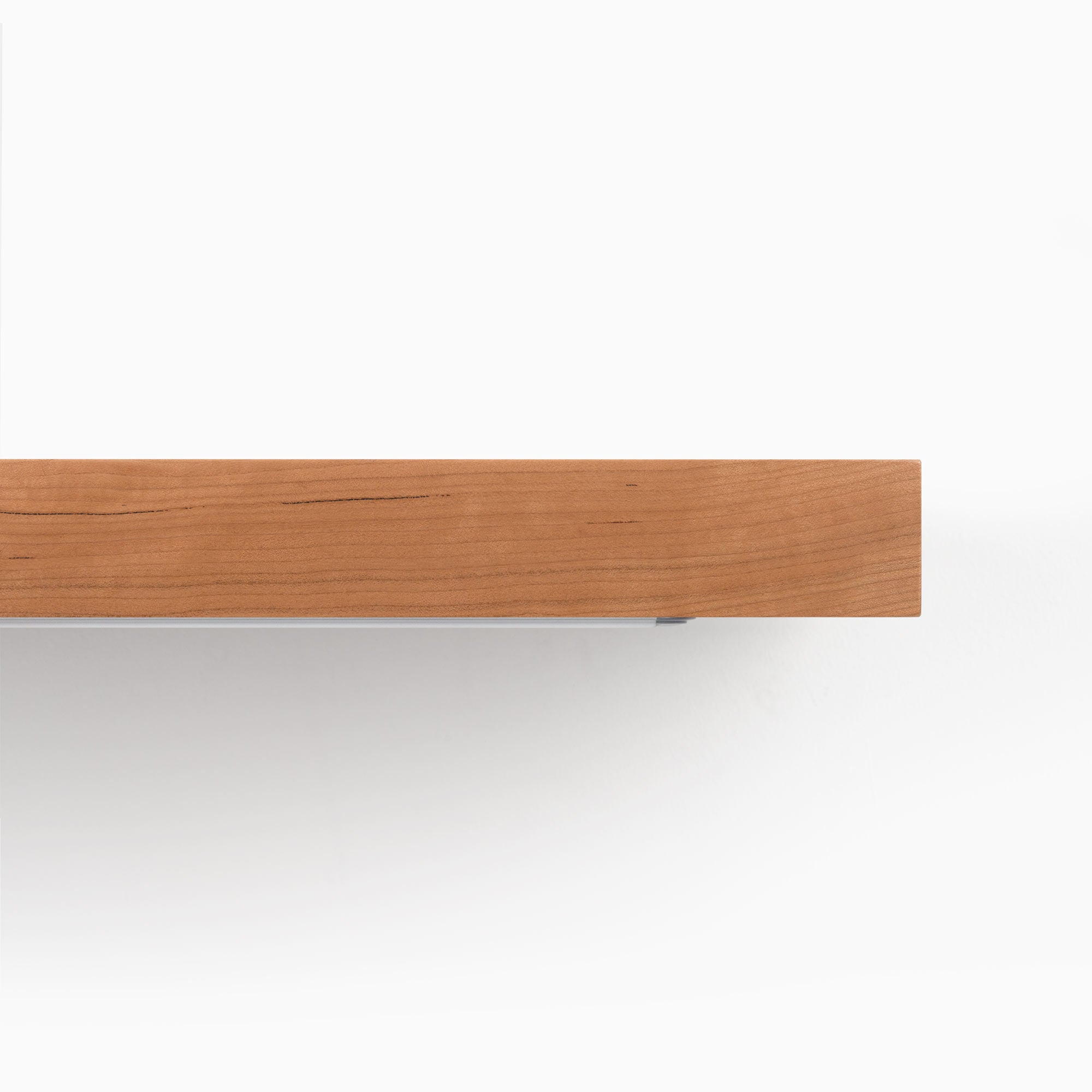
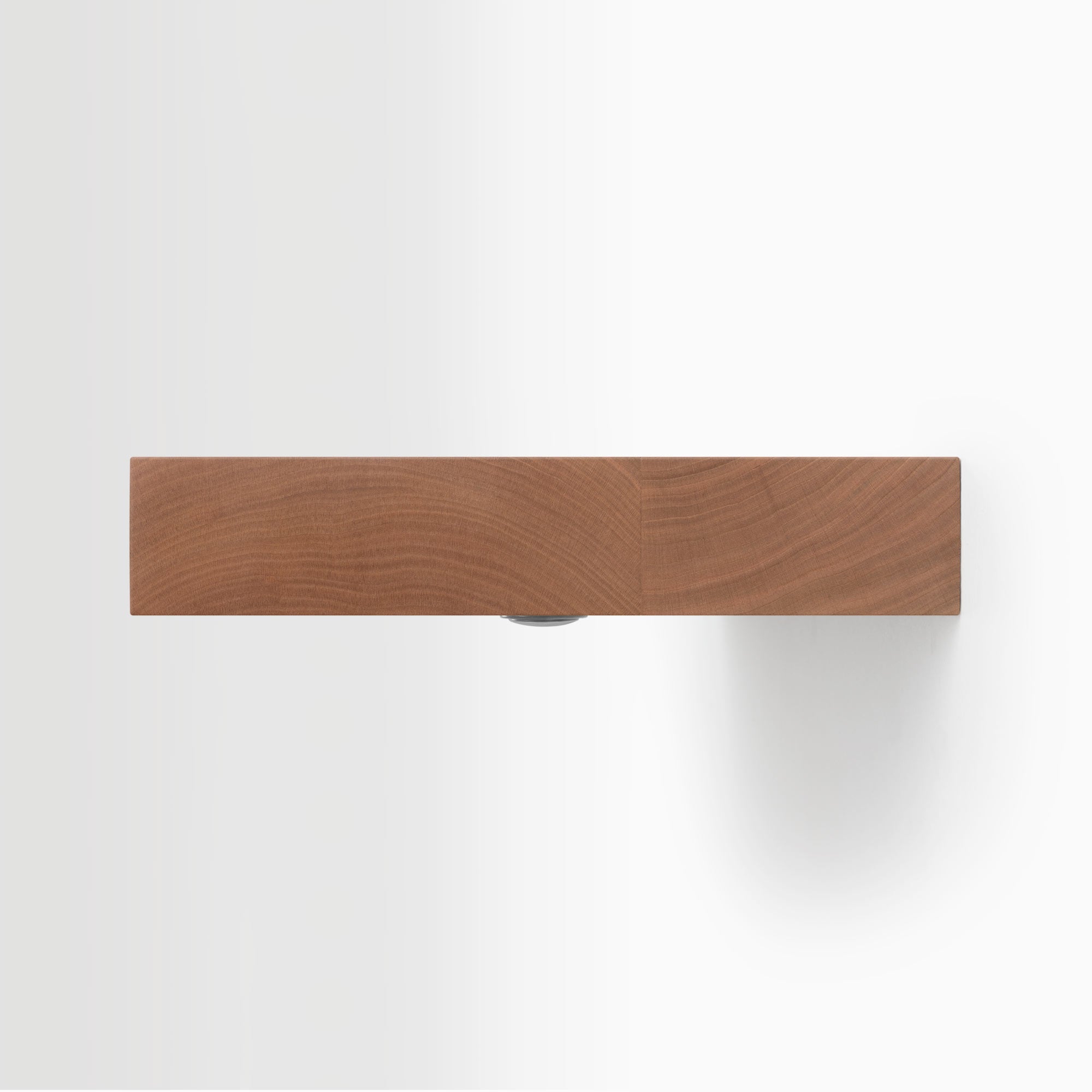
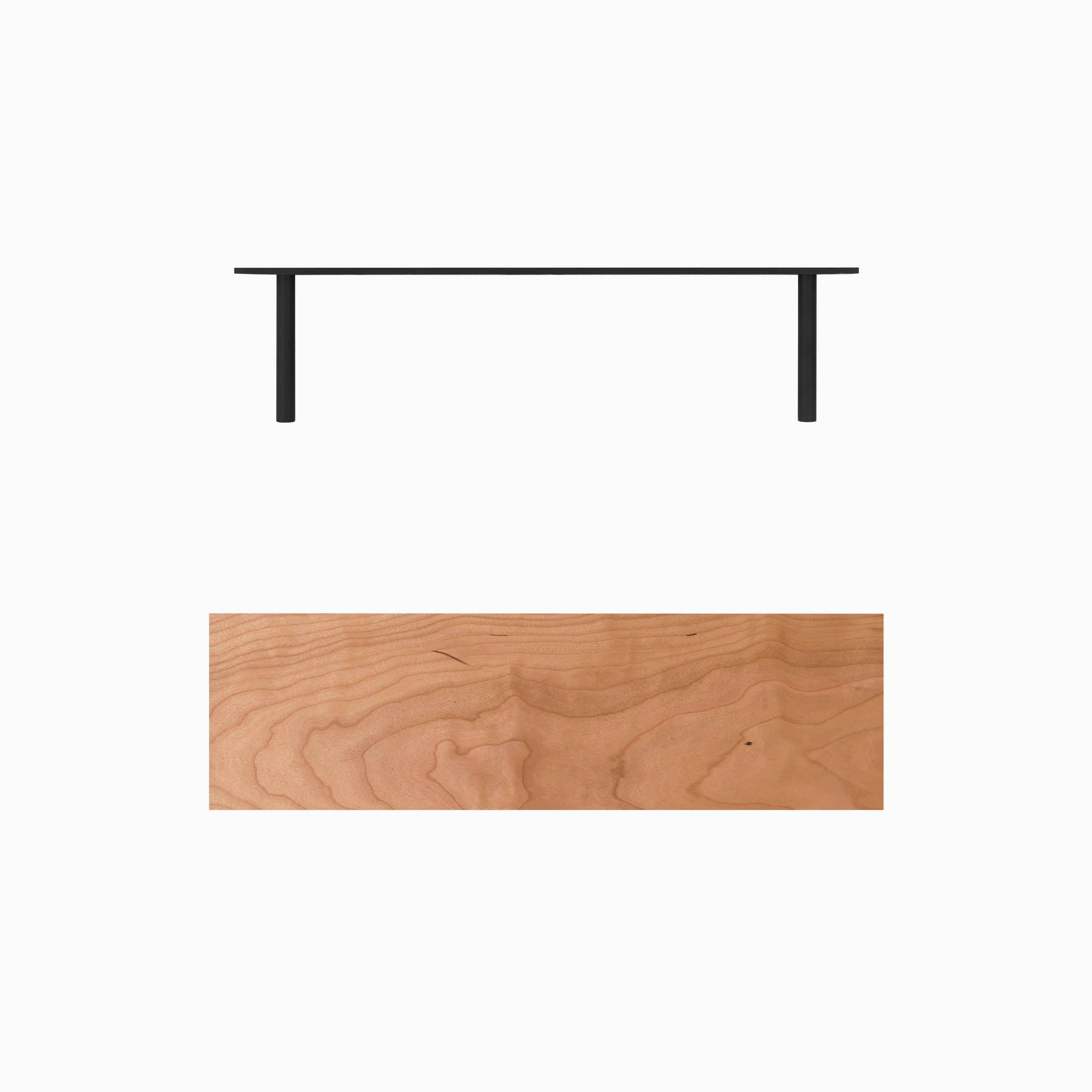
Aksel LED Cherry Floating Shelf
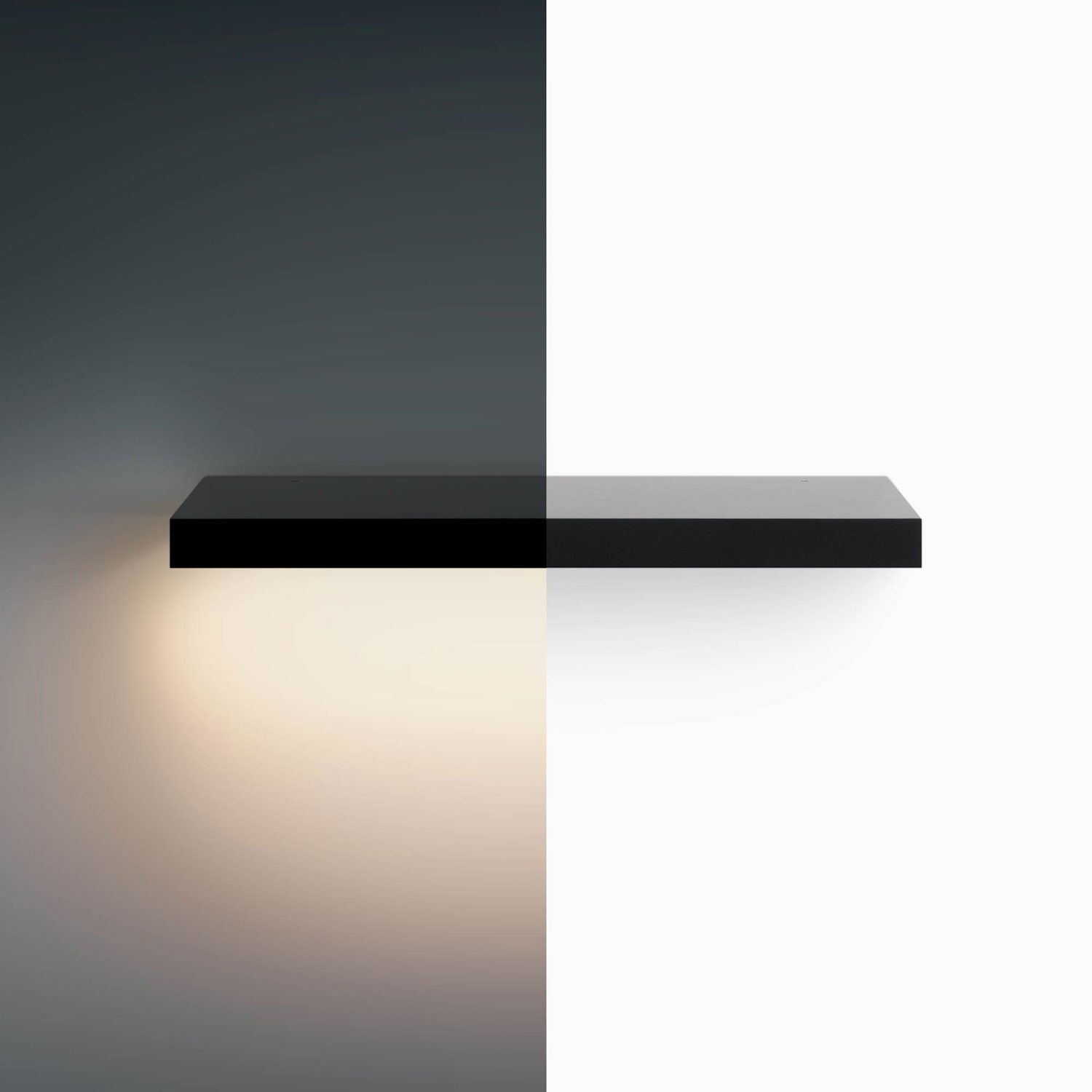
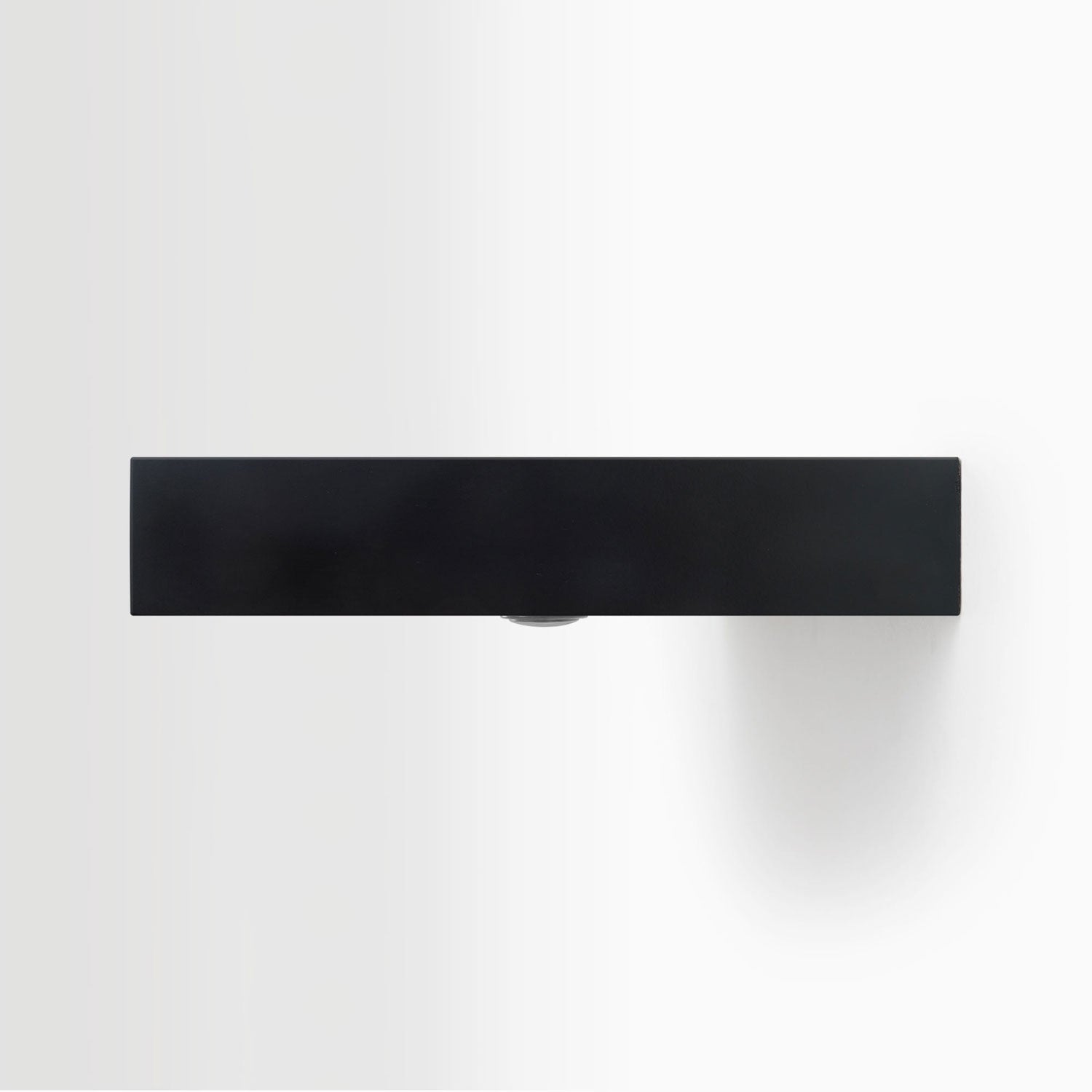
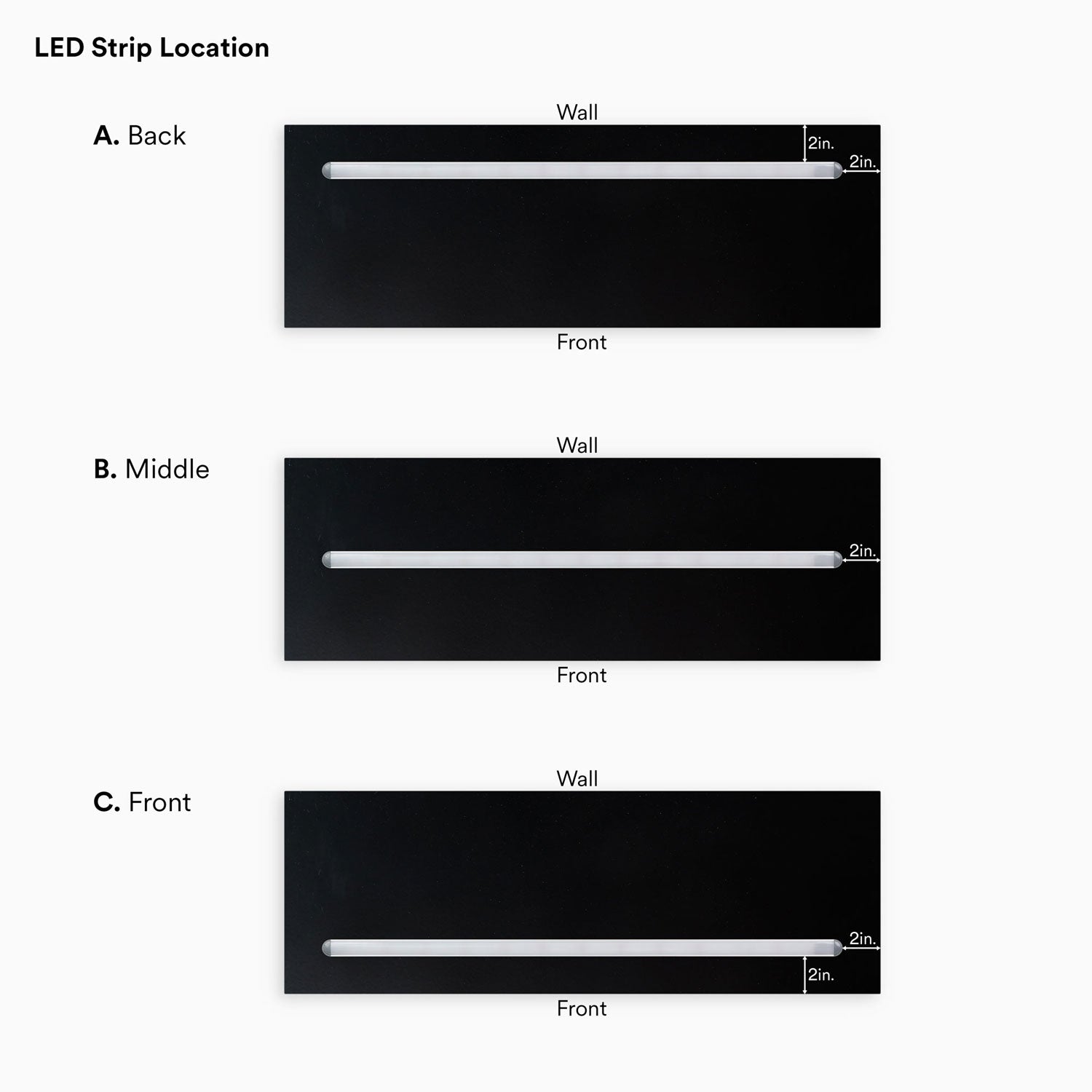
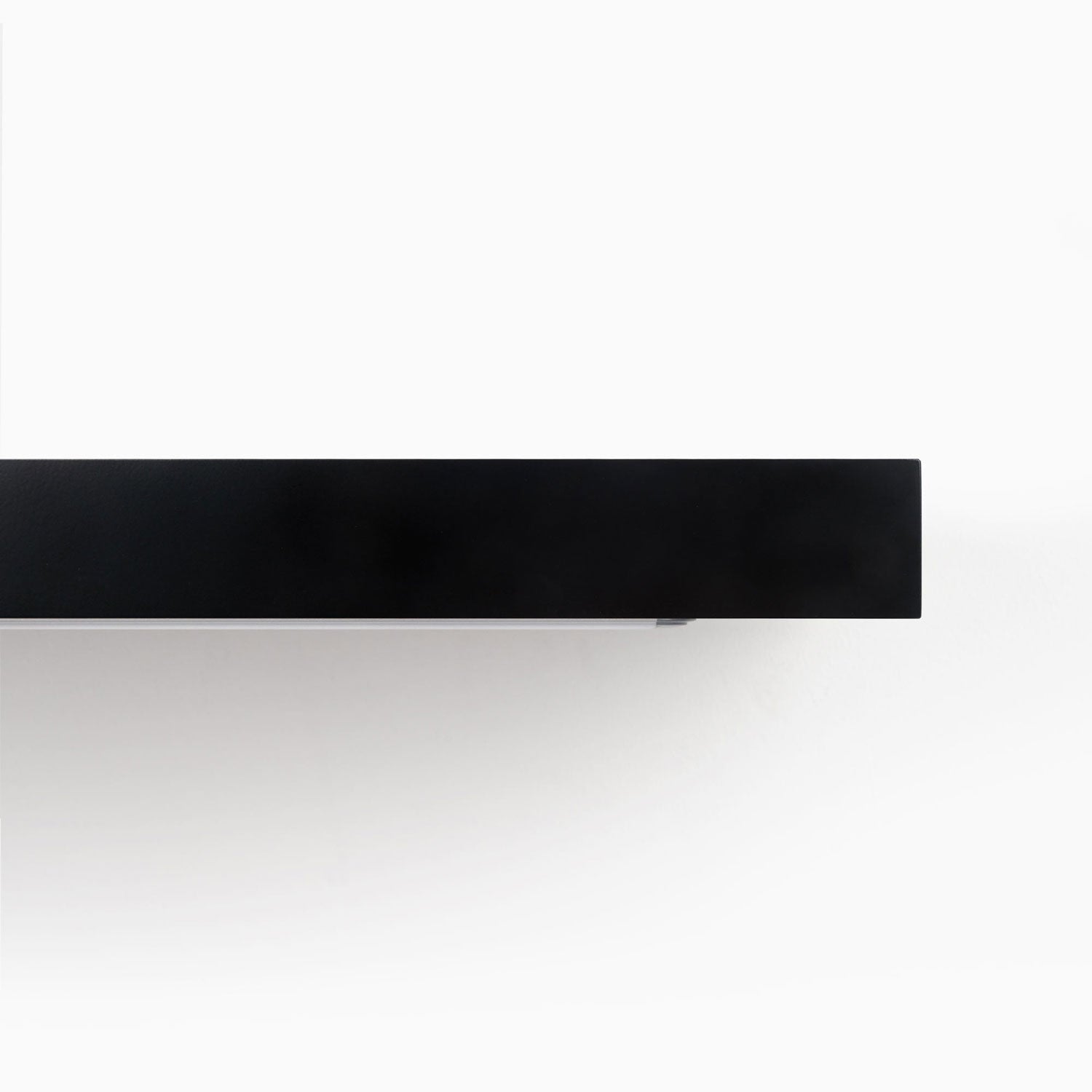
Aksel LED Black Floating Shelf
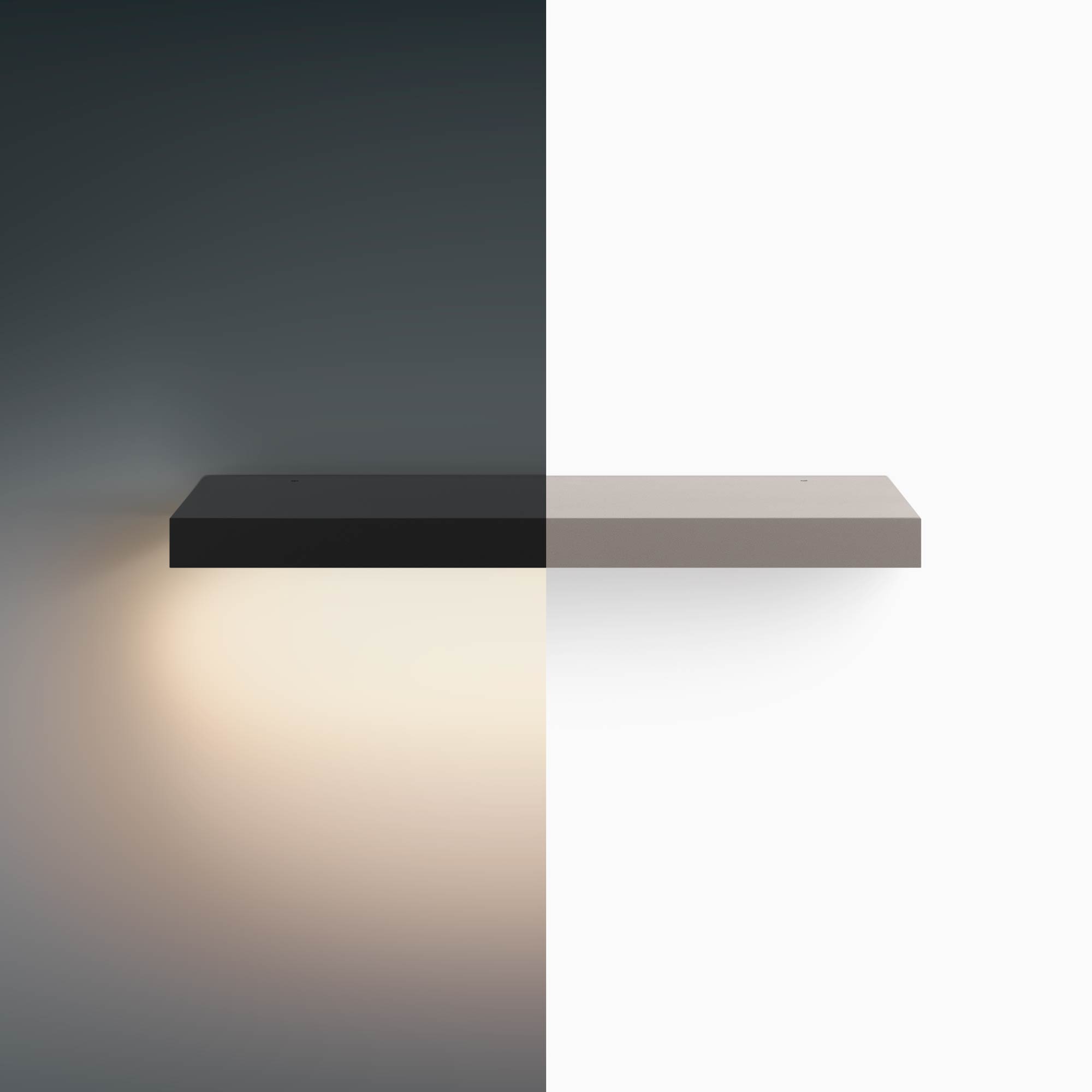
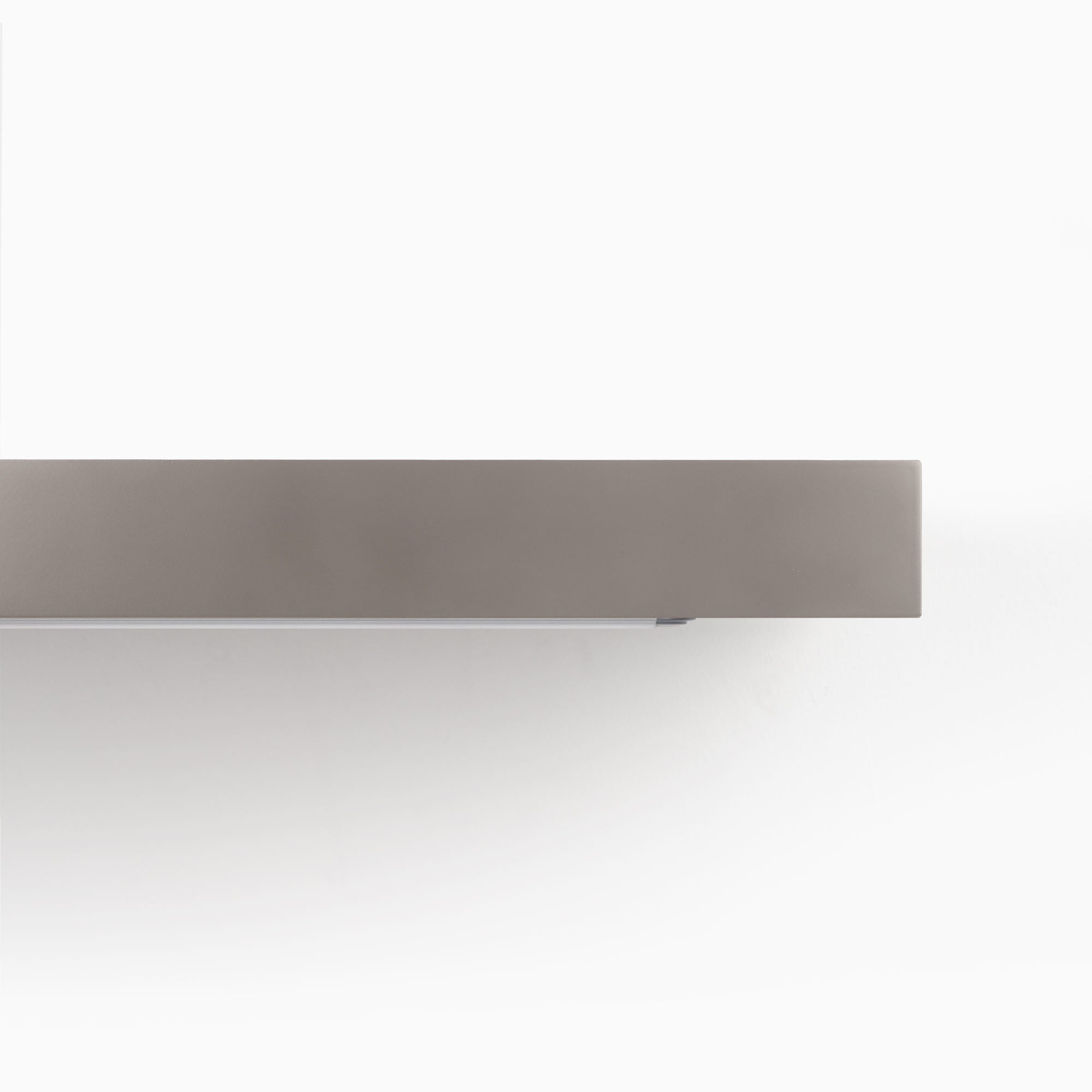
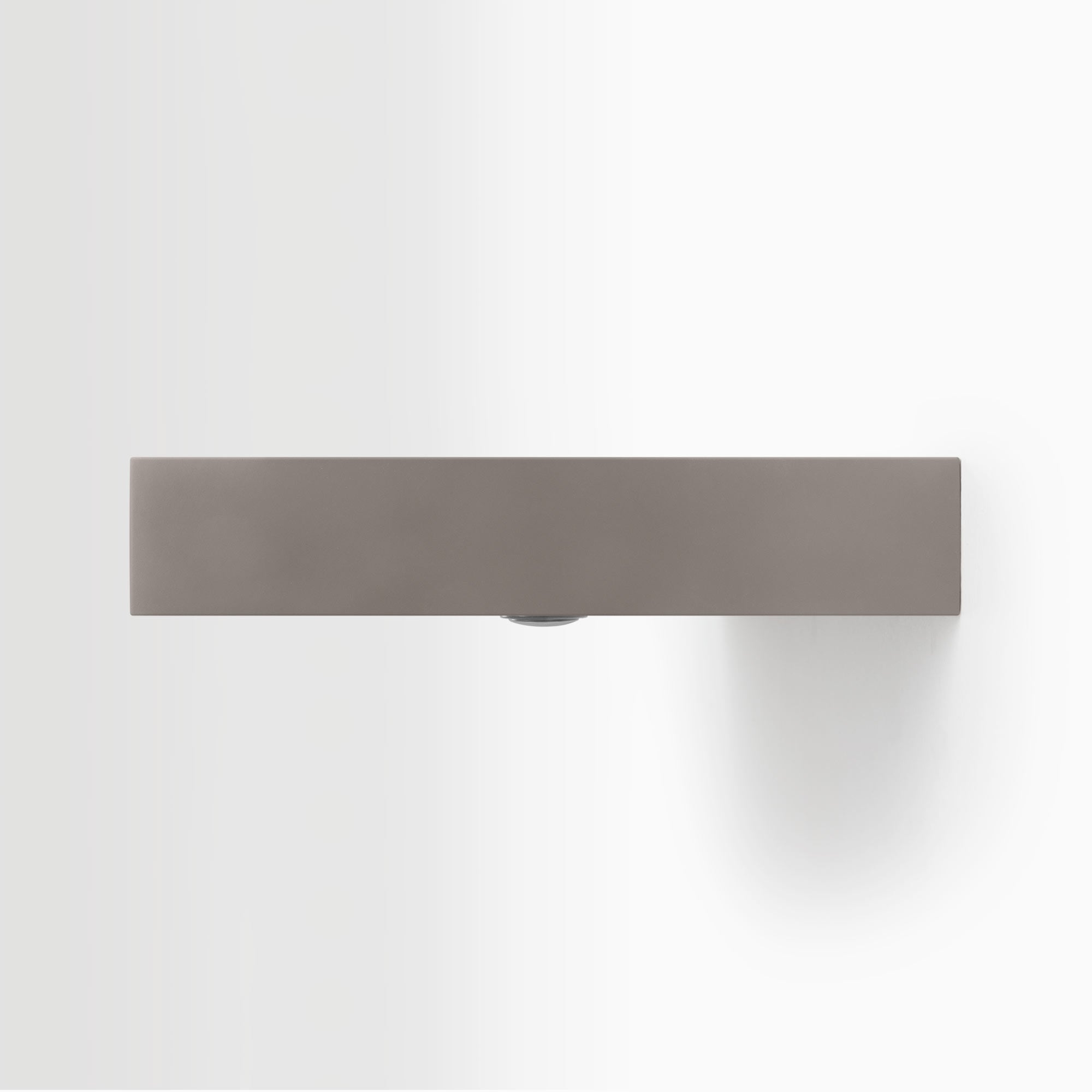
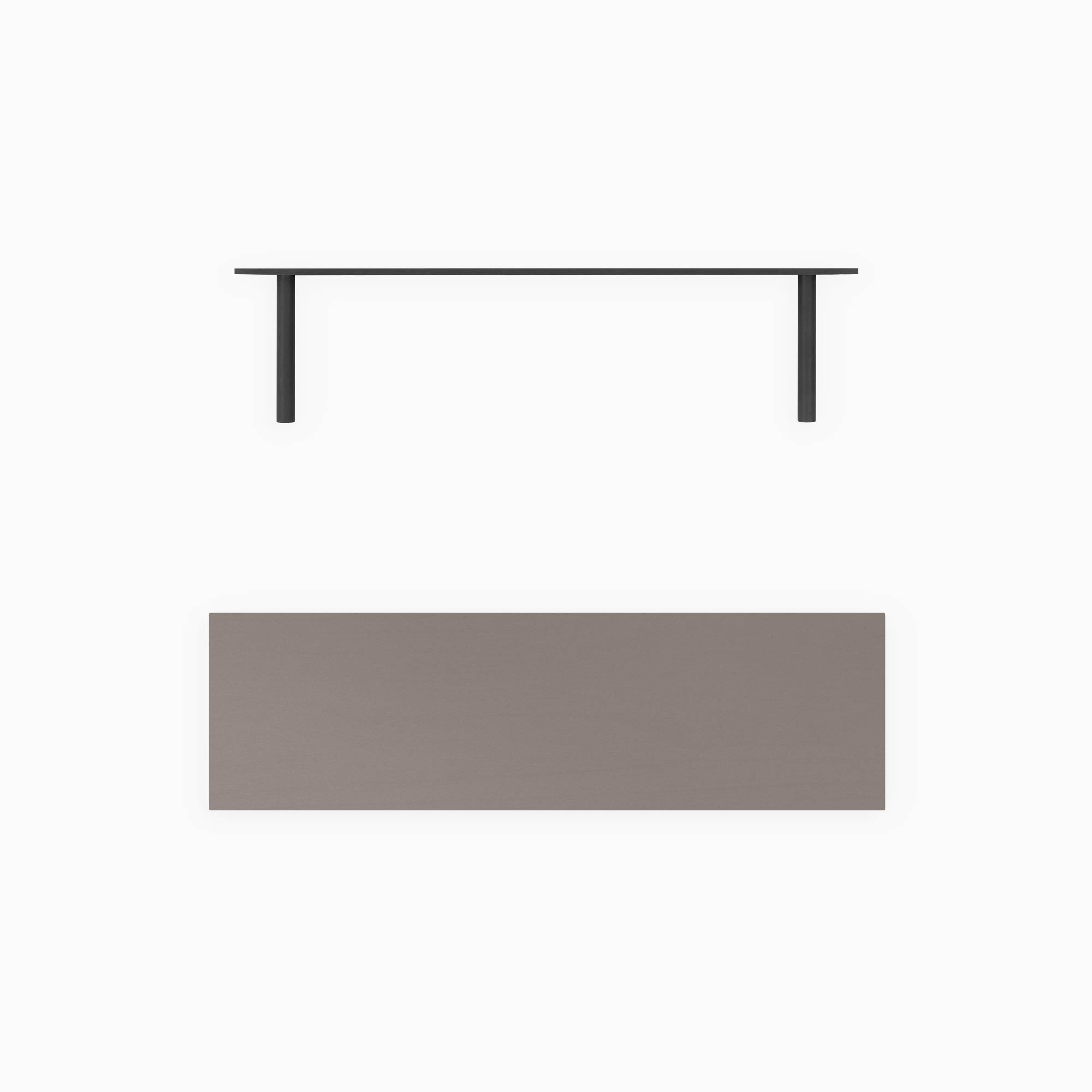
Aksel LED Arsenic Floating Shelf
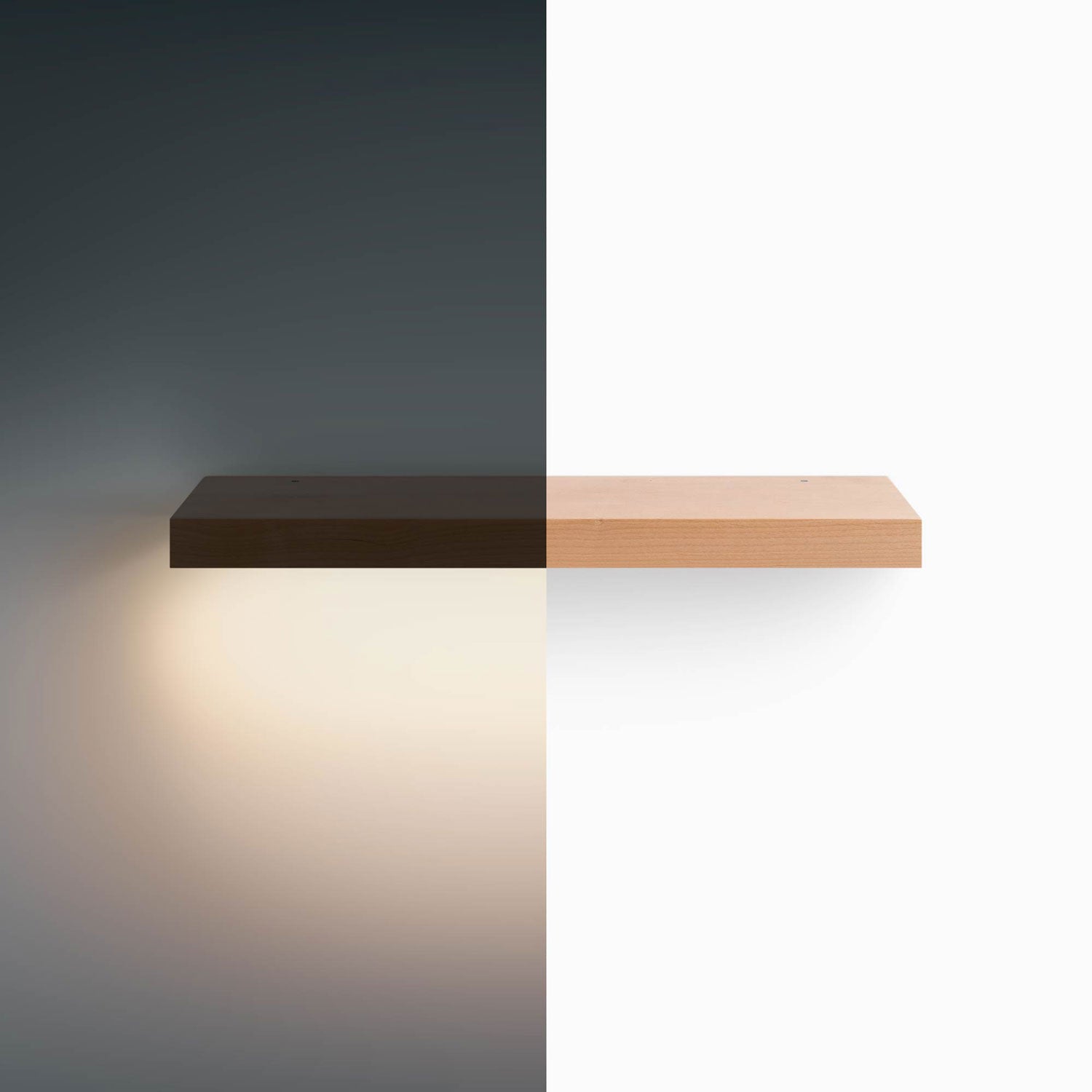
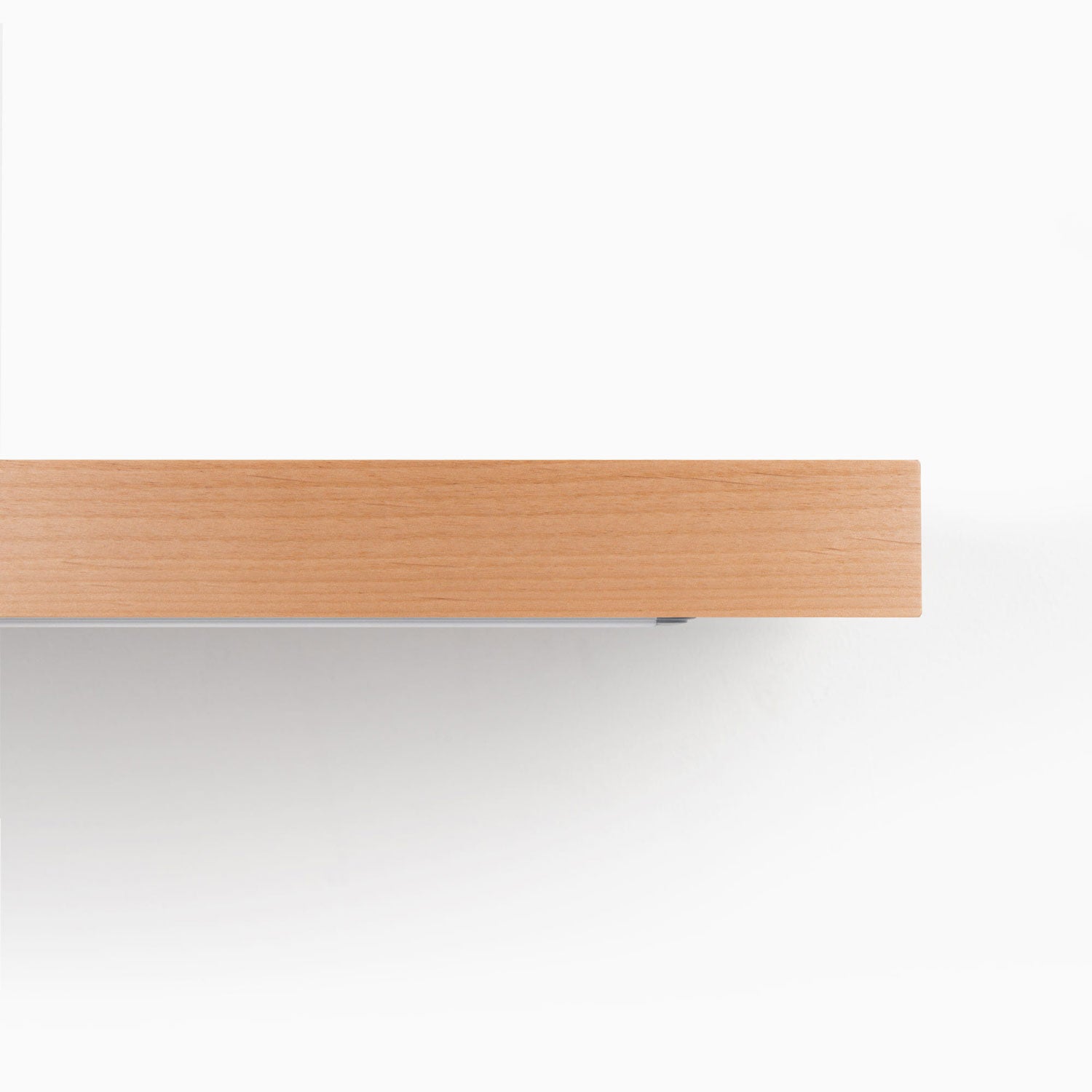
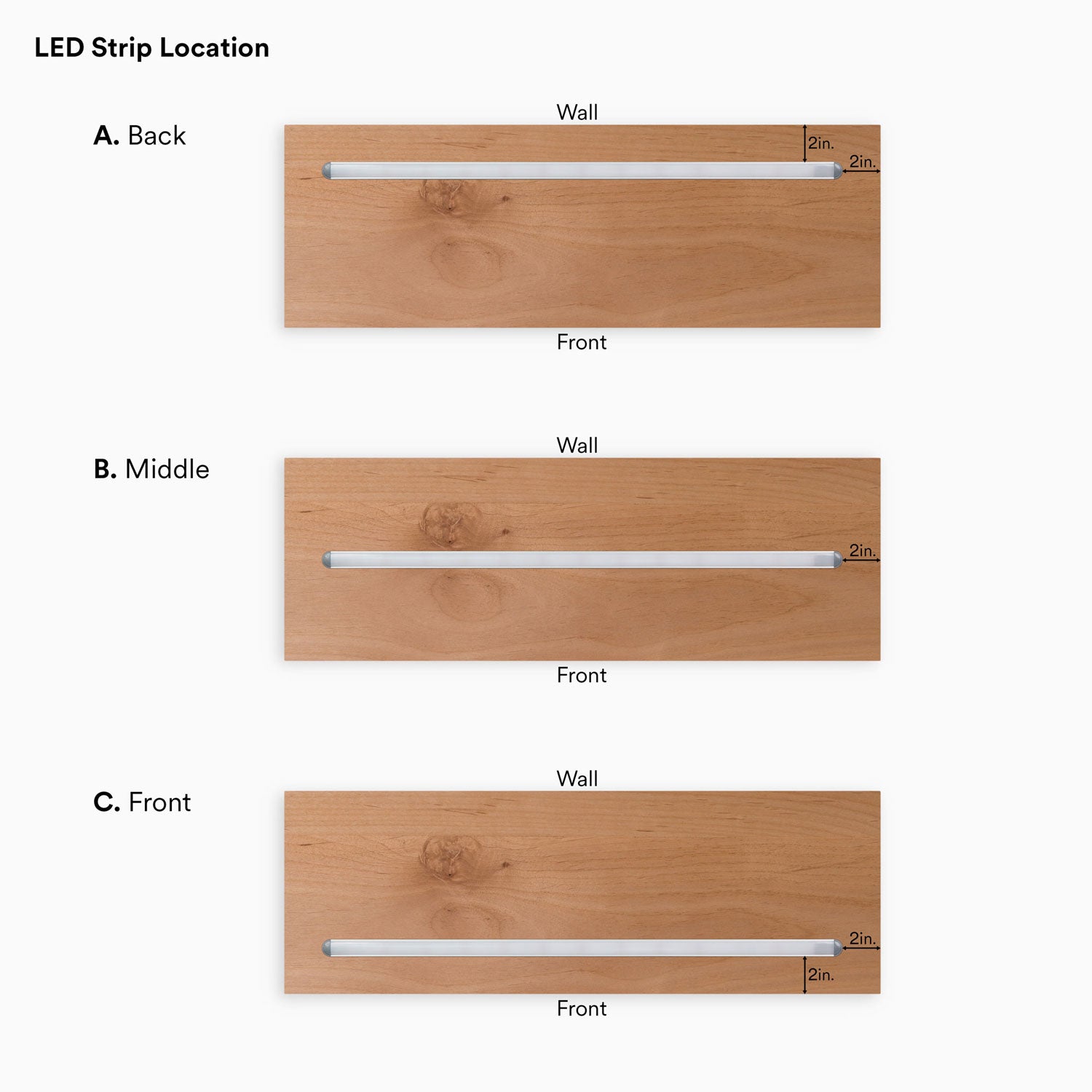
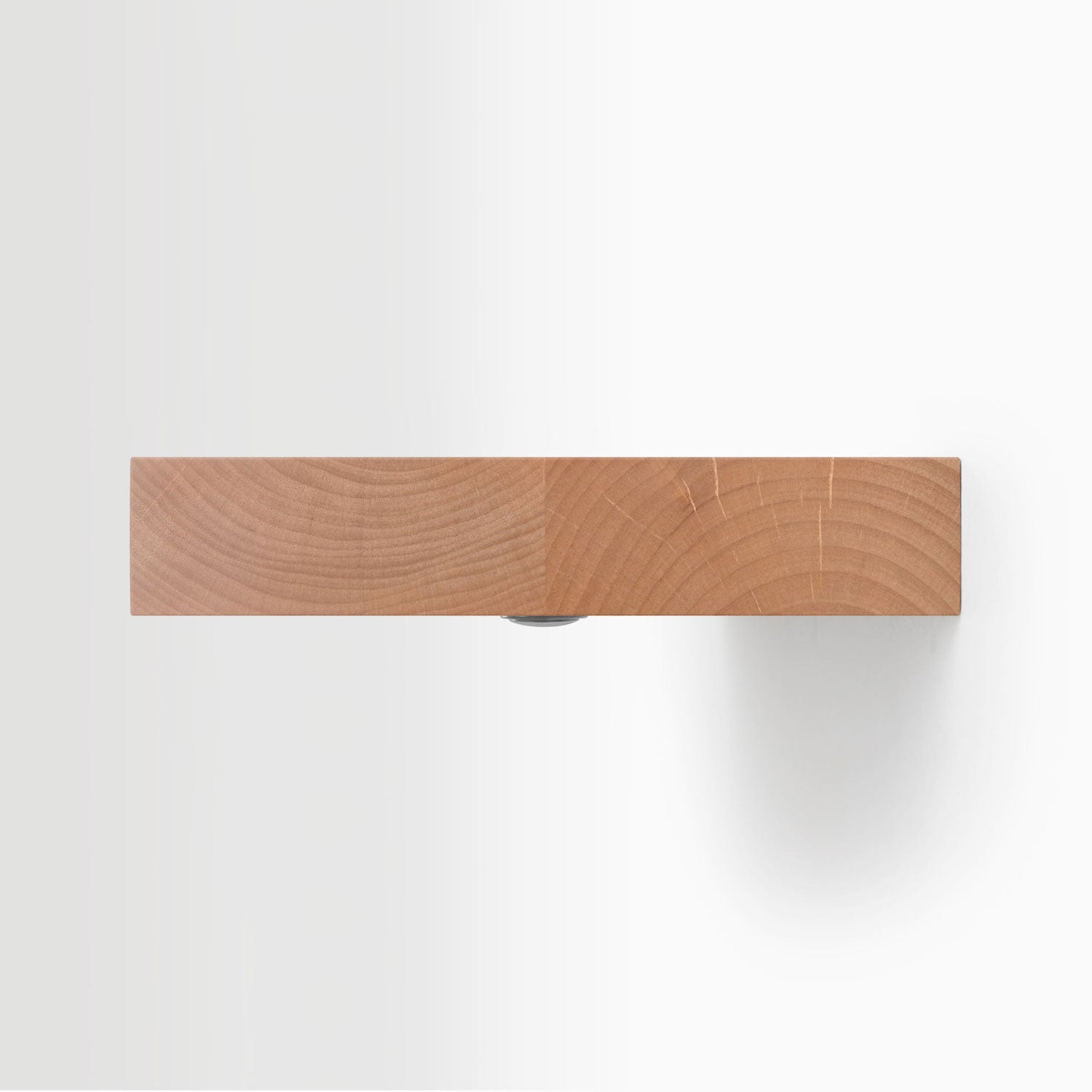
Aksel LED Alder Floating Shelf
Aksel Floating Shelves: Solid Hardwood, Made to Measure
Aksel Floating Shelves start as a solid hardwood slab, milled to your exact dimensions and mounted on a bracket that hides completely behind the shelf face. The wall reads clean, with no visible hardware and no gap between what the shelf looks like and how much it can actually hold. That combination is why the line works equally well for a single kitchen install and a two-hundred-room hospitality order: the spec is precise, the finish is consistent, and the shelf mounts the same way whether a homeowner or a general contractor is the one holding the drill.
Aksel Floating Shelves, Specced for Every Kind of Installer
Design-Driven Spaces: DIYers, architects, and designers reach for Aksel when planning kitchens, bath suites, retail displays, and client builds where the shelving needs to disappear into the architecture instead of competing with it.
Custom Home Builds: Made-to-measure and built to hold up under scrutiny, Aksel shelves arrive install-ready and specced to the exact dimension a project calls for — ready for everything from an early design review to the final punch list.
Professional Install Teams: Millworkers, trades, and general contractors work from precise specs and clear documentation, with support from Shelfology whenever a project calls for it.
The Species: White Oak, Walnut, Alder, Cherry, Mahogany, and Maple
Every Aksel shelf starts as a milled solid hardwood slab, not an engineered core with a veneer skin over the top. That's the wood the bracket bolts into and the weight sits on, from the face to the center.
- White Oak: tight, straight grain in a cool, neutral tone — the most requested species in the collection.
- Walnut: dark, richly figured grain that reads warm without a stain.
- Alder: light, even grain that takes stain evenly, which is why finishes like Nutmeg and Hatch Grey hold their color.
- Cherry: fine, close grain that deepens in tone with age and light exposure.
- Mahogany: dense, reddish-brown hardwood with a straight, ribbon-like grain.
- Maple: pale, hard-wearing grain, often left in a clear finish so the wood does the talking.
Rustic pulls texture forward, leaving visible grain and knots in the surface instead of sanding them out. Paint Grade sets that aside for a solid, uniform color coat. Both are finish decisions, not shortcuts — the slab underneath is the same solid hardwood as every other Aksel shelf, and weight capacity is set by the bracket class, not the species, so choosing a wood is a design decision, never a strength tradeoff. Every species ships made to order and made in the U.S., milled and finished before it reaches your wall.
Four Aksel Lines, Four Design Directions
Each Aksel line starts from a different design goal, from classic simplicity to a more architectural statement, so the shape you choose says as much as the wood underneath it.
Aksel Traditional Floating Shelf
The clean, classic version of the made-to-measure shelf — square corners that work equally well in a Scandinavian-minimal room or a more traditional, transitional one. Built from solid hardwoods like white oak and walnut, it's the line DIYers and pros reach for most often, for its adaptability as much as its strength.
Aksel RADius Floating Shelf
Aksel RADius takes the same bracket and shelf system and rounds the corners — 1.5, 3, or 6 inches — trading hard angles for a softer edge. It reads calmer in a hospitality space or a room full of straight lines that could use a break from them, without giving up any of the strength of the square-cornered original.
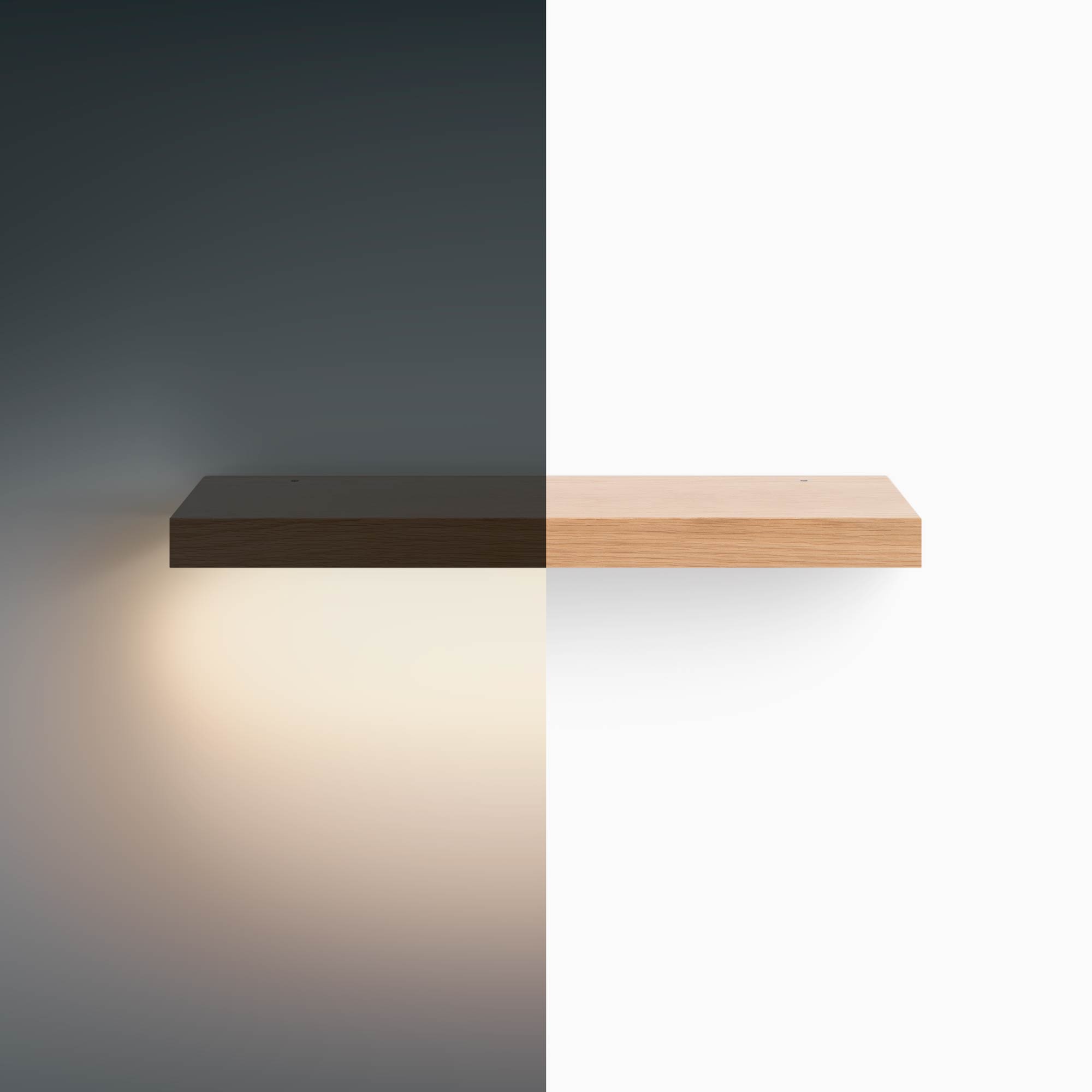
Aksel LED Floating Shelf
Aksel LED adds integrated lighting to the same shelf and bracket system, wired clean with no visible cord or fixture. It's built for open kitchens, statement displays, and millwork where the shelf needs to do double duty as the light source, holding weight and setting the mood at the same time.
Aksel Inlay Floating Shelf
Aksel Inlay pairs a flush-set metal top with a solid hardwood body, so the shelf reads as wood with a single clean metal line running through it. It installs exactly like the rest of the line — same bracket, same anchoring into studs — which makes it an easy way to add material contrast to a client-facing space or hospitality interior without adding install complexity.
Frequently Asked Questions
How much weight can floating shelves hold?
Our floating shelves are engineered for strength and precision installs. Each Aksel bracket rod supports:
- Aksel LD (Light-Duty): Up to 50 lbs per rod
- Aksel MD (Medium-Duty): Up to 65 lbs per rod
- Aksel HD (Heavy-Duty): Up to 80 lbs per rod
- Aksel XD (Extra-Duty): Up to 95 lbs per rod
The total capacity depends on how many rods are used (which is based on your shelf length), and that everything is properly anchored into wall studs.
But that's just part of the picture — shelf depth, thickness, and material all play a role, too. A deeper shelf carries more leverage and may require stronger brackets. Thicker shelves can better distribute load, and longer shelves will naturally need more support points.
If you're not sure which bracket you need for your project, we're here to help you spec it right. Give us a ring at 949.244.1083.
Do floating shelves need to be installed into wall studs?
Yes, for maximum strength and safety, it's essential to anchor floating shelves into wall studs. Drywall anchors alone are insufficient for supporting heavy loads and can lead to shelf failure. Attaching the shelf brackets directly into studs ensures a secure and lasting installation.
Can floating shelves be installed on drywall or plaster walls?
Absolutely. While drywall and plaster walls can accommodate floating shelves, it's crucial to locate and anchor into the underlying studs for optimal support. Using a stud finder can help identify stud locations behind these wall types. The Ultimate Guide to Floating Shelves
What tools are needed to install floating shelves?
Installing floating shelves typically requires:
- Stud finder
- Level
- Drill & Driver
- Measuring tape
- A pencil
- Silicone
- Shims
Do floating shelves sag over time?
They don't — if you do it right. Floating shelves can sag if they're overloaded or improperly installed. Sagging happens with poor materials, insufficient brackets, missed studs, or poor capacity planning. Using high-quality Aksel brackets, anchoring into studs, and adhering to recommended weight limits can prevent sagging. Aksel brackets come in several sizes and are engineered to prevent deflection over time.
Are floating shelves suitable for heavy items like books or kitchenware?
Yes, provided they're properly installed and made from sturdy materials. Solid wood shelves with robust brackets anchored into studs can support heavy items such as books, dishes, or cookware. Always plan ahead to ensure the shelf's weight capacity aligns with its intended use.
Can I install floating shelves myself?
Many experienced DIYers can successfully install floating shelves. However, it's essential to follow installation guidelines carefully, use the right tools, and ensure the shelves are anchored into studs. If unsure, consulting a professional can ensure safety and optimal results.
What materials are best for floating shelves?
Solid hardwoods — white oak, walnut, alder, cherry, mahogany, and maple — are the strongest and most popular choices for floating shelves. Each species offers a different grain and tone, but all of them offer the durability to support heavier loads when paired with quality brackets.
How do I choose the right depth for my floating shelves?
Here's a quick guide based on what you plan to store or display:
- 6–8 inches: Suitable for small decorative items or picture frames.
- 10–12 inches: Ideal for books, dishes, or larger decor pieces.
- 12–16 inches: Best for heavy-duty storage or kitchenware.
Can floating shelves be customized?
Absolutely. We offer custom lengths, color-matching, and just about anything else you can dream up. If you can sketch it, there's a better than good chance we can make it.
What wood species are available for Shelfology's floating shelves?
Aksel floating shelves come in six solid hardwood species — White Oak, Walnut, Alder, Cherry, Mahogany, and Maple — plus a Rustic finish that keeps natural grain and knots visible, and Paint Grade for a solid, uniform color coat. For a closer look at how each species performs and ages, see The Best Woods for Floating Shelves.
Are Shelfology's wood floating shelves solid wood, or veneer?
Solid. Every Aksel shelf starts as a milled solid hardwood slab, not an engineered core wrapped in a thin veneer. The wood you see on the face is the same wood carrying the load and taking the bracket.
Can I install a wood floating shelf in a bathroom?
Bath suites are one of our stated ideal applications, and installation works the same way there as anywhere else — anchored into studs, with the shelf's finish resisting the humidity and wood movement a bathroom brings.
Do these have a live edge or reclaimed-wood look?
No. Aksel shelves are precision-milled to clean, made-to-measure dimensions — not raw live-edge slabs or reclaimed lumber. The Rustic finish keeps visible grain and texture in the surface, but the shelf itself is still milled square, not a raw-edge cut.
Do wood floating shelves require drilling, or is there a no-drill option?
Drilling is required. The shelf mounts to a steel bracket anchored into wall studs, with drywall anchors used in the sections between studs. There's no adhesive or no-drill path — the bracket has to transfer the shelf's load into solid framing, not a wall surface.
What's the difference between a wood floating shelf and a metal or hybrid shelf?
Aksel wood shelves are solid hardwood mounted on a hidden steel bracket, so the wood is what you see. Tromso floating shelves swap that for an all-metal shelf. Aksel Inlay splits the difference — a flush metal top set into a solid hardwood body, for a wood shelf with a metal accent line.