

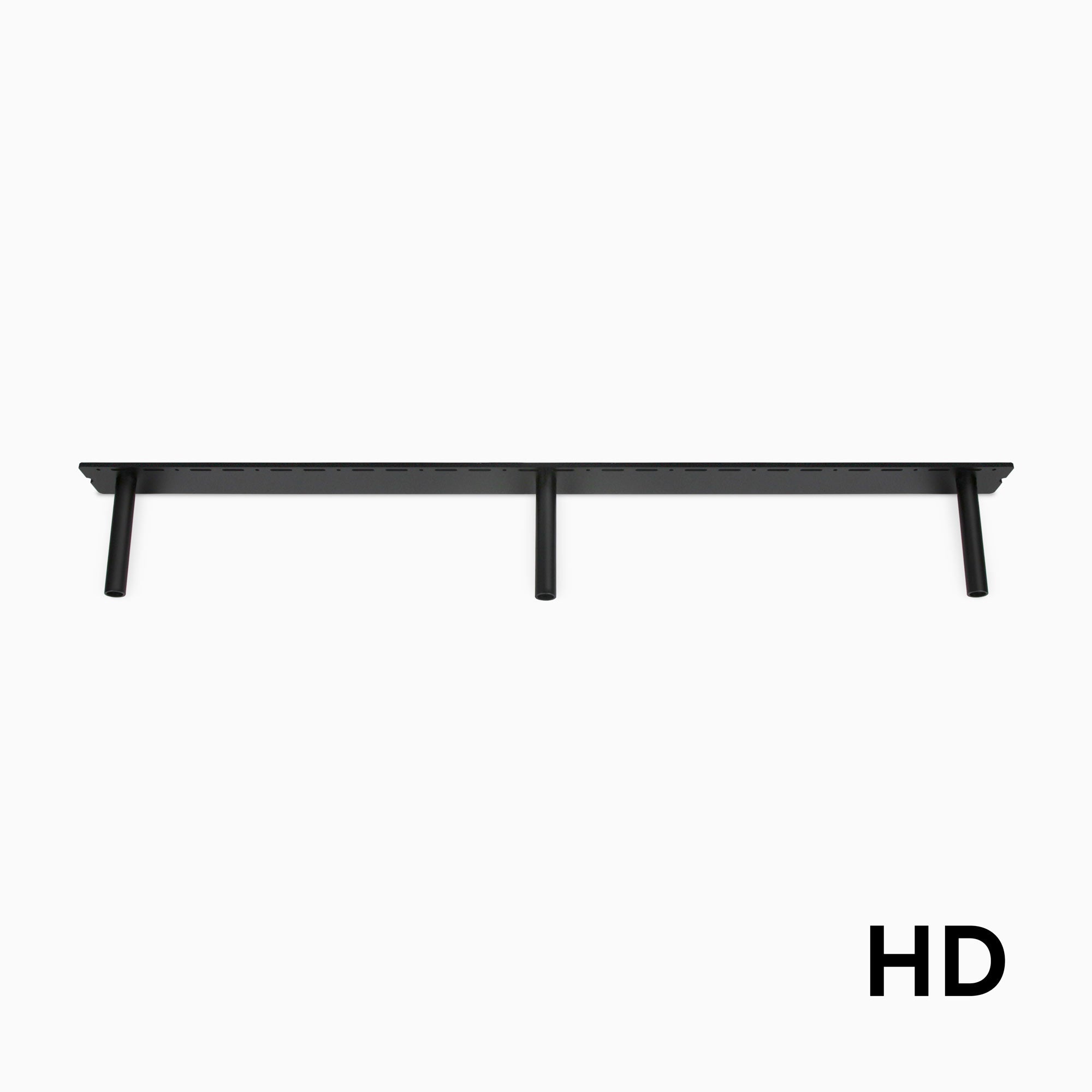
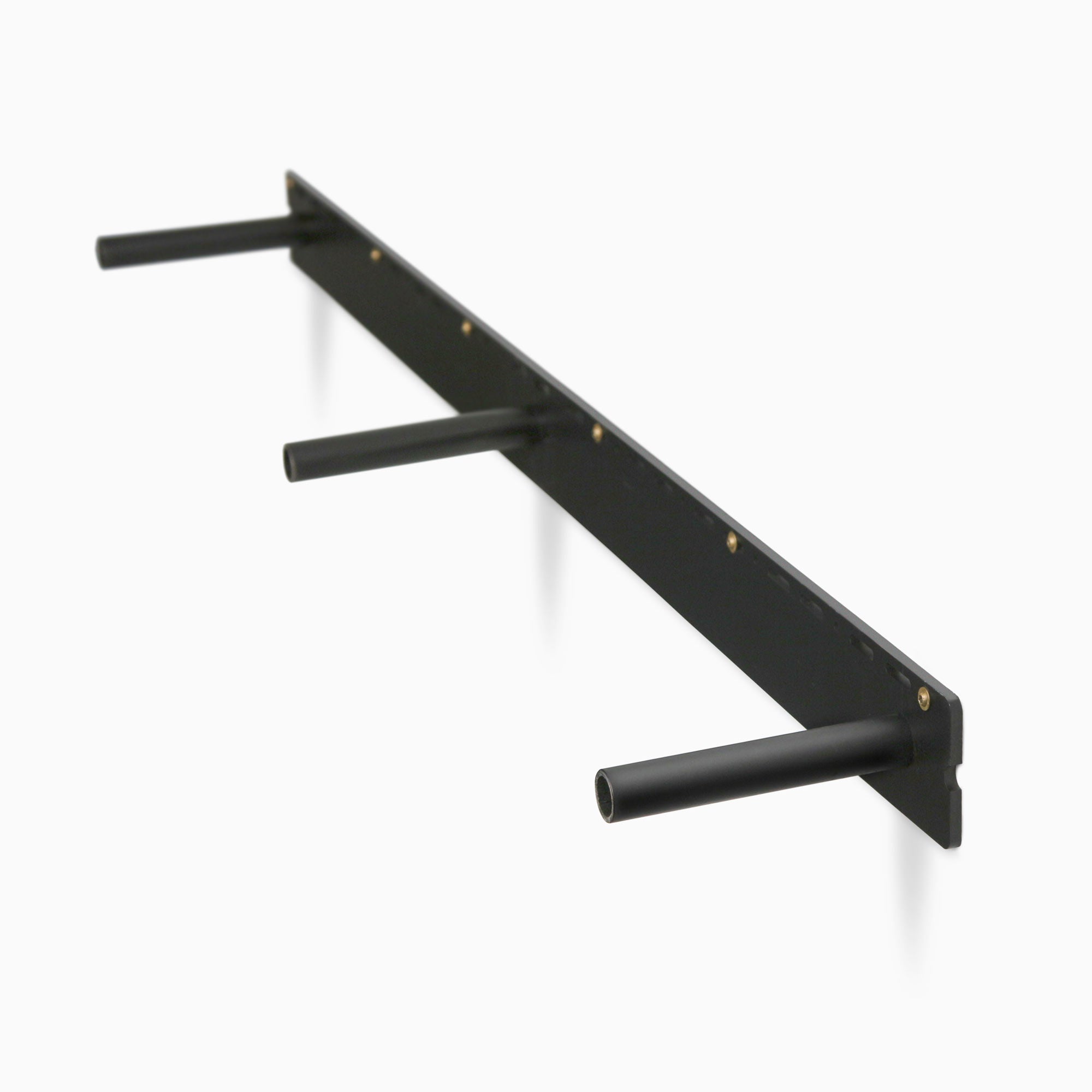
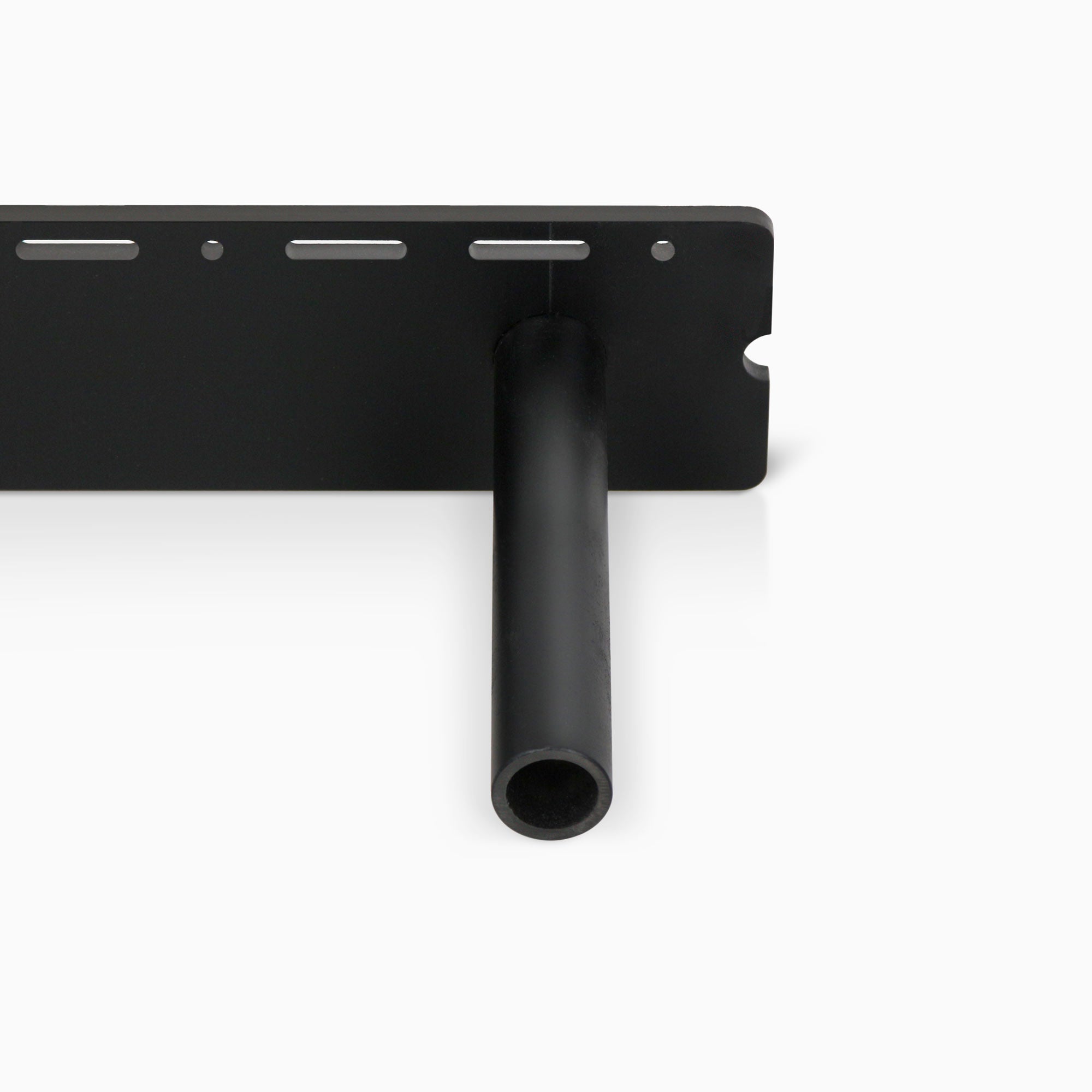
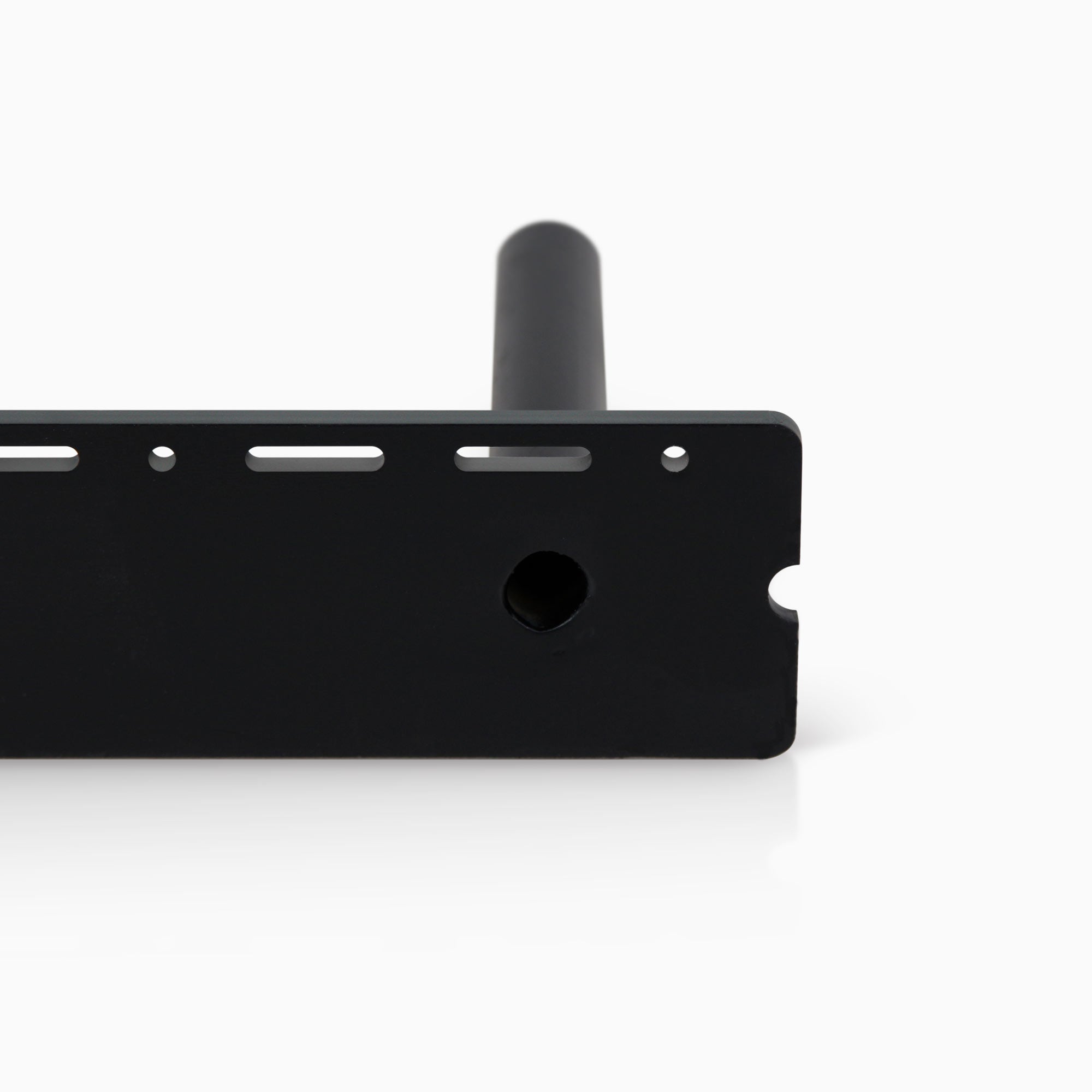
Glenn HD Floating Mantel Bracket
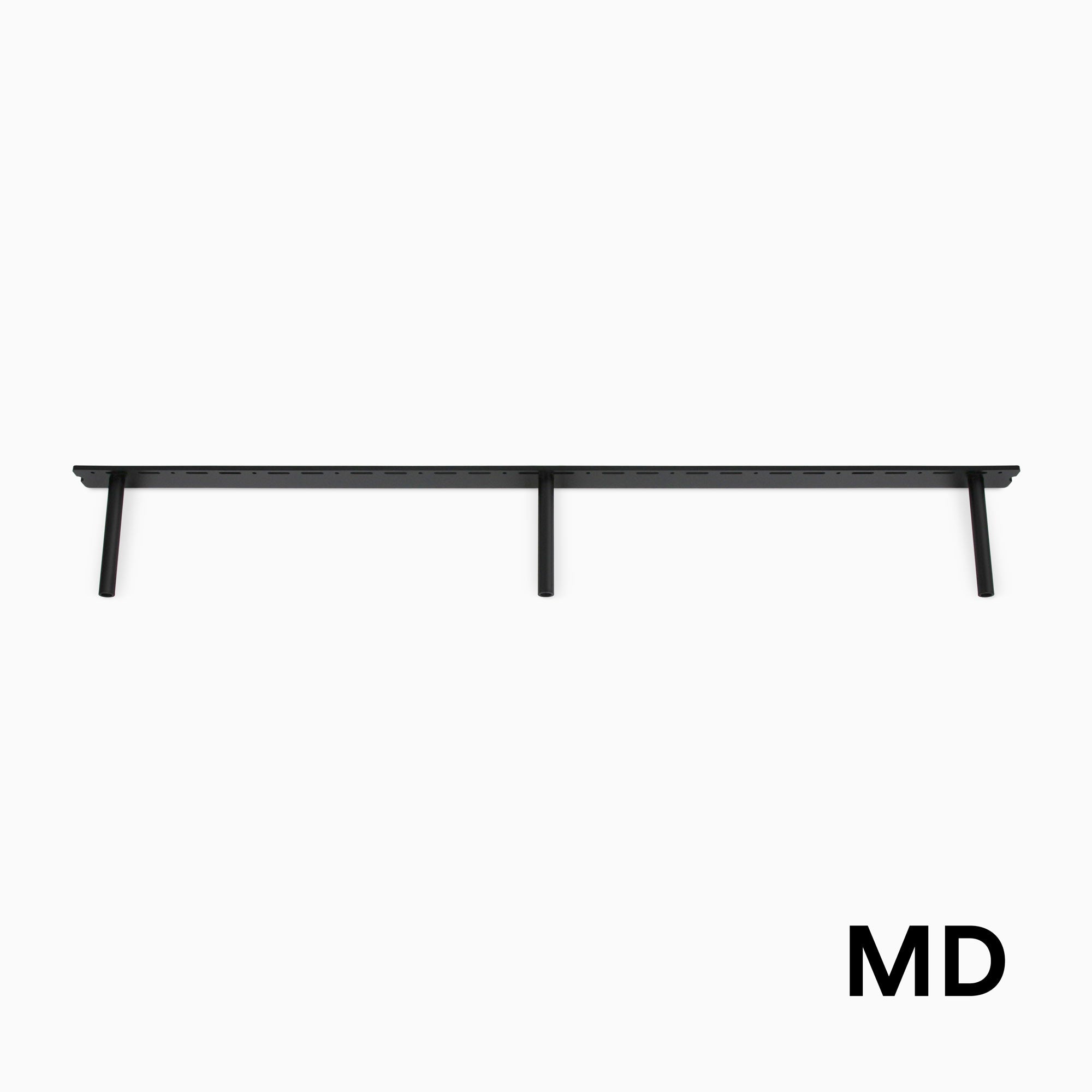
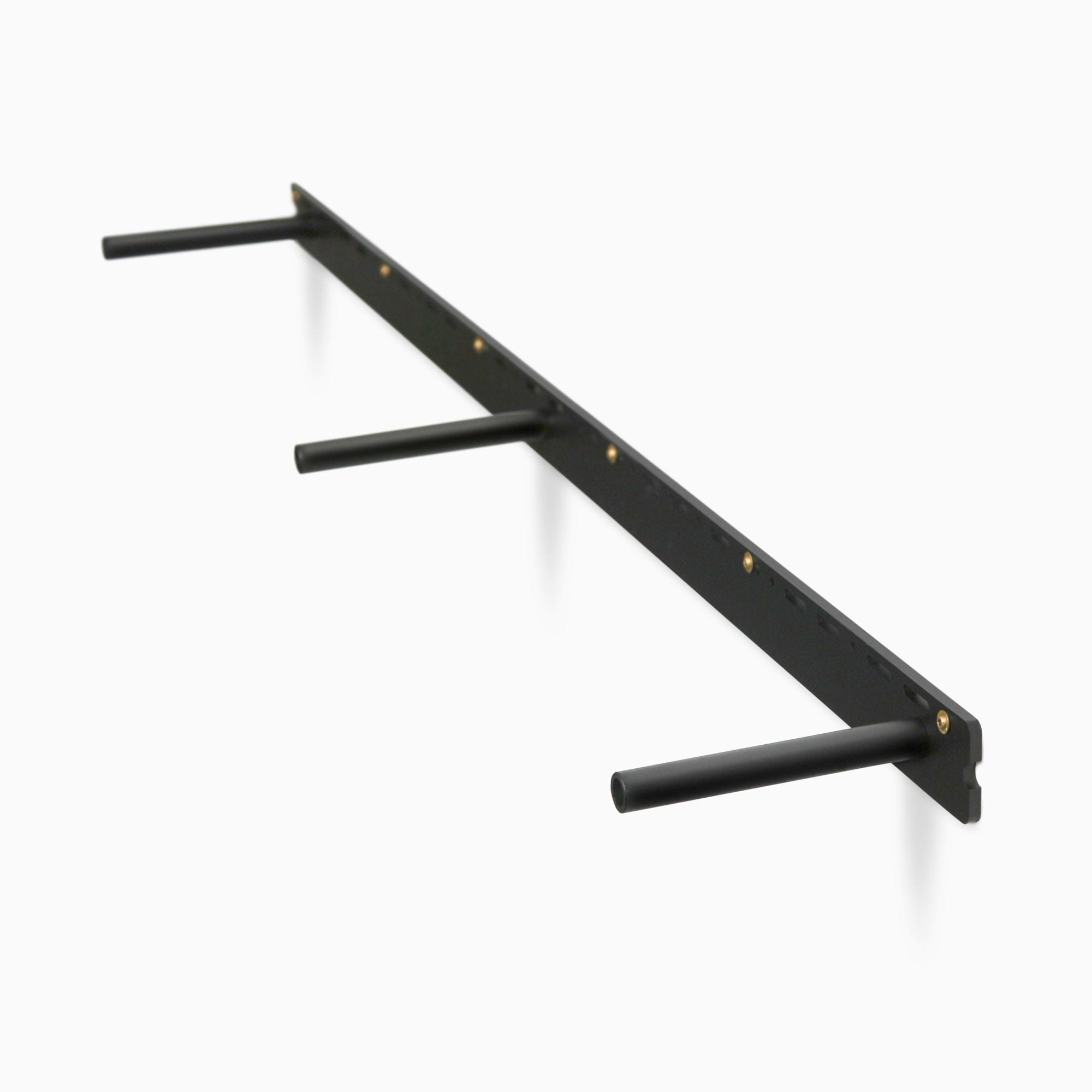
Glenn MD Floating Mantel Bracket

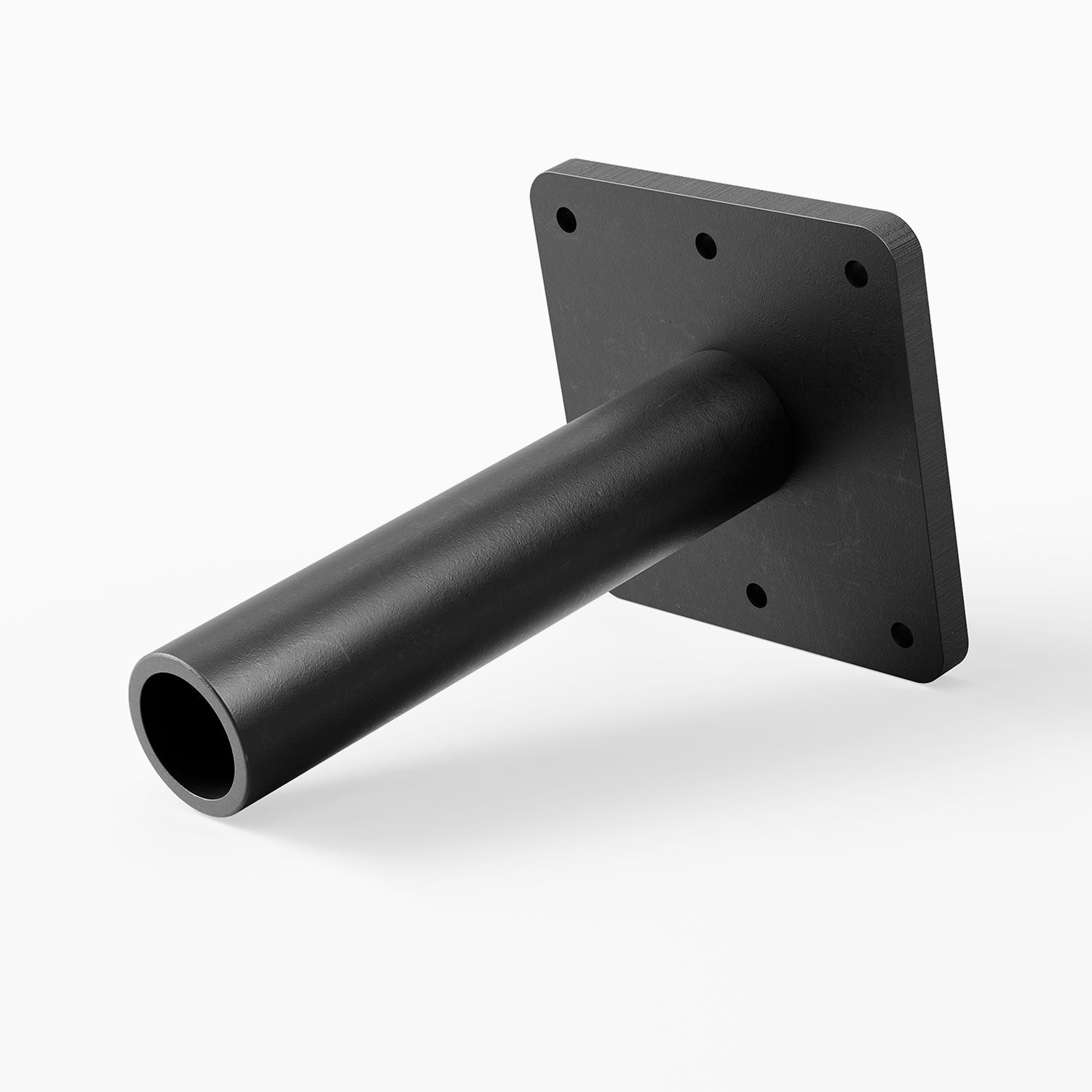
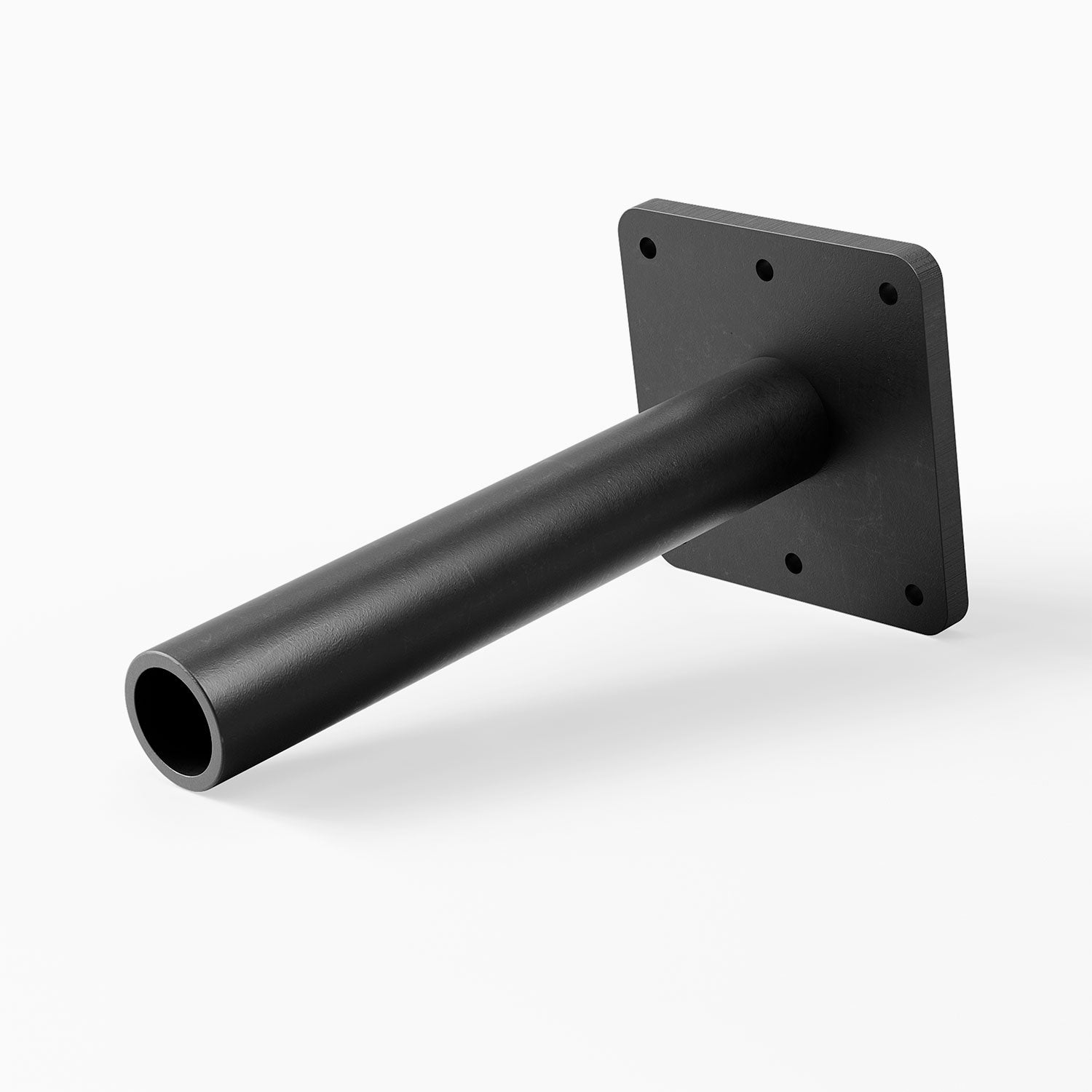
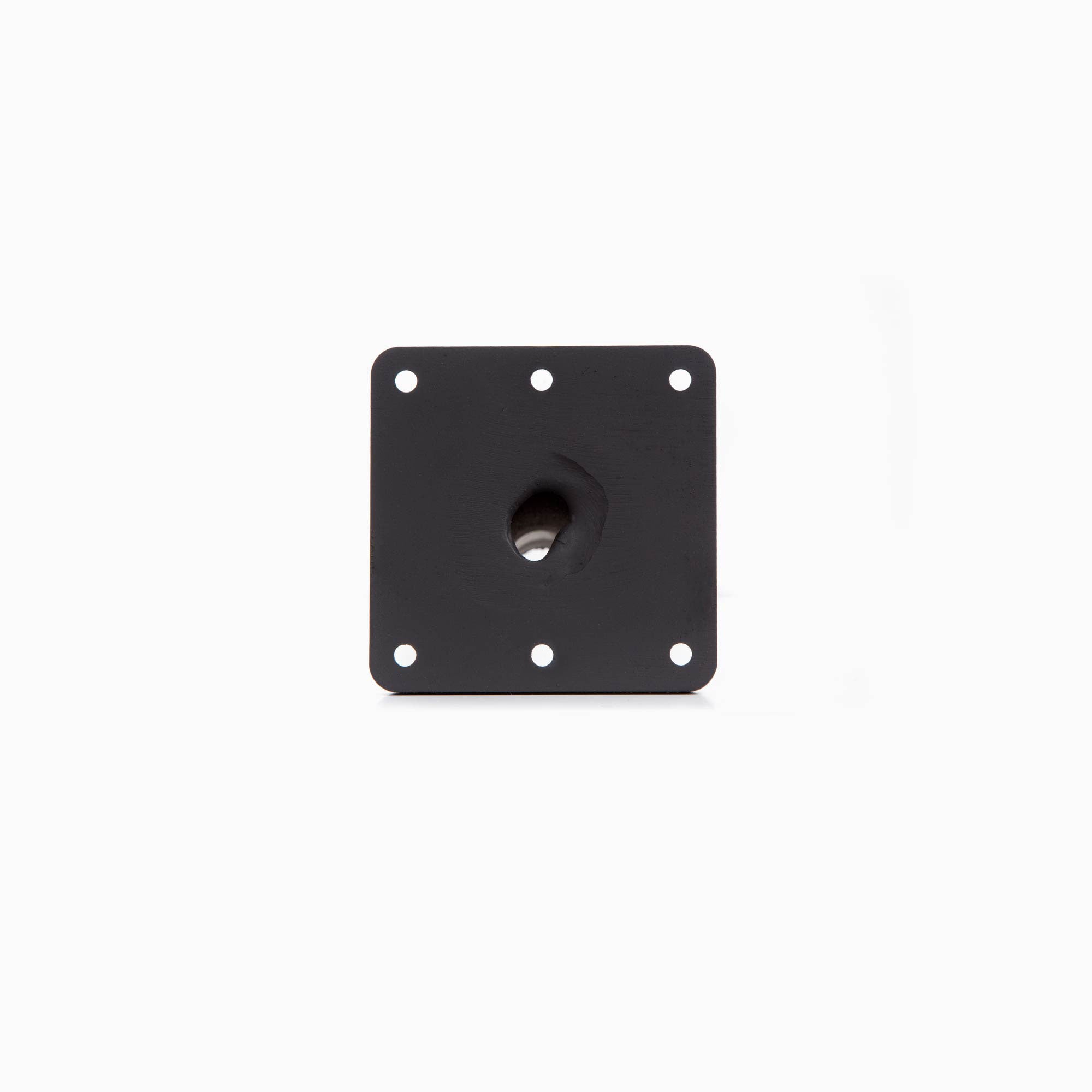
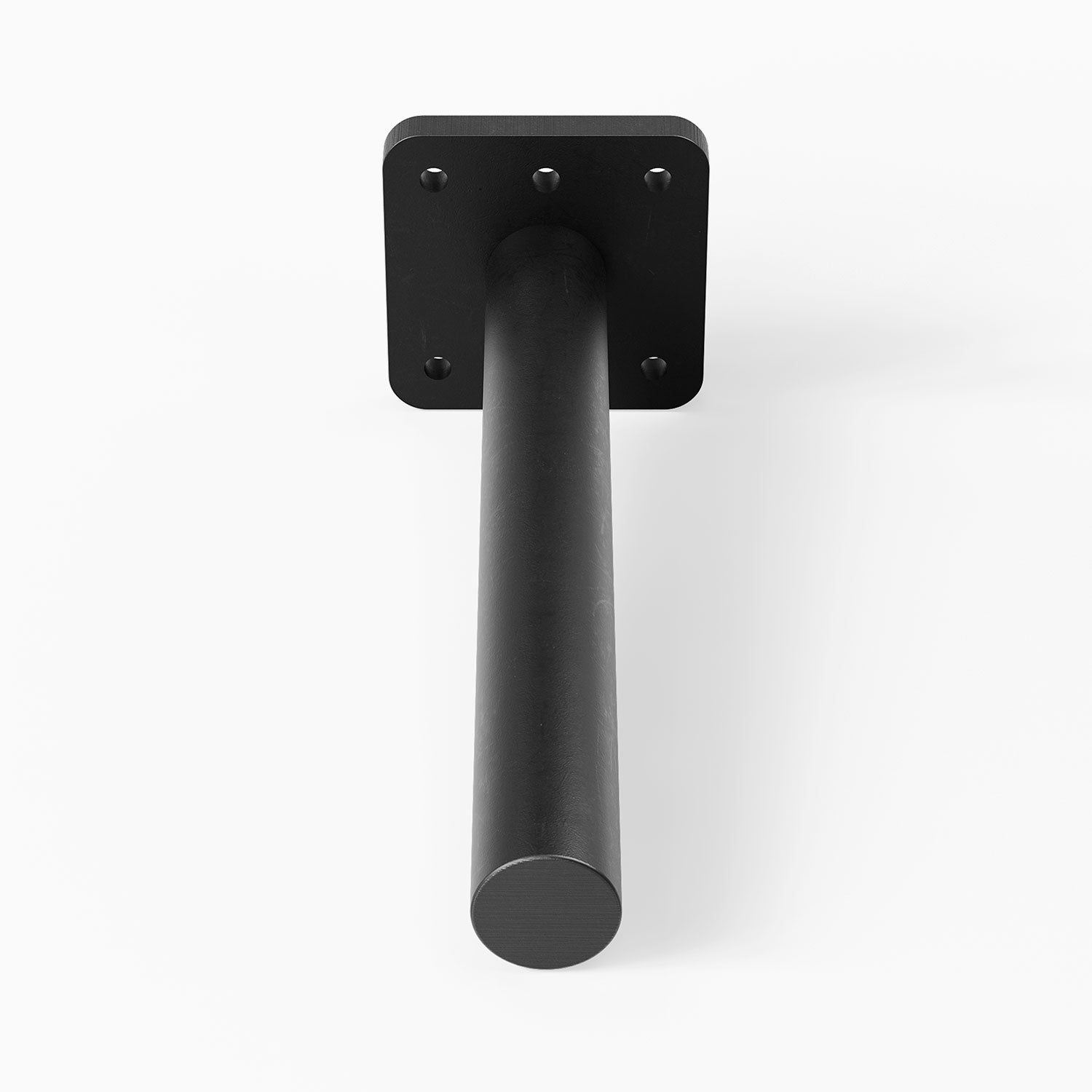
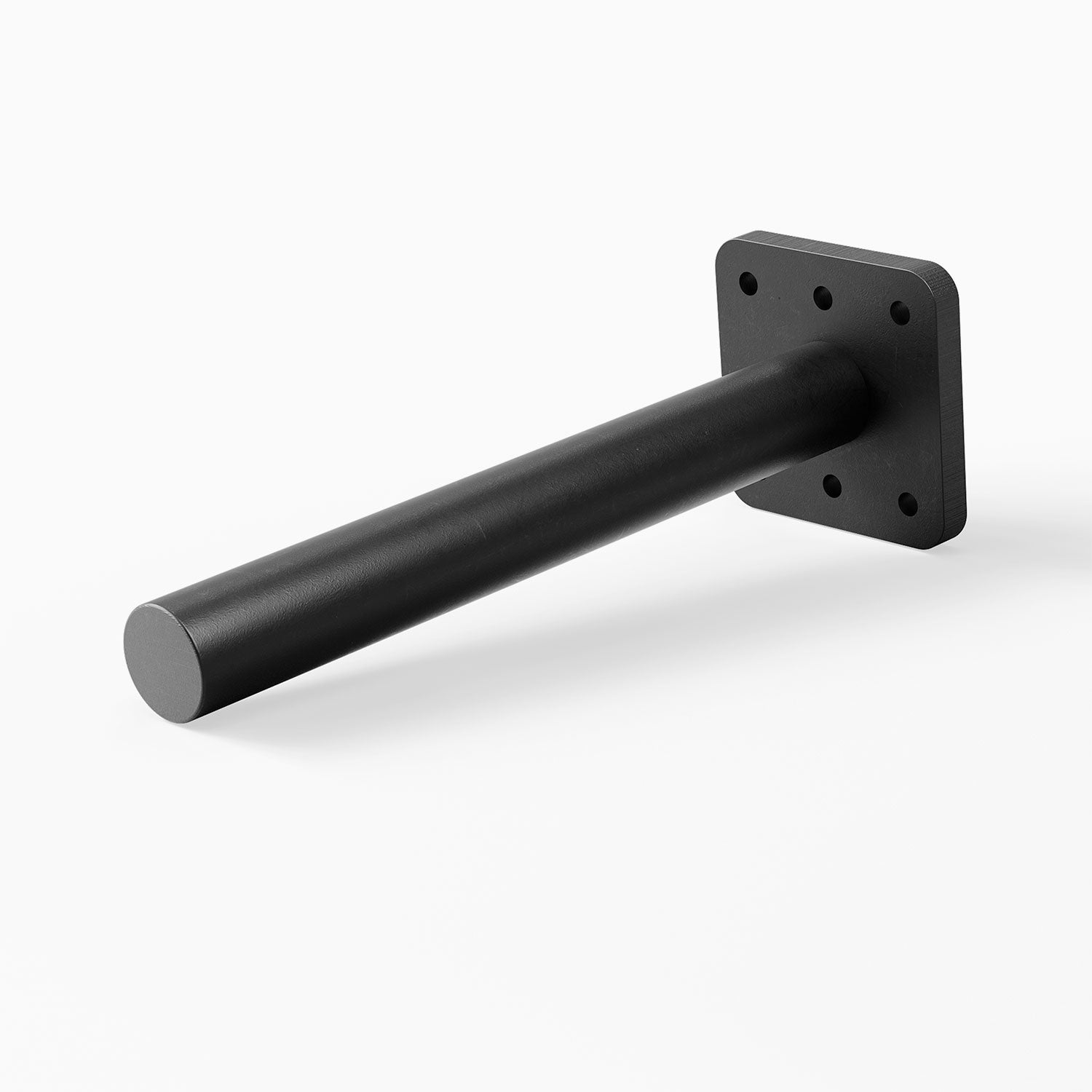
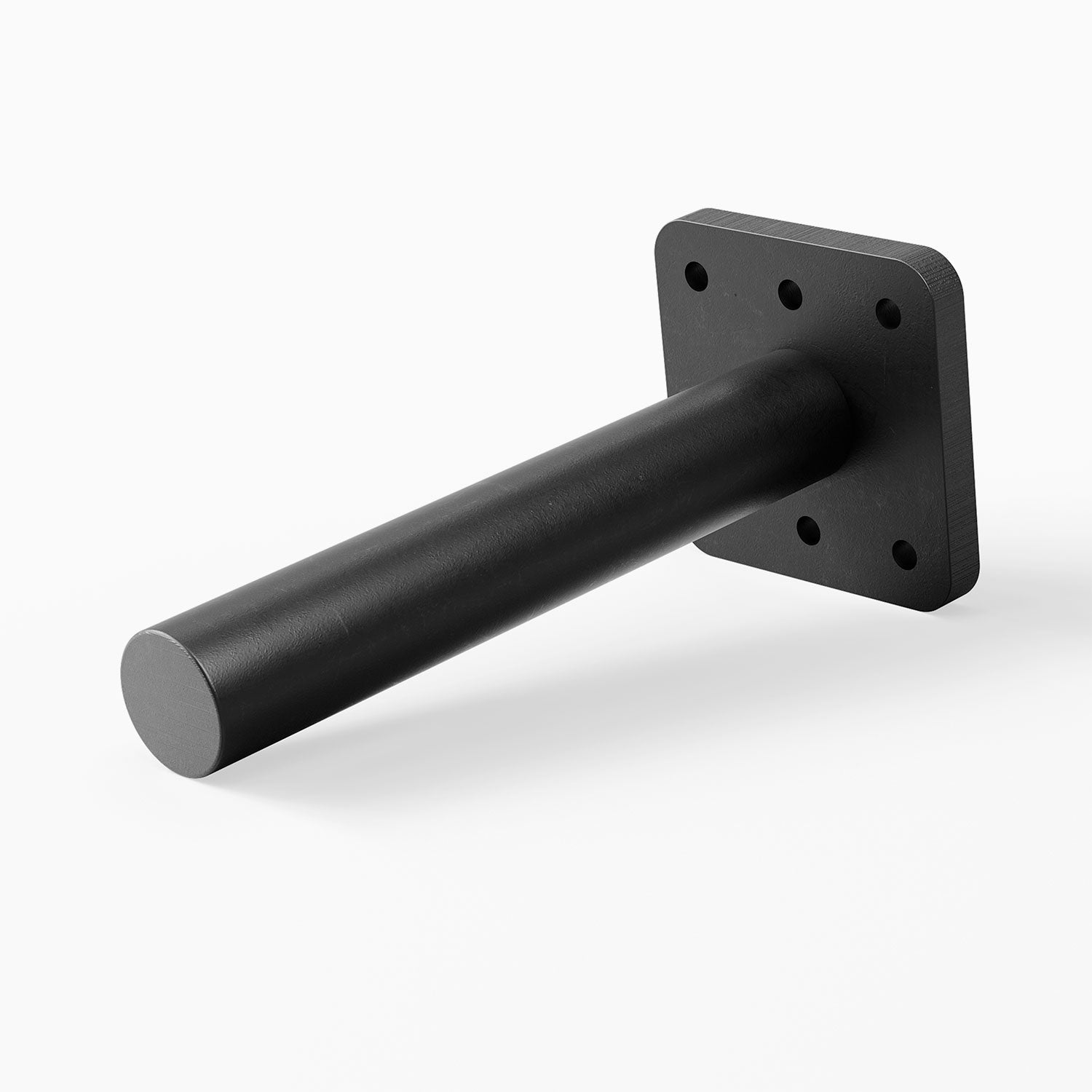
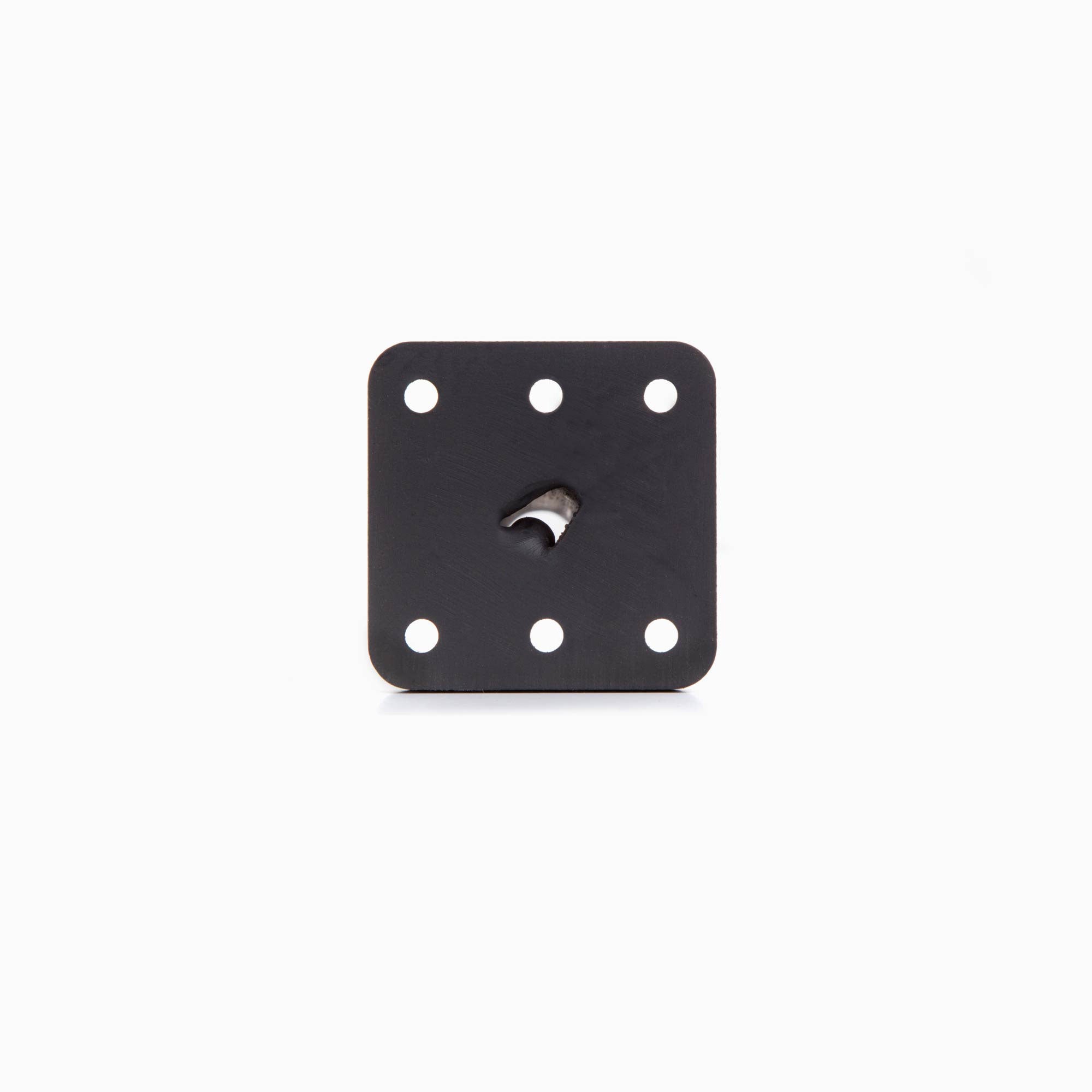
Choose the Right Floating Mantel Bracket
Two things determine which mantel bracket you need: how thick your mantel is, and how deep it runs from wall to face. The Glenn HD handles thicker, deeper mantels. The Glenn MD handles standard-profile mantels with a slimmer cross-section. Get these measurements before you order.
Glenn HD
- Mantel thickness: 3½” minimum
- Mantel depth: 7”–14”
- Load capacity: 300–1,500 lbs
- Rod diameter: 1” OD
- Best for: thick beams, live-edge slabs, heavy custom builds
Glenn MD
- Mantel thickness: 2¼”–3¼”
- Mantel depth: 7”–10”
- Load capacity: 200–1,000 lbs
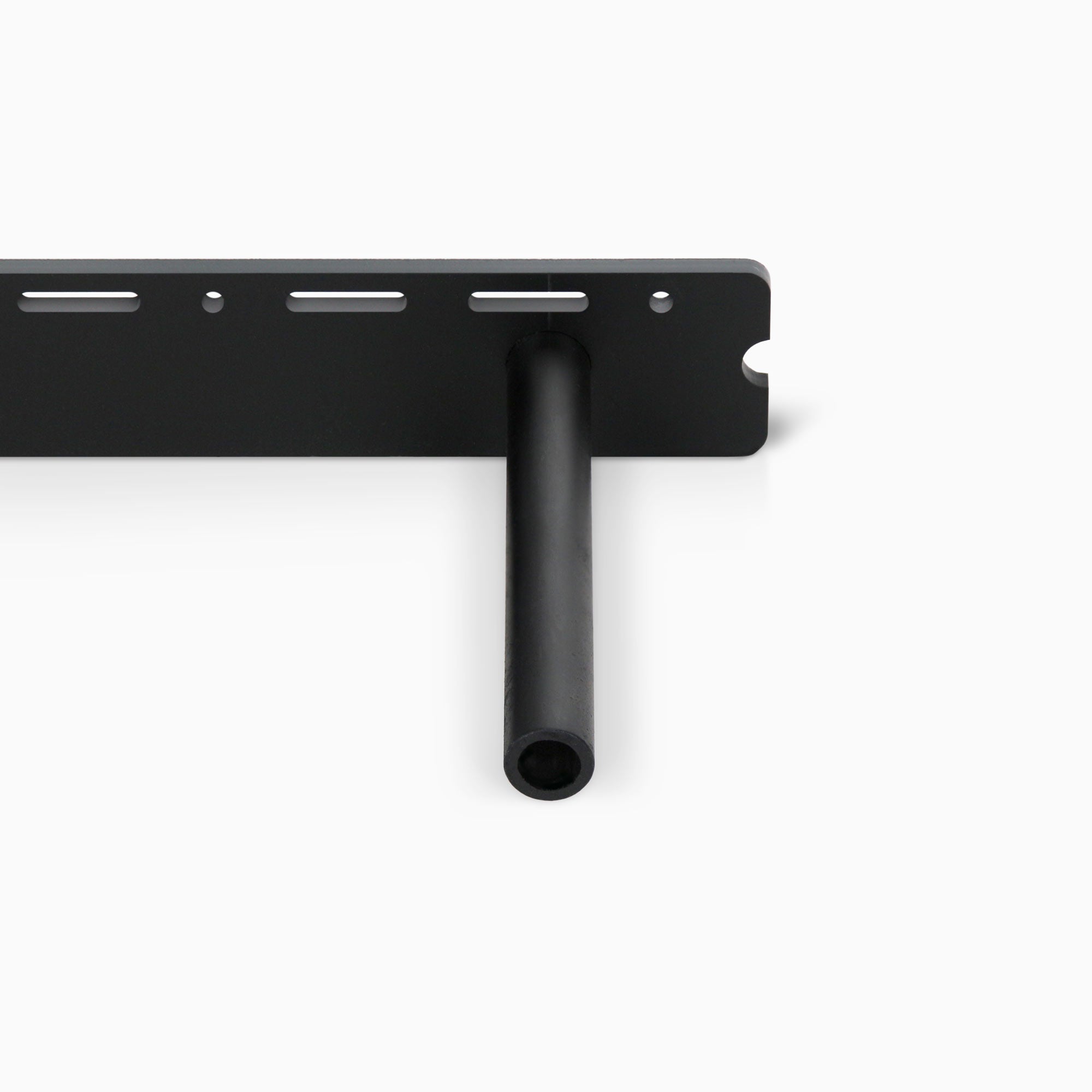
- Rod diameter: ¾” OD
- Best for: standard lumber mantels, slimmer profiles
Both systems require installation into wood studs, structural posts, or masonry — not drywall alone. Custom rod lengths are available if your mantel runs shallower than 7” deep.
Not sure which one fits your project? Call us at 949.244.1083.
Glenn HD — For Thick, Heavy Mantels
Most mantels fail at the wall, not the wood. The mounting system transfers every pound of mantel weight — and everything sitting on it — into the framing behind the drywall. If the hardware can’t handle that load, nothing else matters.
The Glenn HD is built for mantels 3½” or thicker and up to 14” deep. Each 1” OD hollow steel rod is rated at 300 lbs when properly anchored into studs or structural posts. Because load capacity scales with rod count, longer mantels get more rods — and proportionally more capacity.
Glenn HD bar lengths and capacities
- 46” bar — 3 rods — 900 lbs — for mantels 48”–60”
- 58” bar — 4 rods — 1,200 lbs — for mantels 60”–72”
- 70” bar — 5 rods — 1,500 lbs — for mantels 72”–80”
- 78” bar — 5 rods — 1,500 lbs — for mantels 80”–96”
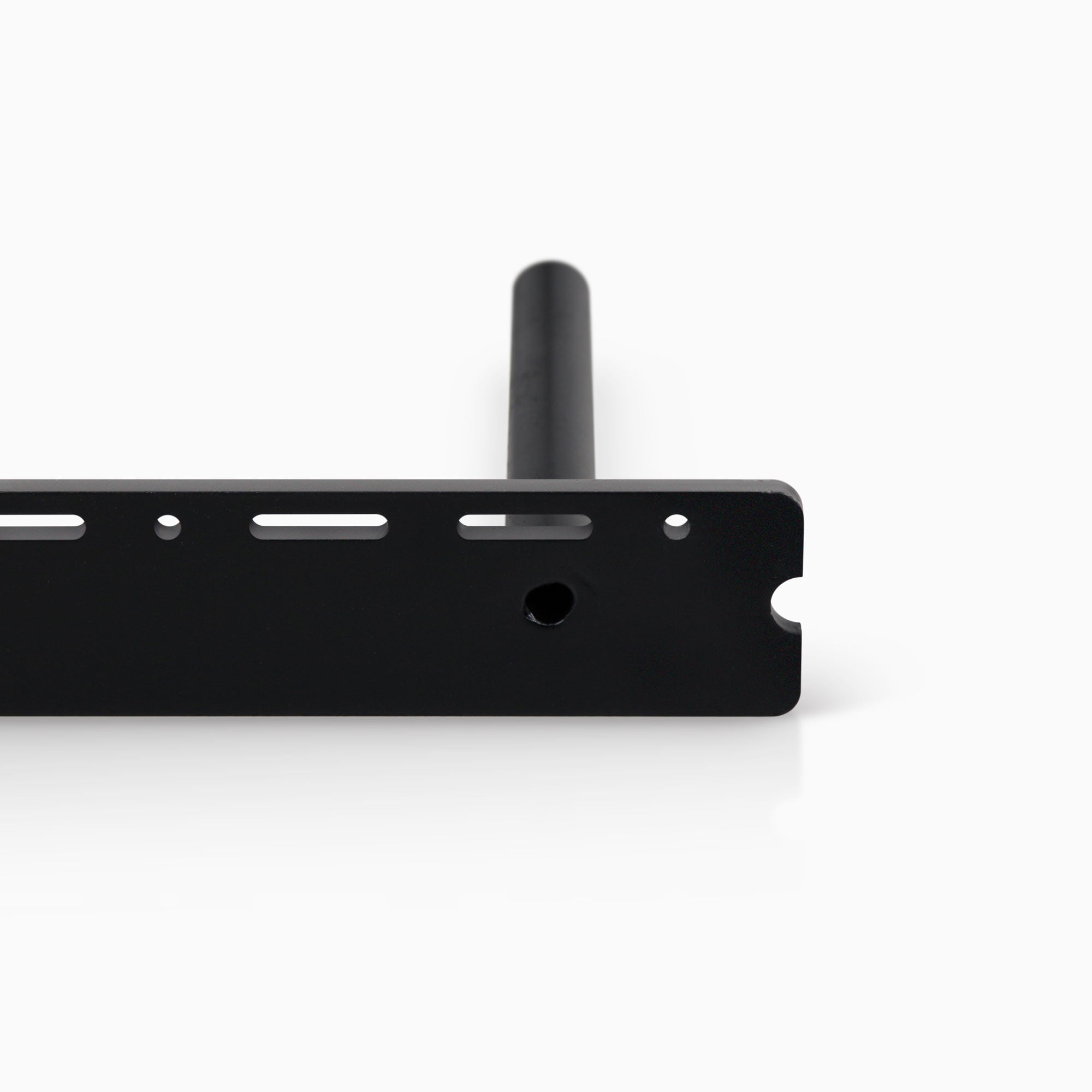
The back bar is ¼” hot-rolled American steel — 70% recycled content, designed and engineered in the US. Fastener holes run 1” OC from each end and 4” OC down the bar length, giving you consistent anchoring points across the full span. Rods are positioned 2” in from bar ends.
If your mantel runs shallower than 7”, custom rod lengths are available. Order rods 1½” shorter than your actual mantel depth.
Patent pending design. Download HD Spec Sheet
Glenn MD — For Standard-Profile Mantels
Not every mantel is a reclaimed 6×8 beam. A lot of them are built-up lumber — solid wood mantels in the 2¼”–3¼” thickness range that don’t need the larger rod diameter of the HD, and don’t have the depth to accommodate it.
The Glenn MD uses ¾” OD hollow steel rods, each rated at 200 lbs when installed into studs. The back bar is the same ¼” hot-rolled American steel as the HD — same recycled content, same US design — but the rod diameter is sized specifically for standard-profile mantels. Trying to fit 1” HD rods into a thinner mantel leaves you with insufficient wood around each rod. The MD solves that.
Glenn MD bar lengths and capacities
- 46” bar — 3 rods — 600 lbs — for mantels 48”–60”
- 58” bar — 4 rods — 800 lbs — for mantels 60”–72”
- 70” bar — 5 rods — 1,000 lbs — for mantels 72”–80”
- 78” bar — 5 rods — 1,000 lbs — for mantels 80”–96”
Mantel depth range for the MD is 7”–10”. If your mantel is deeper than 10” and thinner than 3½”, contact us — you may be at a crossover point where a custom configuration makes sense.
Patent pending design. Download MD Spec Sheet
What You Need to Know Before You Buy
Measure your mantel first
You need three numbers: thickness, depth (wall to face), and length. Thickness determines whether you need the HD or MD. Depth determines which rod length to order. Length determines which bar size you need.
The wall matters as much as the mantel
Both the Glenn HD and Glenn MD require solid backing — wood studs, a structural post, or masonry. If your fireplace surround is all drywall with no framing behind it, these brackets can’t be safely installed until you address the backing. This isn’t a limitation of the hardware; it’s how load-bearing wall attachment works.
Brick and masonry installation is possible, but more involved
Wall anchor sets and masonry anchors are included with every Glenn System order — predrill each location with a ¼” drill bit (Toggler brand anchors give the best results), and plan for a fastener and anchor every 4–6 inches in masonry and drywall spans. The drilling is more demanding than stud installation. When in doubt, contact us or work with a contractor who has masonry experience.
Mantels shallower than 7” need custom rods
Standard rod lengths assume a minimum 7” mantel depth. If yours is shallower, order custom rods — 1½” shorter than your actual mantel depth. Both systems support this.
Non-combustible clearance requirements apply
Per standard building code (IRC R1001.11), combustible mantels must sit at least 12” above the firebox opening, and combustible material within 12” of the opening cannot project more than ⅛” for each 1” of distance from that opening. Your local building code, the fireplace manufacturer’s documentation, or the mantel material itself may impose additional requirements. These are not bracket requirements — they apply to the mantel installation overall. Check before you set your mounting height.
DIY installation is realistic with the right tools and solid wall backing
You’ll need a drill capable of reaching studs, a level, and the patience to locate framing accurately. Both systems include step-by-step install guides. If you’re uncertain about your wall backing or this is your first structural wall installation, a contractor consult is worth the time.
Floating Mantel Brackets FAQ
Which bracket should I choose — Glenn HD or Glenn MD?
Glenn HD is for mantels 3½” or thicker, or up to 14” deep. Glenn MD is for mantels 2¼”–3¼” thick and 10” deep or less. Mantel thickness is the primary decision — the rod diameter is sized to that range, and you need adequate wood surrounding each rod for the system to work. If you’re unsure, call us at 949.244.1083 and we’ll help you spec it.
How do I know which bar length to order?
Bar length is determined by mantel length. For mantels 48”–60”, use the 46” bar (3 rods). For 60”–72”, the 58” bar (4 rods). For 72”–80”, the 70” bar (5 rods). For 80”–96”, the 78” bar (5 rods).
How much weight can these brackets hold?
Glenn HD: 300 lbs per rod, up to 1,500 lbs total when properly installed into studs or structural posts. Glenn MD: 200 lbs per rod, up to 1,000 lbs. Both ratings require solid backing — anchoring into drywall alone will not achieve rated capacity. Load scales with rod count, so longer bar configurations carry more total weight.
What surfaces can I install these on?
Wood studs, structural posts, masonry, or concrete. The Glenn system is not designed for drywall-only mounting. If there’s no solid backing behind your fireplace surround drywall, you’ll need to add blocking or a structural backer before installation.
Can I install floating mantel brackets on a brick fireplace?
Yes. Wall anchor sets and masonry anchors are included with every Glenn System order. Predrill each anchor location with a ¼” drill bit, install anchors flush with the surface, and plan for a fastener and anchor every 4–6 inches in all masonry spans. Use pan head fasteners with masonry anchors — Toggler brand anchors give the best results. Follow the step-by-step install guides: Glenn System Install Guide and MD Bracket Install Guide.
Are these brackets DIY-friendly?
Yes, with the right tools and confirmed wall backing. Both the Glenn HD and Glenn MD include step-by-step installation guides. You’ll need to locate and drill into studs or masonry — this isn’t a peel-and-stick install. For first-timers, follow the install guide carefully and confirm your wall backing before you order. Step-by-step guides: Glenn System Install Guide and MD Bracket Install Guide.
What if my mantel is shallower than 7”?
Custom rod lengths are available for mantel depths below 7”. Order rods 1½” shorter than your actual mantel depth. Contact us to spec the right length.
How high should a floating mantel be from the floor?
The industry standard is 54”–60” from the floor, with 54” being the most common starting point. Building code takes precedence over aesthetics: combustible mantels must sit at least 12” above the firebox opening per IRC R1001.11. Your fireplace manufacturer’s installation documentation may require additional clearance. Measure up from the top of your firebox opening first, then factor in ceiling height and room proportions to land on the right height for your space.
Can I use these above an electric fireplace?
Yes. The bracket hardware itself doesn’t conduct or transmit heat. Electric fireplaces produce far less radiant heat than gas or wood-burning units, so standard combustible clearance rules typically don’t apply — but check your specific electric fireplace manufacturer’s documentation for their recommended mantel clearances before you set mounting height.
Do these brackets work with any mantel material?
Yes — solid wood, reclaimed beams, live-edge slabs, and built-up lumber constructions. Mantels with stone or masonry veneer over a wood substrate require careful installation planning, as drilling through the veneer adds complexity. Contact us if you’re working with a non-standard mantel construction.
What’s the difference between these brackets and just using threaded rod?
Threaded rod setups require careful field fabrication — getting the diameter right, cutting to length, sourcing appropriate wall hardware, and ensuring the rod-to-wall connection handles rotational load properly. The Glenn system is engineered as a complete assembly: back bar, rod spacing, rod diameter, and wall fastener pattern are designed together. The load ratings reflect that engineered system. DIY threaded rod installs don’t come with rated capacities.