

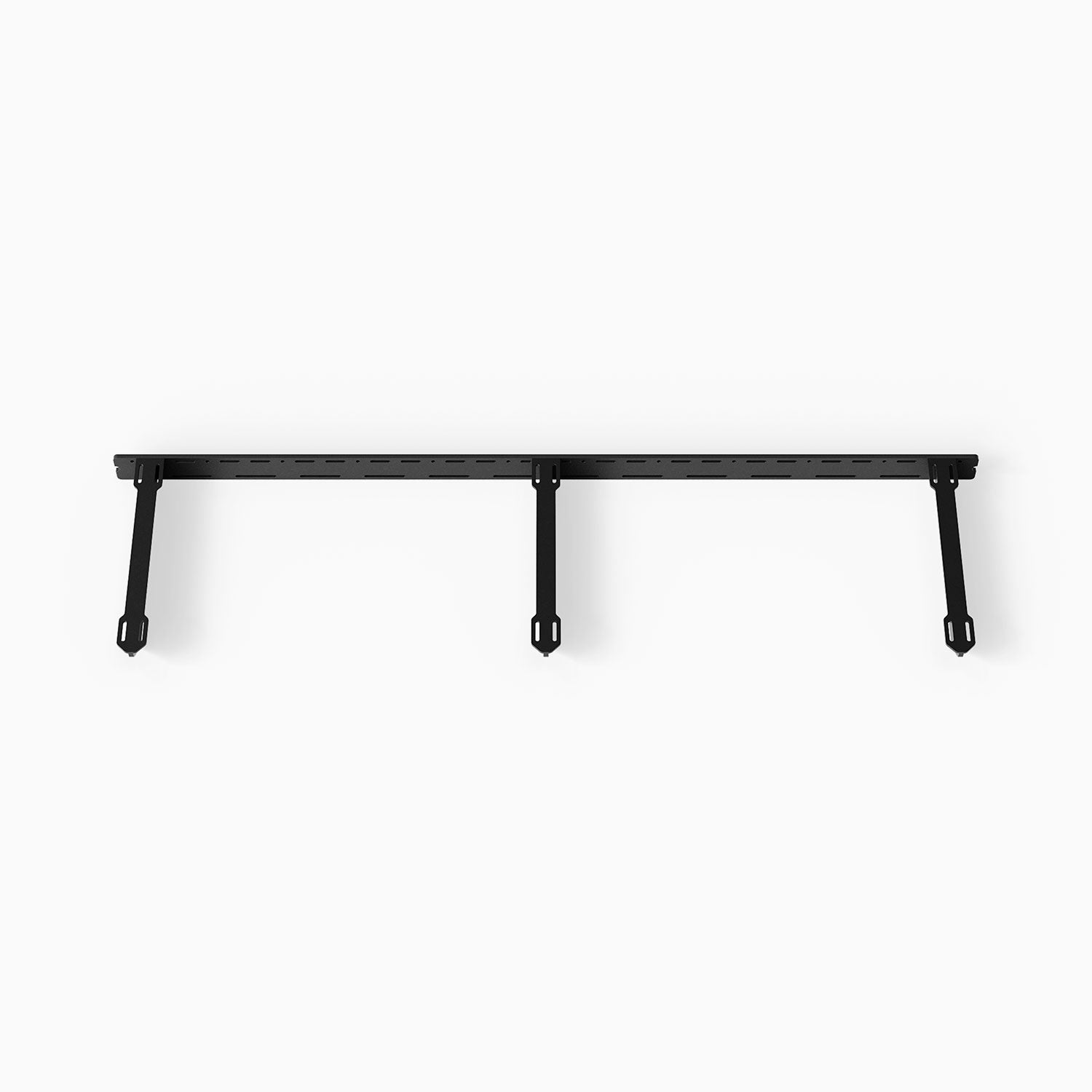
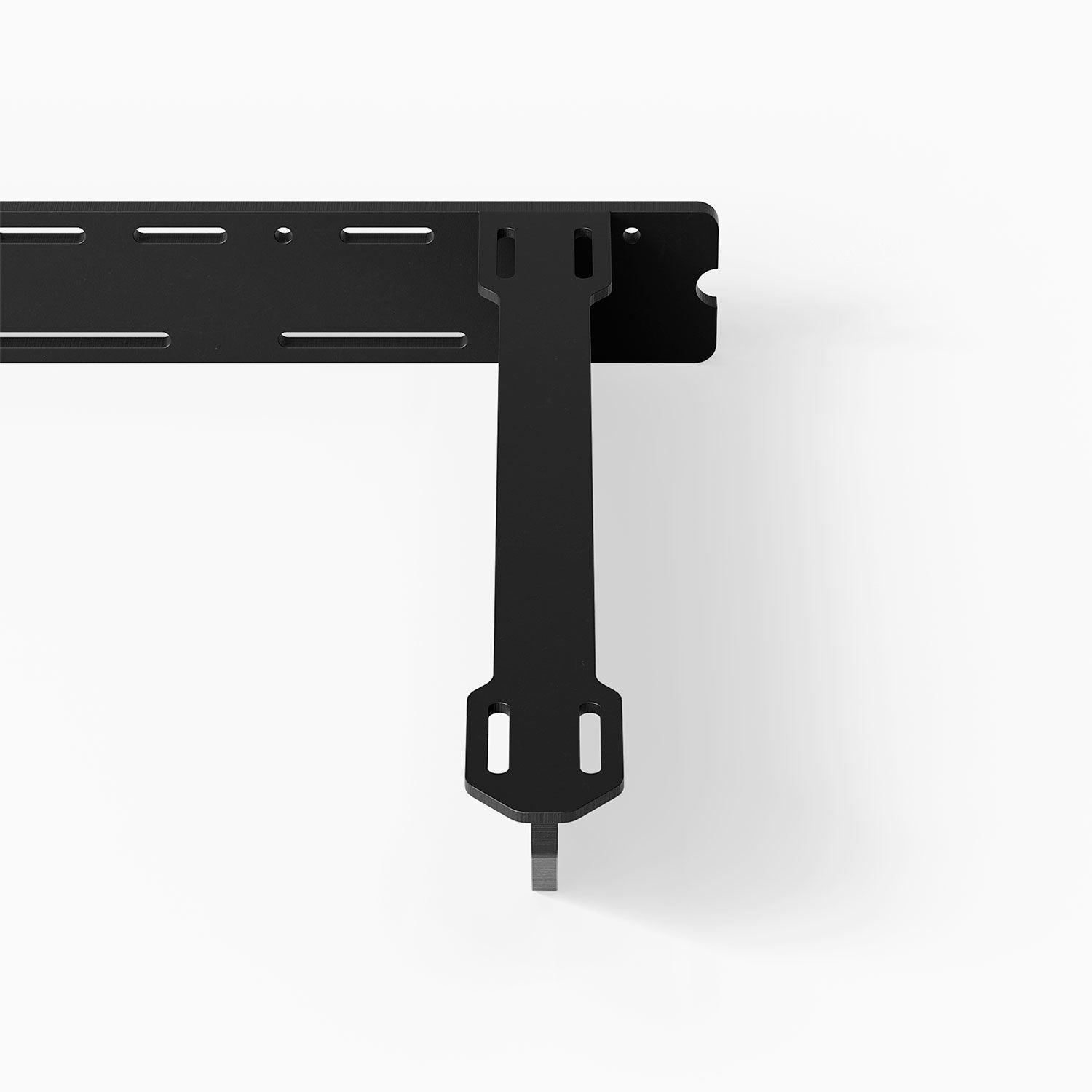
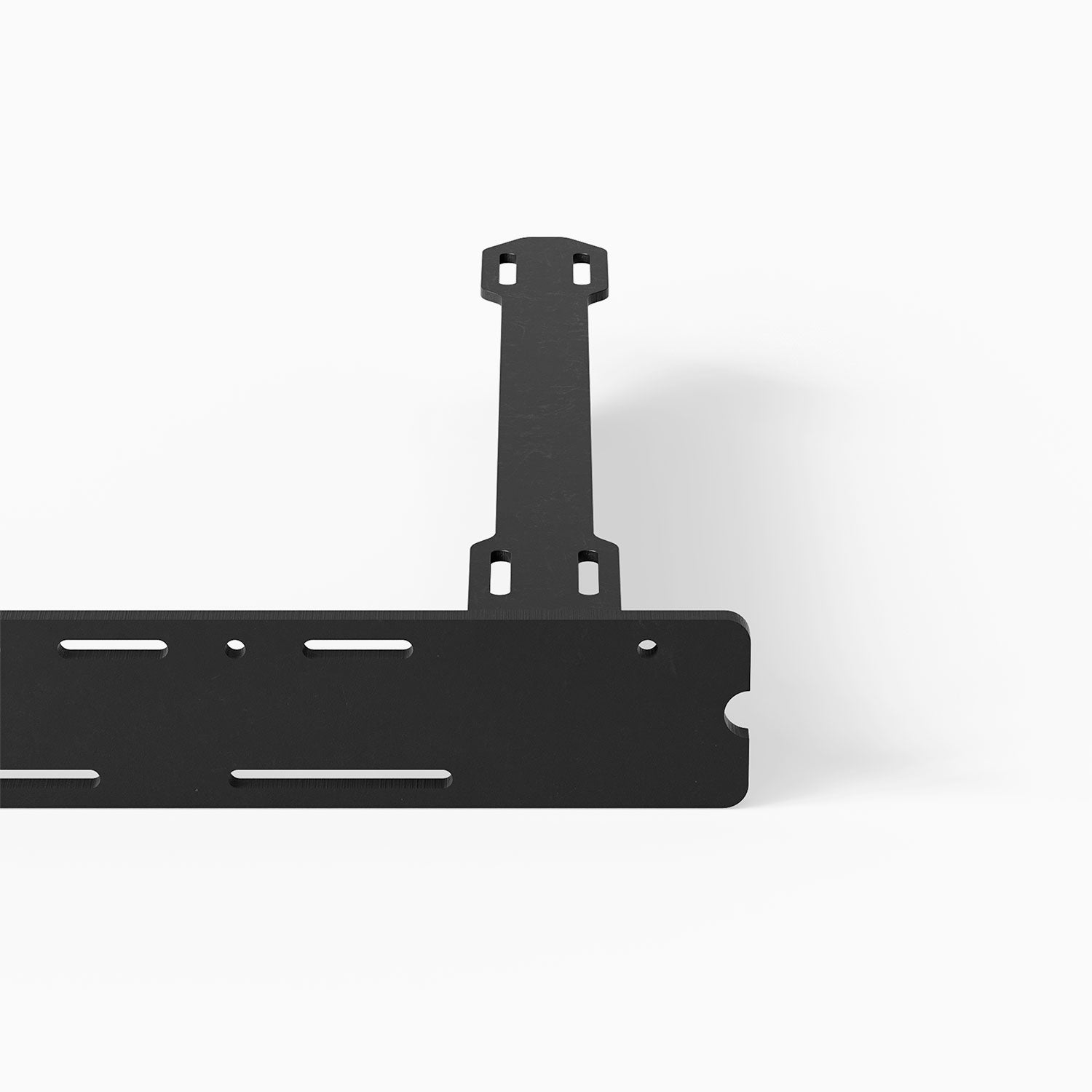
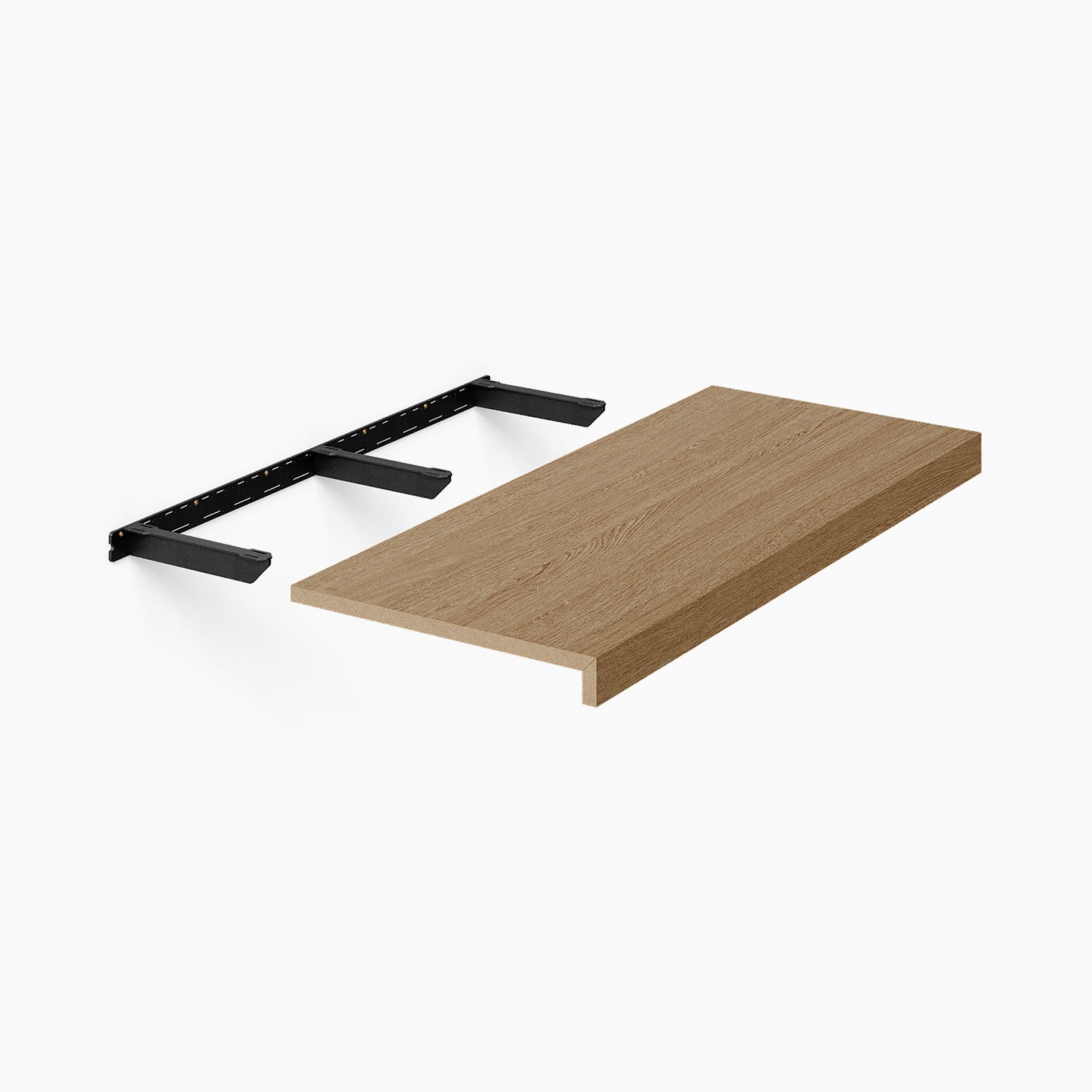
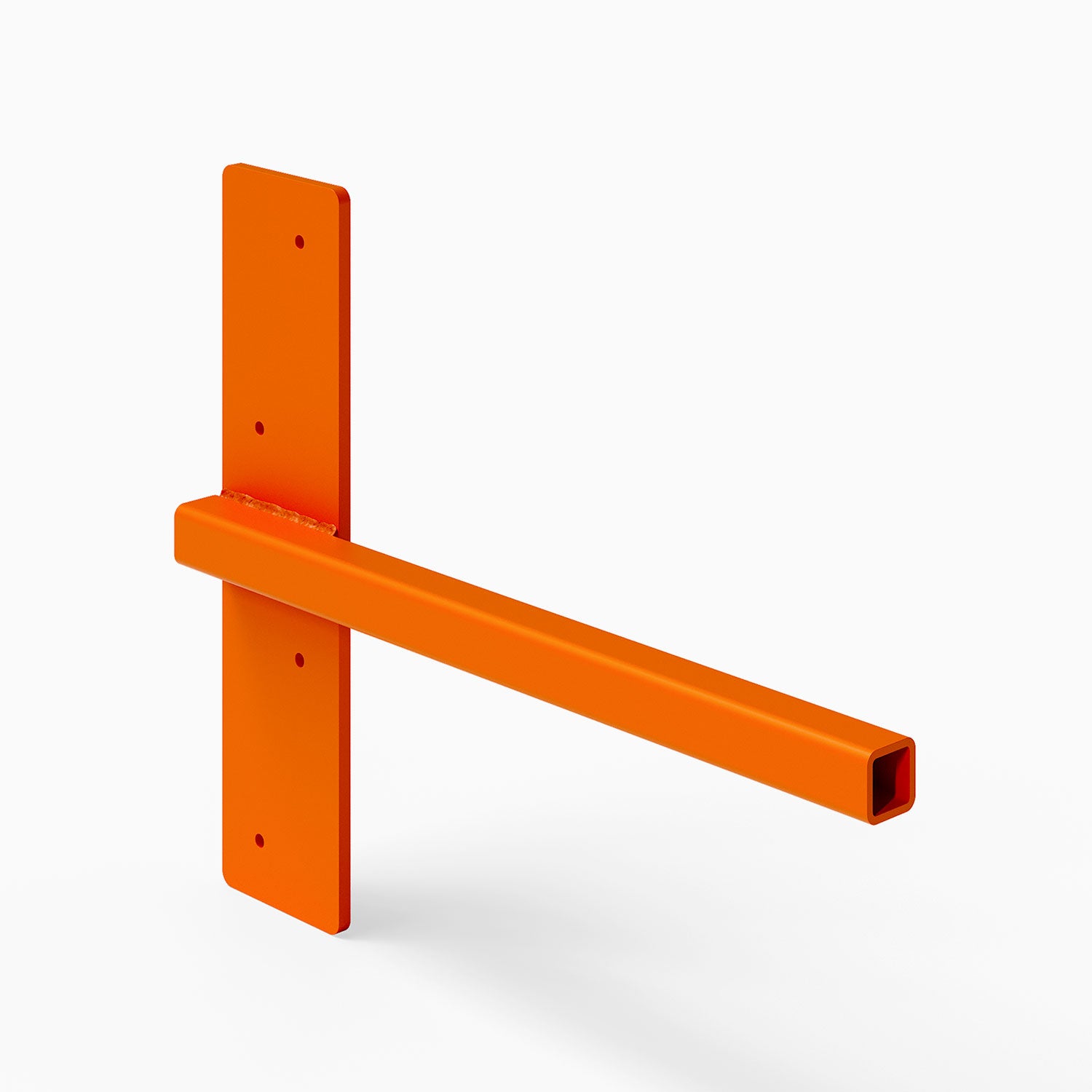
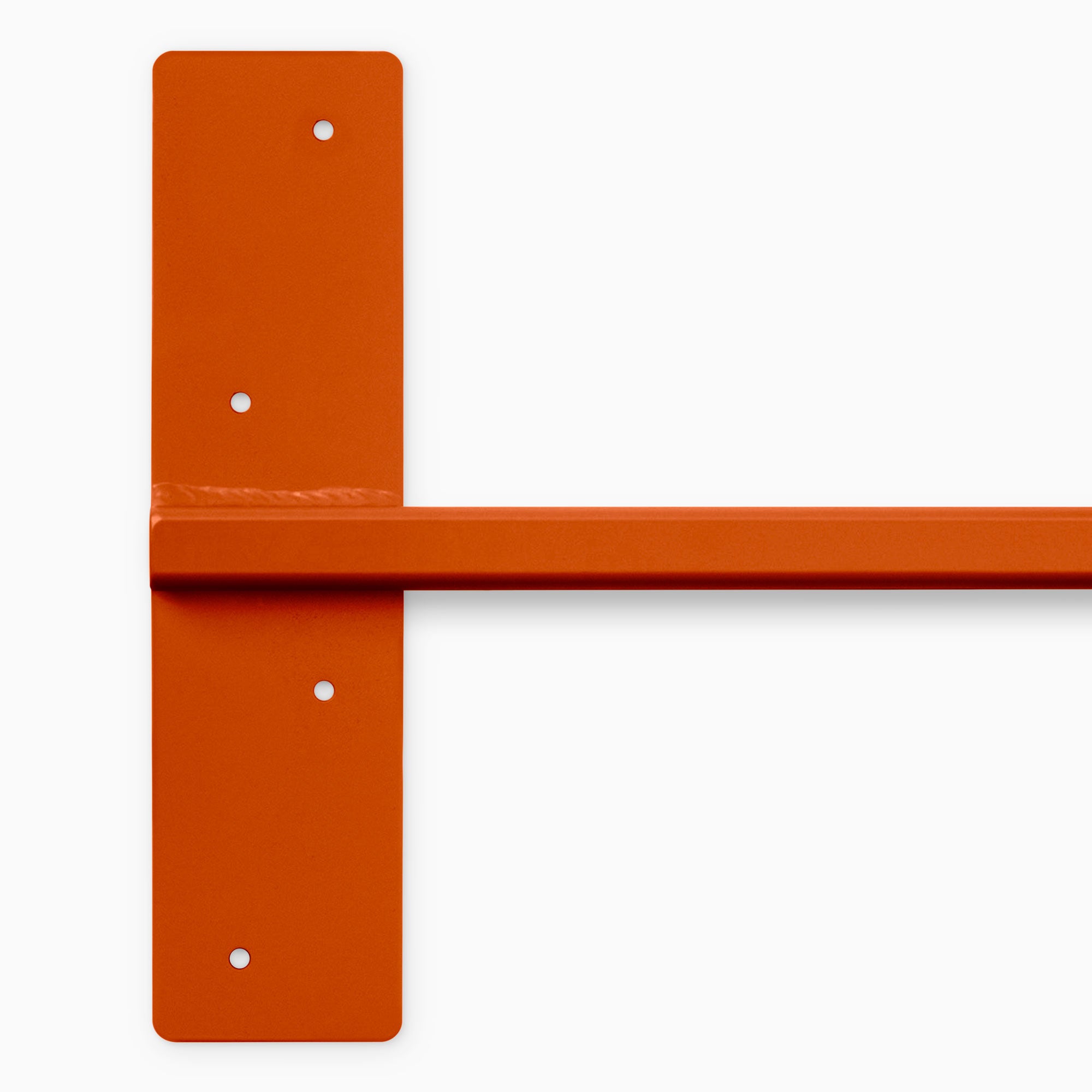
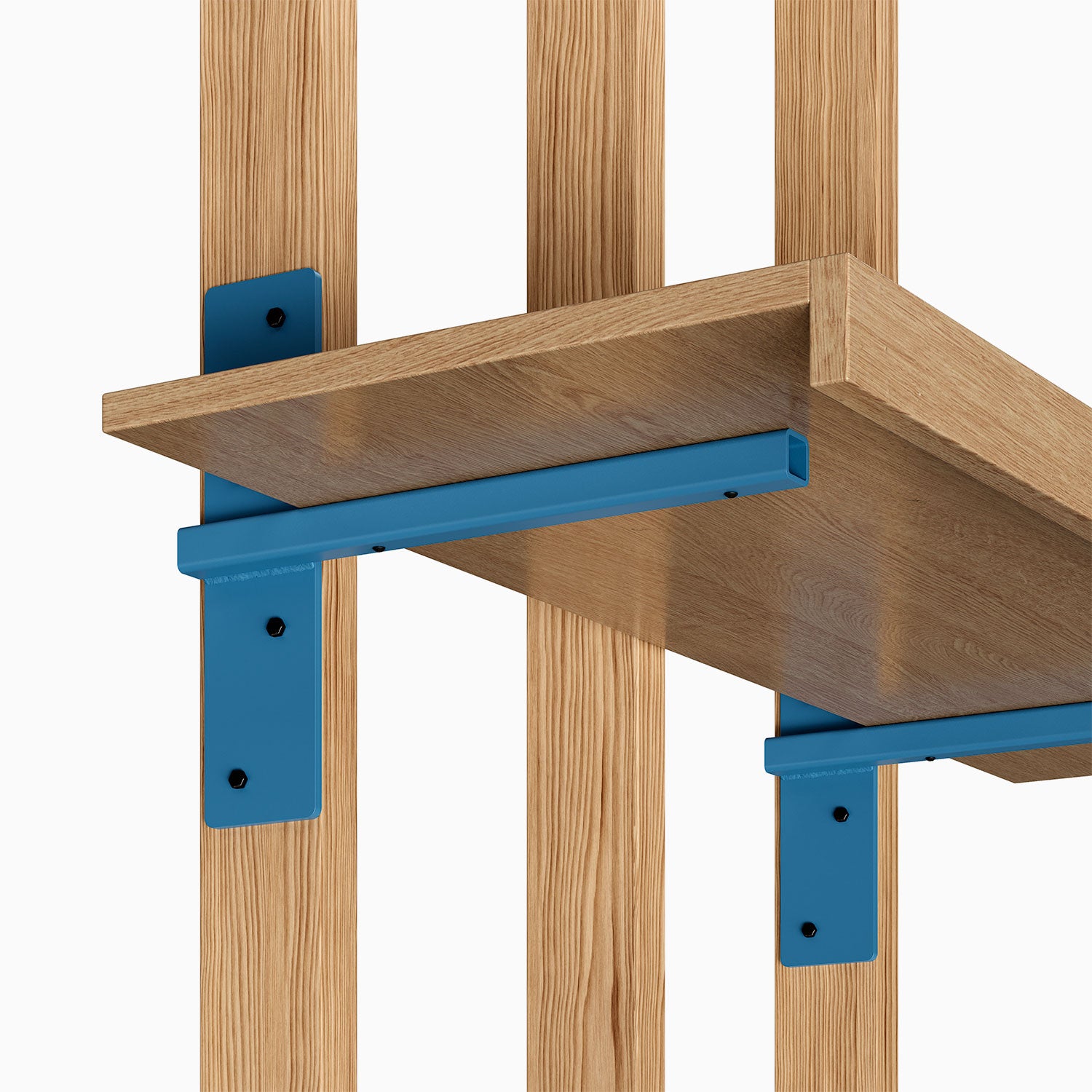
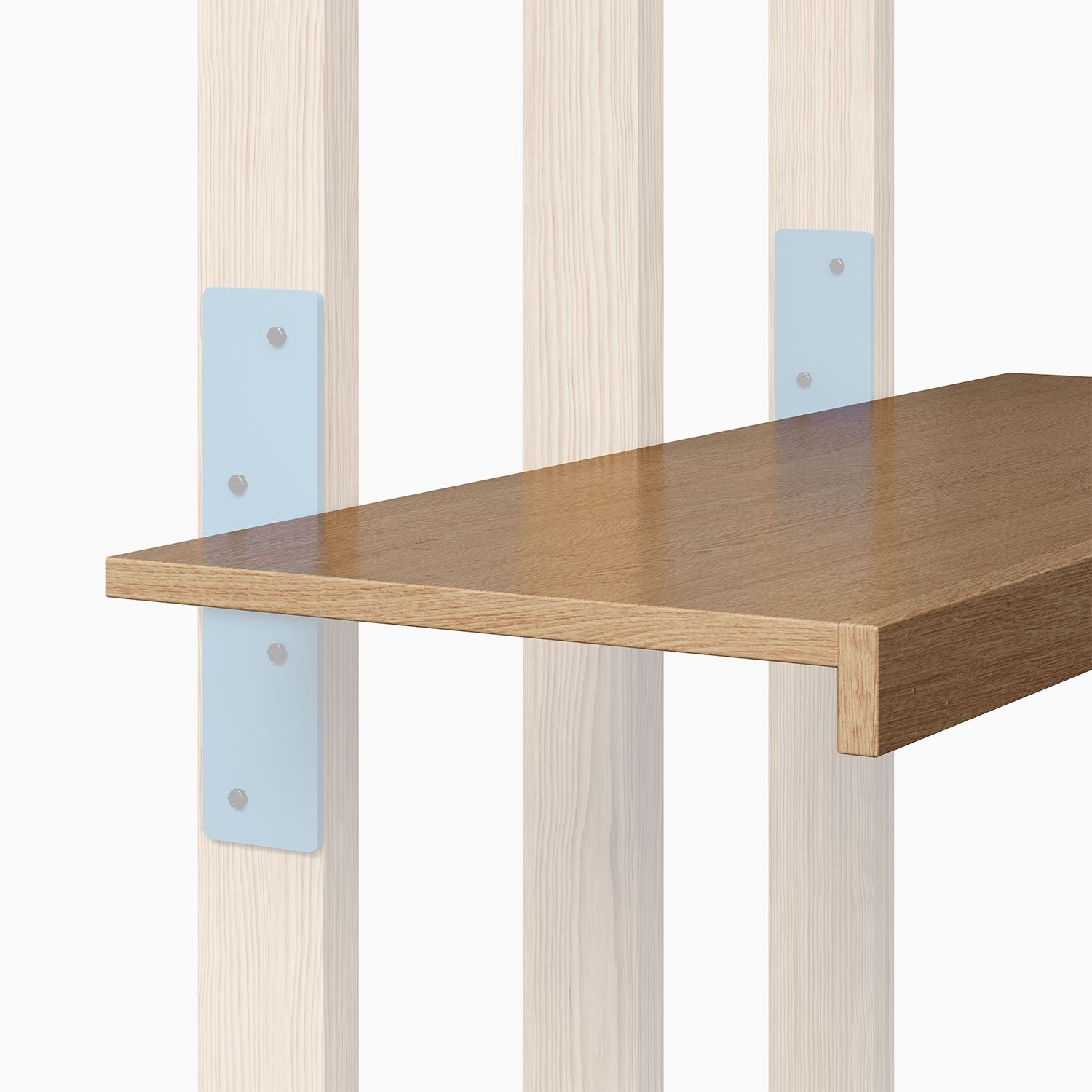
Yuri HD Floating Desk Bracket (Powder Coated)
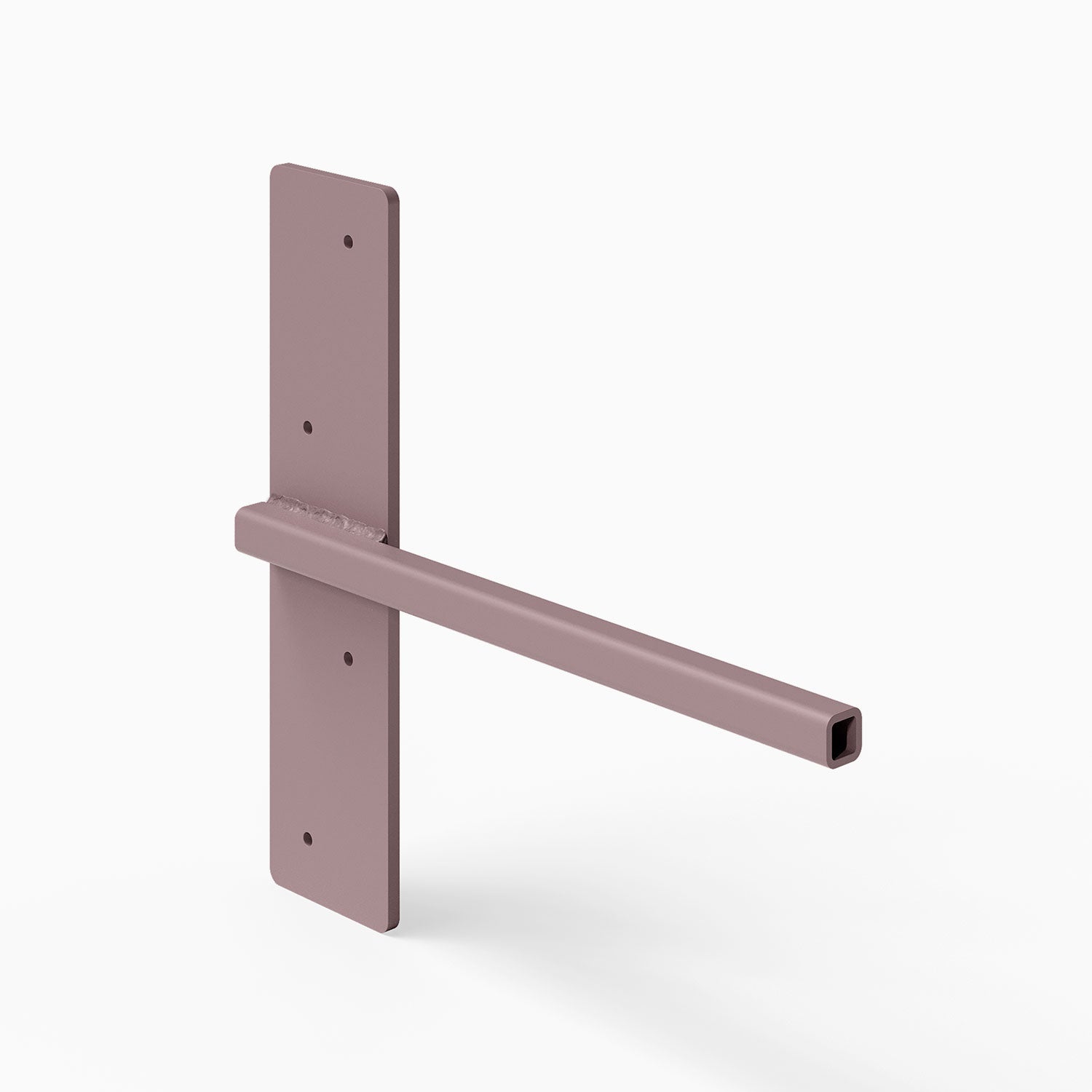
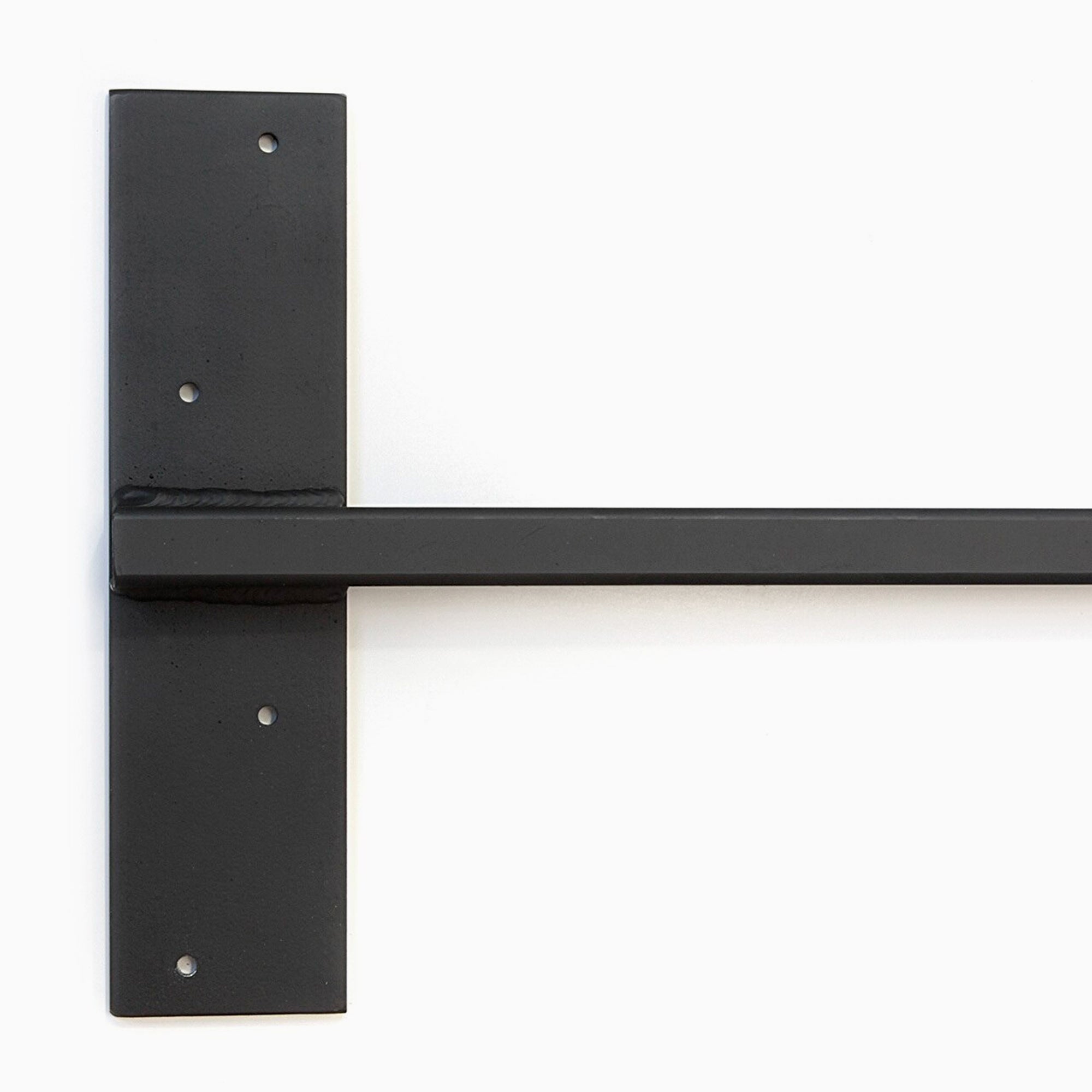
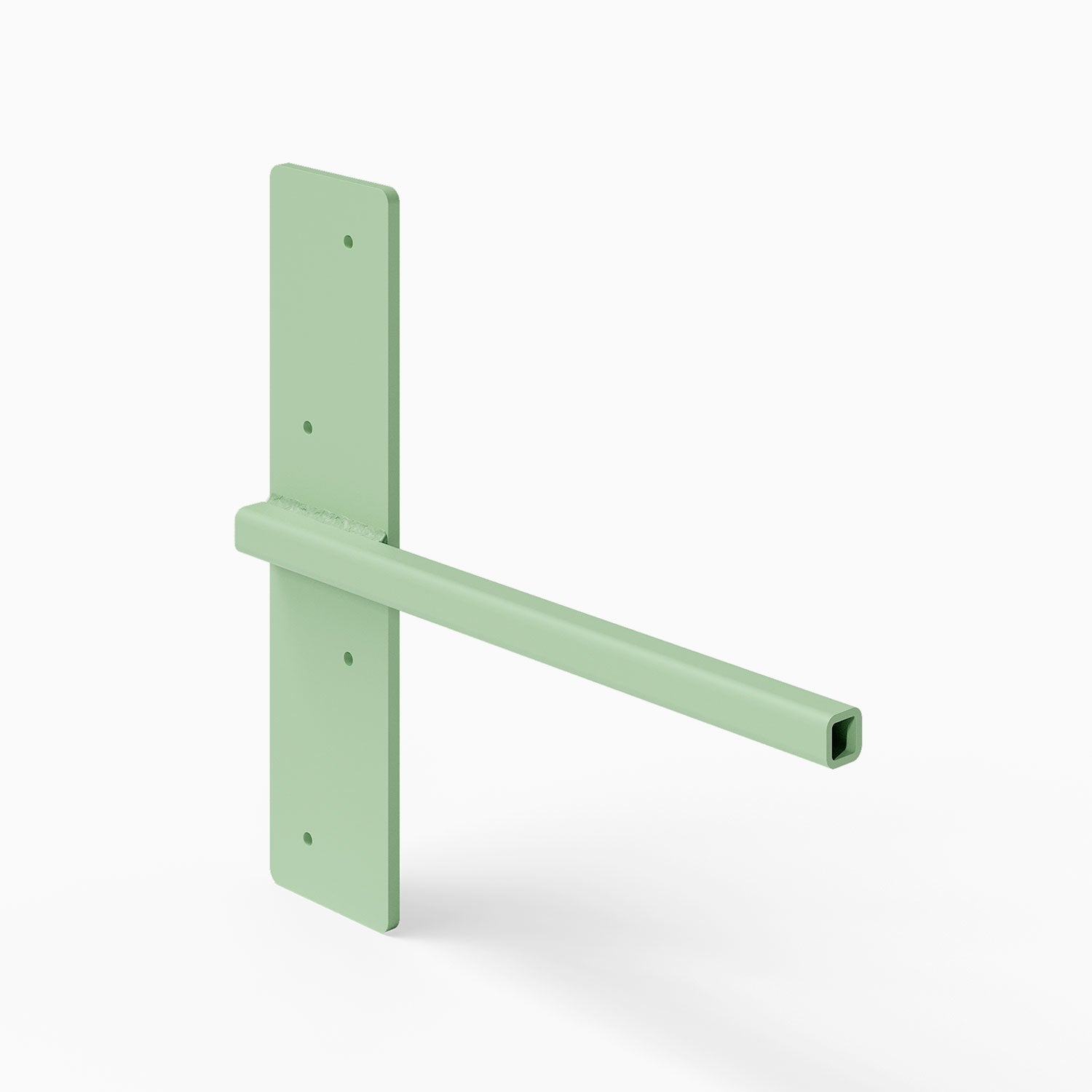
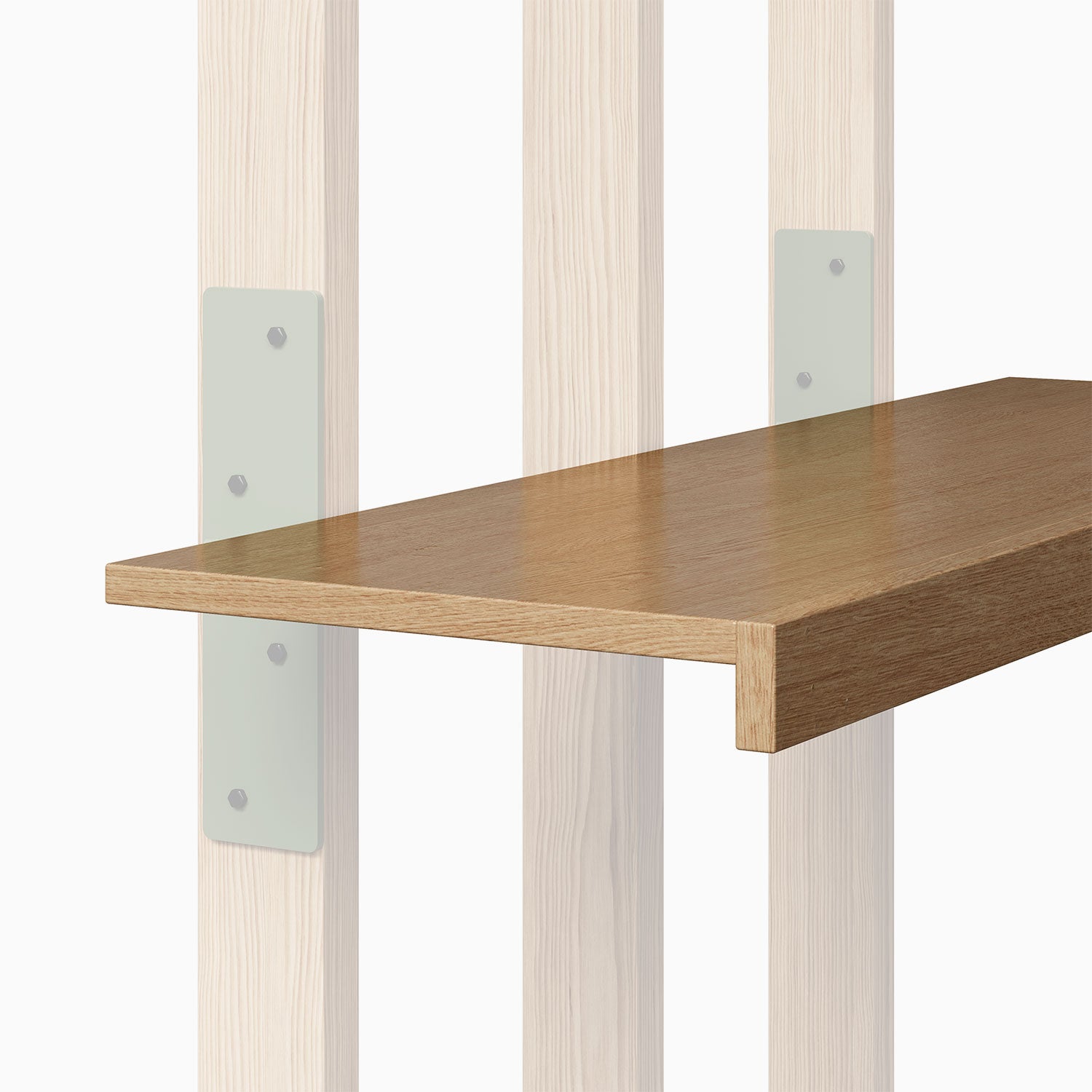
Yuri MD Floating Desk Bracket (Powder Coated)

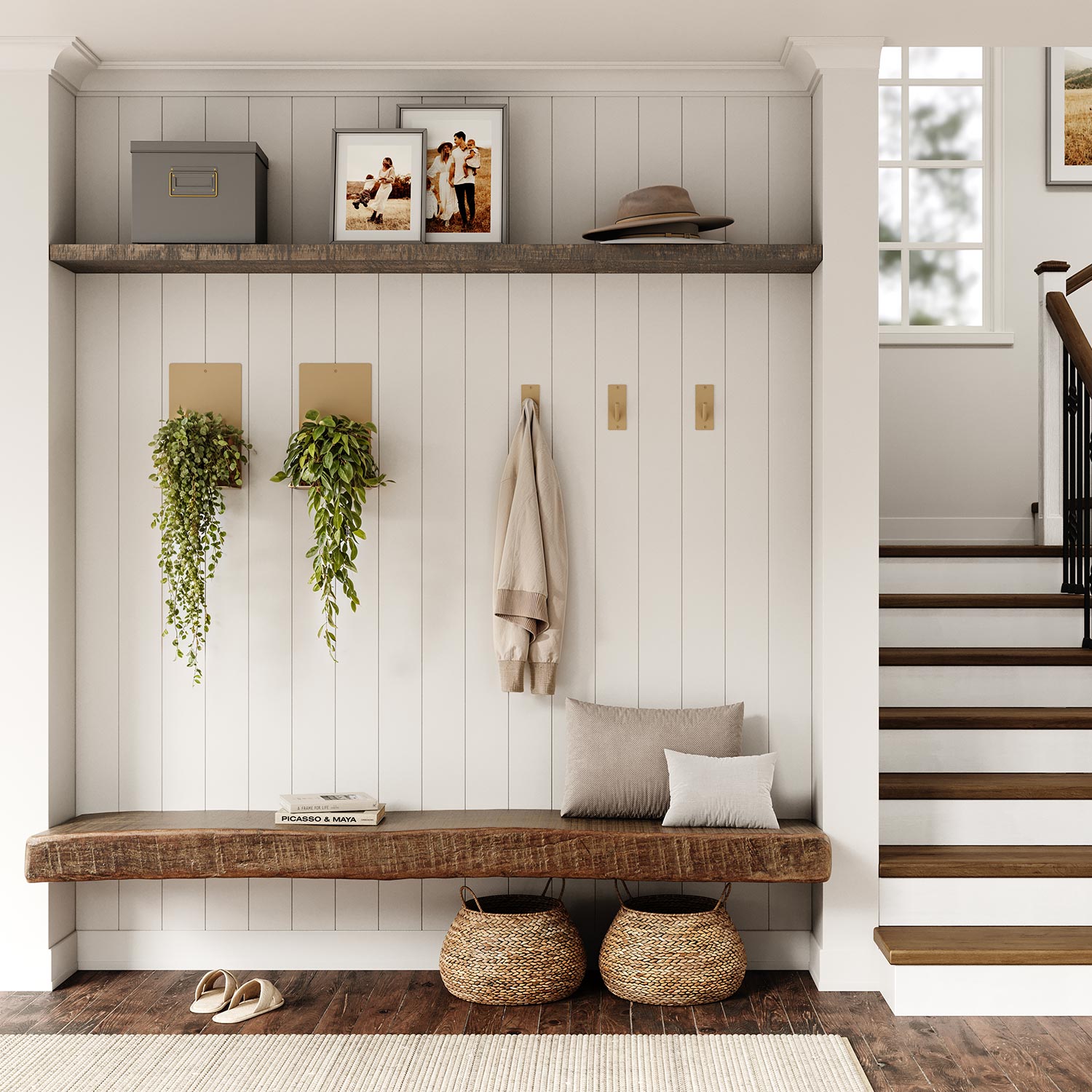


Steddy FM Floating Bench Bracket
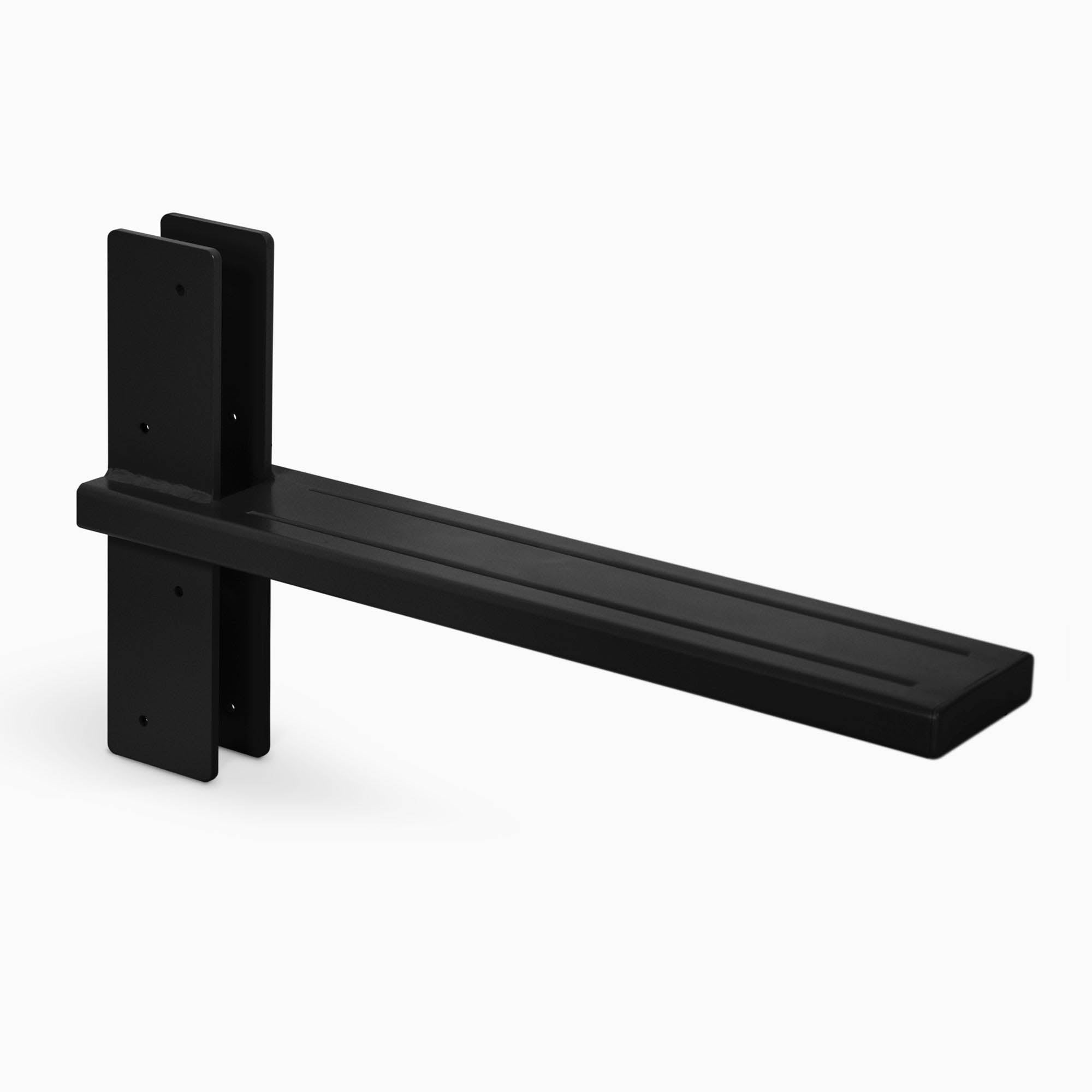
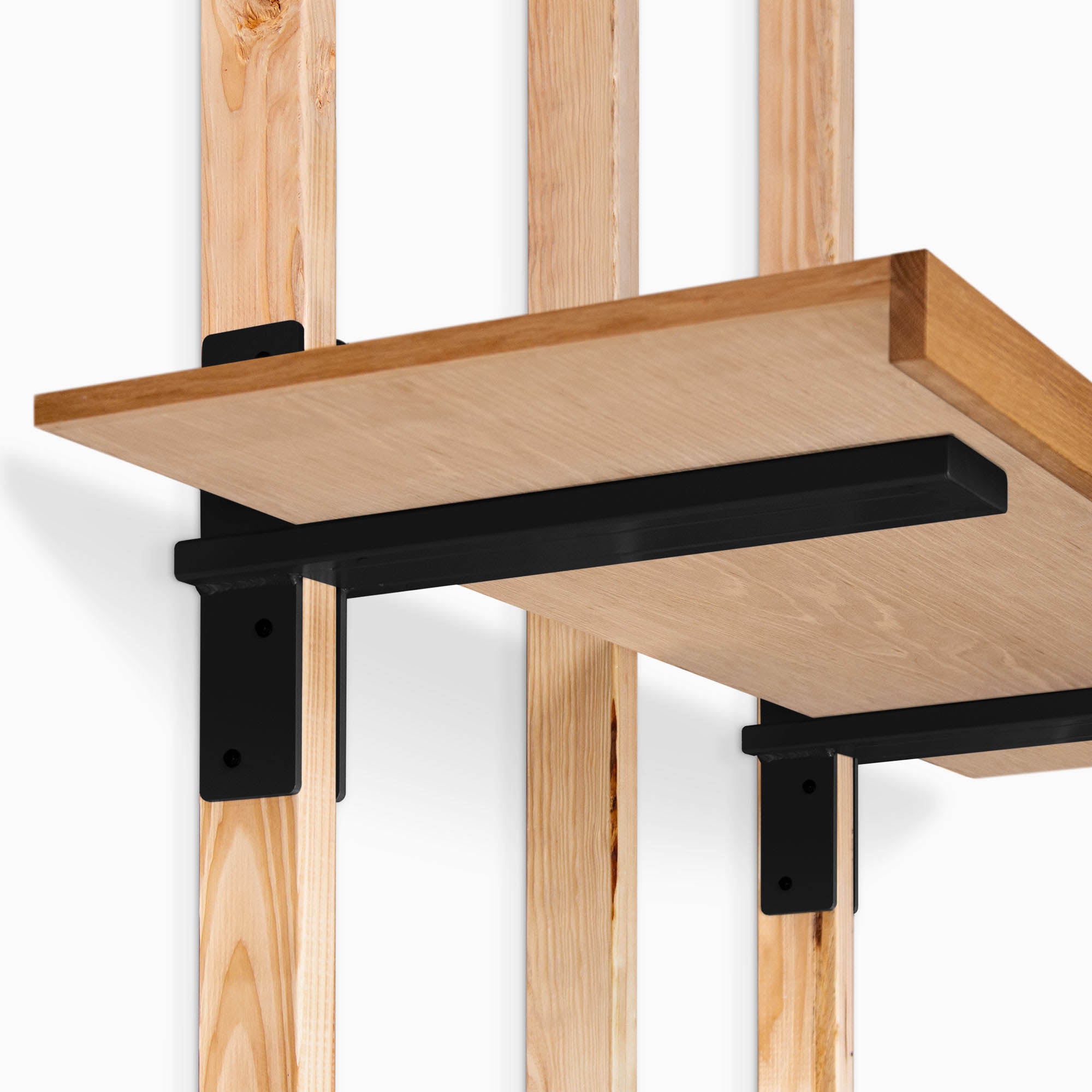
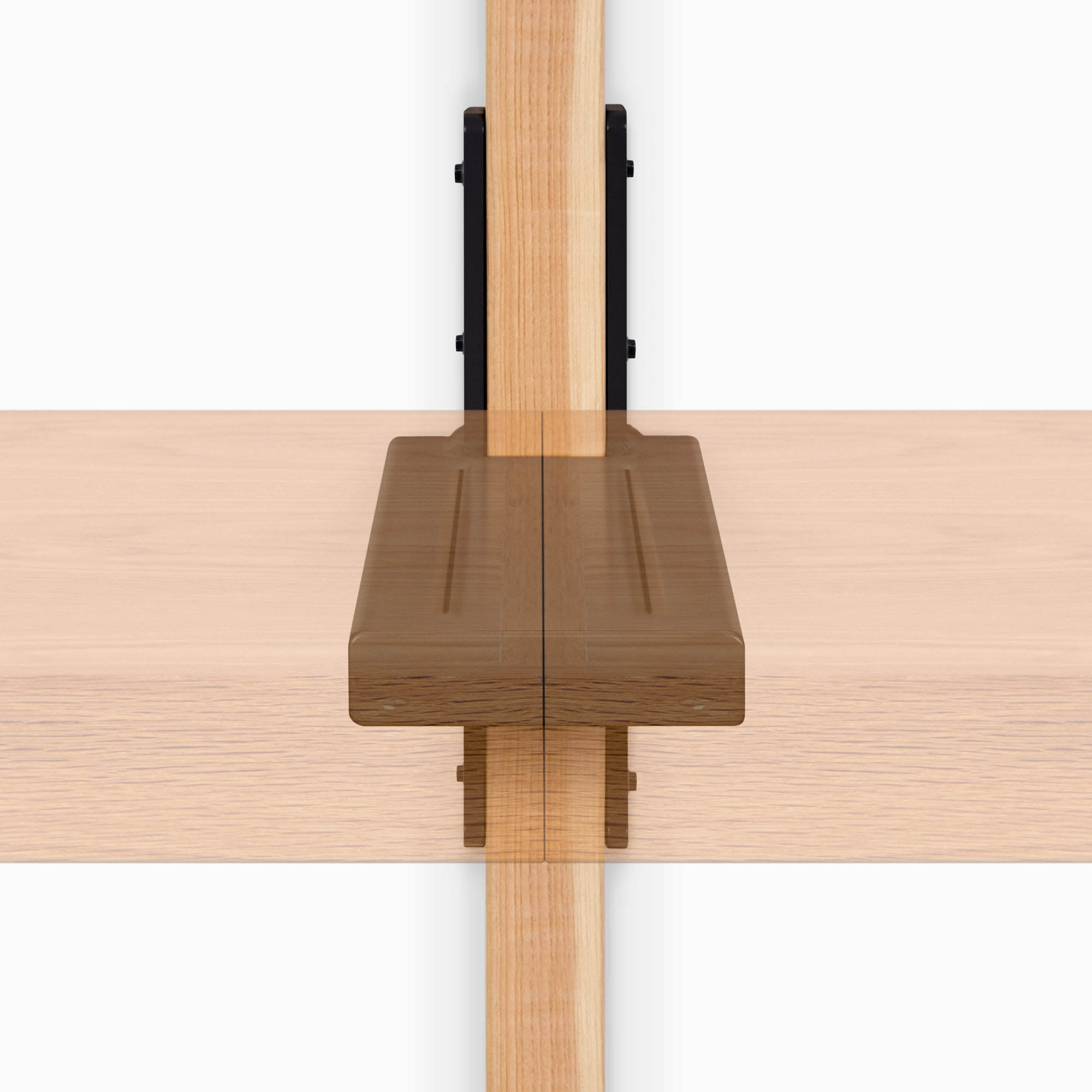
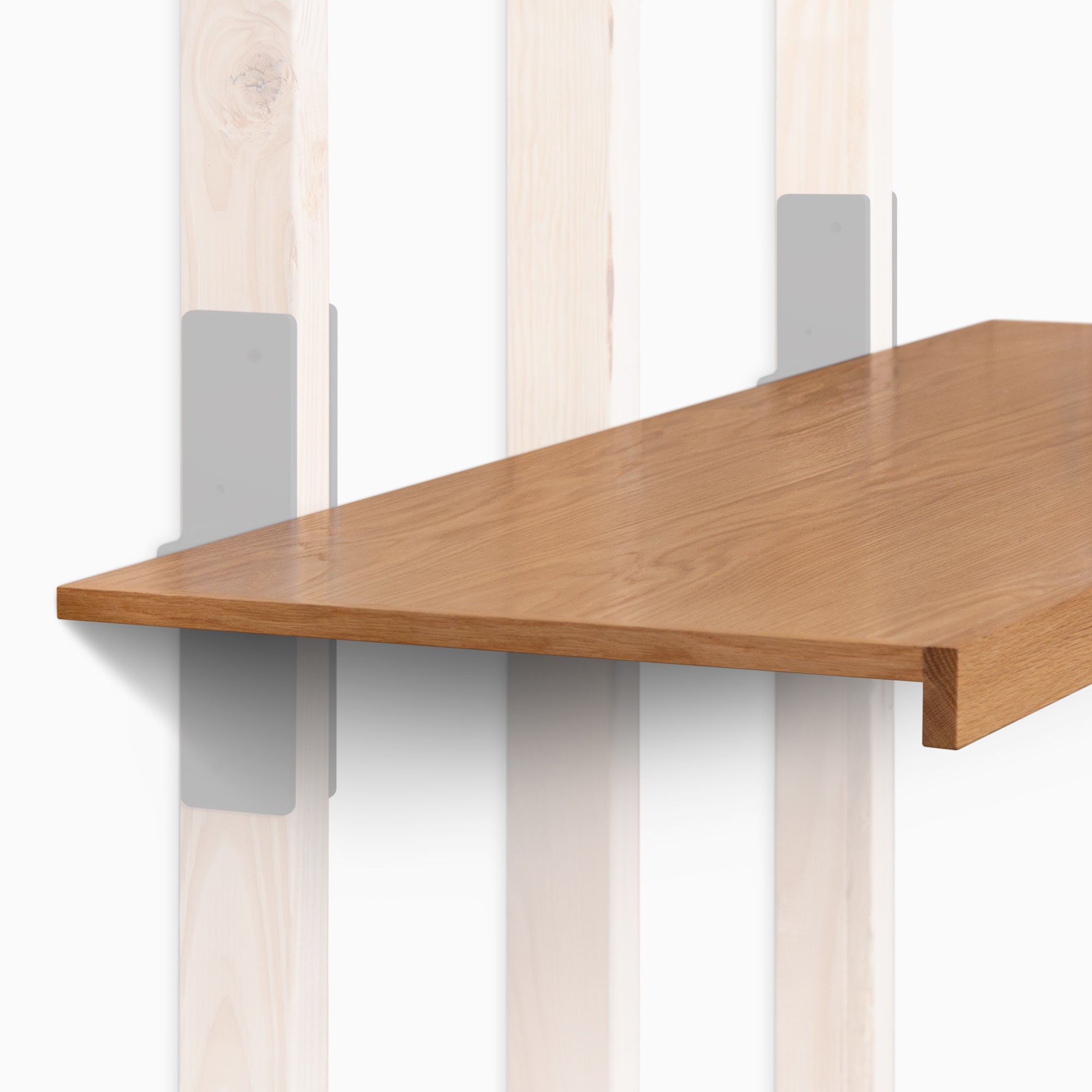
Yuri XD Floating Desk Bracket (Black Primer)
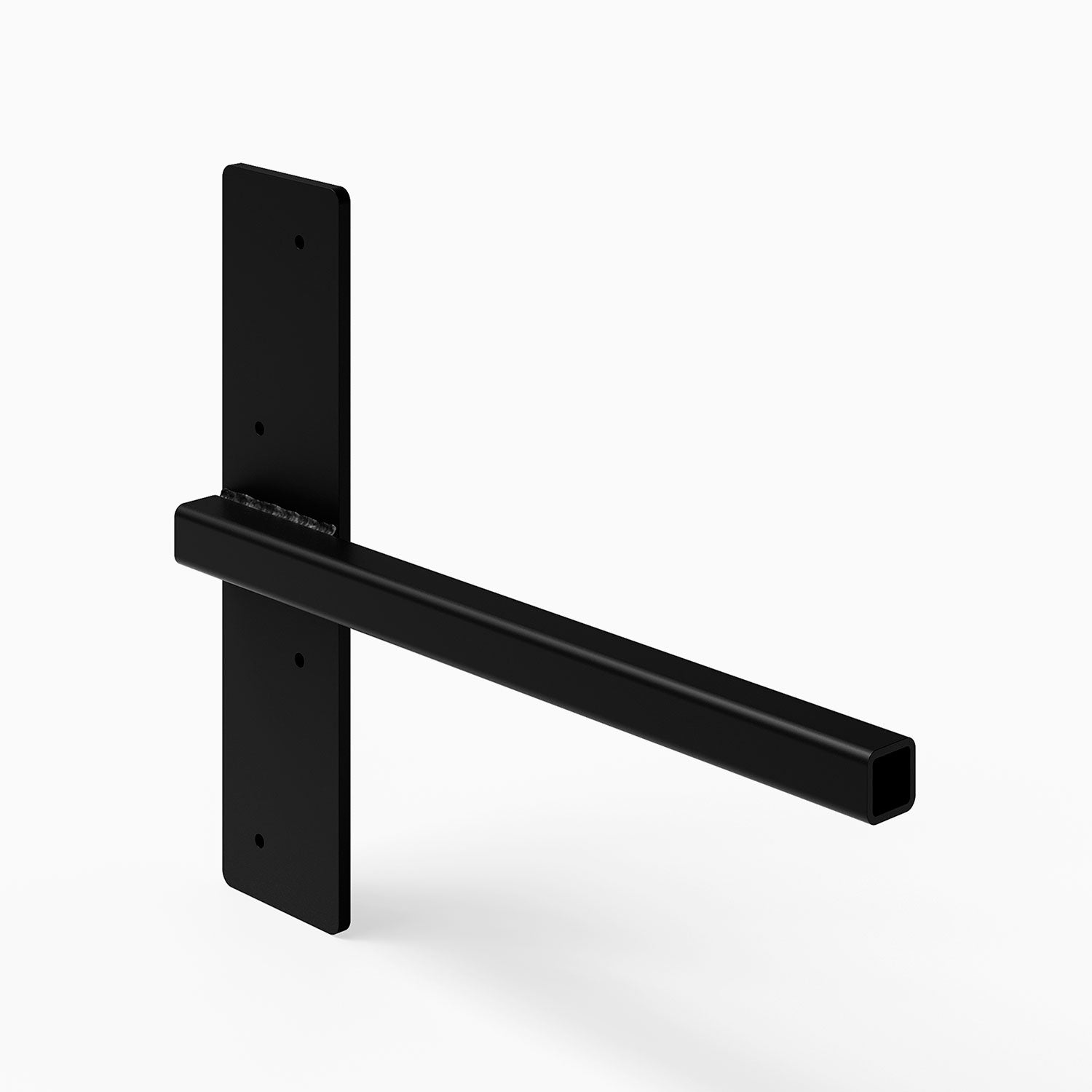
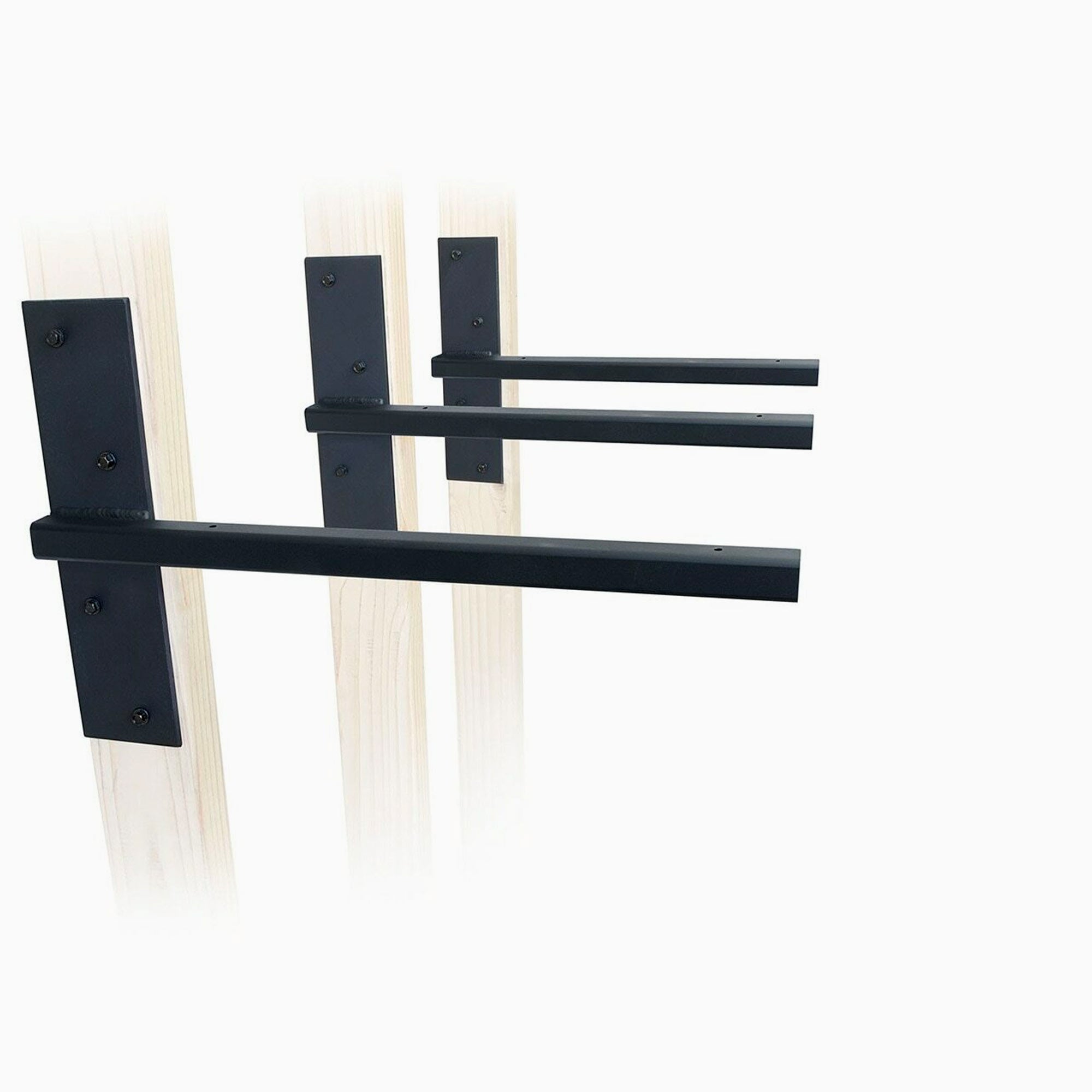
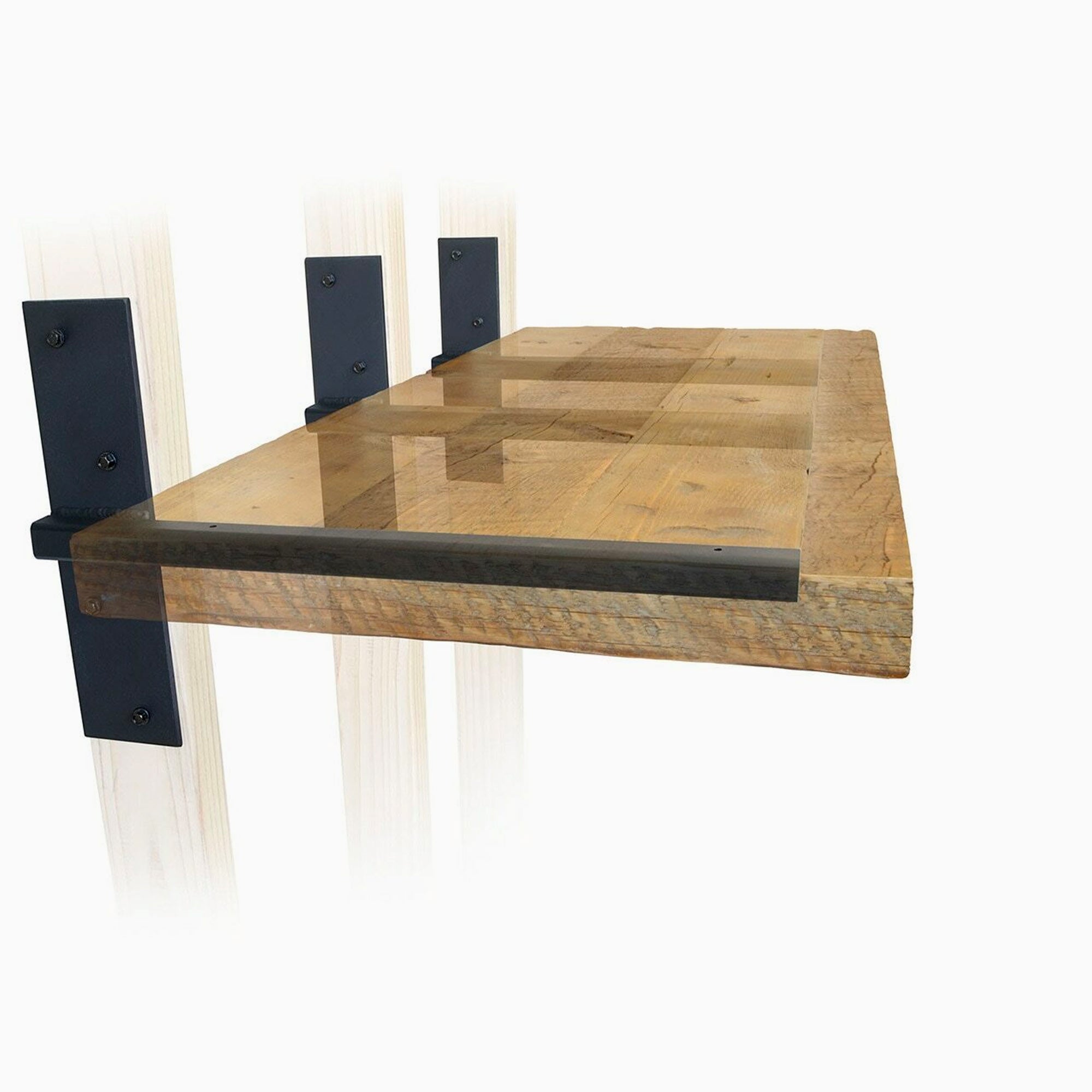
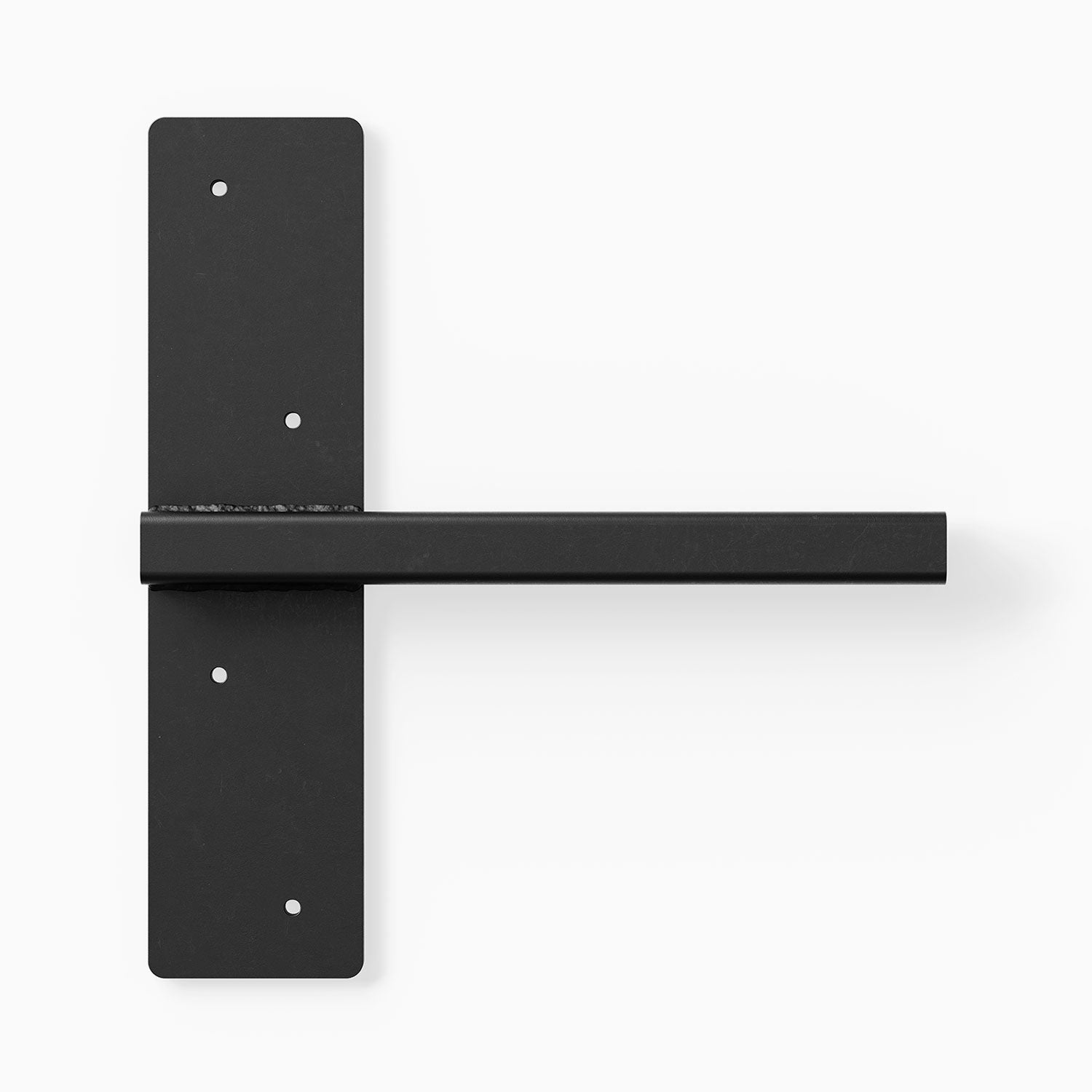
Yuri HD Floating Desk Bracket (Black Primer)
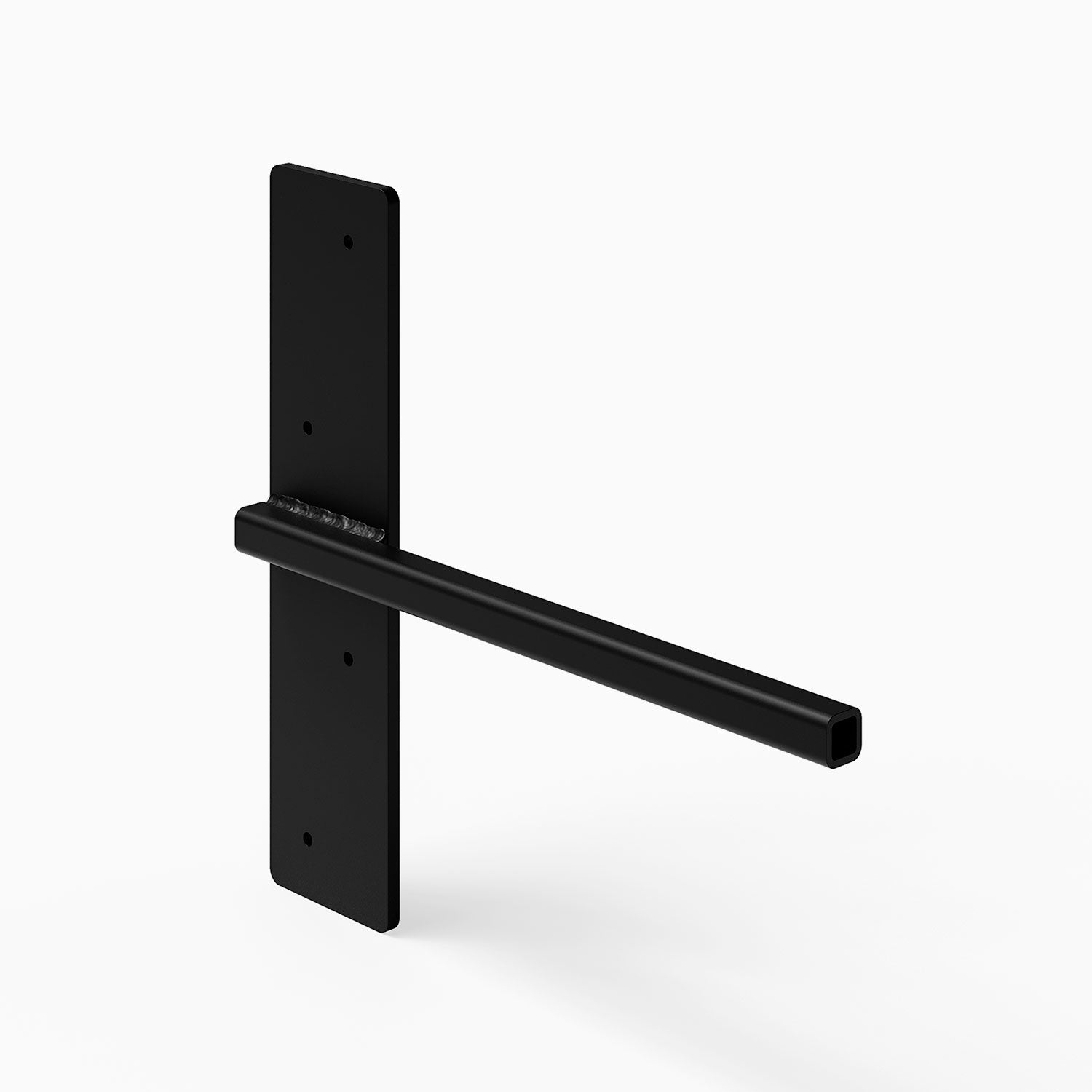
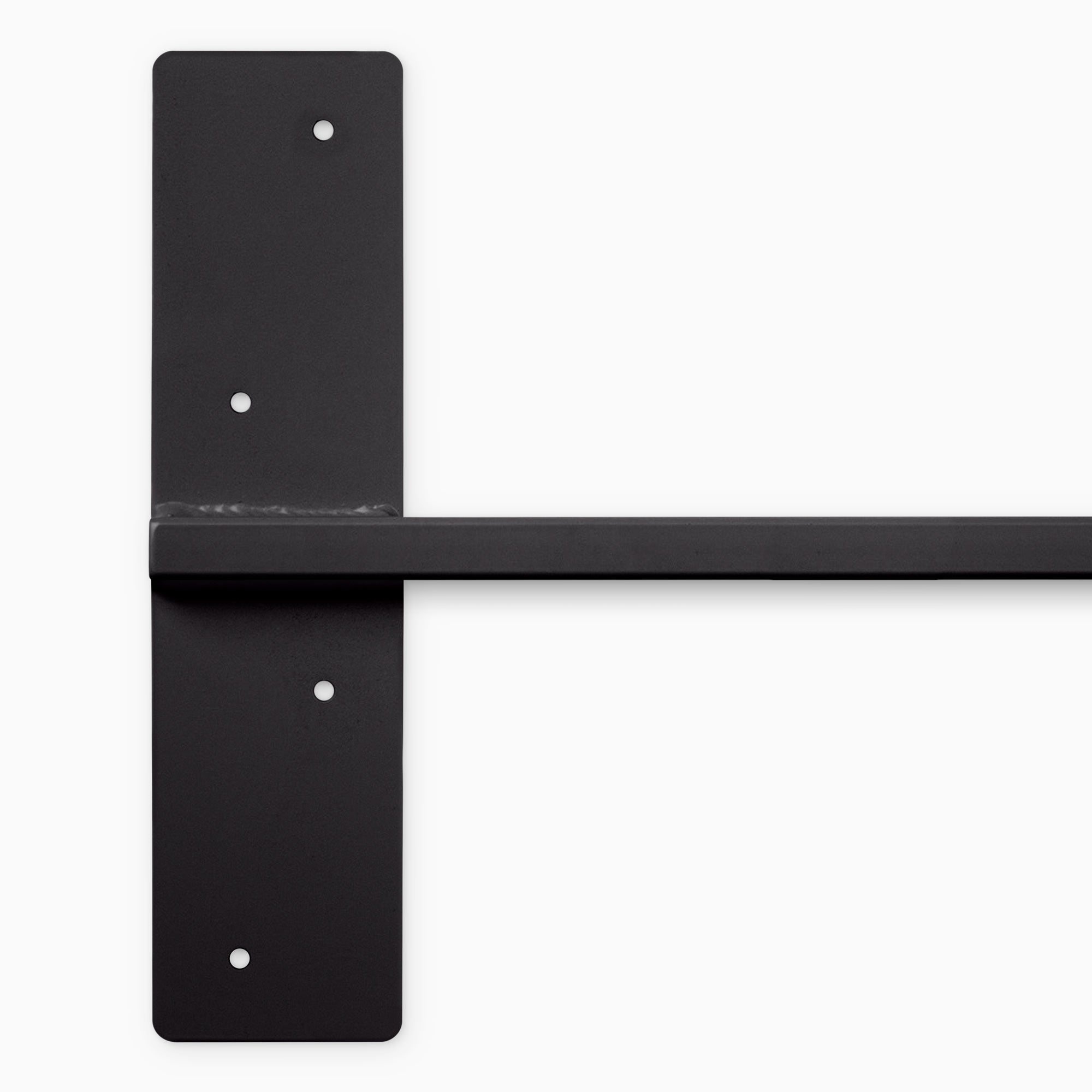
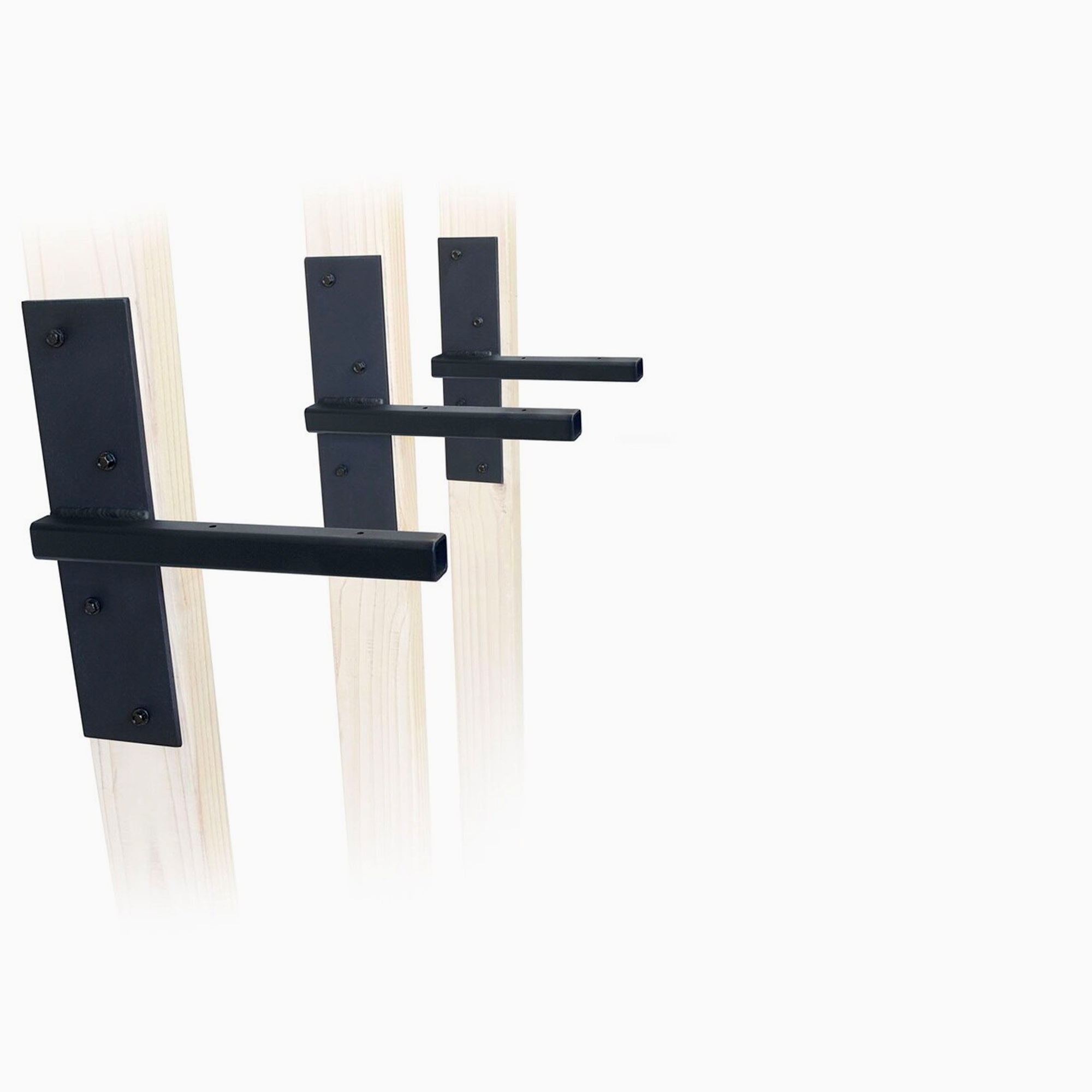
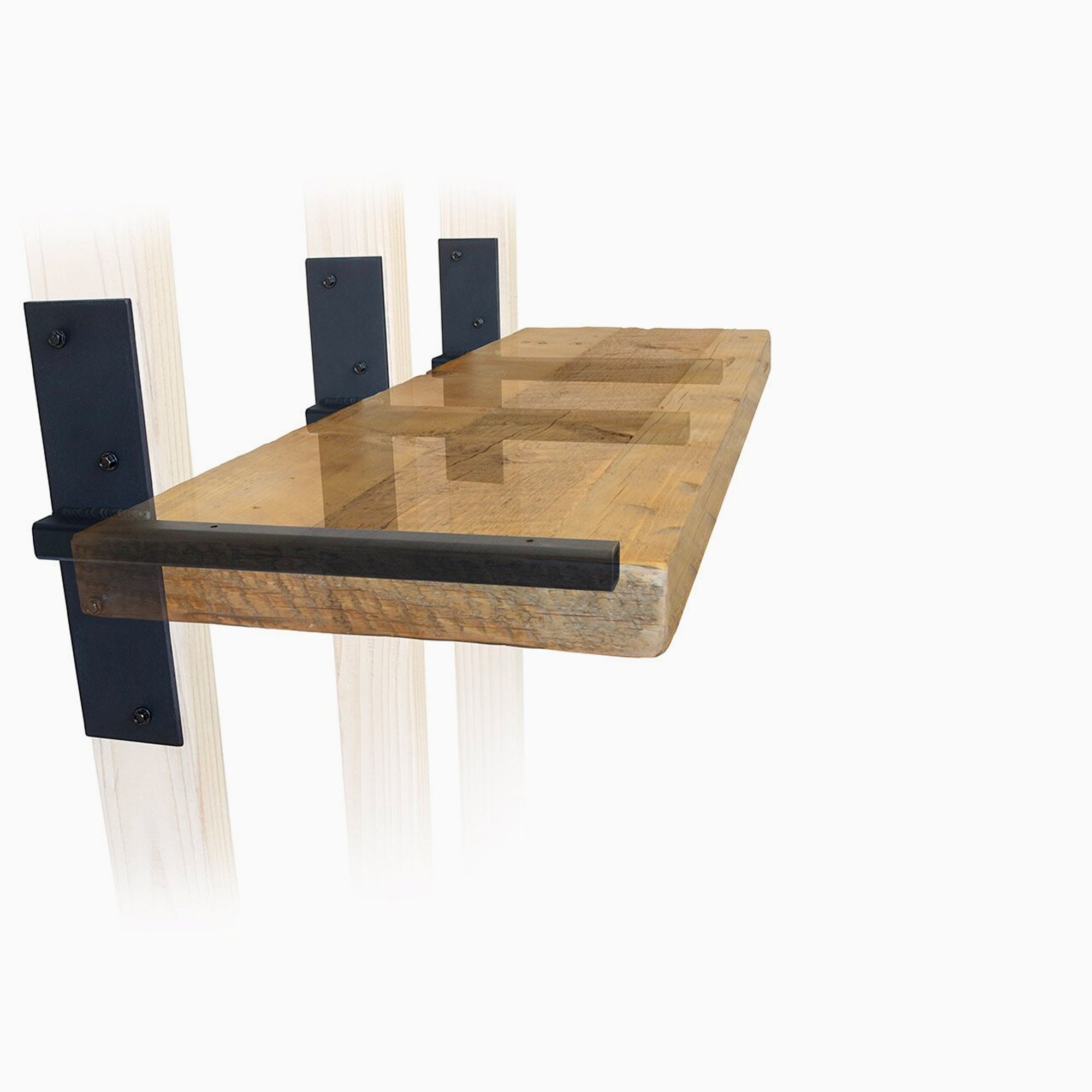
Yuri MD Floating Desk Bracket (Black Primer)
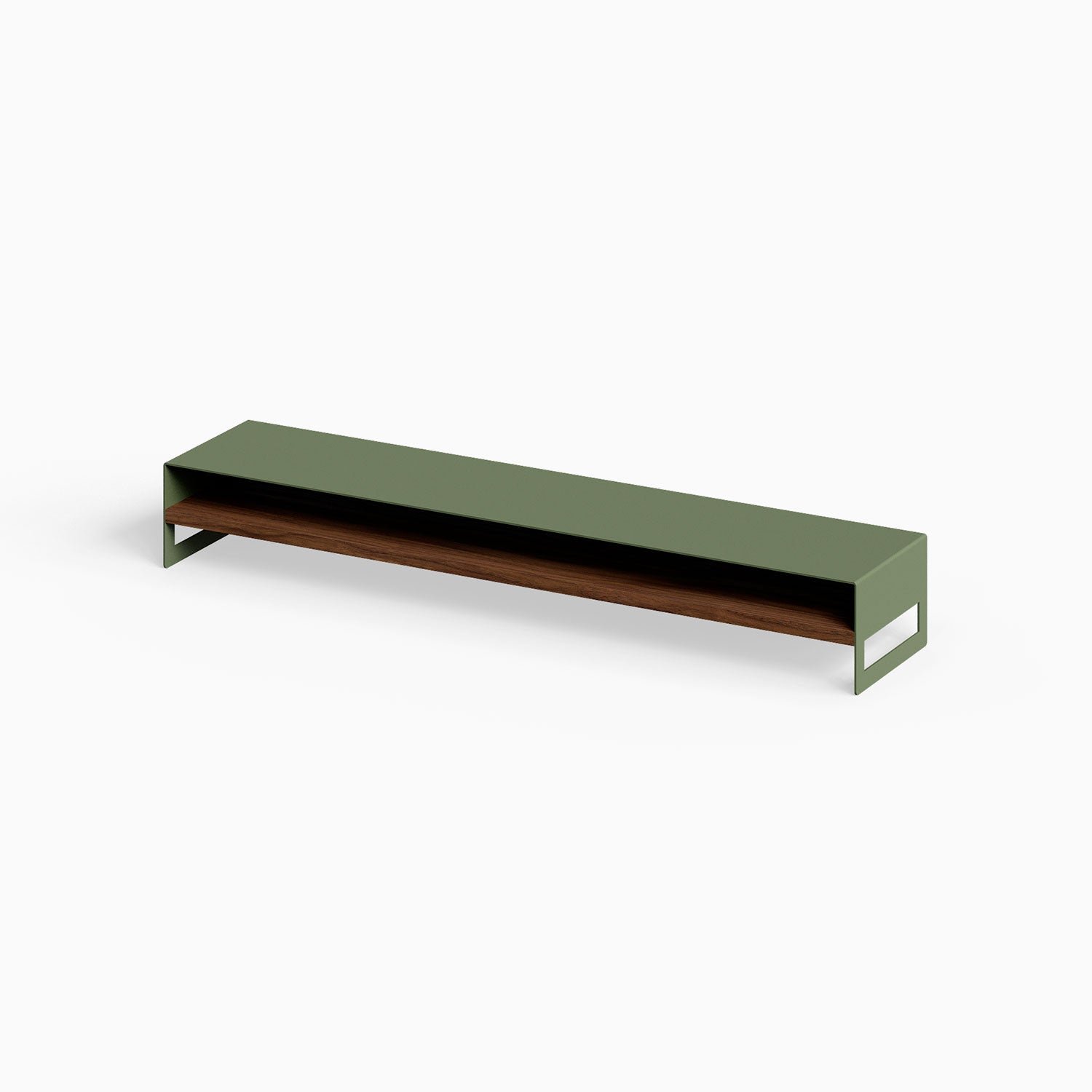
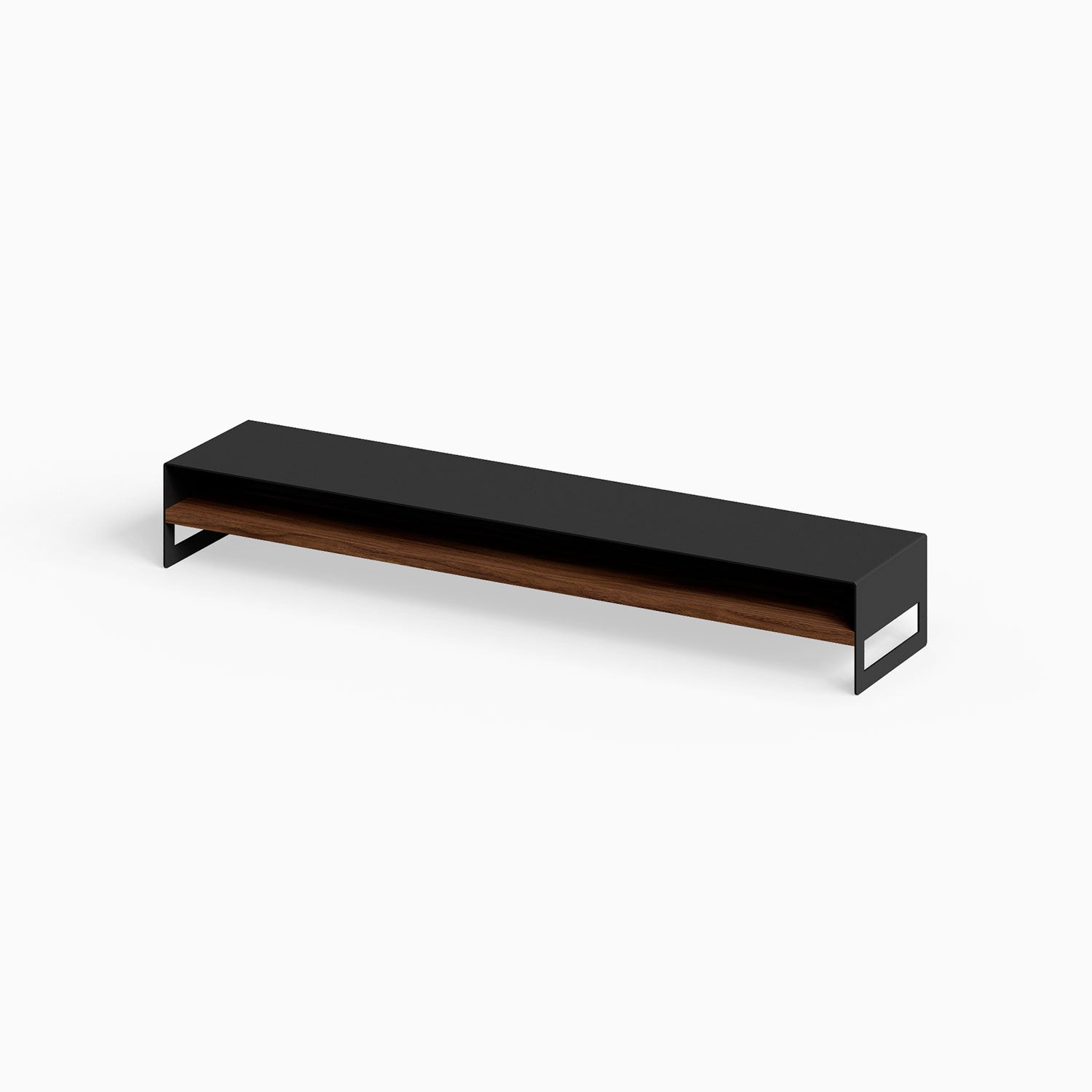
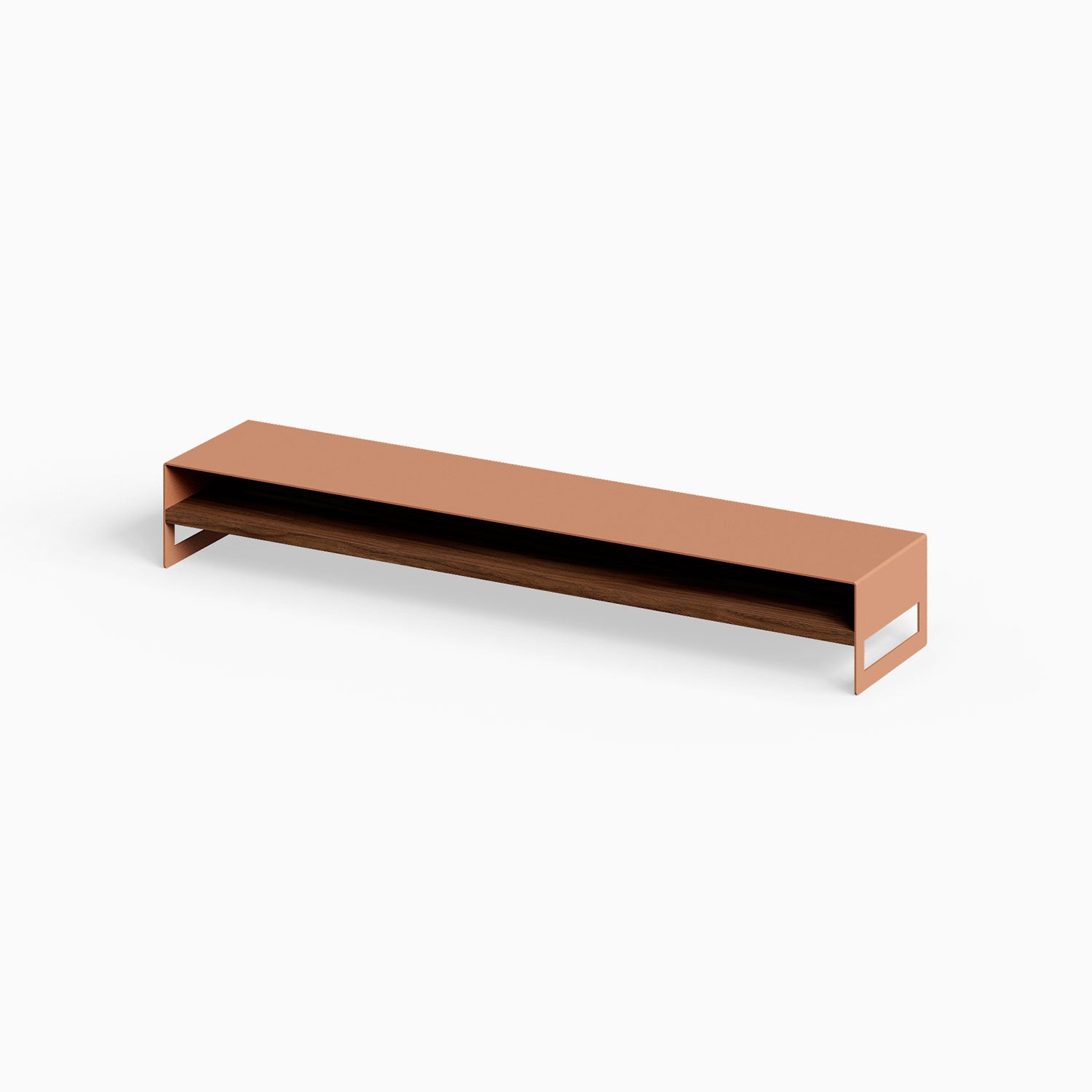
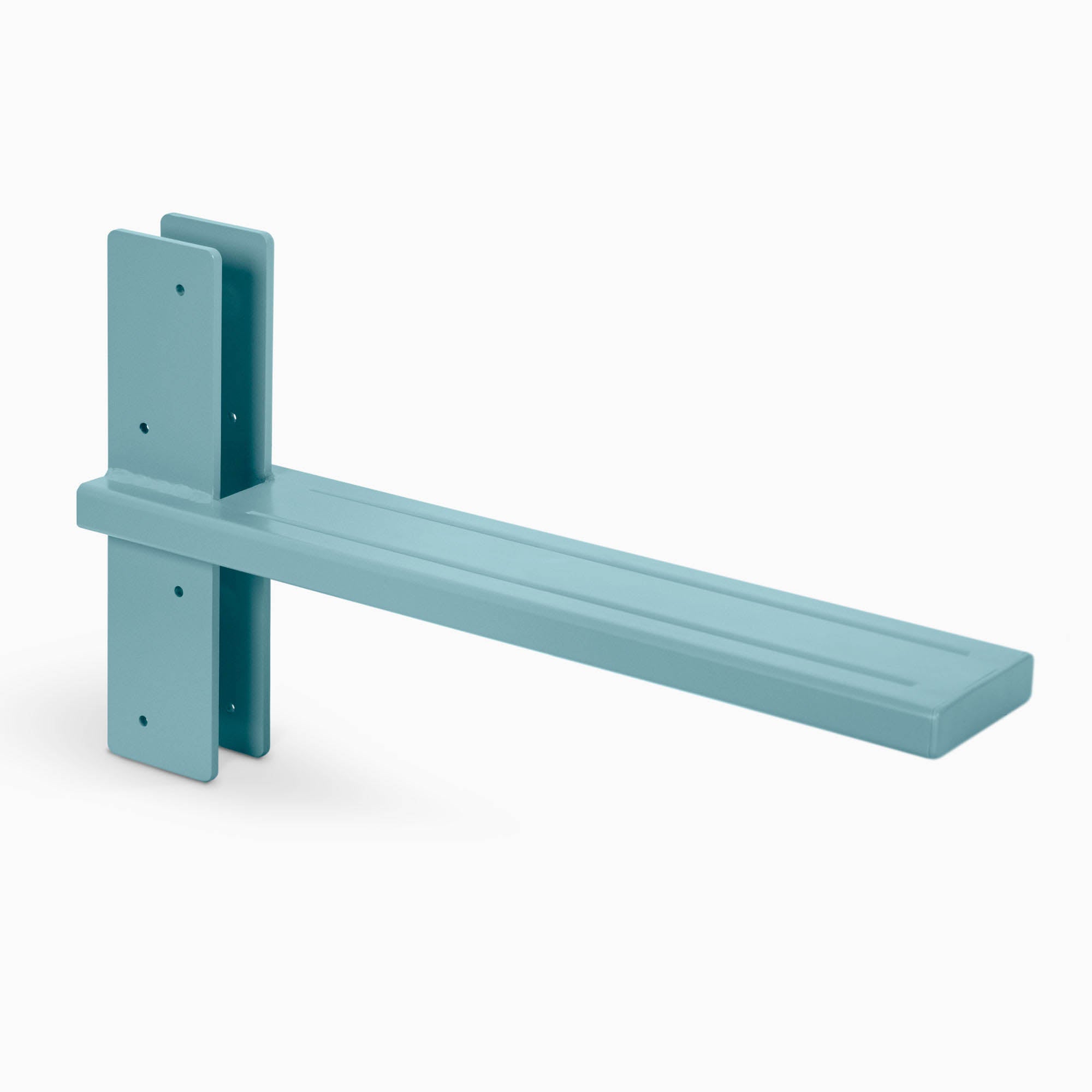

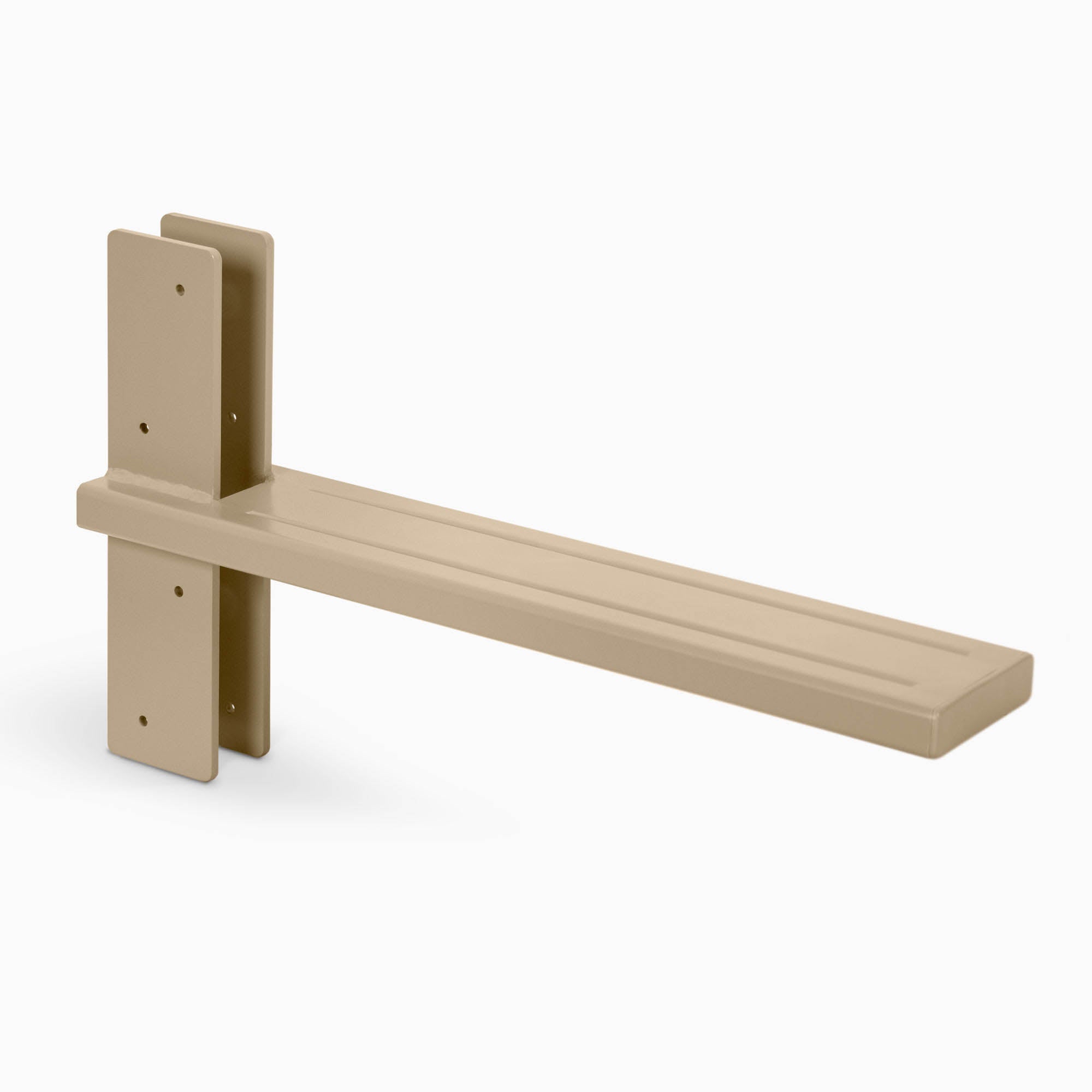
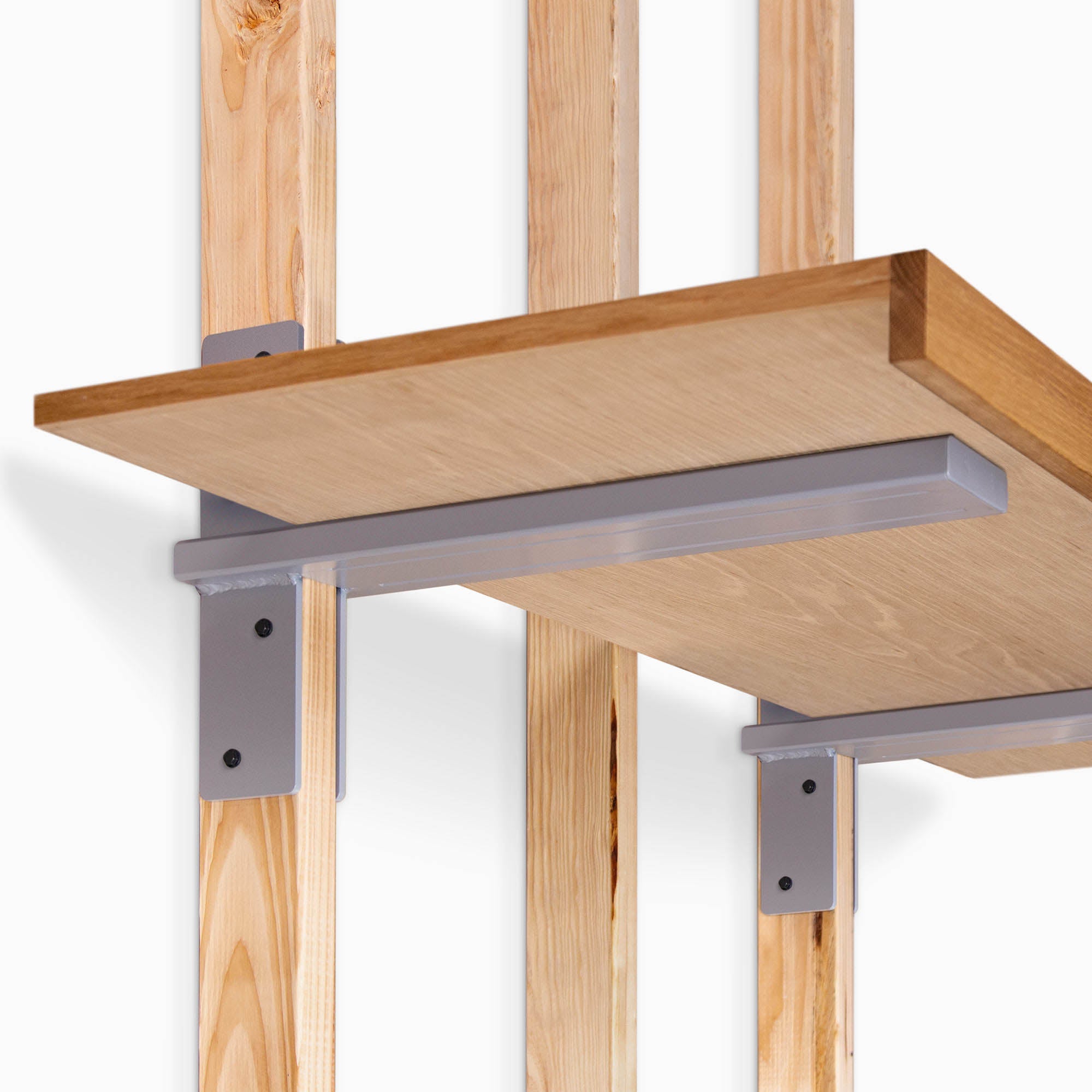
Yuri XD Floating Desk Bracket (Powder Coated)
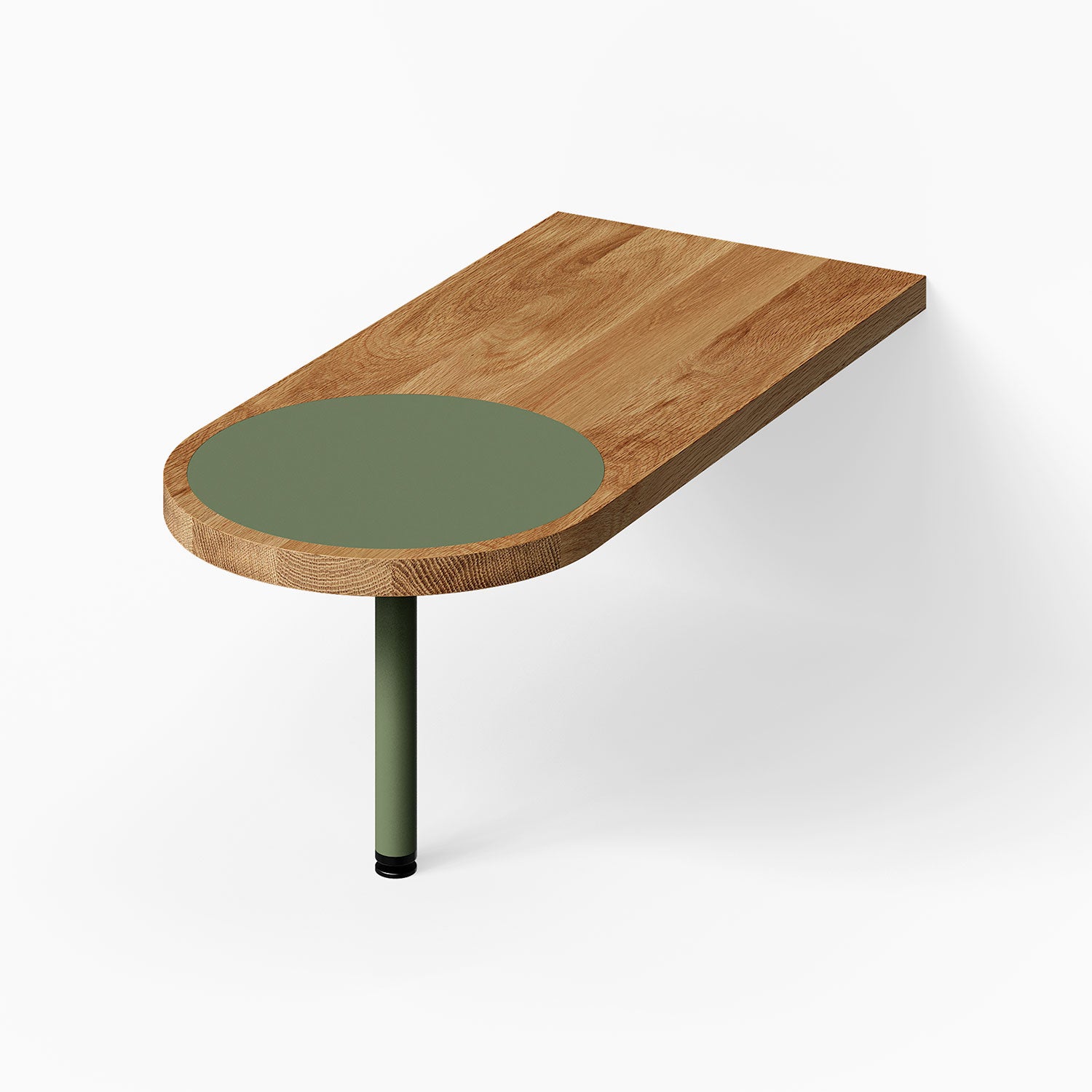
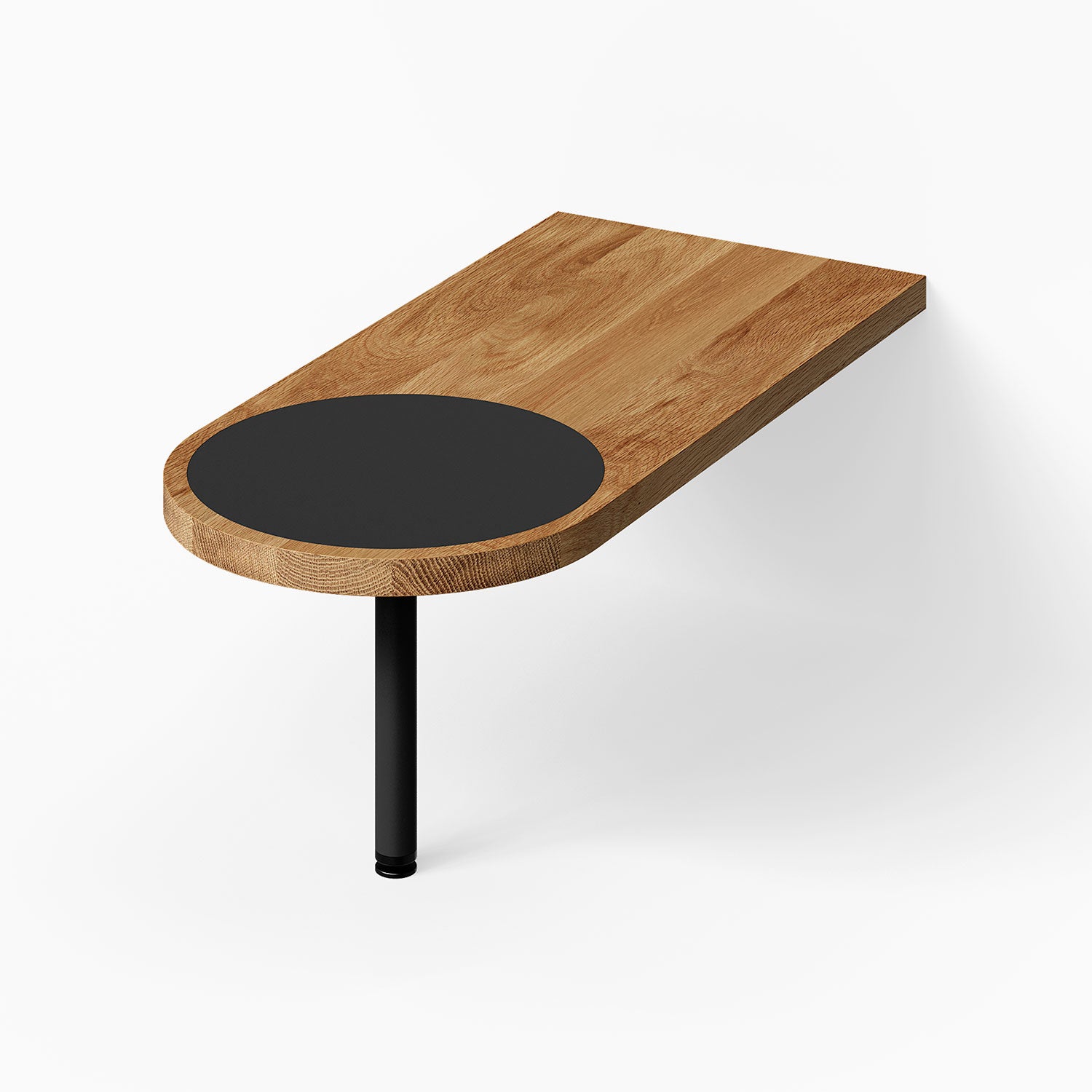
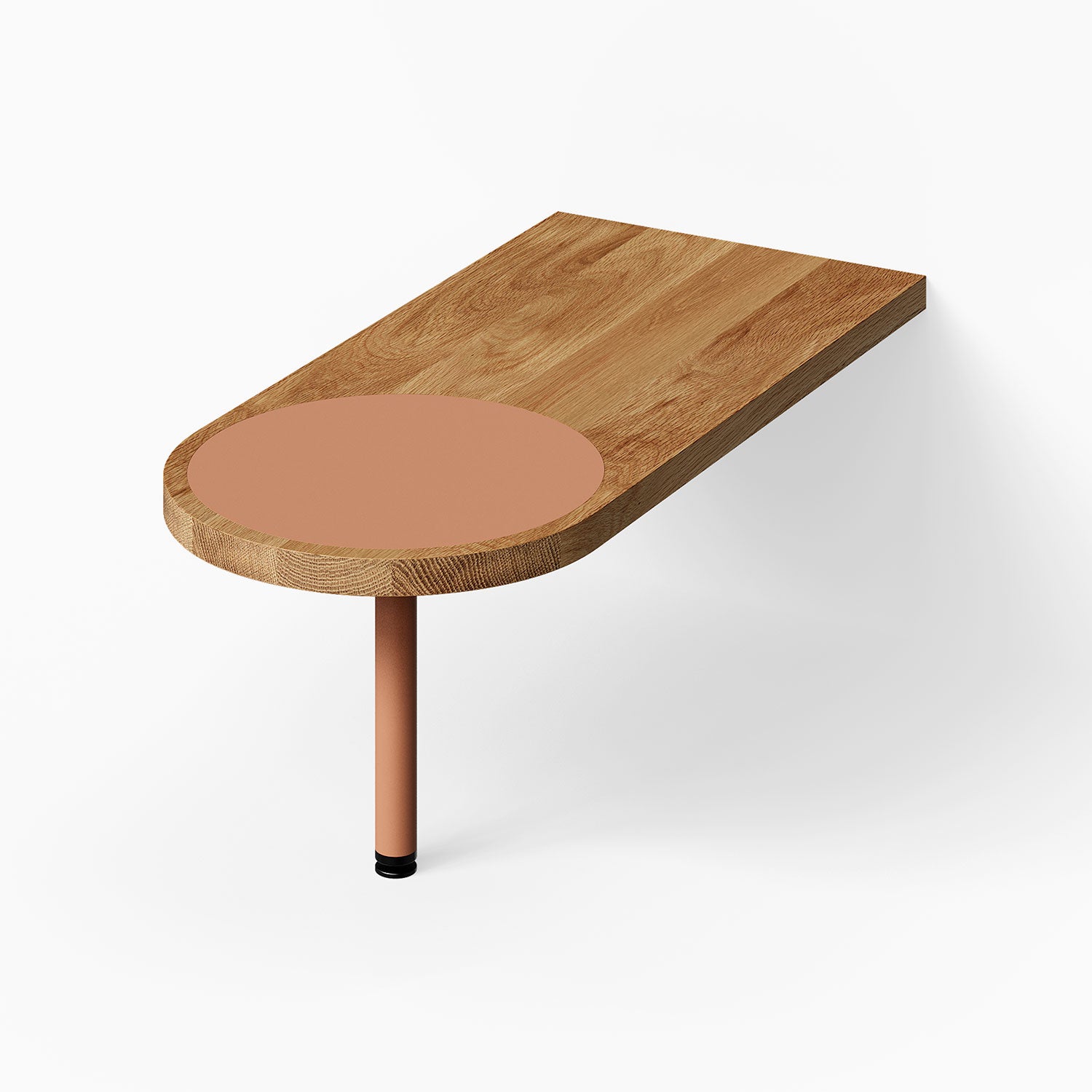
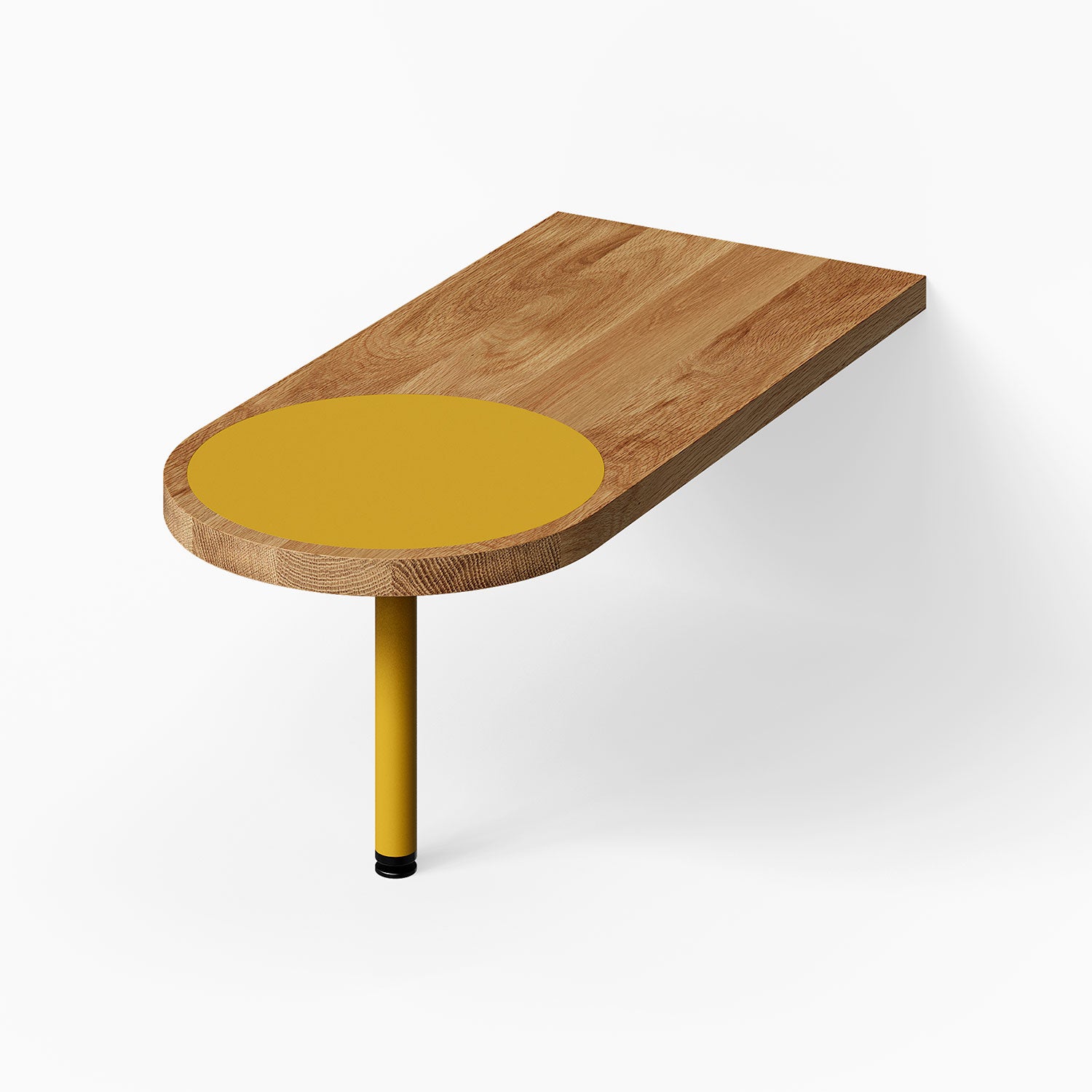
Moxie Peninsula Table (White Oak - With Color Inlay)
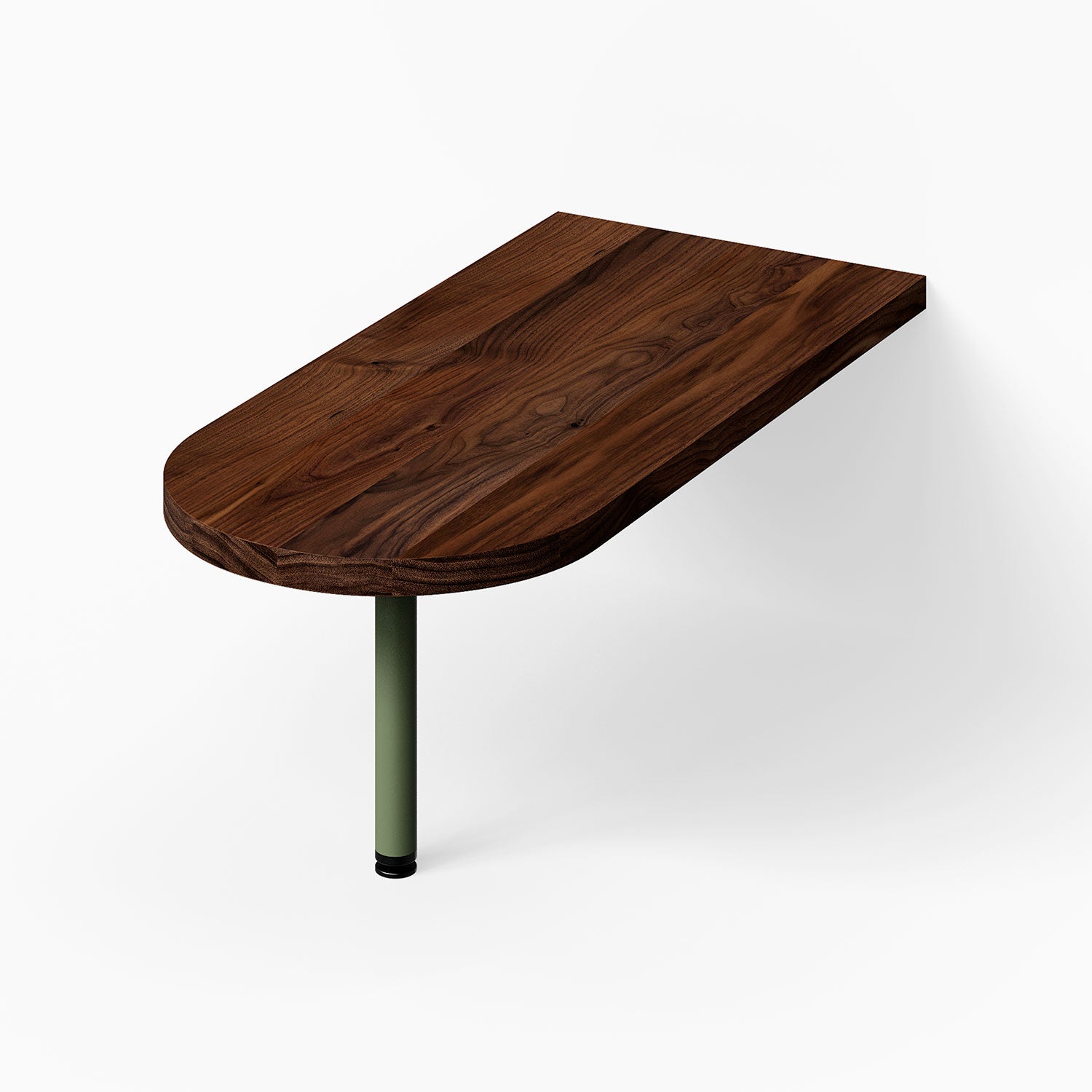
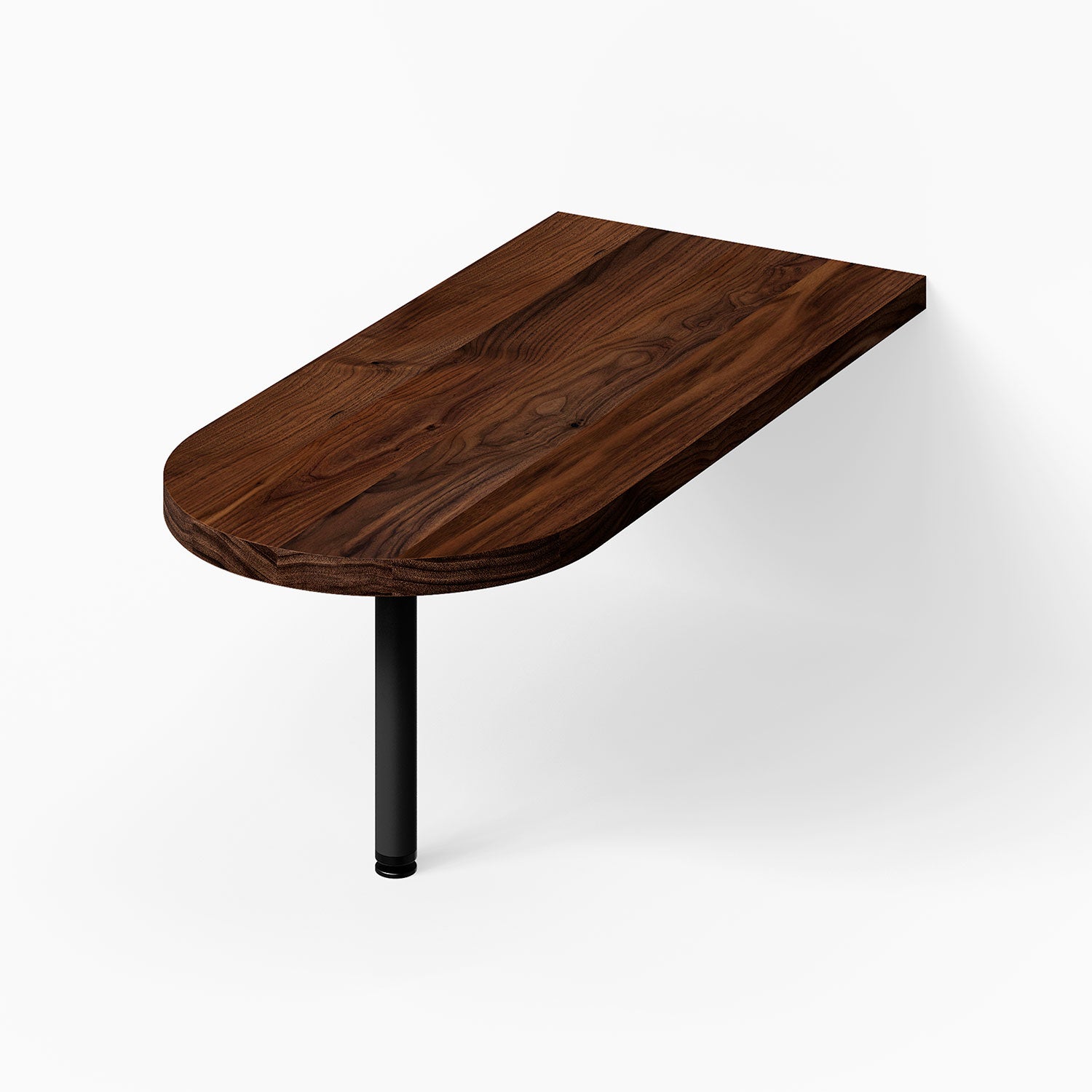
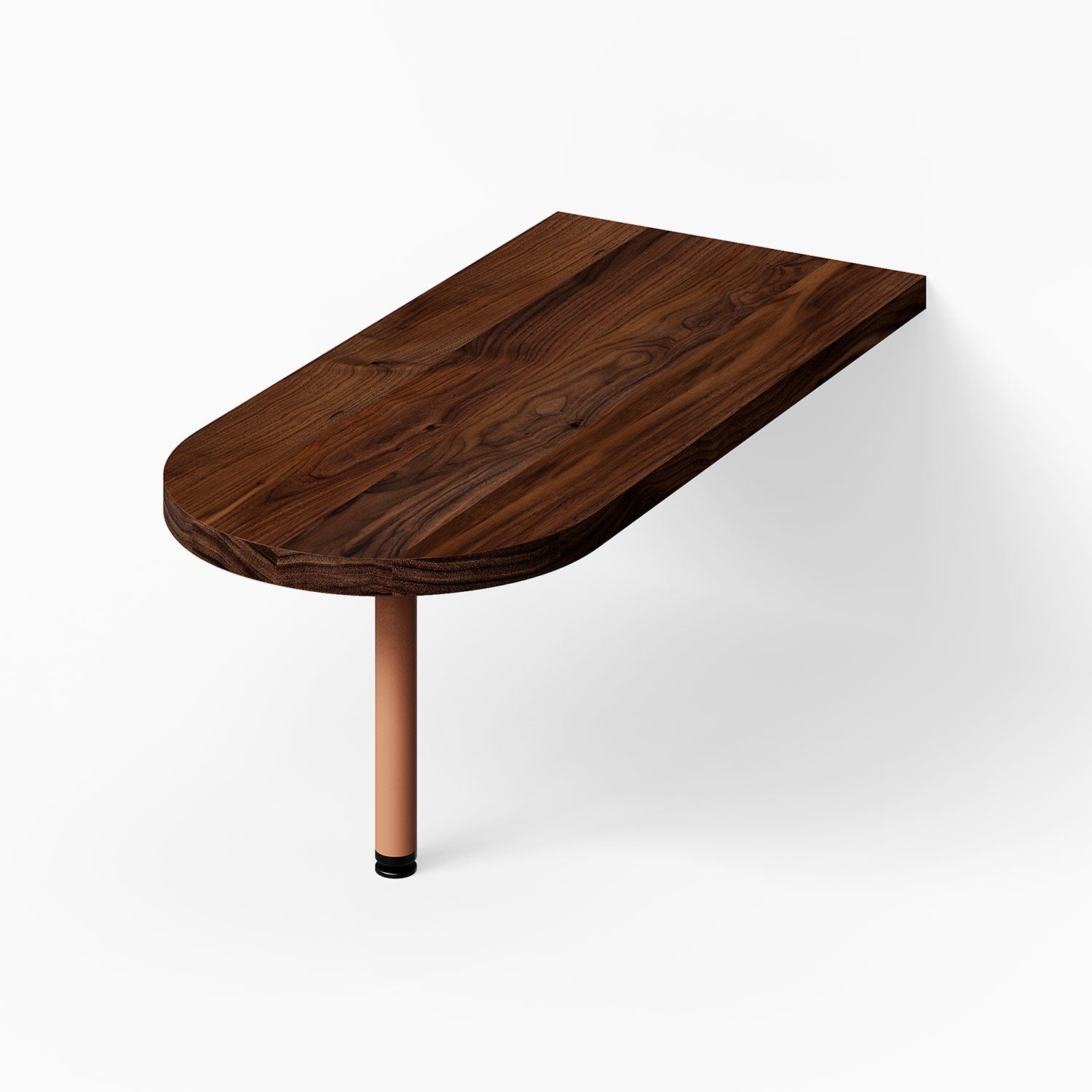
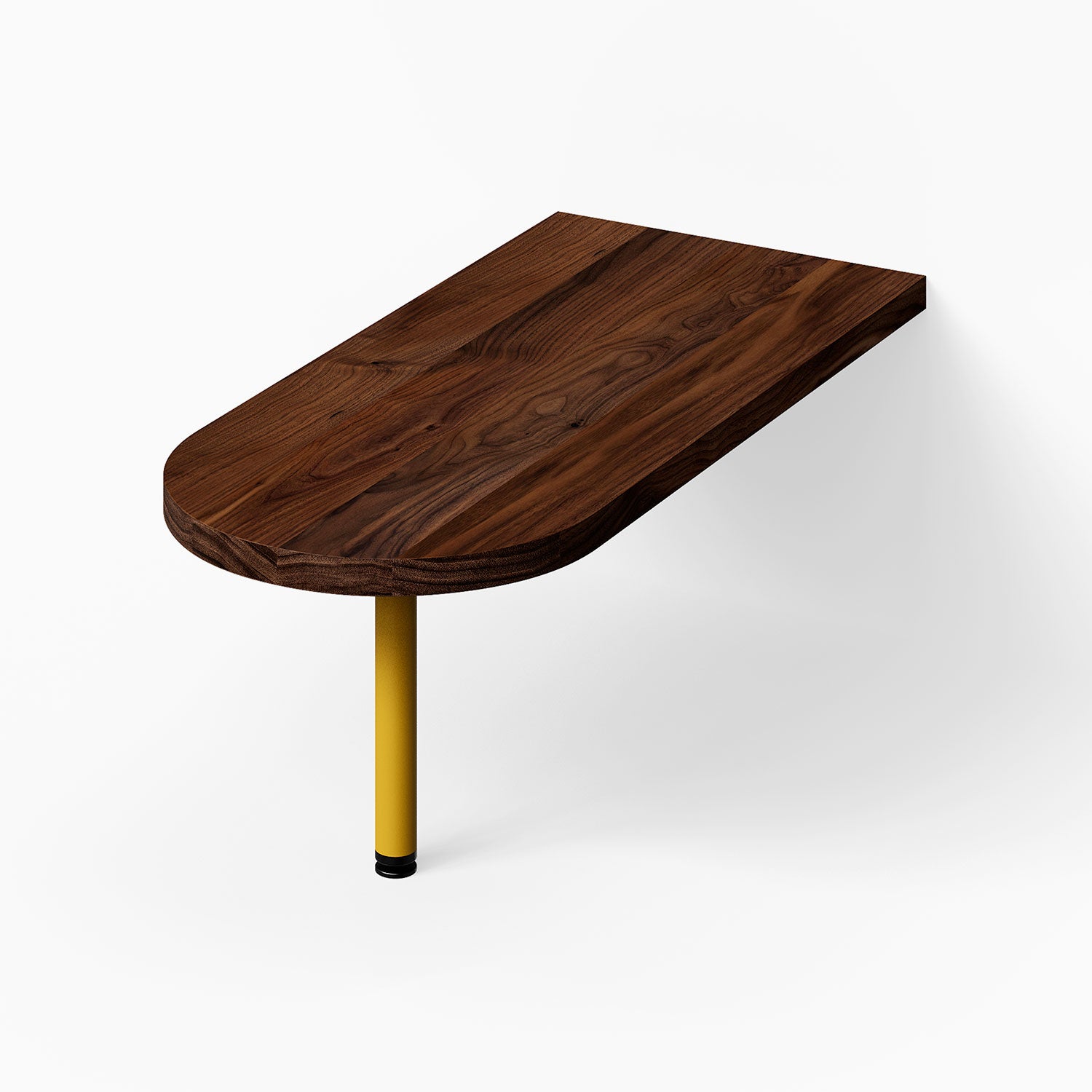
Moxie Peninsula Table (Walnut)
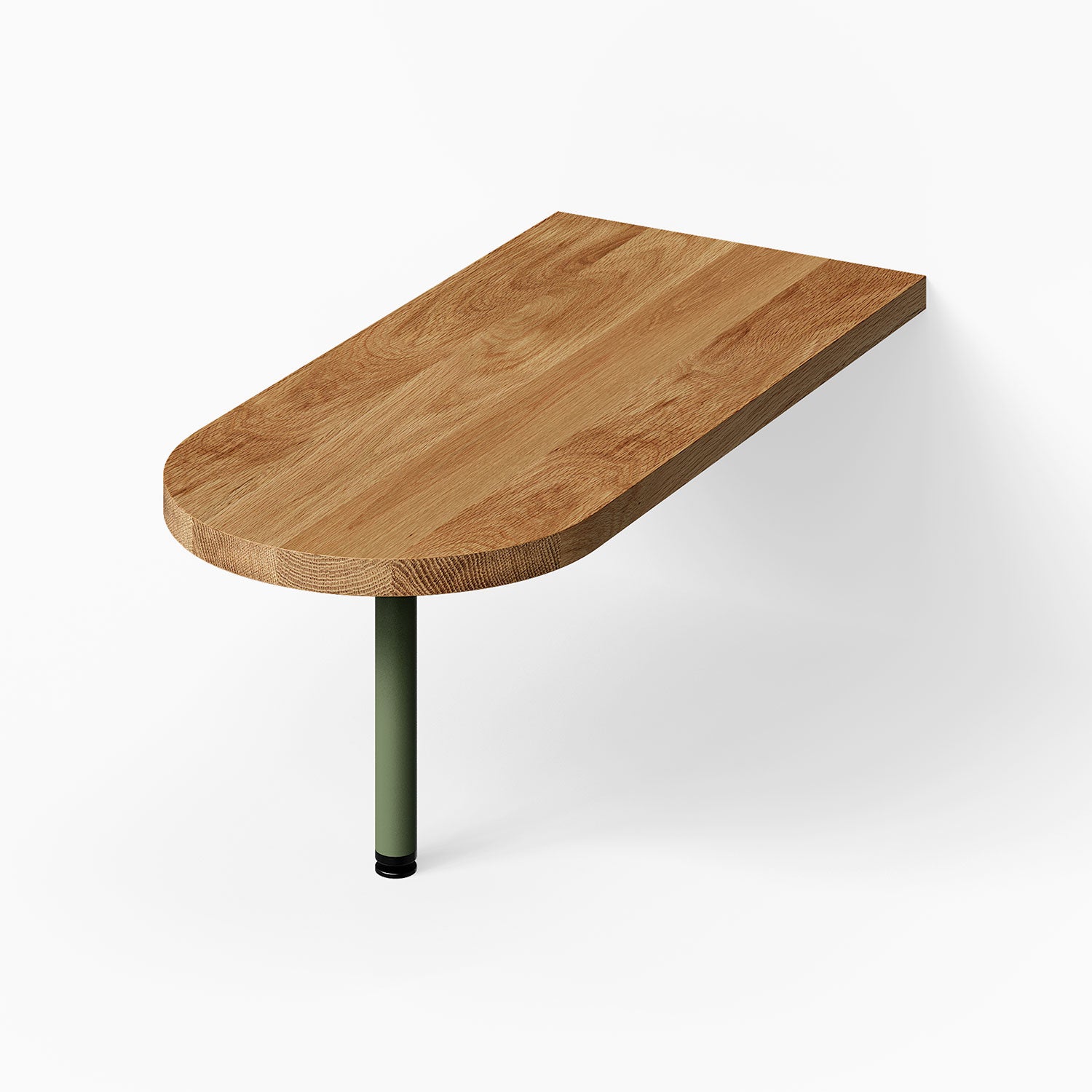
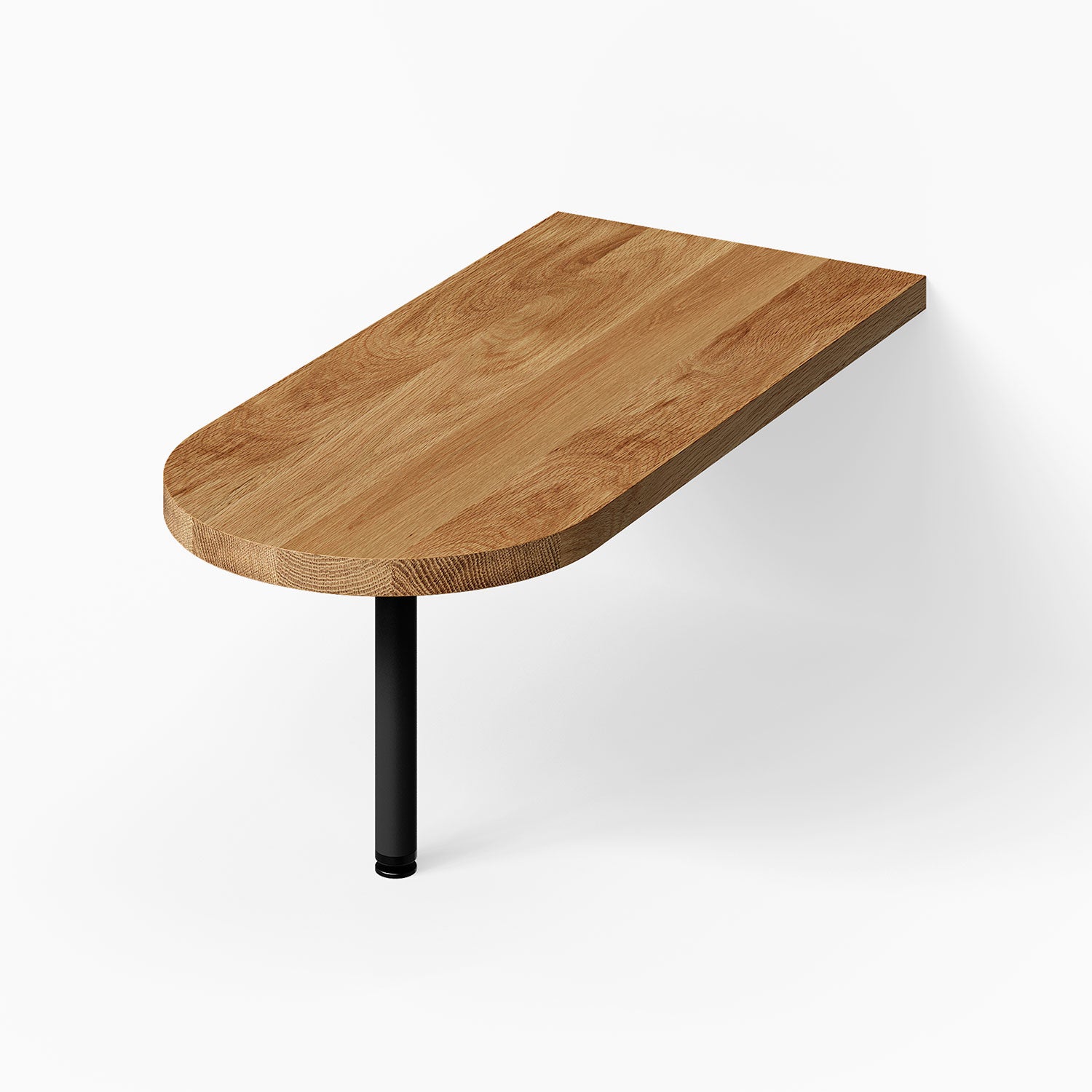
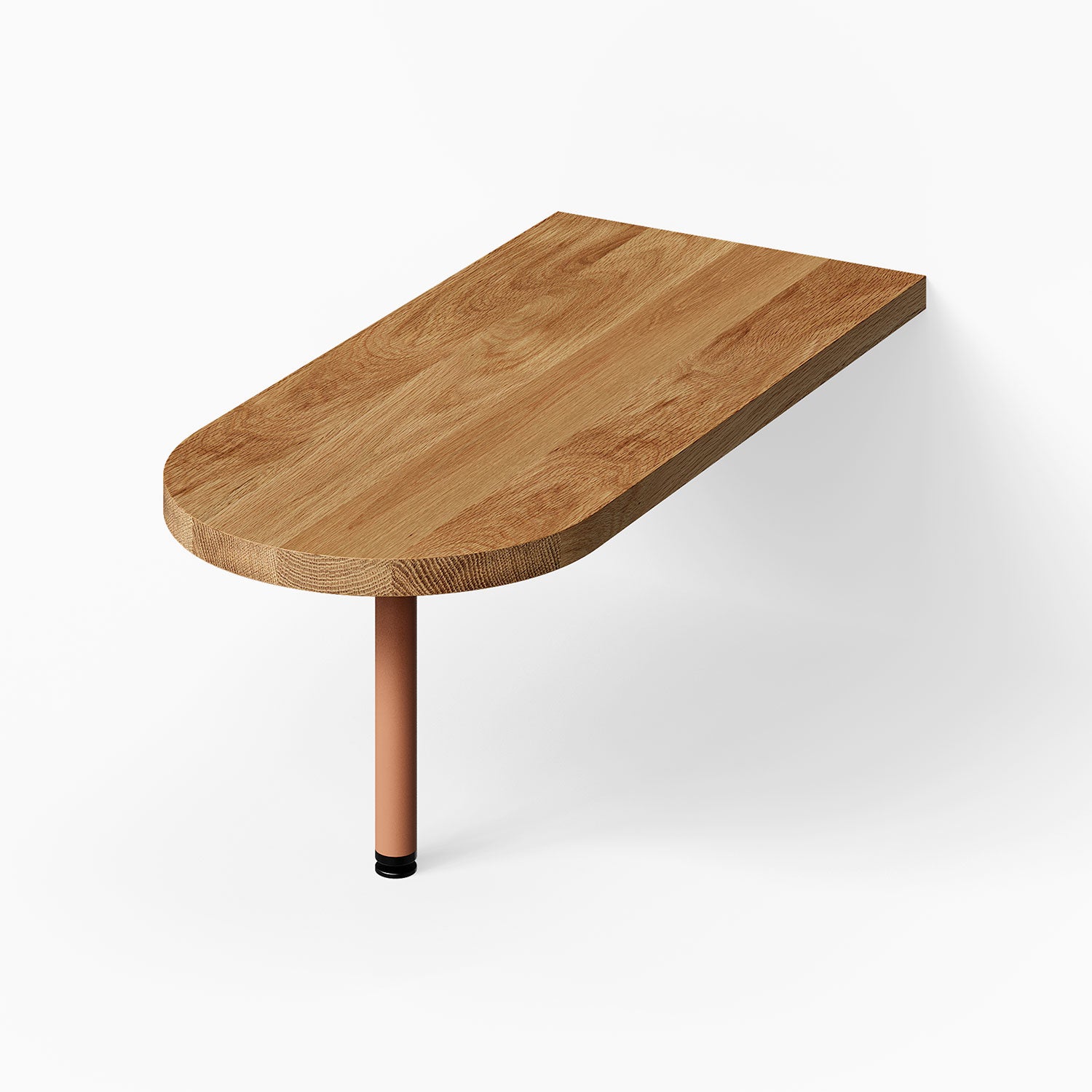
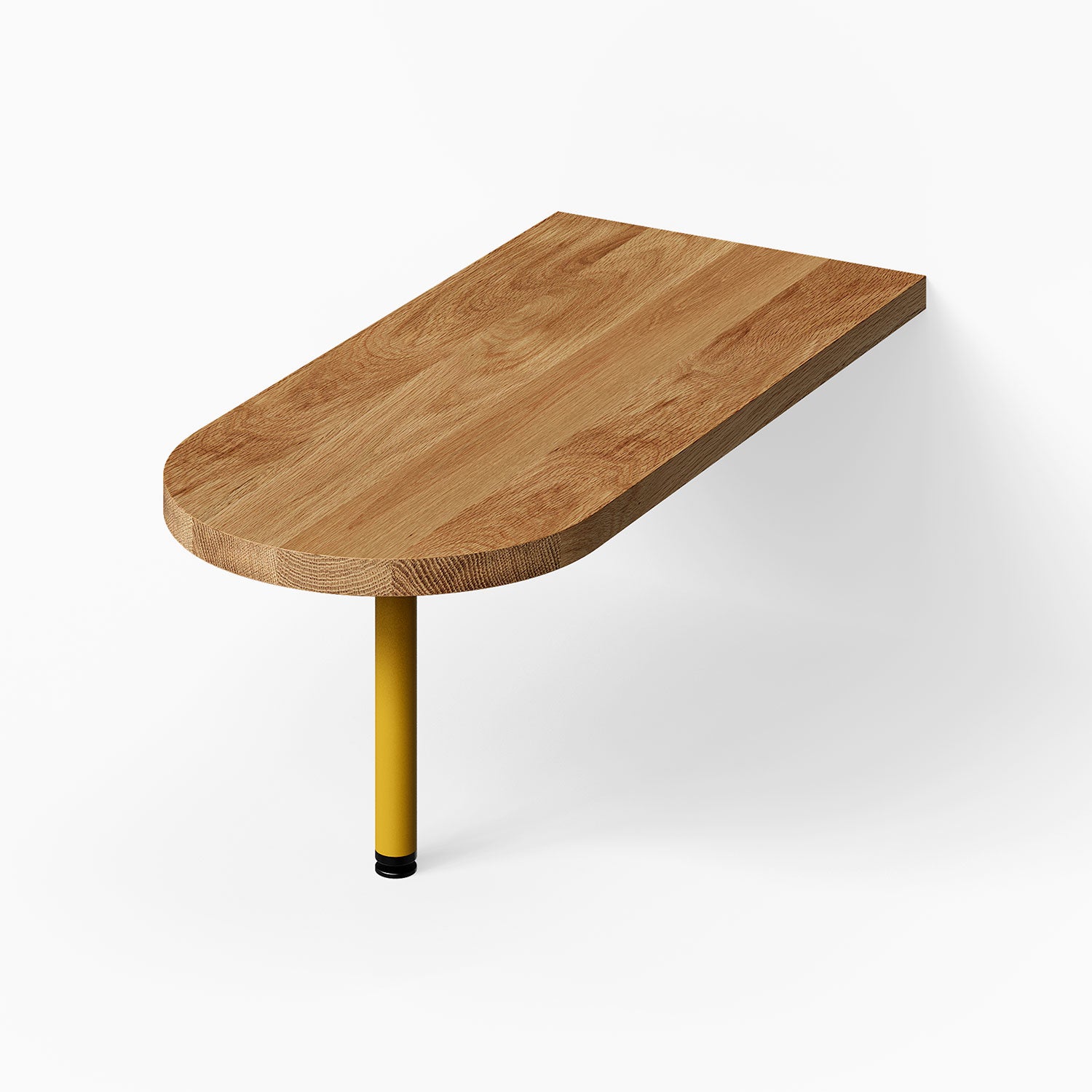
Moxie Peninsula Table (White Oak)
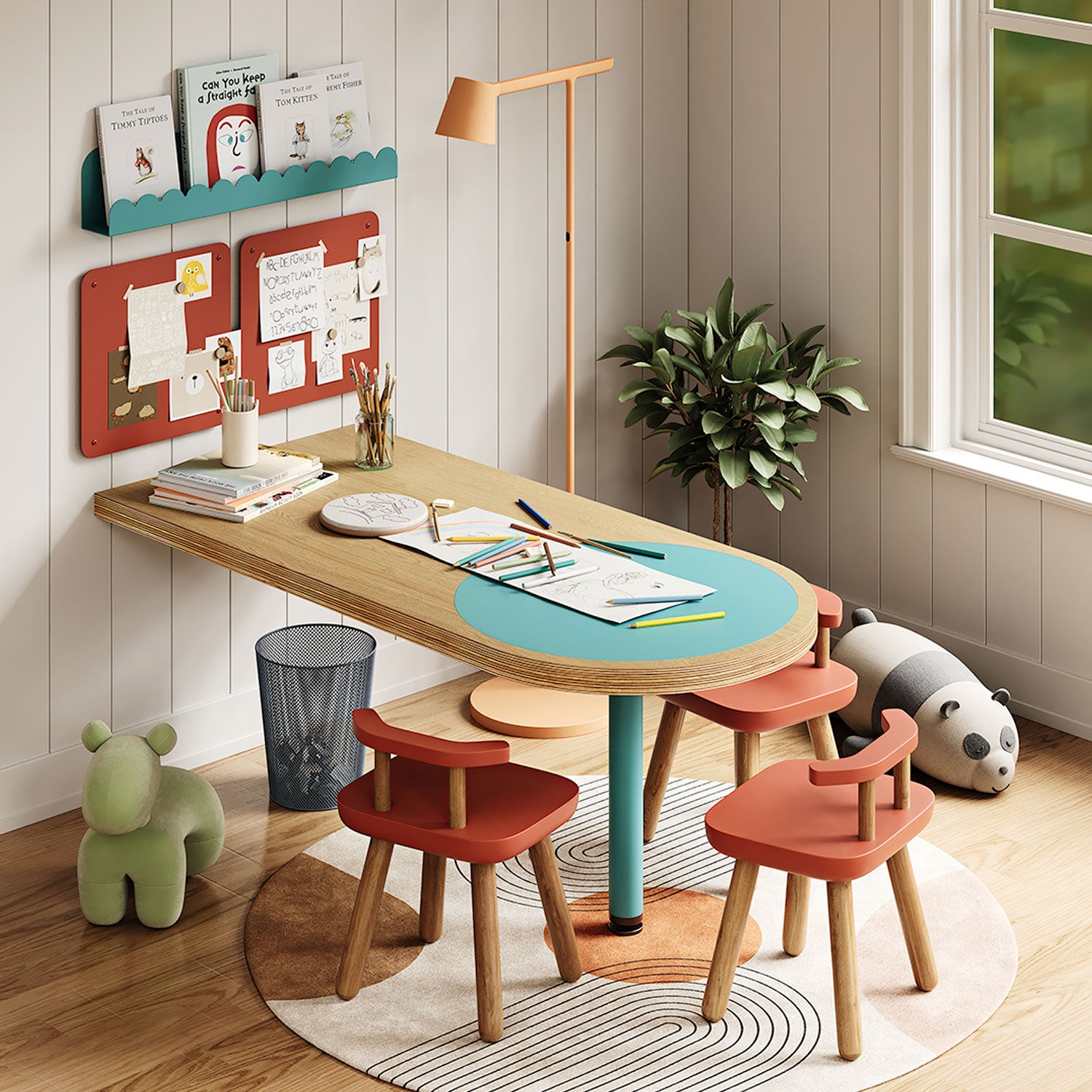
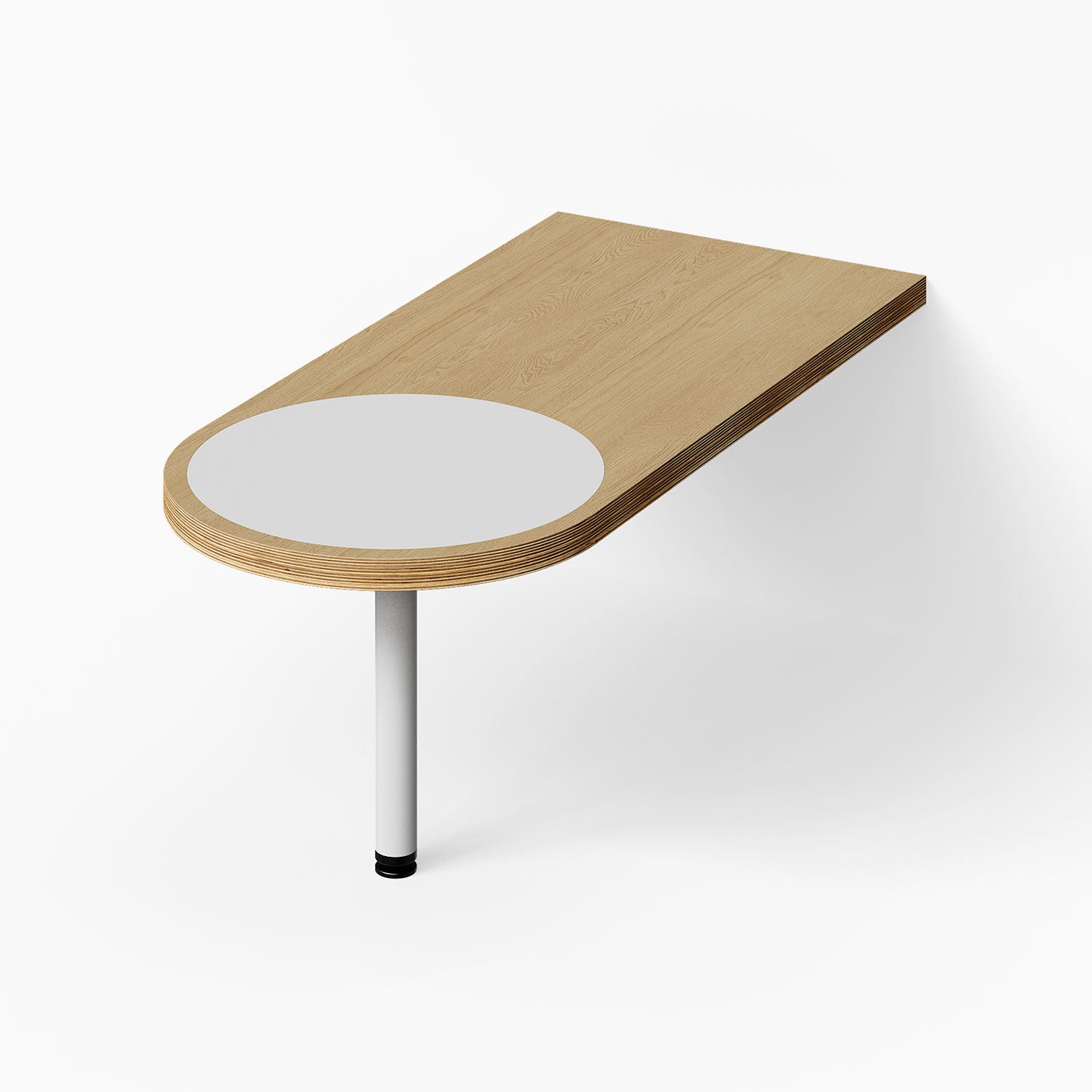
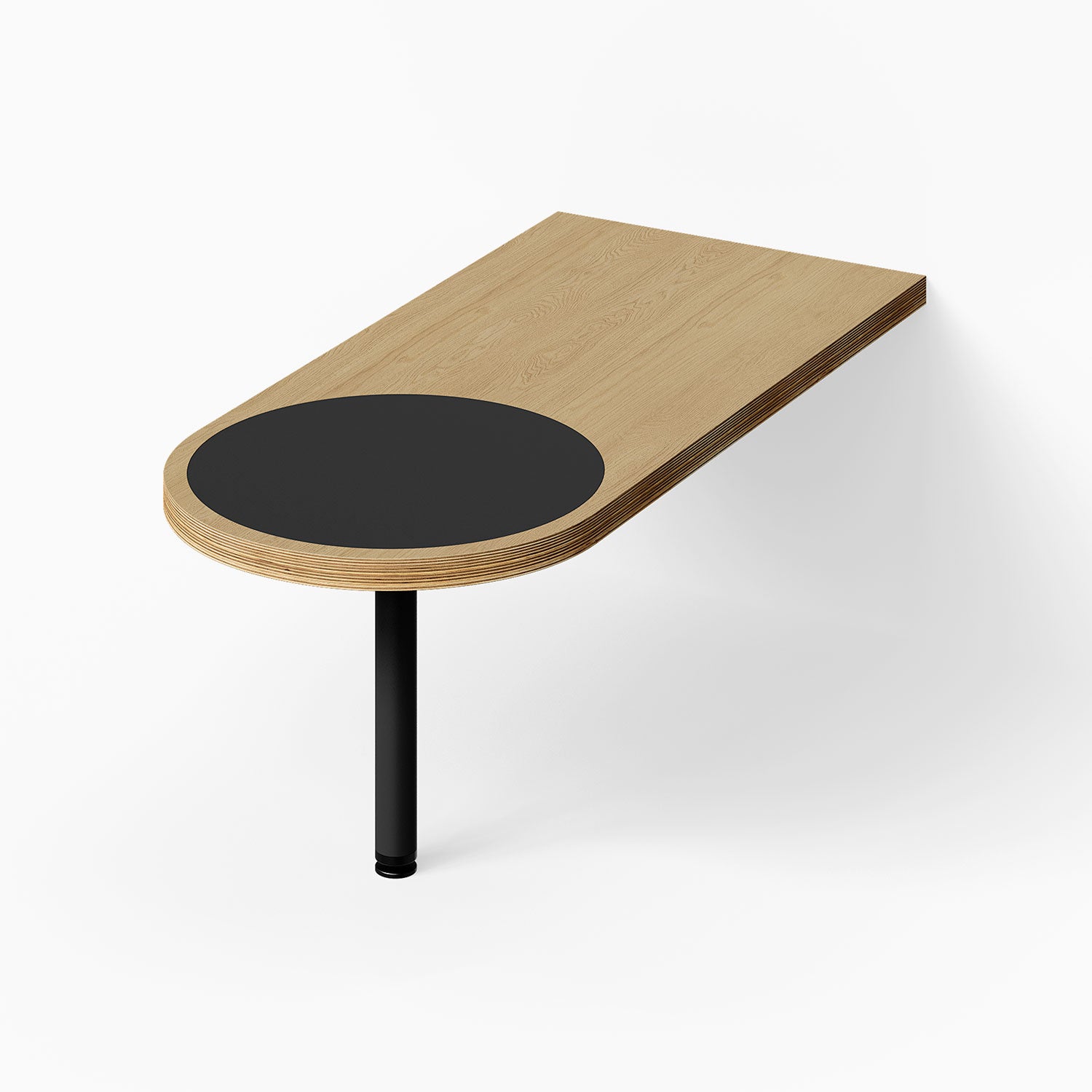
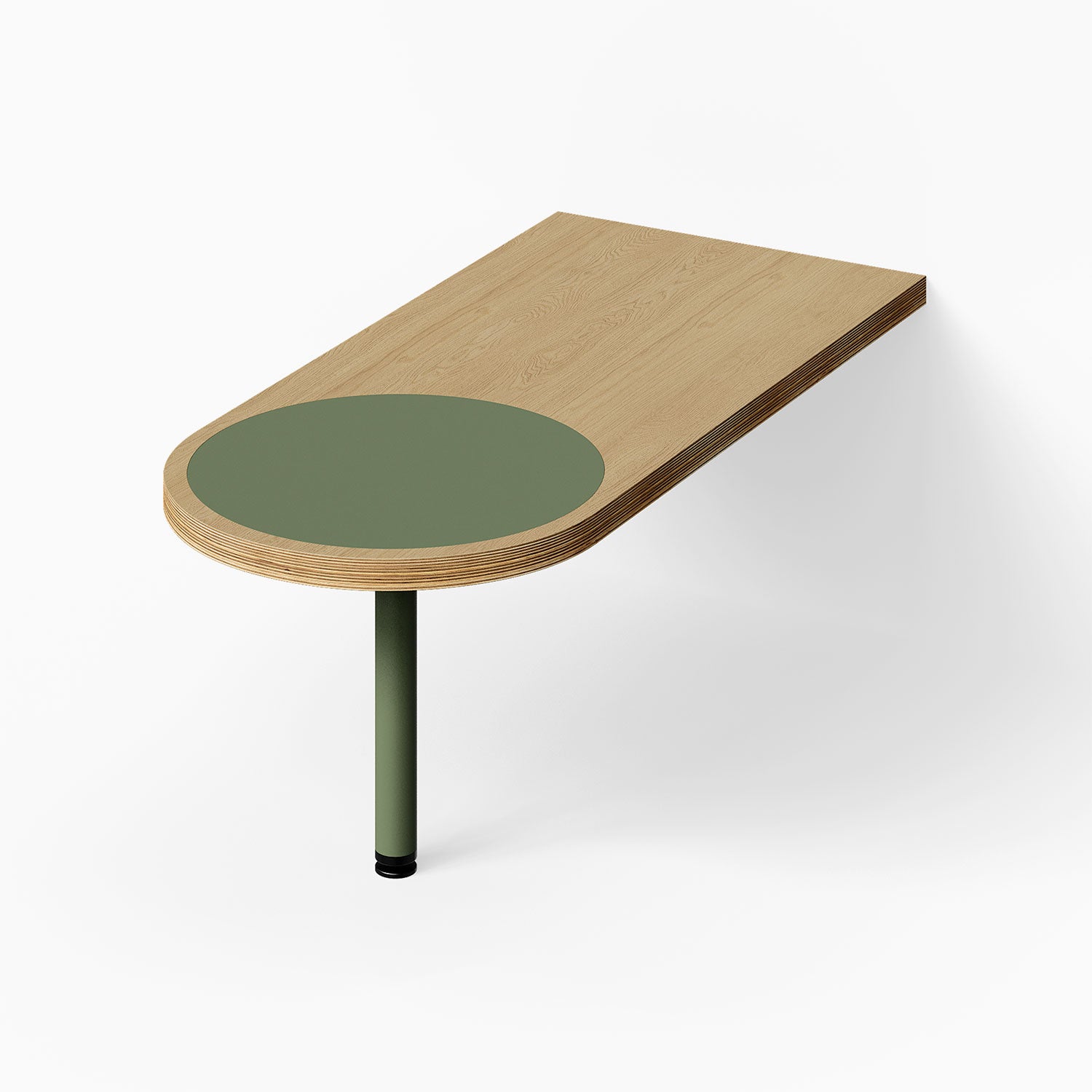
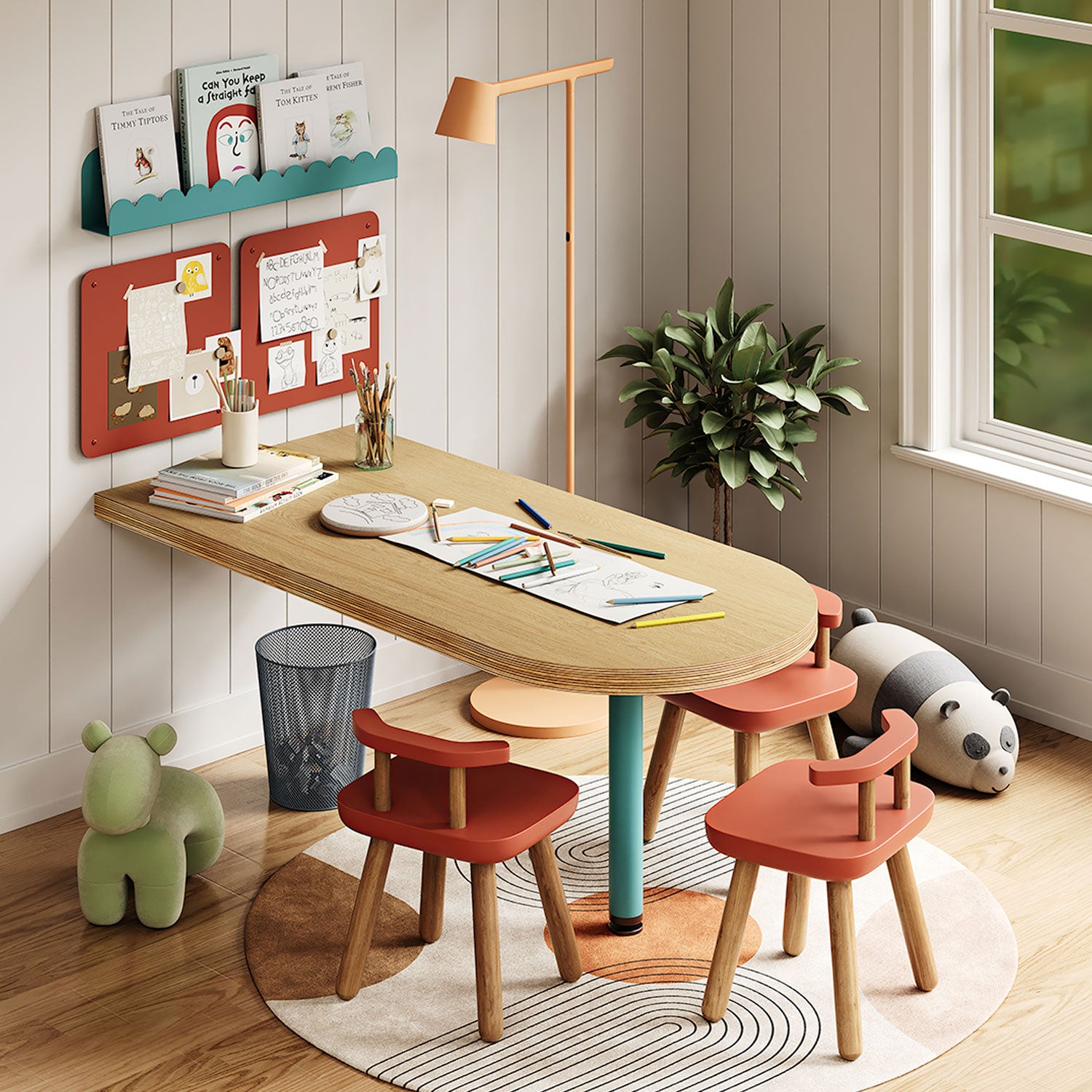
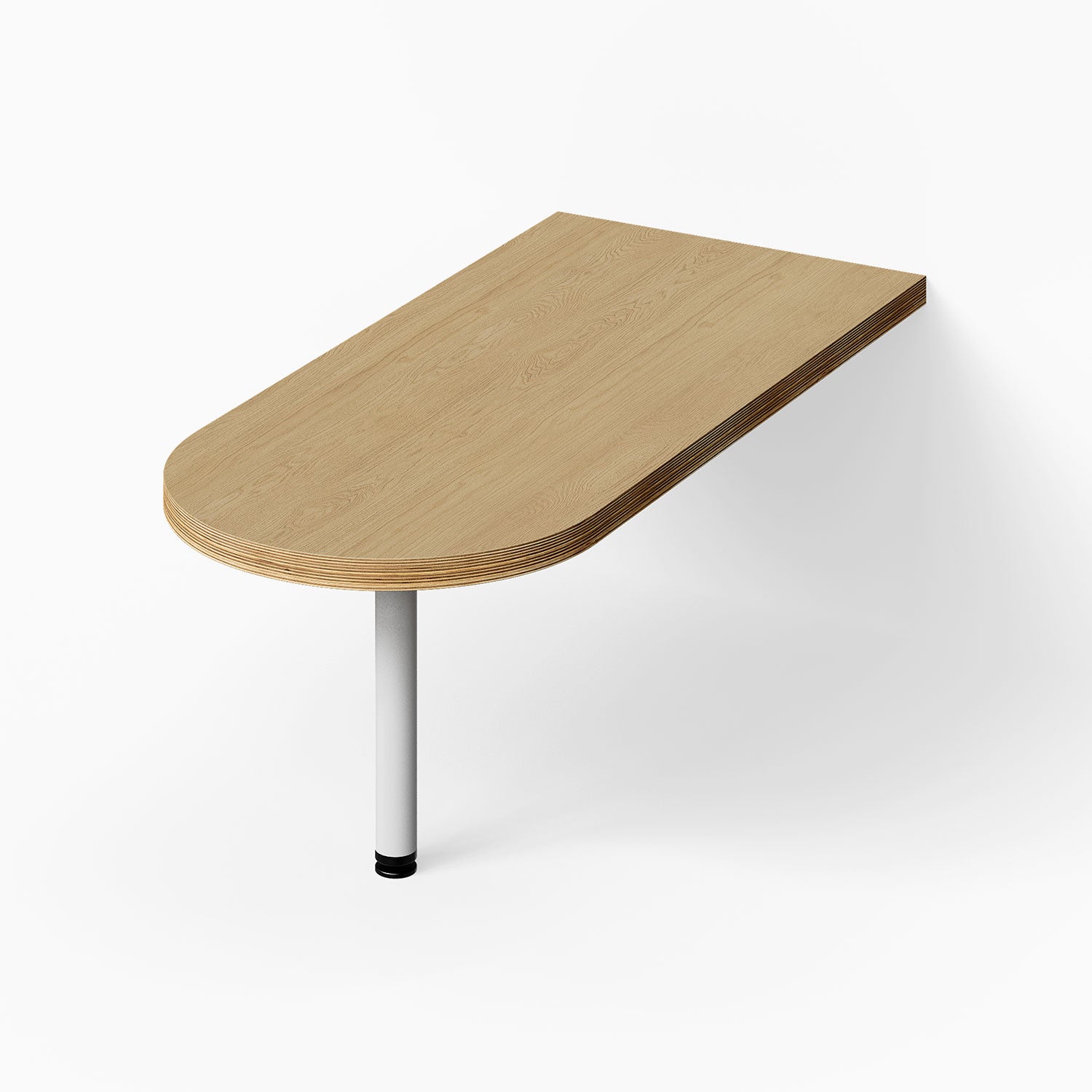
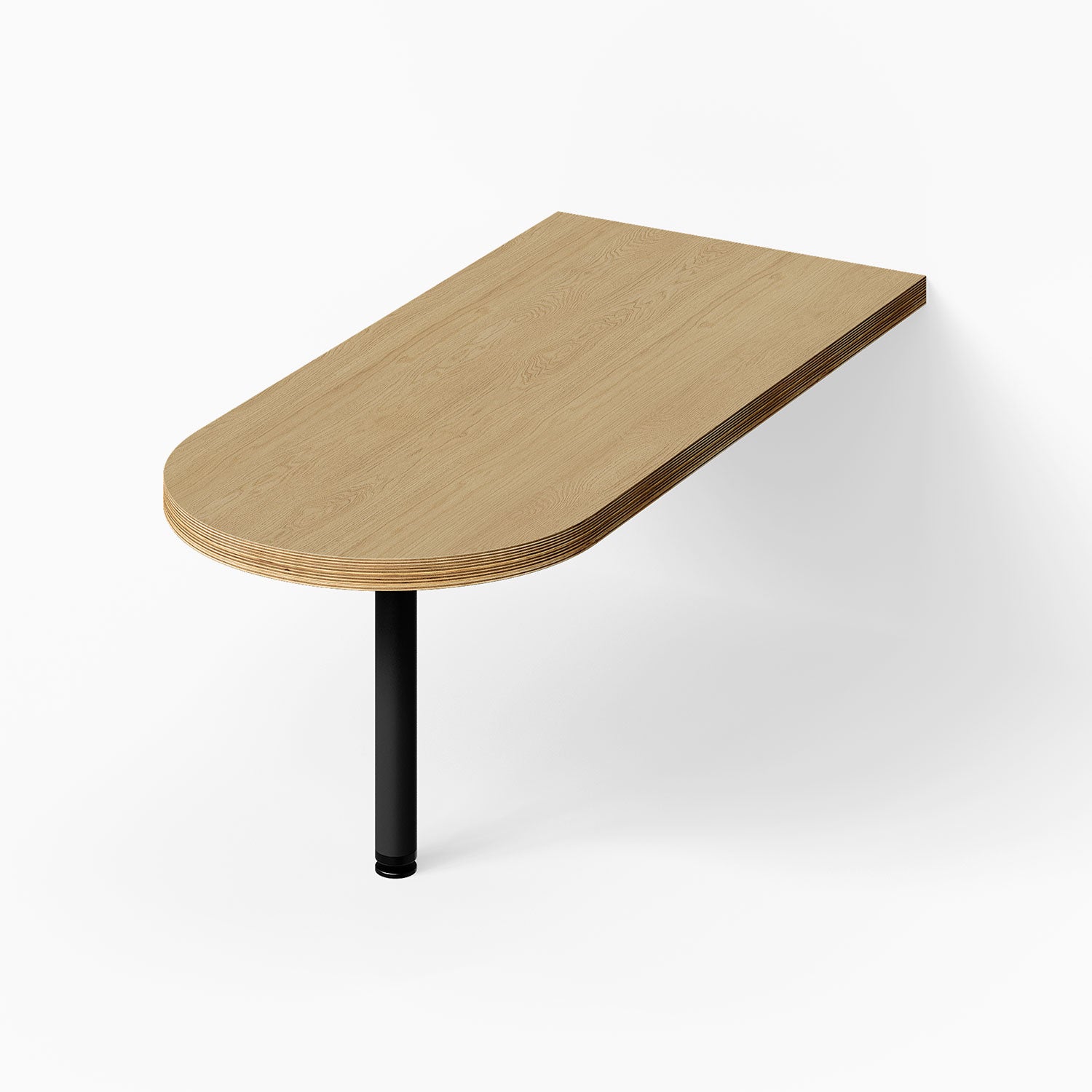
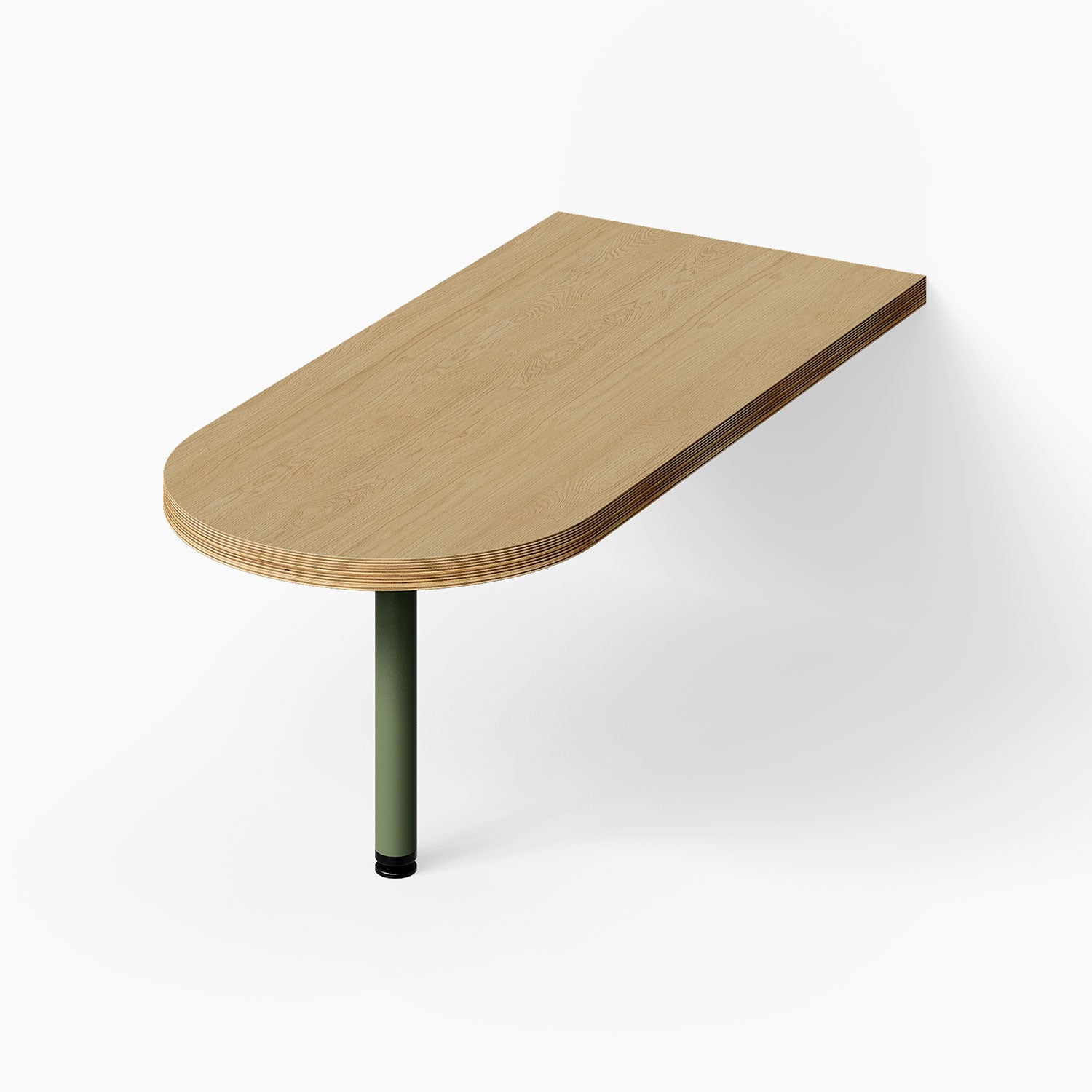
Moxie Peninsula Table (Baltic Birch)
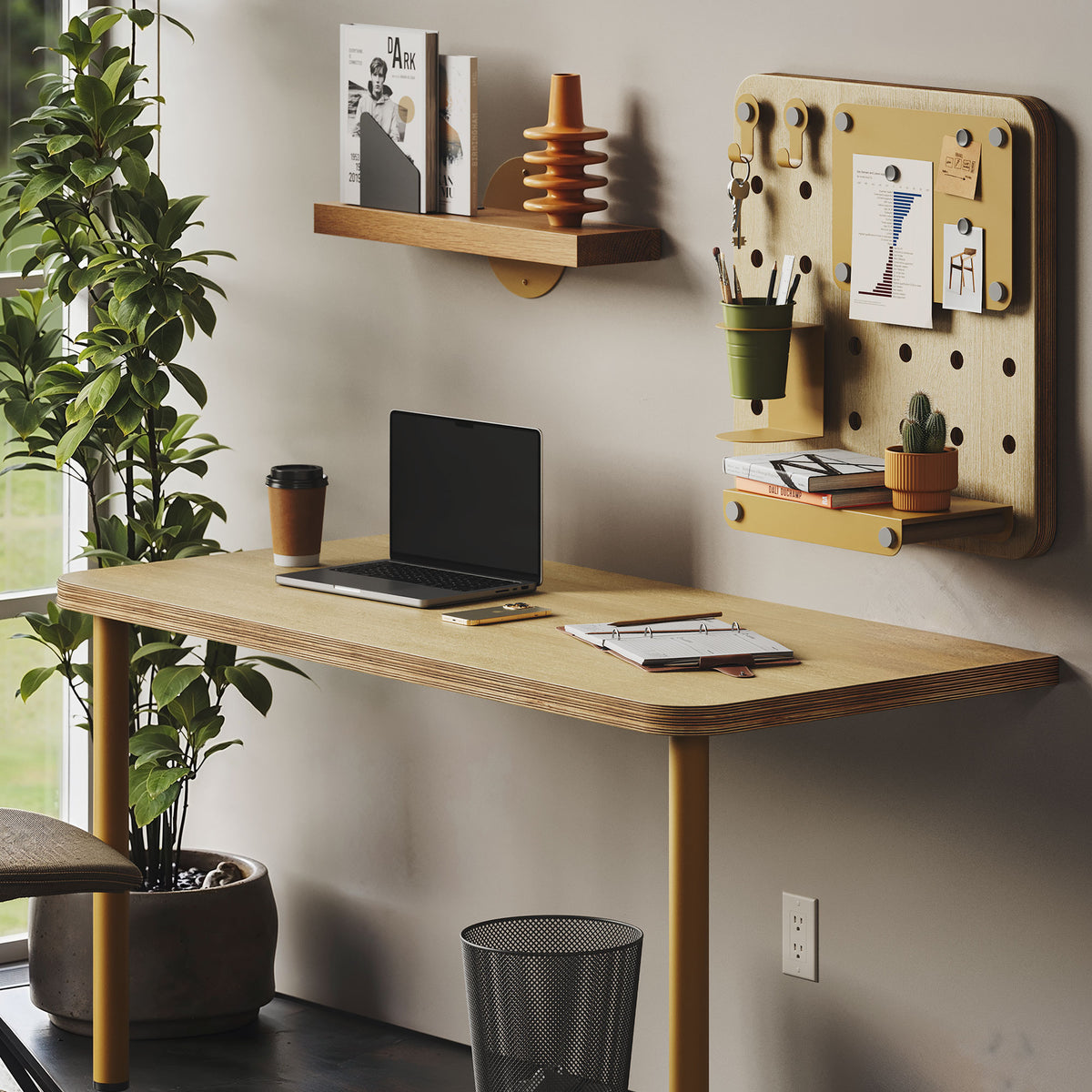
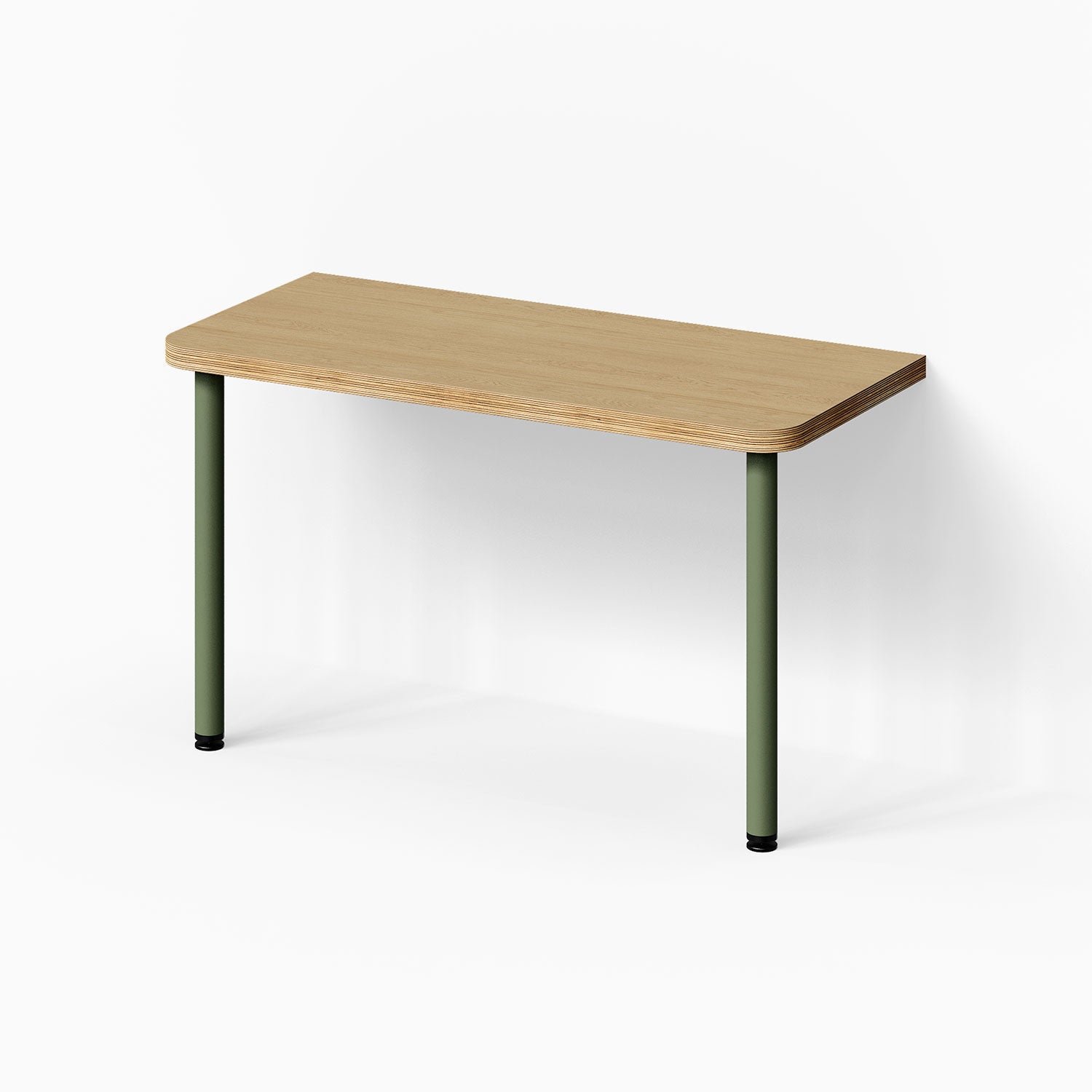
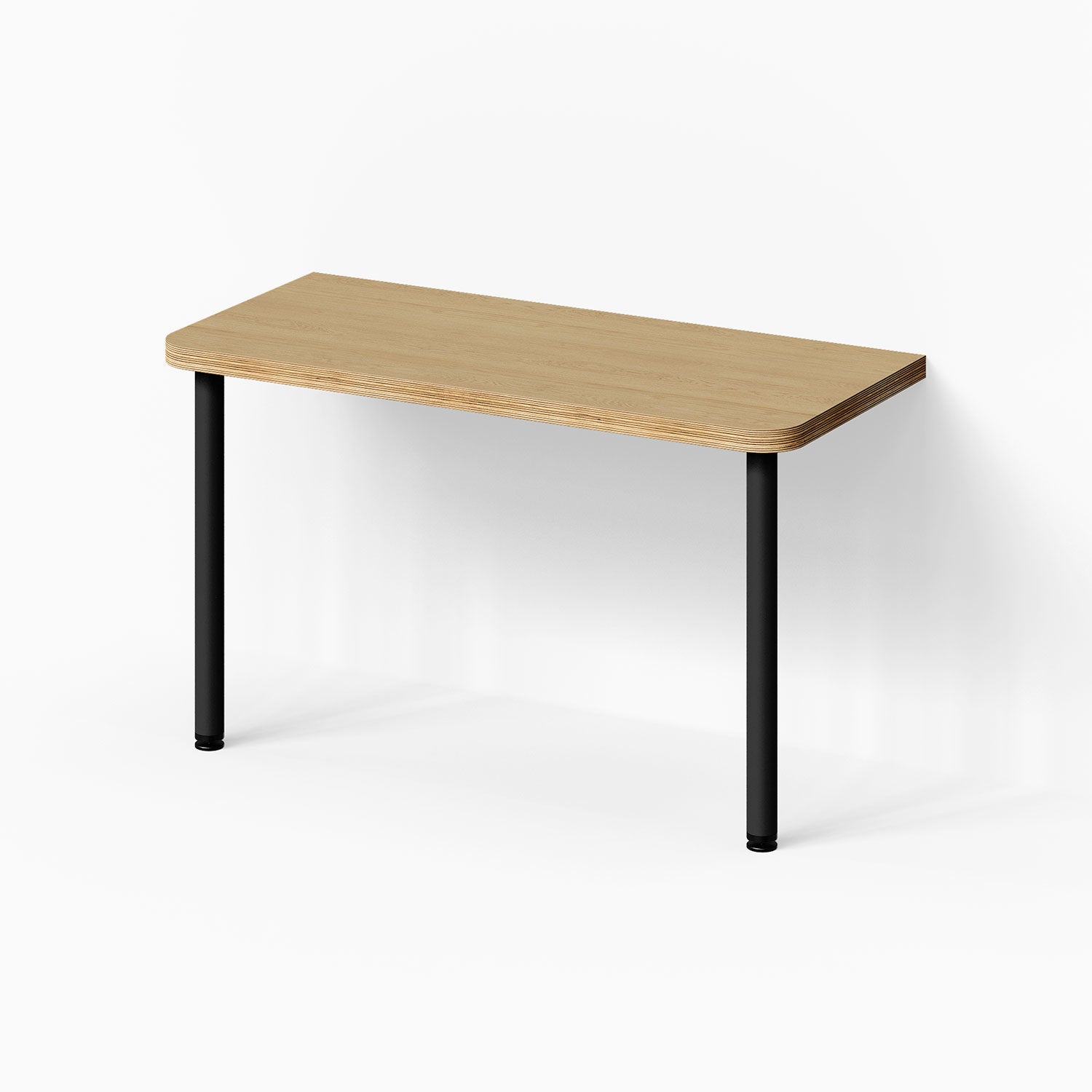
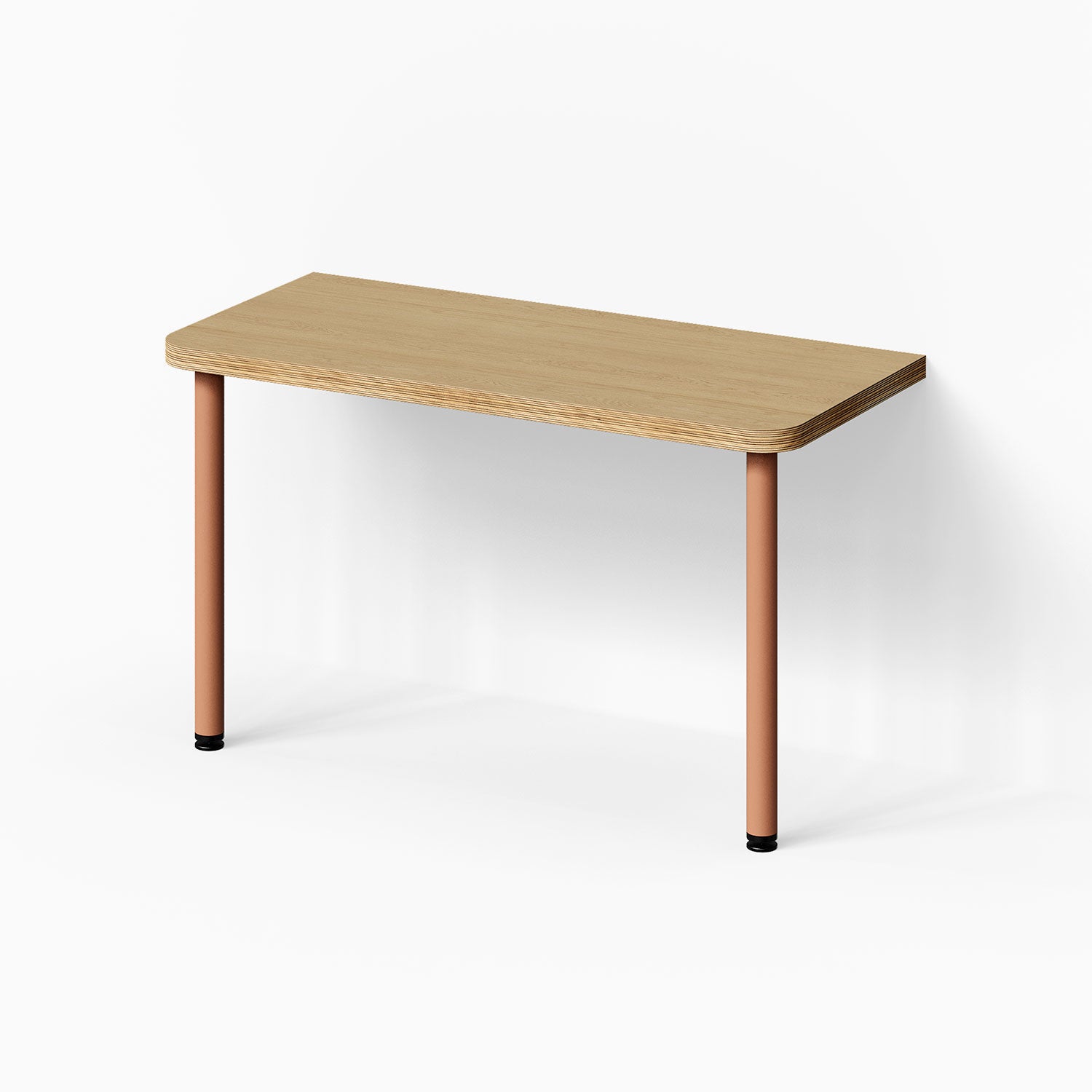
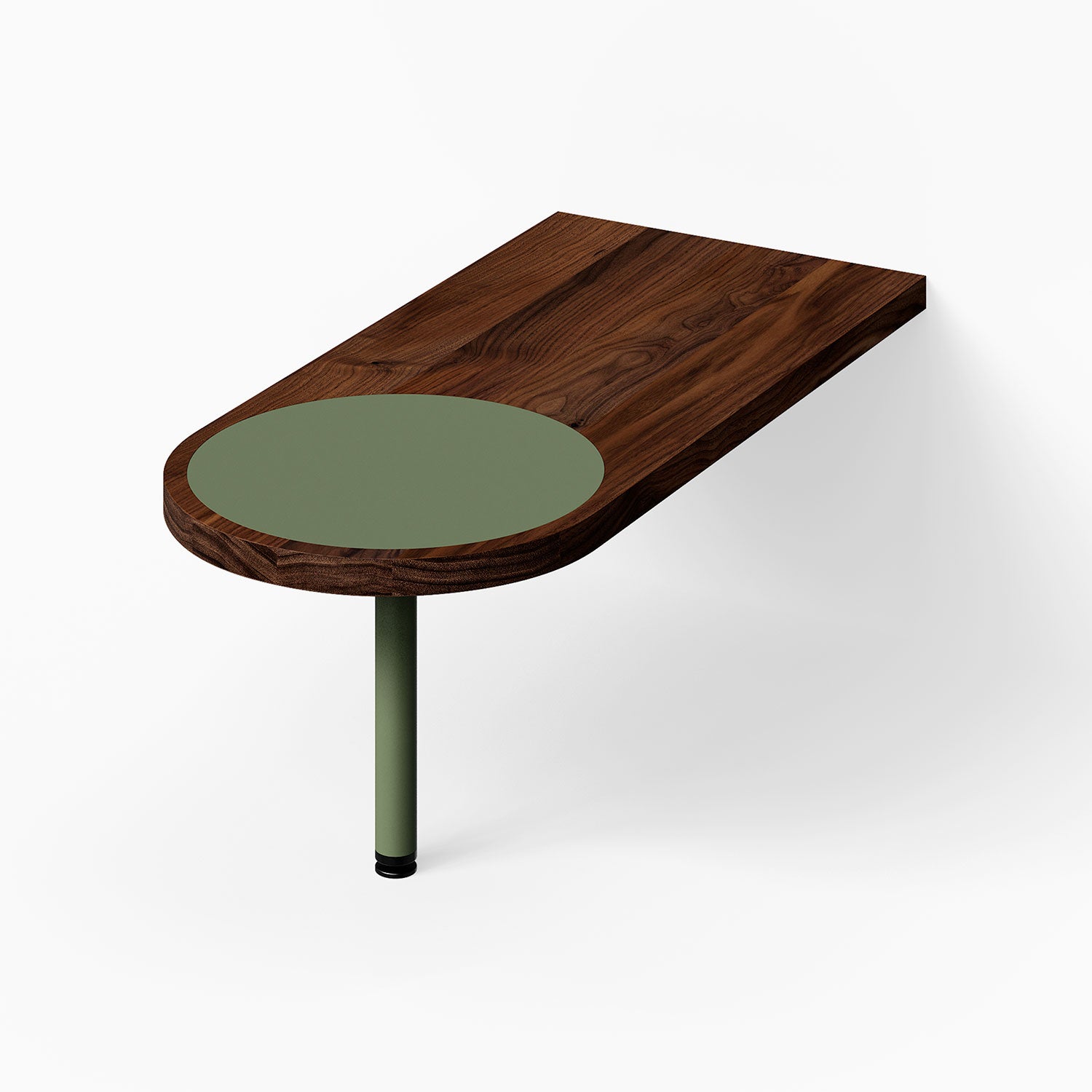
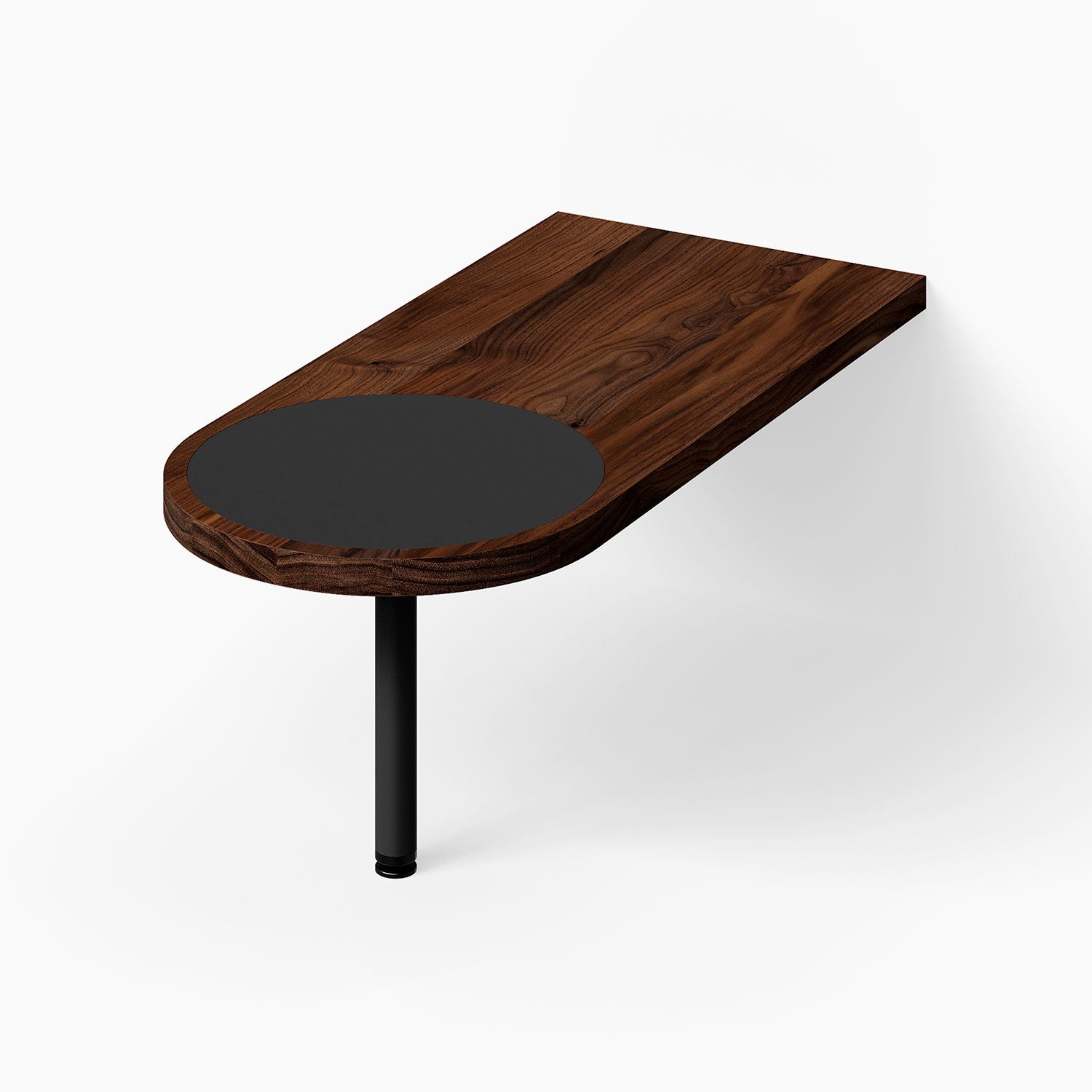
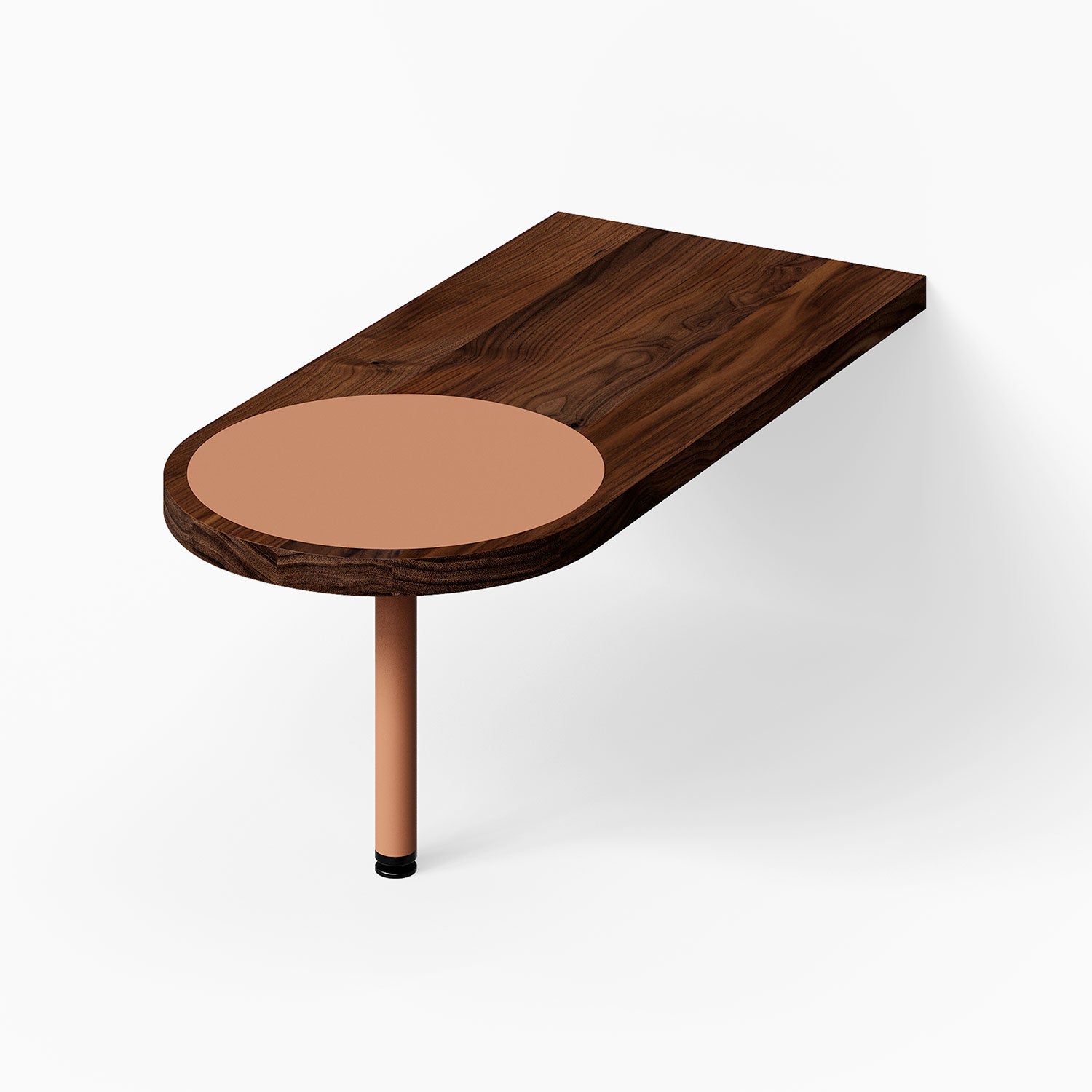
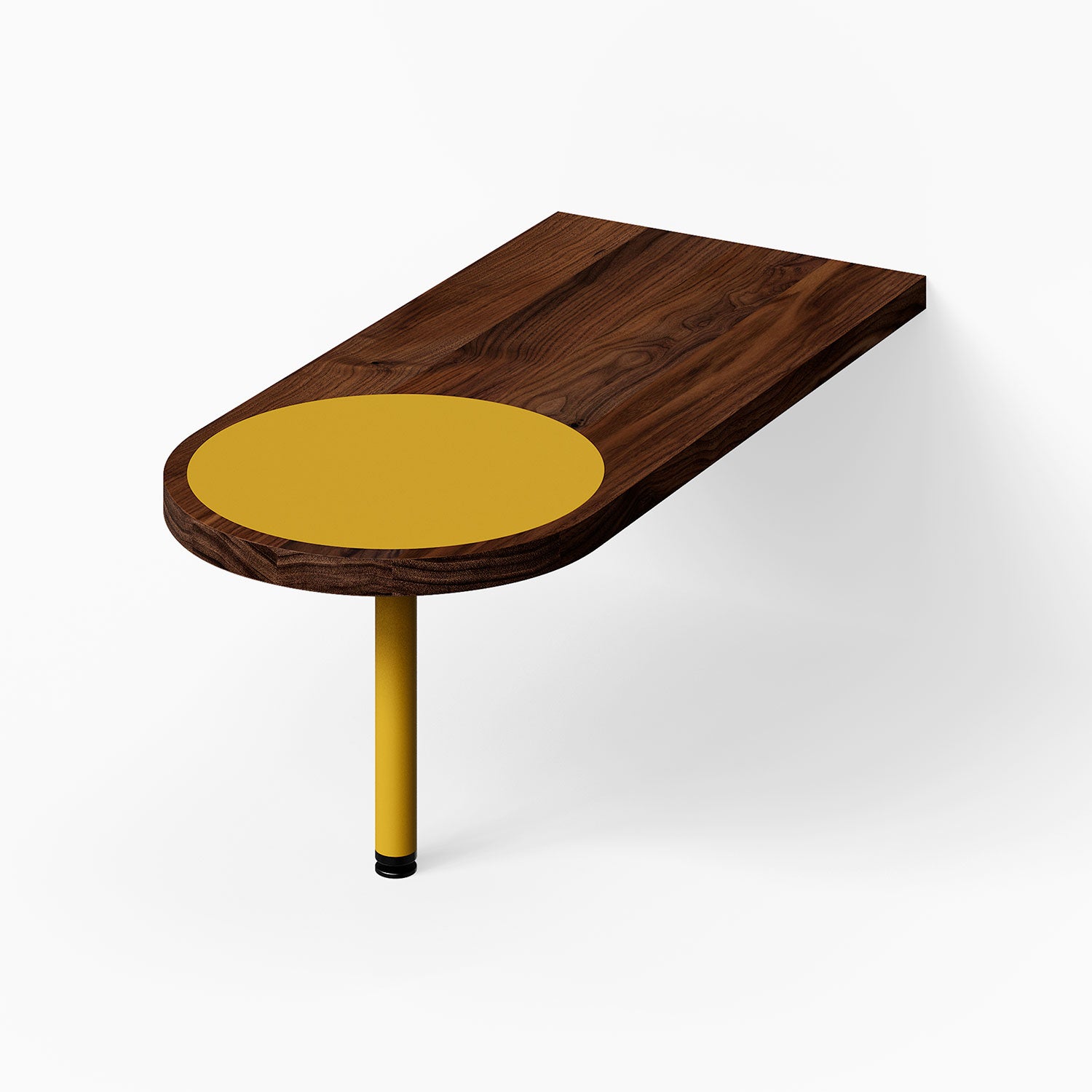
Moxie Peninsula Table (Walnut - With Color Inlay)
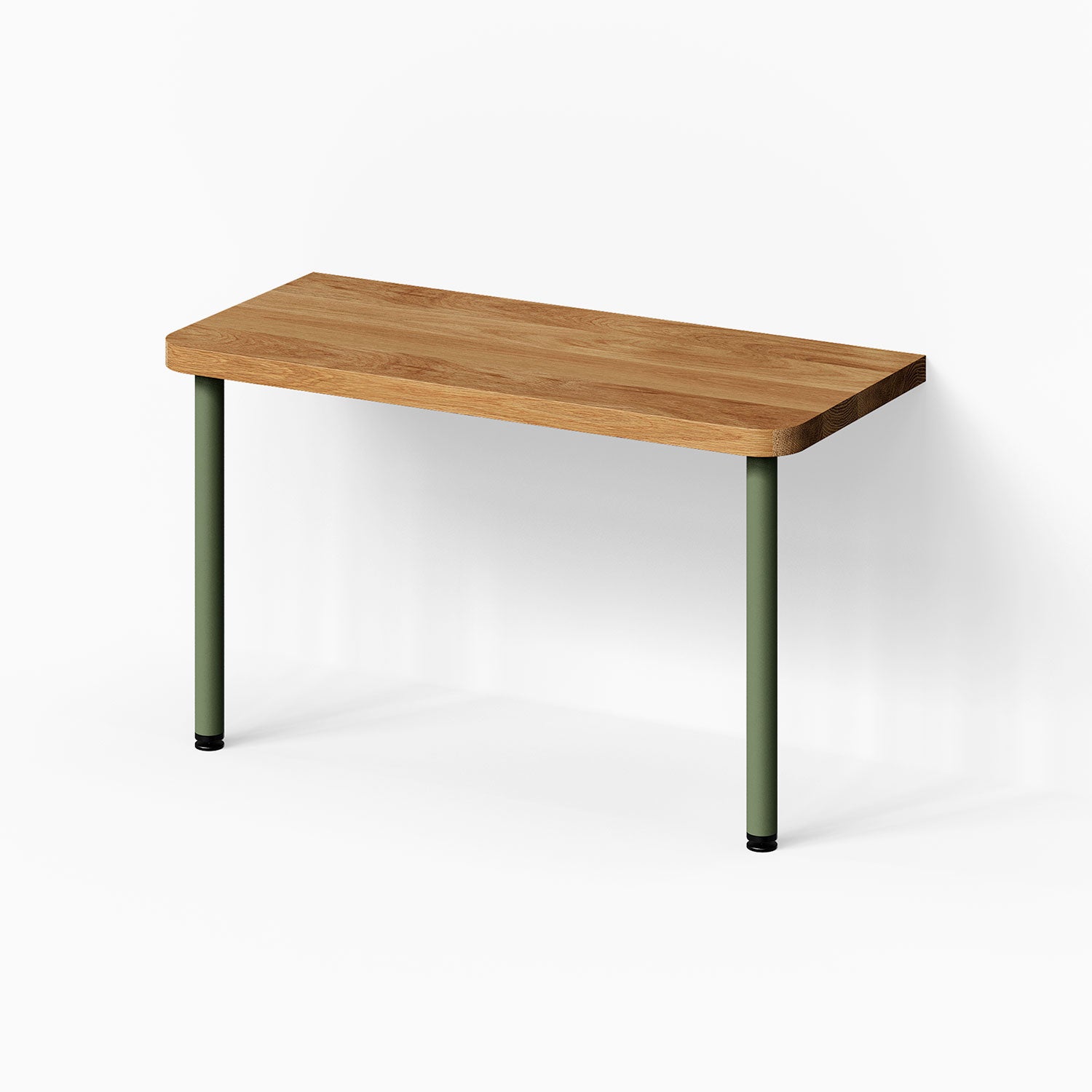
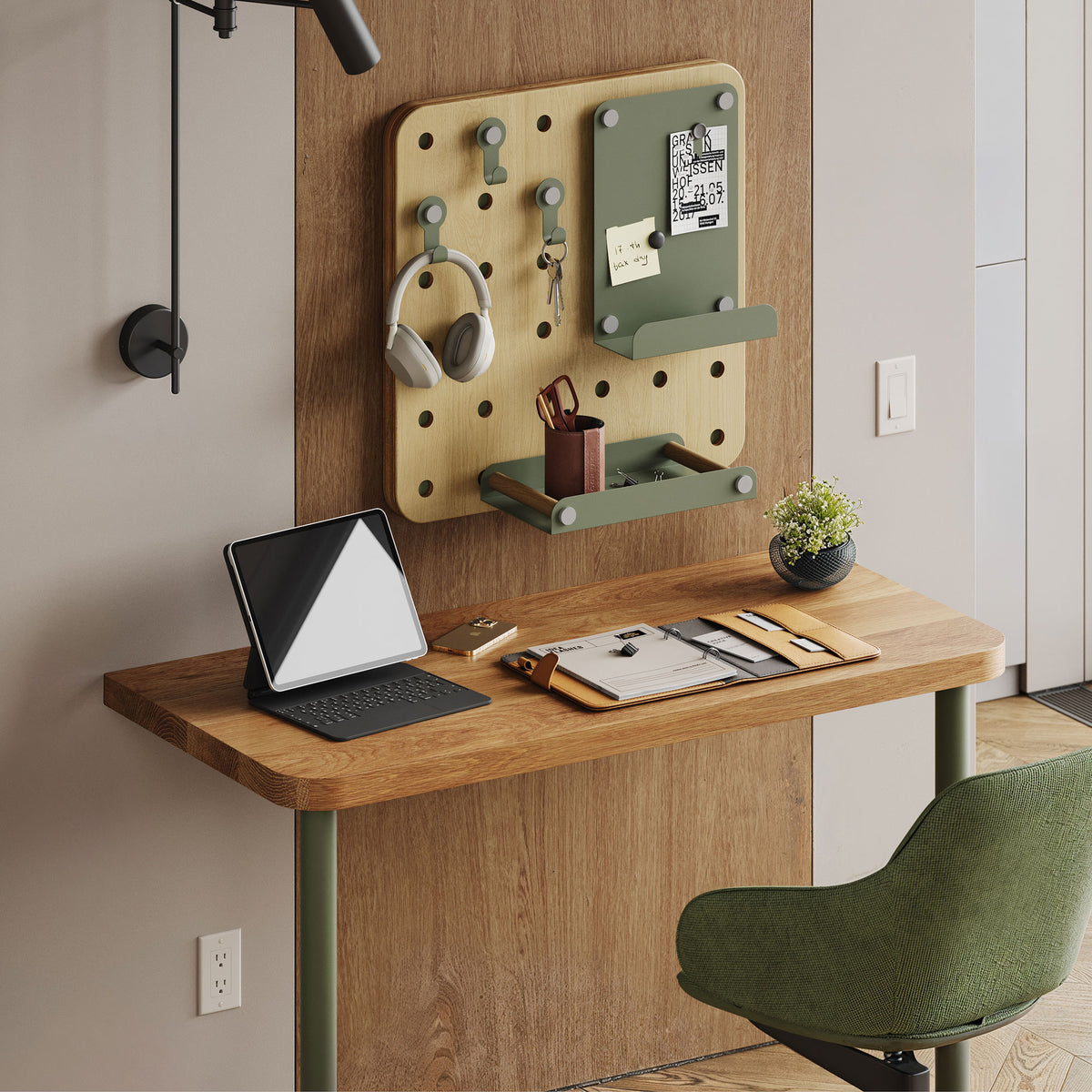
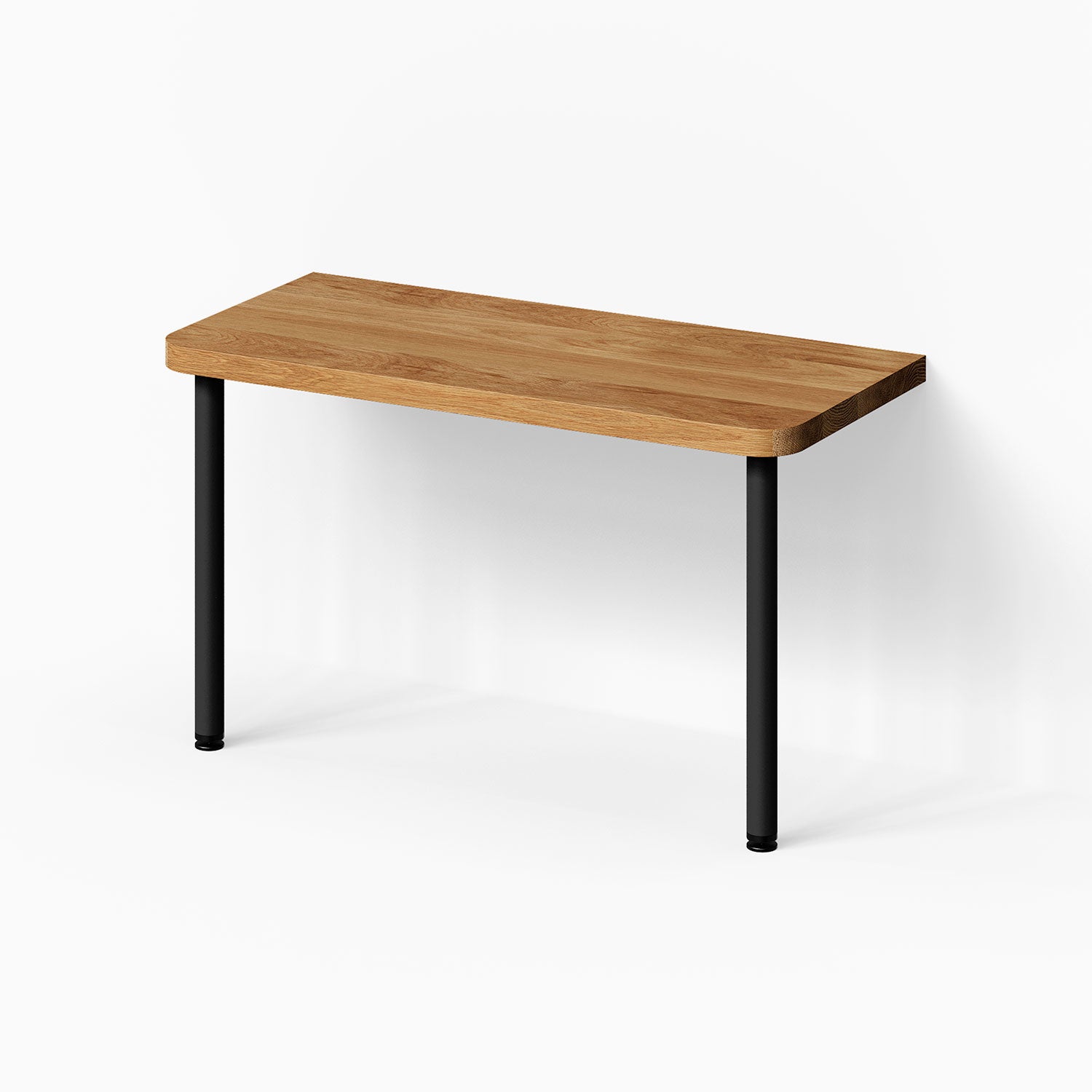
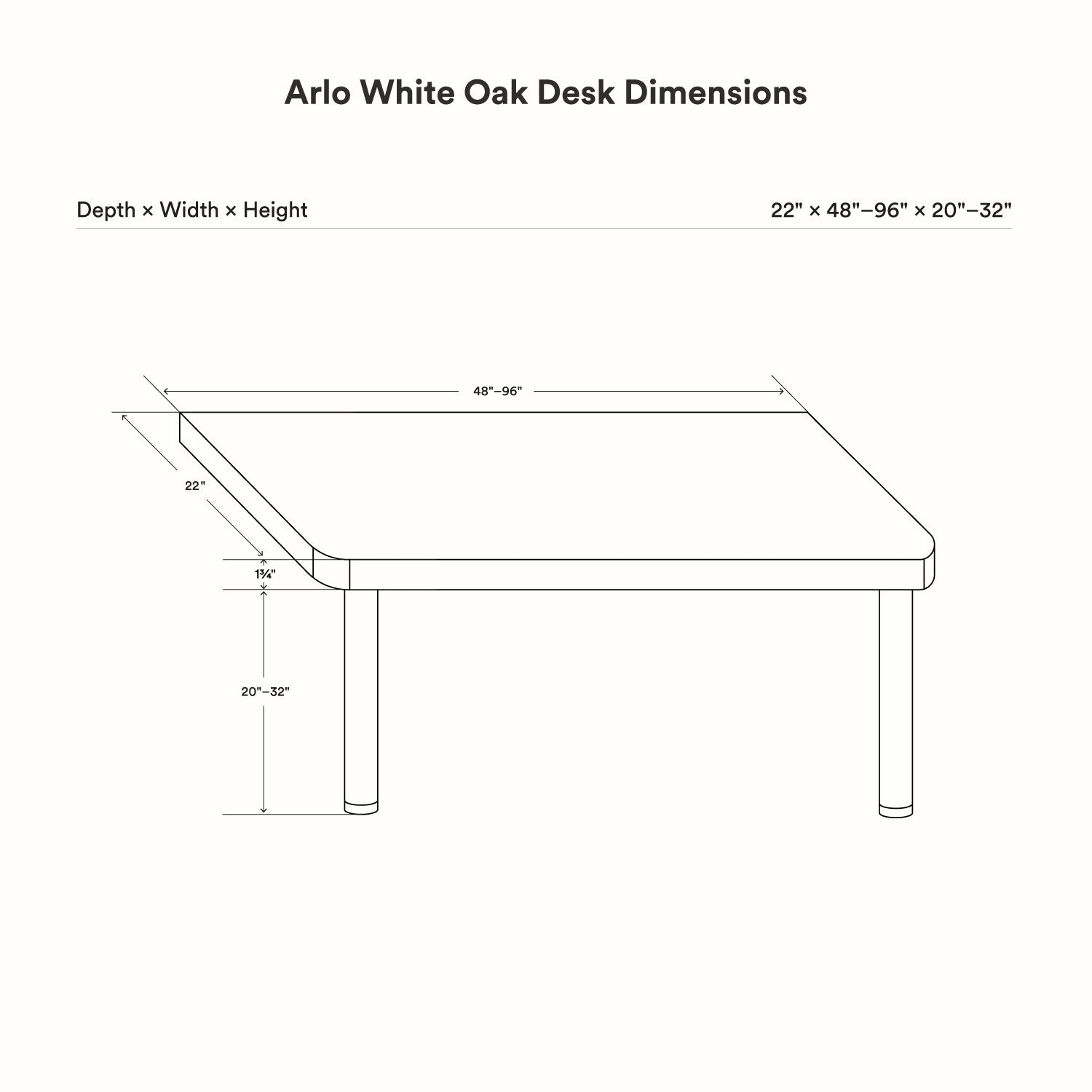
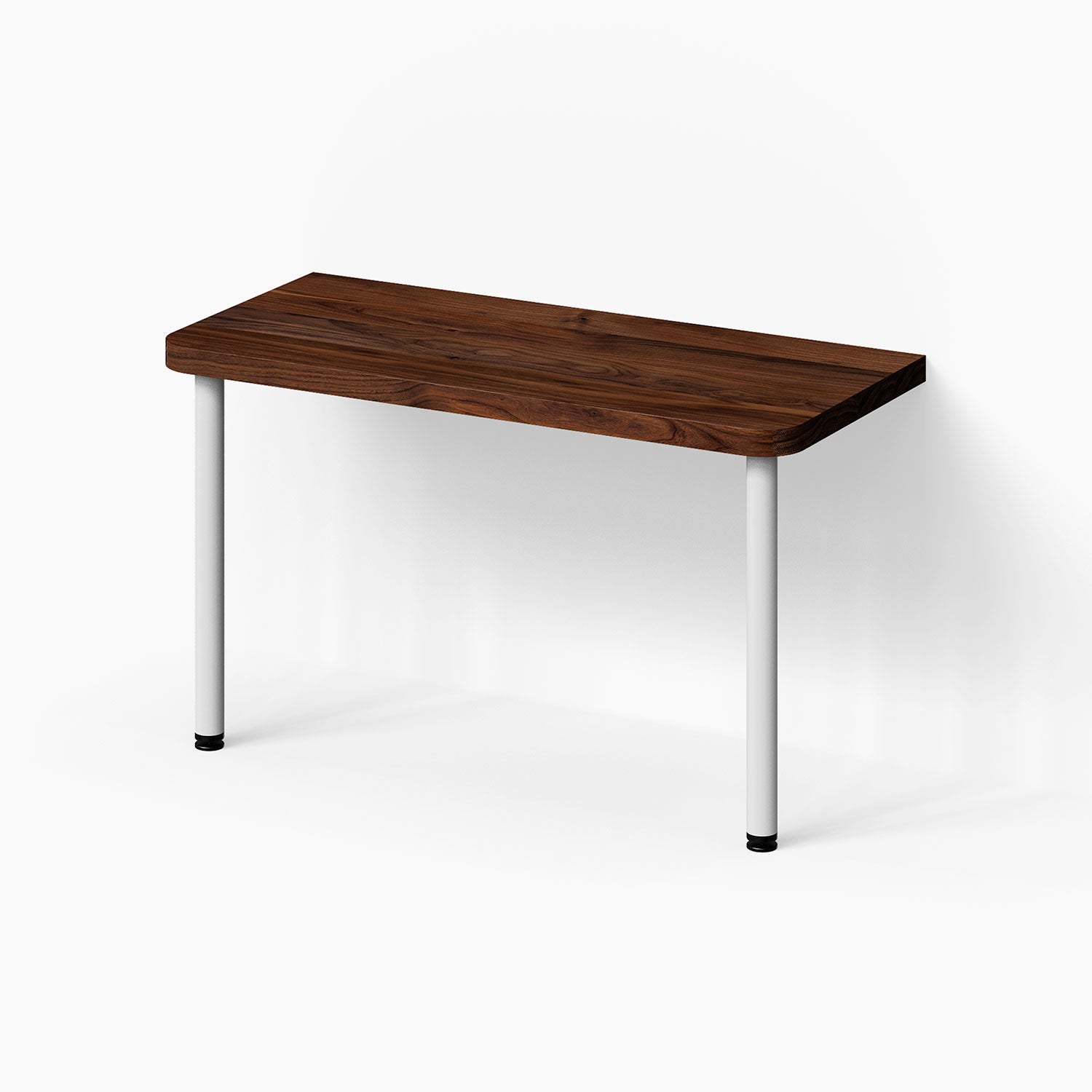
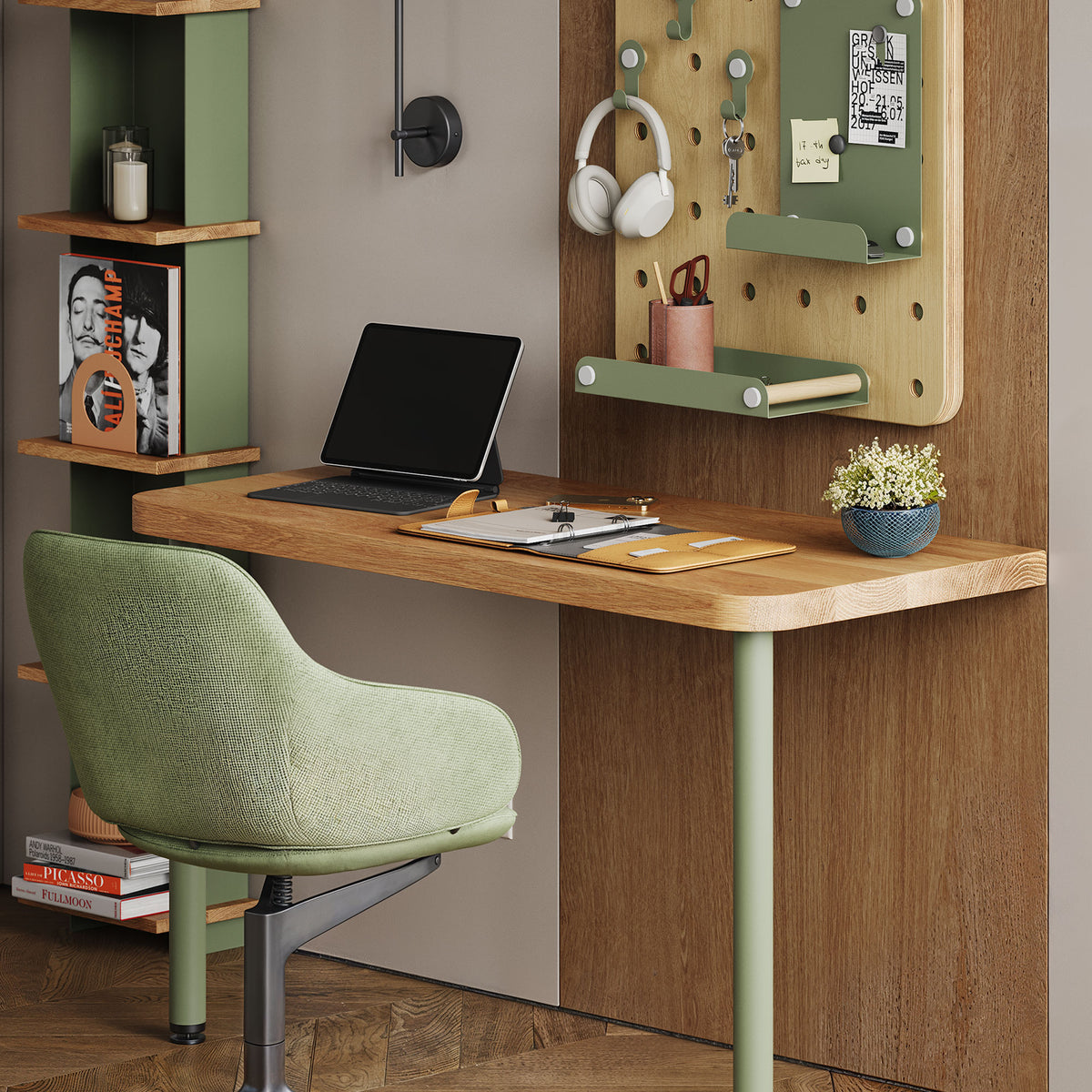
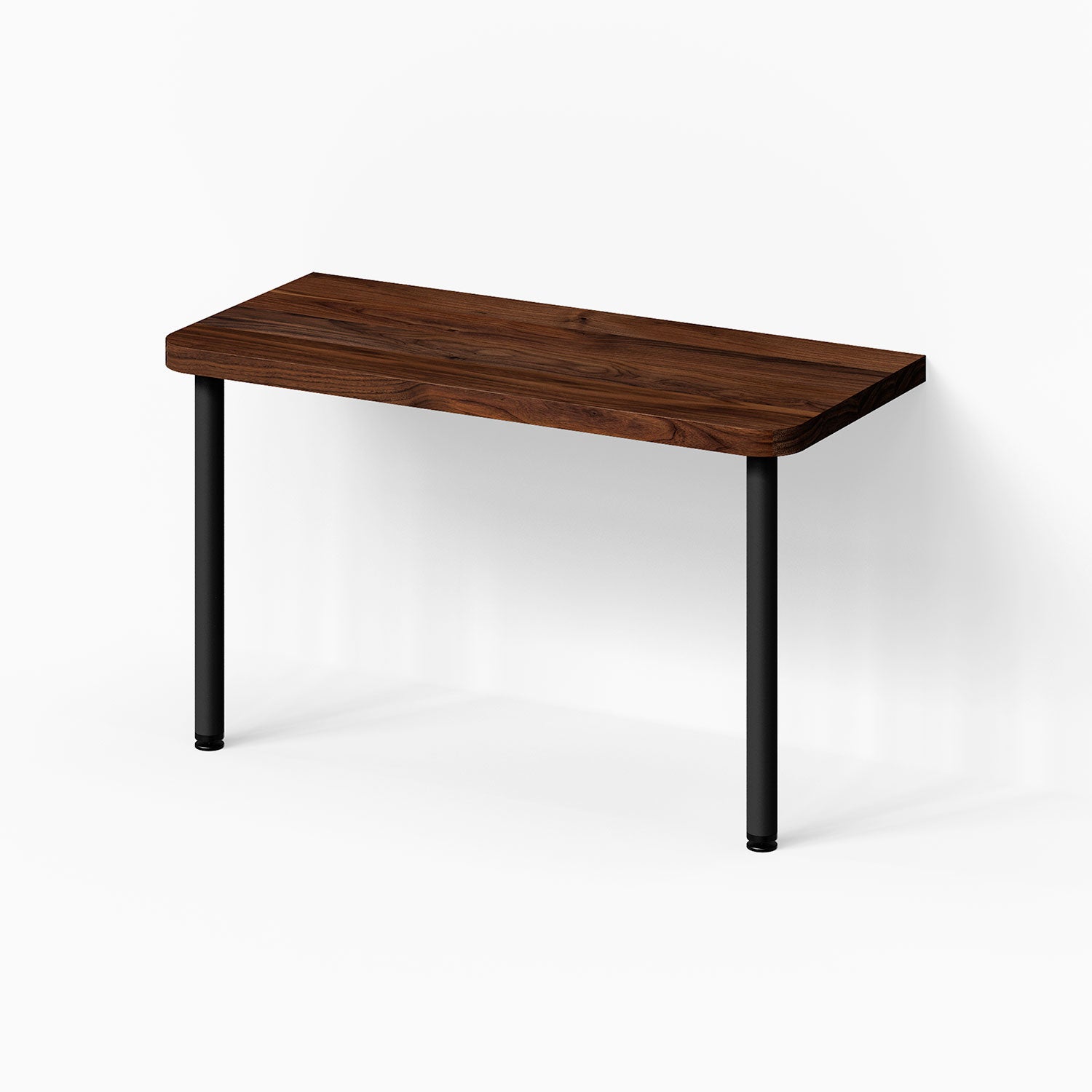
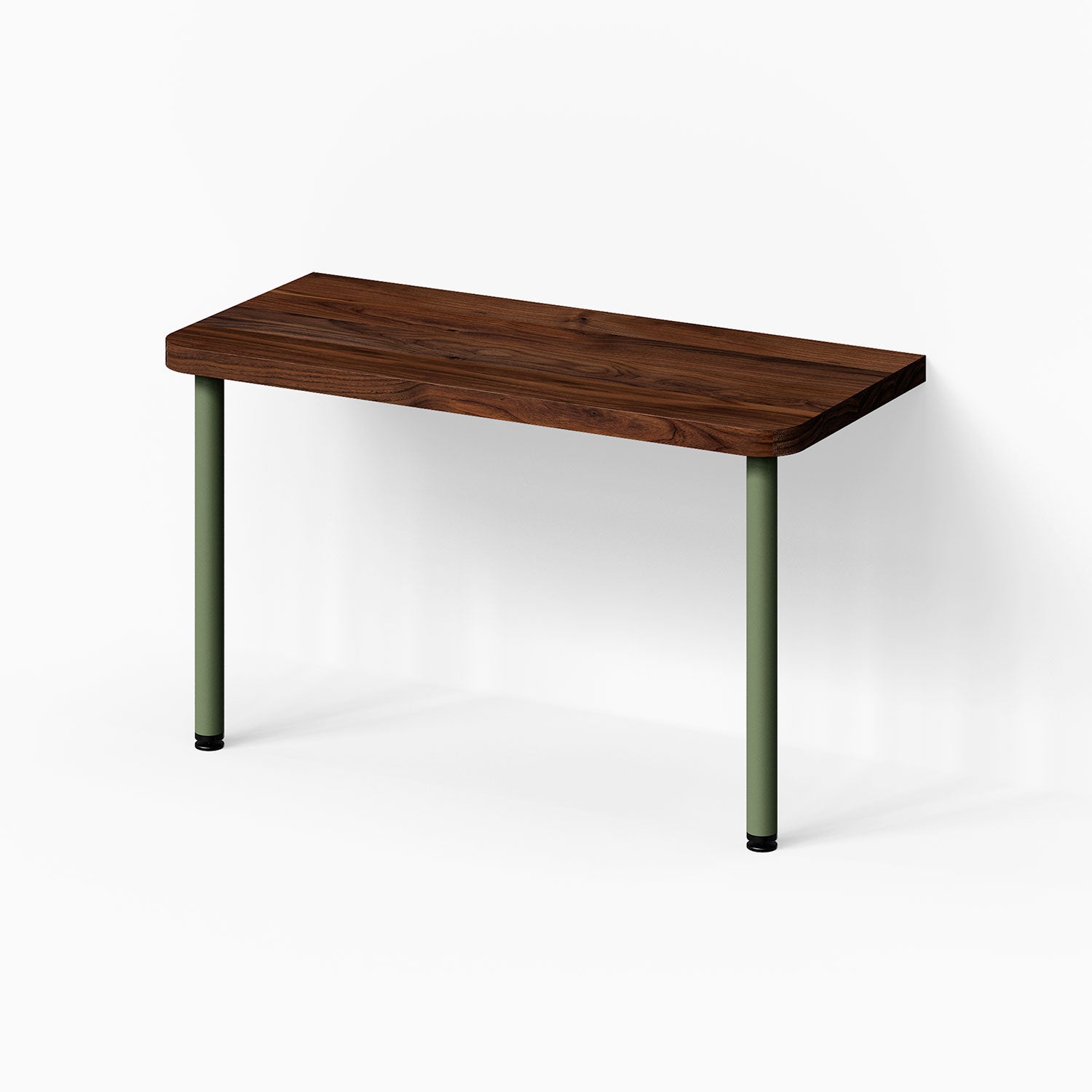
Meet the Desks by Shelfology
We built our reputation on shelves — the materials, the finishes, the bracket engineering. And with our new line of desks, we’ve brought that same material quality, finish range, and hardware precision to the work surface.
We make every desk from the same wood species, powder-coat finishes, and hardwood-and-steel combinations available across our full line. That means the desk and the shelf wall above it are drawn from the same palette — same walnut, same white oak, same matte black — because we designed them to work together, not because you got lucky sourcing across brands.
We make four distinct products:
- Floating desks — complete wall-mounted work surfaces with hidden bracket hardware included; no legs, no floor footprint
- Hybrid desks — wall-mounted for a clean profile, with front legs extending to the floor for maximum structural rigidity
- Floor-standing desks — four-leg desks with solid hardwood tops and steel frames, available in the full finish range
- Floating desk brackets — the bracket hardware alone, for buyers supplying their own surface or working with a custom slab
The Right Desk for Any and Every Space
Most desk decisions come down to one question: how much floor space can this desk actually have? The answer usually points directly to the right product.
Floating Desks for Small Apartments, Bedrooms, and Shared Spaces
Go wall-mounted when floor space is the constraint. No floor footprint means the room keeps working as a bedroom, a living room, or whatever else it needs to be when the laptop closes. Our Arlo desk was built for exactly this situation: a 1.5” white oak top, 22” deep, mounted on a hidden wall cleat with adjustable legs. Enough surface for real work, light enough visually that the room doesn’t reorganize itself around the desk.
For kids’ rooms and creative spaces, Moxie scales the same wall-mounted logic further. A single Moxie Peninsula Table gives a kid a proper homework zone; install two or three along a wall and you have a full creative surface without a single leg on the floor. Available in white oak or walnut, with a 1.75” top that reads as furniture, not toy.
Corner Installations That Actually Use the Space You Already Have
Our floating desk brackets install into both walls at the corner junction, turning the most consistently wasted real estate in any room into a proper work surface. The desk tucks into the corner, gains surface area from both walls, and leaves the floor completely clear — no corner furniture piece required, no bulk.
Hybrid Desks for Rooms That Need More Than One Thing
Our hybrid desk mounts to the wall like a floating desk but adds front floor legs for maximum stability. The silhouette stays light — it reads closer to floating than floor-standing — but the structure doesn’t compromise. For longer spans, heavier loads, or setups where maximum rigidity matters without sacrificing the open-floor look, the hybrid is the right answer.
Moxie works on this same principle at kids’ scale: wall cleat plus adjustable steel leg, built for homework zones and creative walls. Install one for a focused surface or run multiples for a full room.
Floor-Standing Desks for Dedicated Home Offices
When the space belongs to the work and the setup is meant to stay, four legs on the floor is the right answer. No wall installation, no stud-finding, no height decisions you can’t revisit. Our floor-standing desks are solid hardwood tops on steel frames, available in the same species and finishes as our full catalog. Minimal assembly required.
Marty brings the same floor-standing logic to kids’ activity tables — a 1.5” Baltic birch top on four sturdy legs, with rounded edges and a clean modern shape that holds up to daily creative use without reading as temporary playroom furniture. Move it if the room changes. Keep it if it doesn’t.
Neither wall-mounted nor floor-standing is the compromise. They just fit different rooms.
Desks with Shelves — Building the Full Home Office Wall
The desk handles the work surface. A run of floating shelves above it handles everything that would otherwise compete for space on it — reference books, storage, the lamp that shouldn’t be eating desk real estate. Add a set of our magnetic bookends and the whole wall functions as a coordinated system rather than an accumulation of separate decisions.
We make the desk, the shelves, and the bookends from the same steel bracket engineering, the same wood species, and the same finishes. When you’re specifying the whole wall, the match is already there.
Shop Floating Shelves · Shop Shelf Brackets · Shop Magnetic Bookends
Sizing a Desk — The Numbers That Actually Matter
Height — Set It Once, Get It Right
Standard desk height runs 28–30 inches from the floor — calibrated for seated work at a typical chair height. Most people land comfortably in that range, though taller users often find the upper end makes a meaningful difference over a full workday.
Floor-standing desks come at a fixed height. Wall-mounted and hybrid desks don’t — height is set at installation, which means you have full control before the brackets go in. Measure before you drill: sit in your actual work chair, rest your forearms flat, and measure from the floor to your elbow. That’s your number. You set it once.
Width — Where You Actually Feel the Difference
36 inches is the functional minimum for a single monitor and keyboard — workable, but there’s nowhere to set anything down without stacking it on what you’re already doing. 48 inches is where a desk starts to feel like a real workspace. 60 inches is a full workstation: dual monitors, a dedicated writing area, a lamp on one end, and nothing crowded.
Depth — The Dimension Most People Get Wrong
Almost all focused desk work happens in the first 20–24 inches from the back edge — that’s where the monitor sits, the keyboard lives, and your hands spend the day. Shallower than 20 inches and the monitor is too close; deeper than 30 and you’re reaching past arm’s length for things that should be right in front of you. The sweet spot for most setups is 22–26 inches, which is why Arlo’s 22” depth isn’t an accident.
Desks FAQ
What type of desk works best in a small space?
Our wall-mounted floating desks are the strongest option — no floor footprint means the room keeps working as a bedroom, living room, or whatever else it needs to be when the work stops. For corners, our floating desk brackets install into both walls at the junction, tucking the desk into the corner without any floor intrusion. For buyers who want wall-mounted aesthetics but need more structural rigidity, our hybrid desk adds front floor legs while keeping the overall footprint light.
What’s the difference between a floating desk, a hybrid desk, and a floor-standing desk?
A floating desk is supported entirely by wall brackets — maximum floor clearance, lightest visual profile, height set at installation. A hybrid desk mounts to the wall but adds front legs to the floor for additional rigidity — useful for longer spans, heavier loads, or buyers who want wall-mounted aesthetics with traditional structural performance. A floor-standing desk has four legs and requires no wall installation — minimal assembly, fully repositionable, with no decisions locked in at install time.
Are wall-mounted desks sturdy enough for a monitor setup?
Yes, when installed into wall studs with the correct hardware. Our brackets transfer load into the wall framing — not the drywall — so the desk doesn’t flex or shift under normal working conditions. A properly installed floating desk handles monitors, keyboards, peripherals, and the full weight of a real home office setup without issue. For maximum rigidity on longer spans or heavier loads, our hybrid desk adds front floor legs for additional support.
Can I mount a floating desk in a corner?
Yes. Our floating desk brackets install into both walls at the corner junction, positioning the desk surface right at the wall meeting point. You get real surface area, no floor footprint, and none of the visual bulk of a traditional corner furniture piece — the same stud-mounting approach as a standard floating desk installation.
What’s a good wall-mounted desk for a kids’ room?
Arlo is built for this — a 1.5” solid white oak top, 22” deep, on a hidden wall cleat with adjustable legs. It holds up to daily kid use without reading as children’s furniture. For creative spaces where more surface area matters, our Moxie Peninsula Tables are wall-mounted and scalable: one unit for a homework zone, or multiple units along a wall for a full creative surface. Both keep the floor clear.
What desk width works best for a home office?
For most setups, 48–60 inches covers the useful range. 48 inches handles a single monitor comfortably with room to spare; 60 inches supports dual monitors or a monitor plus a writing surface without either feeling crowded. In tighter spaces, 36–42 inches works for a single screen and keyboard, though you’ll feel the constraint the moment your work expands beyond the screen.
Can I pair a Shelfology desk with Shelfology shelves?
Yes — and it’s the right move for most home offices. Our desks share bracket hardware, wood species, and finishes with our floating shelf line, so a desk-and-shelf wall coordinates by design. Add our magnetic bookends to the shelf run above and the whole wall works as a system. The desk takes the work surface; the shelves take everything that would otherwise be competing for space on it.
What’s the right desk height for seated work?
28–30 inches from the floor works for most people at a standard chair height — forearms roughly parallel to the surface, no reaching up or hunching down. Taller users generally find the upper end more comfortable over a full day. To find your number: sit in your work chair, rest your forearms flat, and measure from the floor to your elbow. On a wall-mounted or hybrid desk, that measurement gets set at installation — get it right before anything goes into the wall.
What wood species and finishes are available?
Our full species and finish palette is available across the desk line — the same walnut, white oak, and powder-coat options we offer across our shelf and table collections. Specific options are listed on individual product pages.