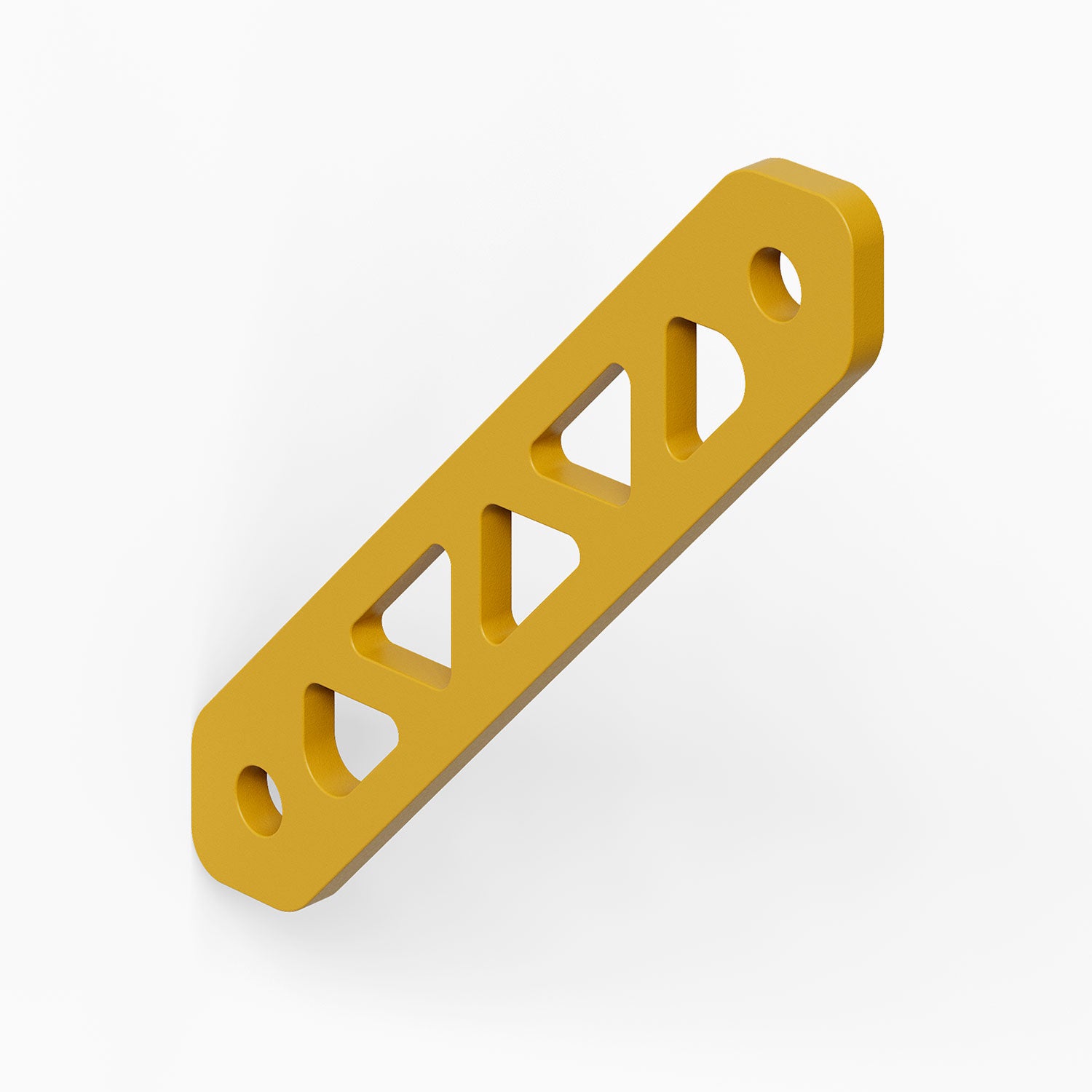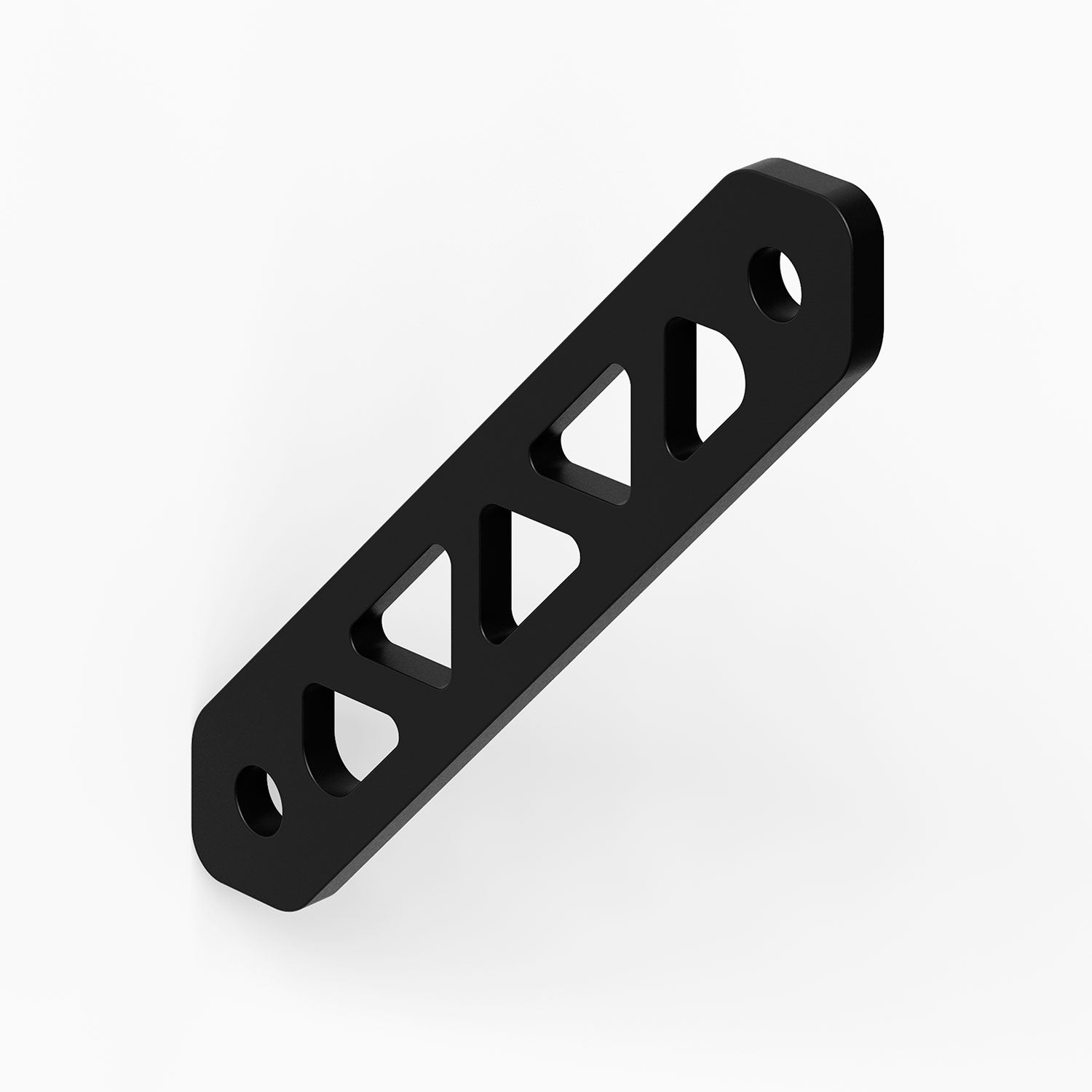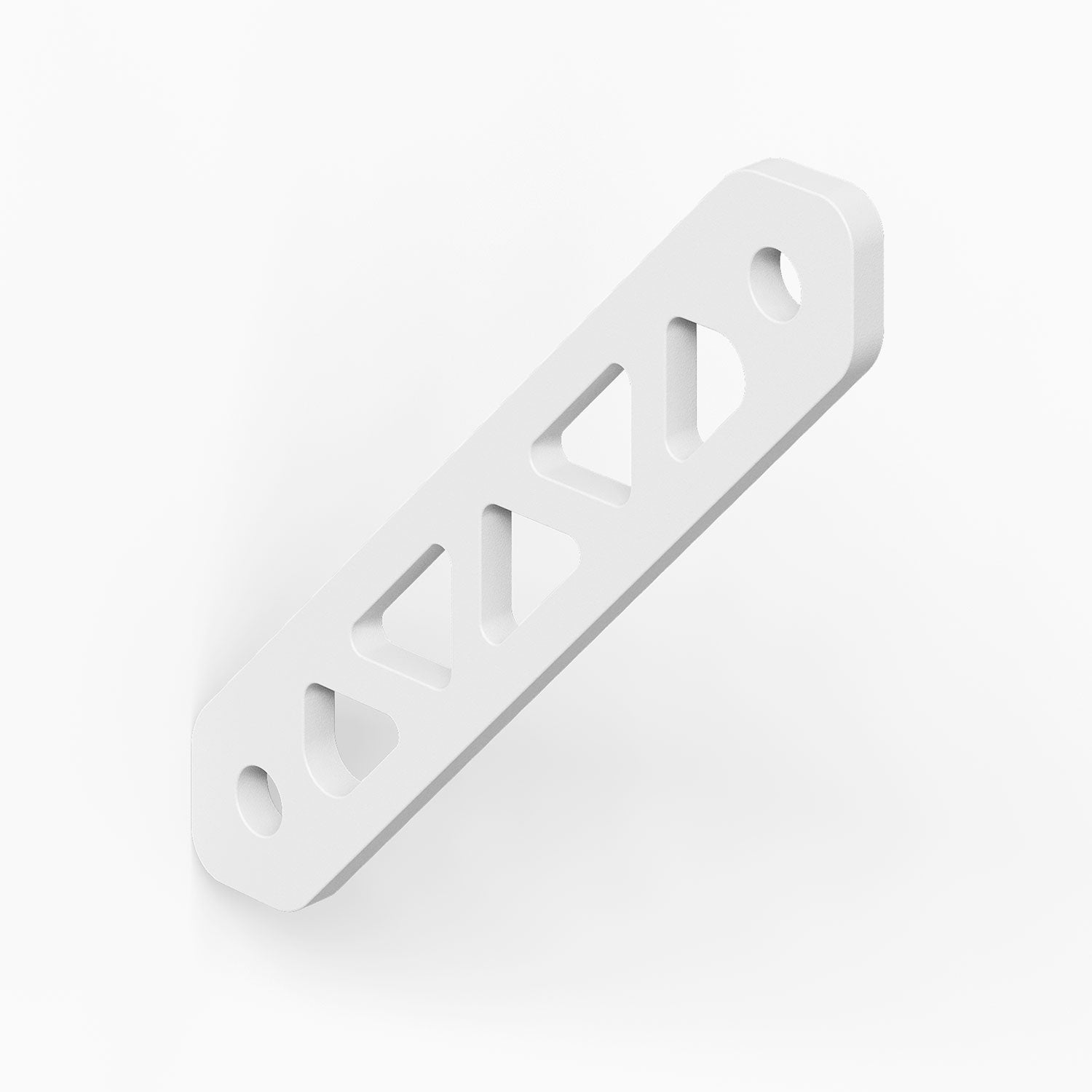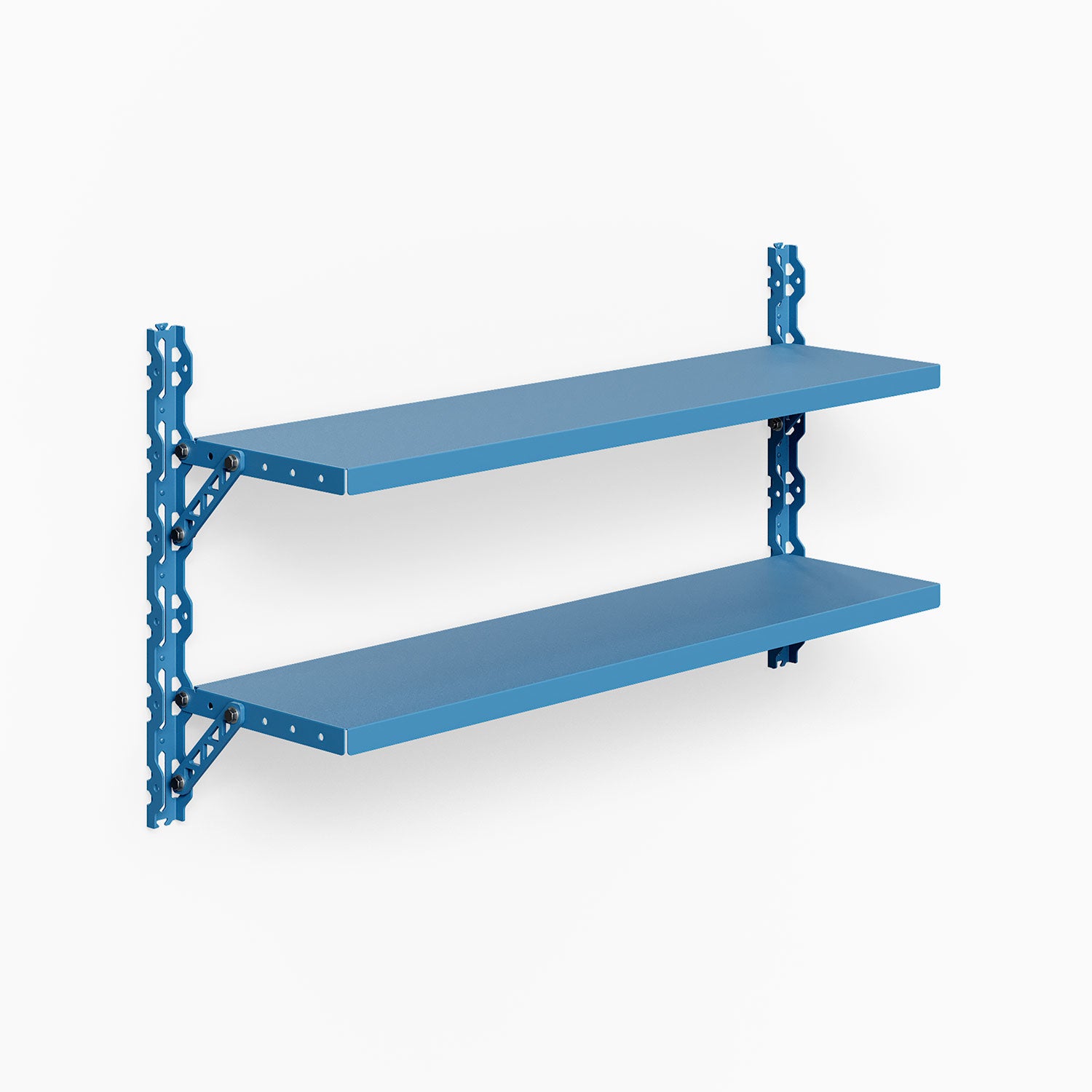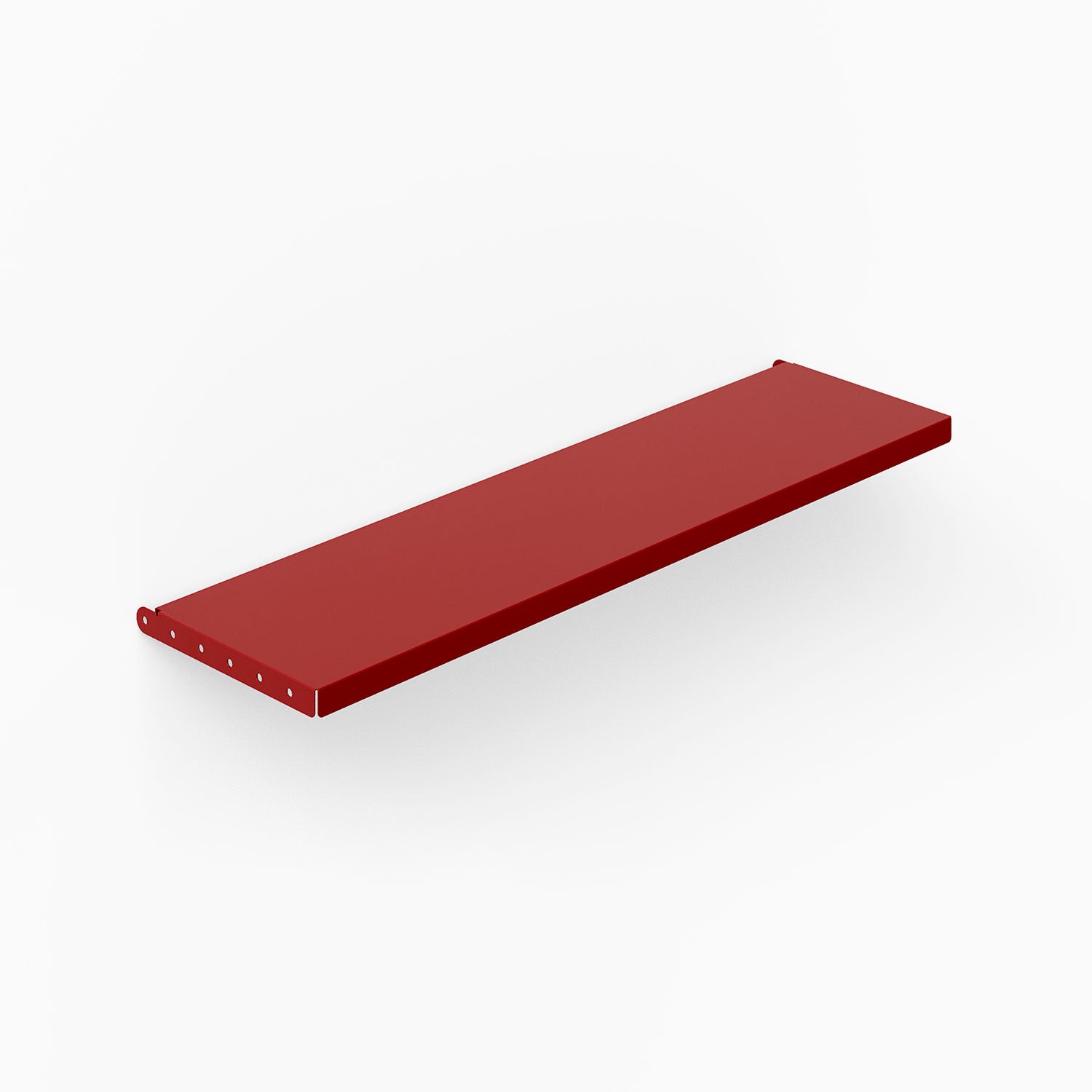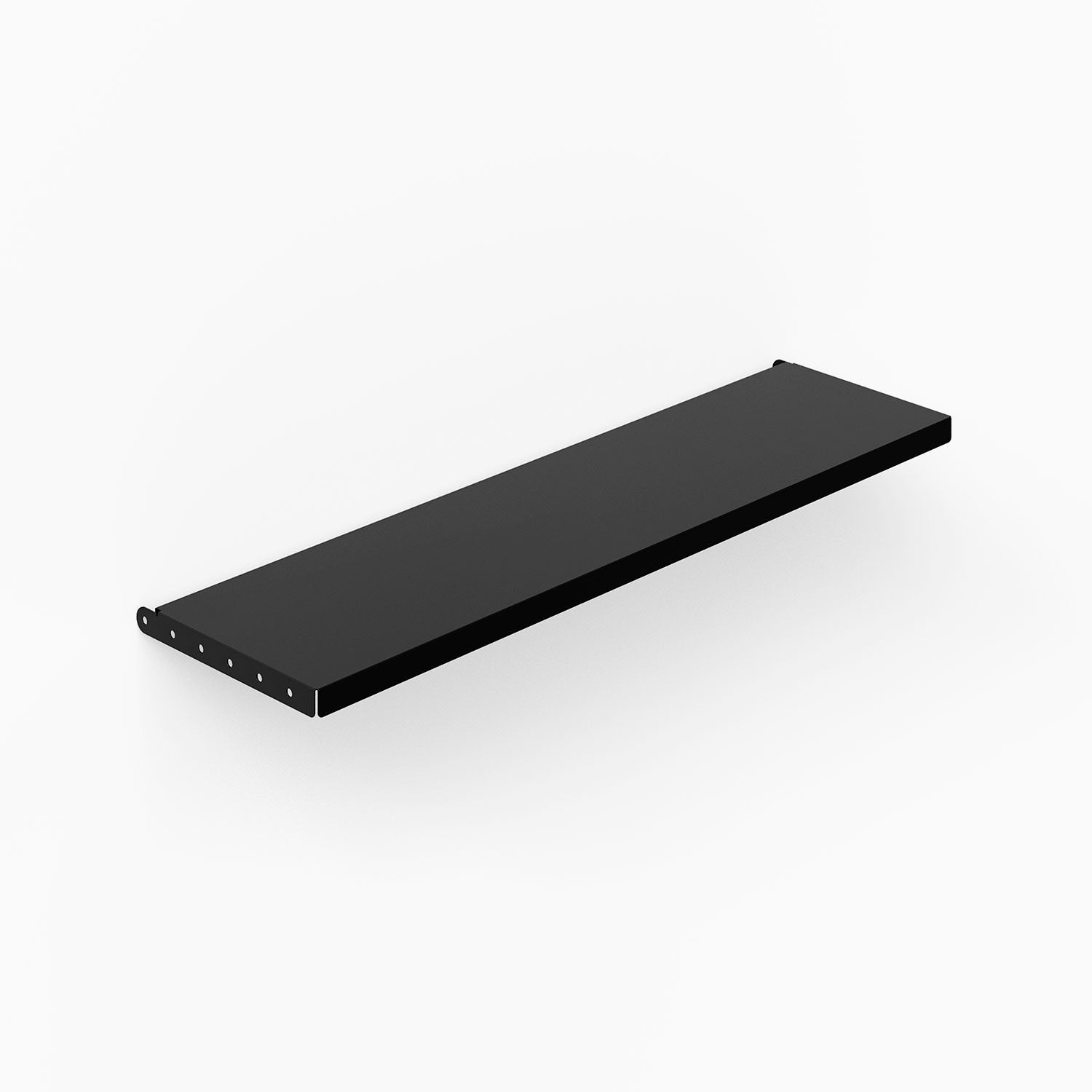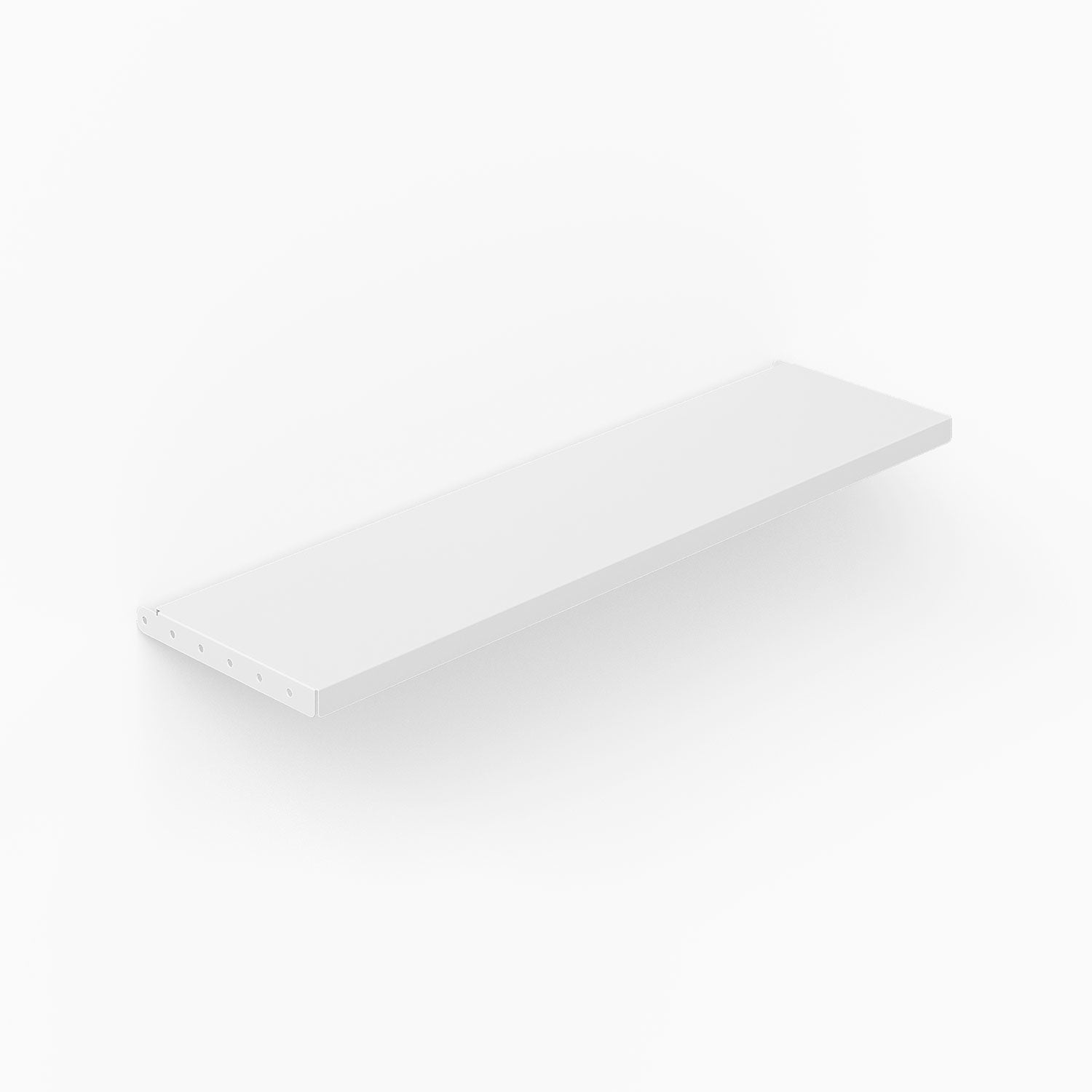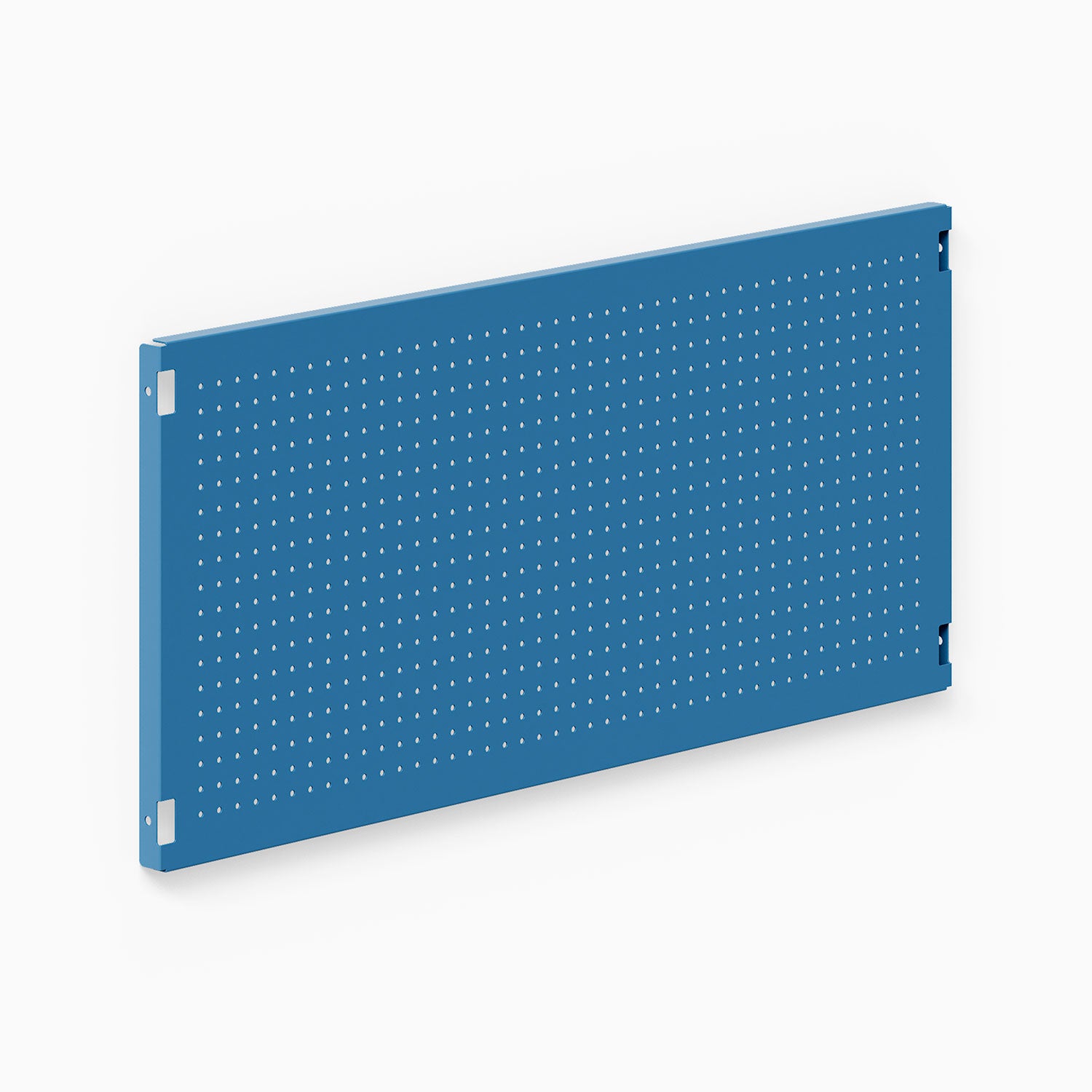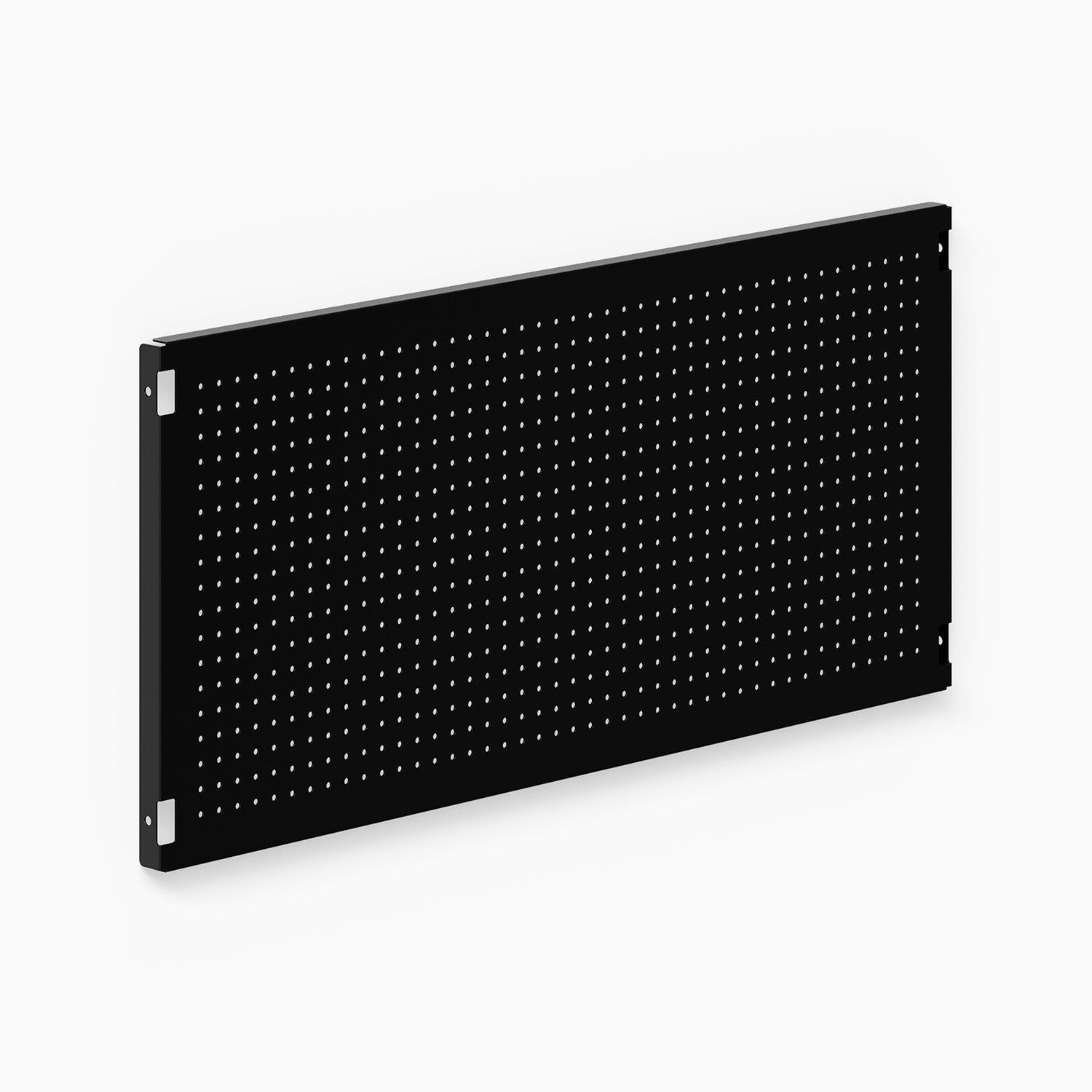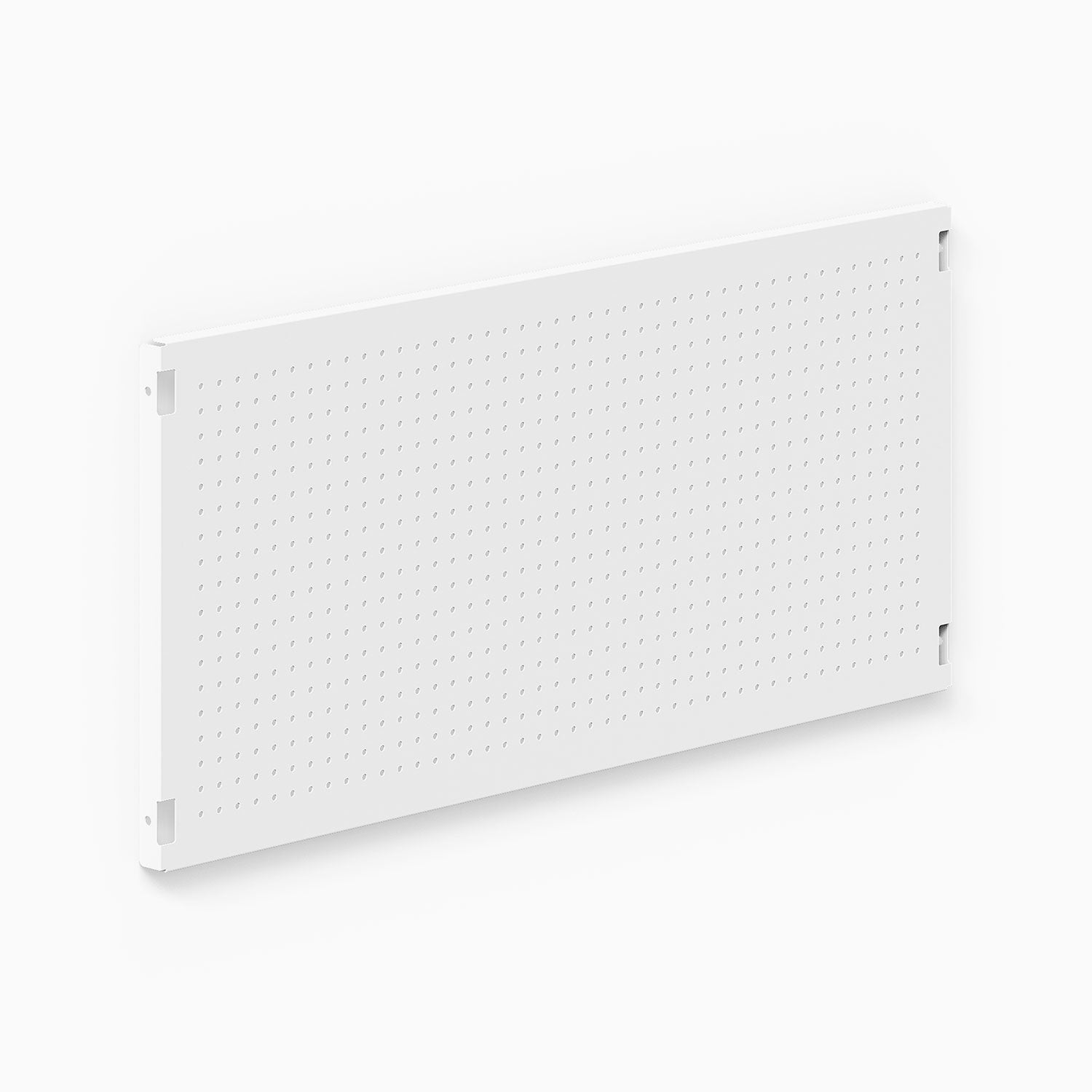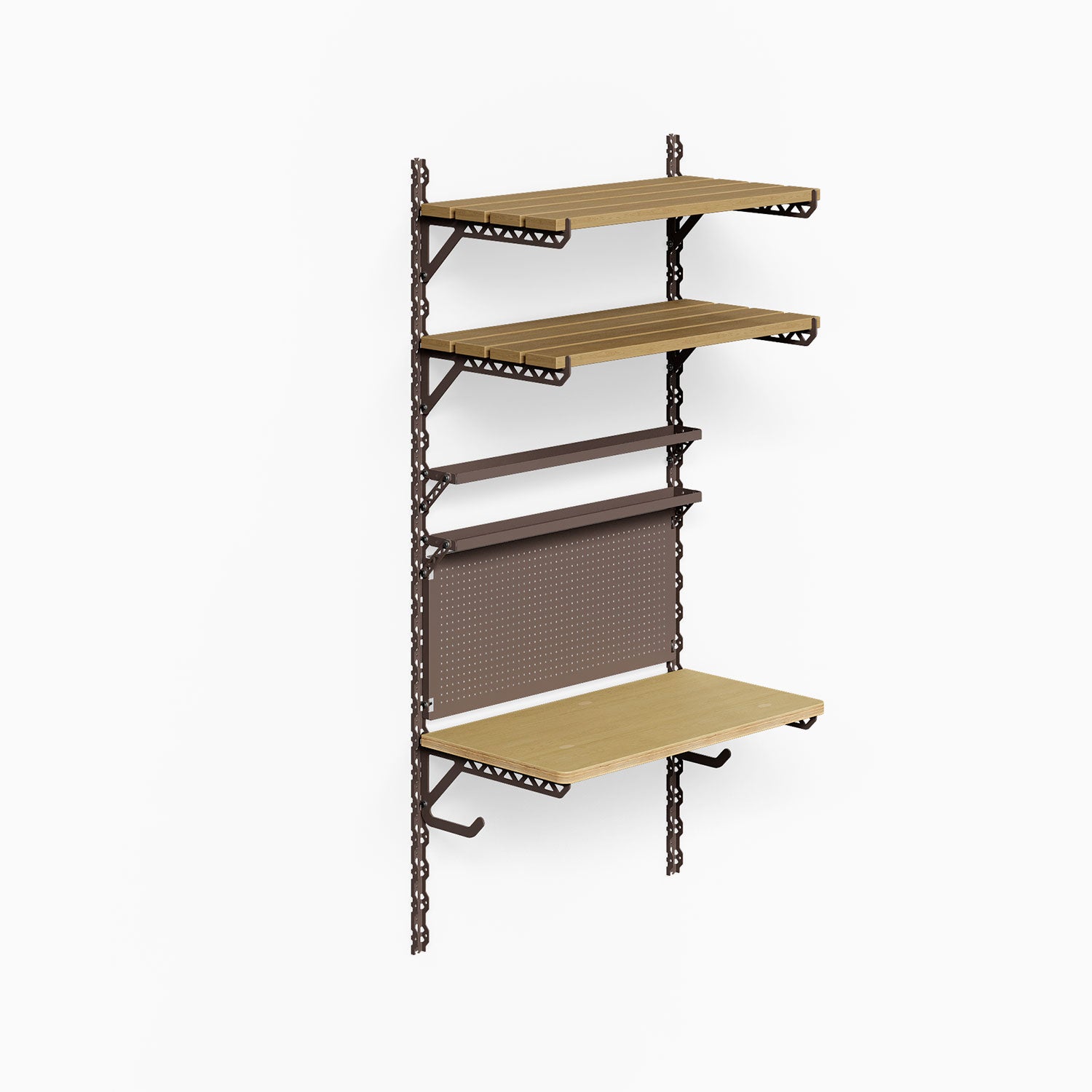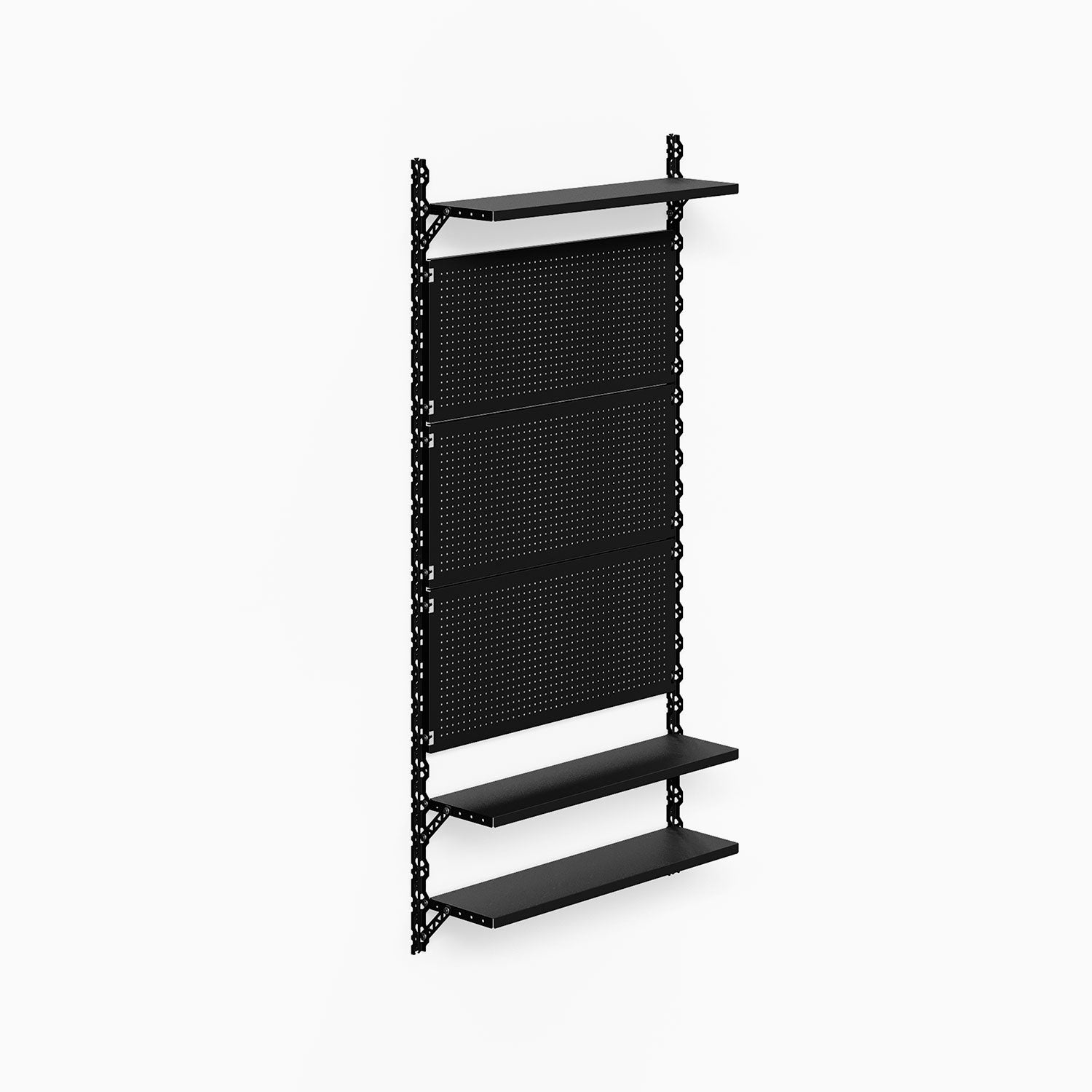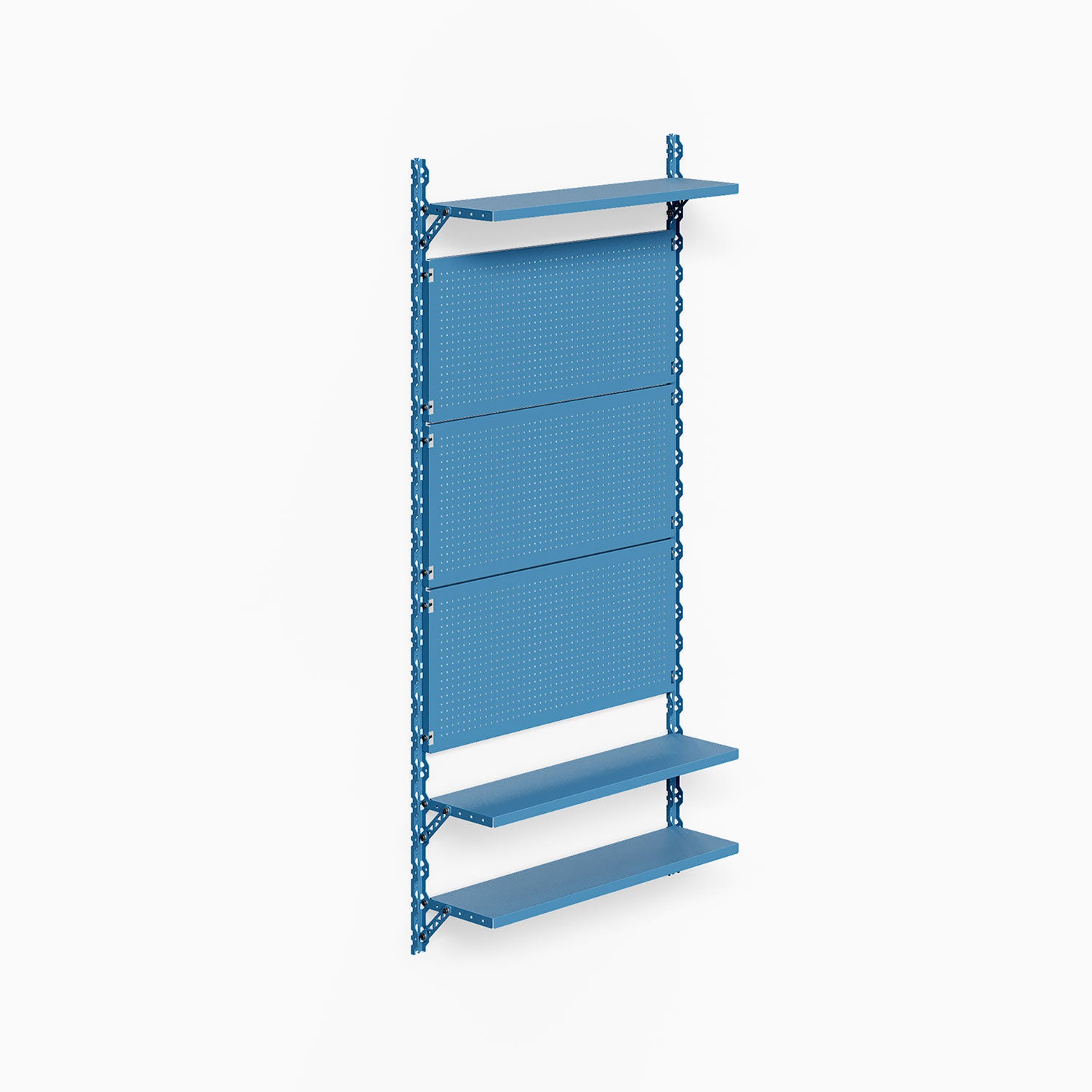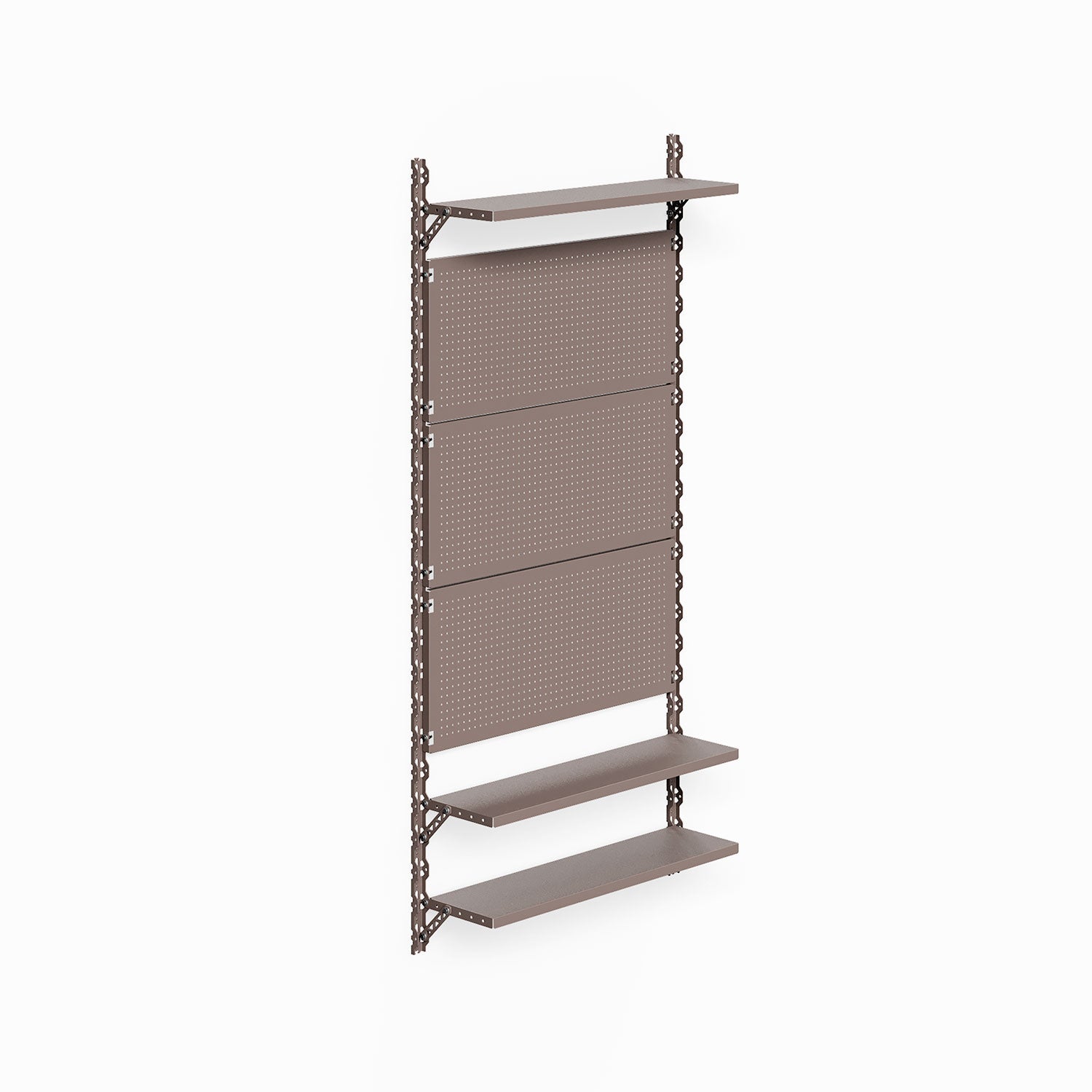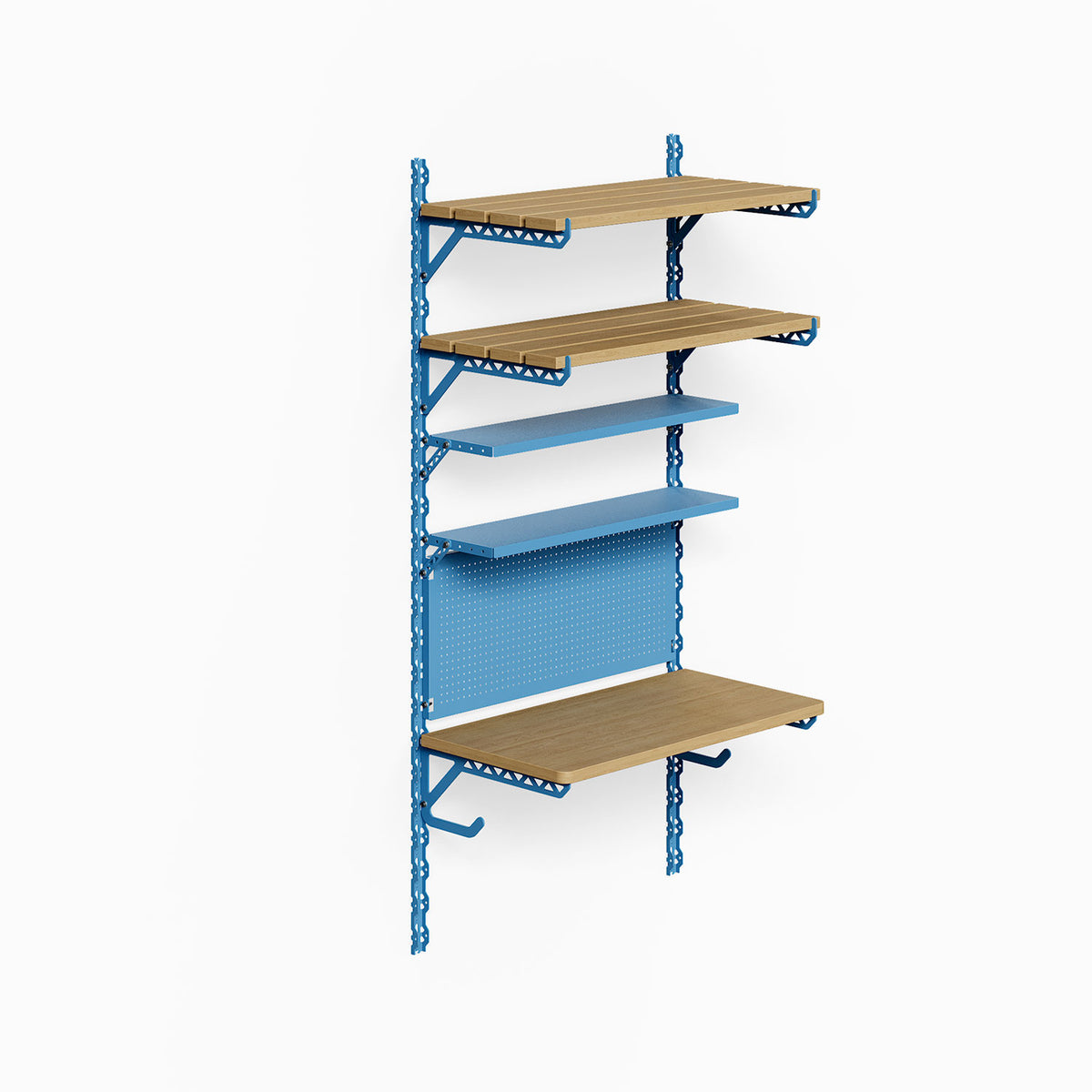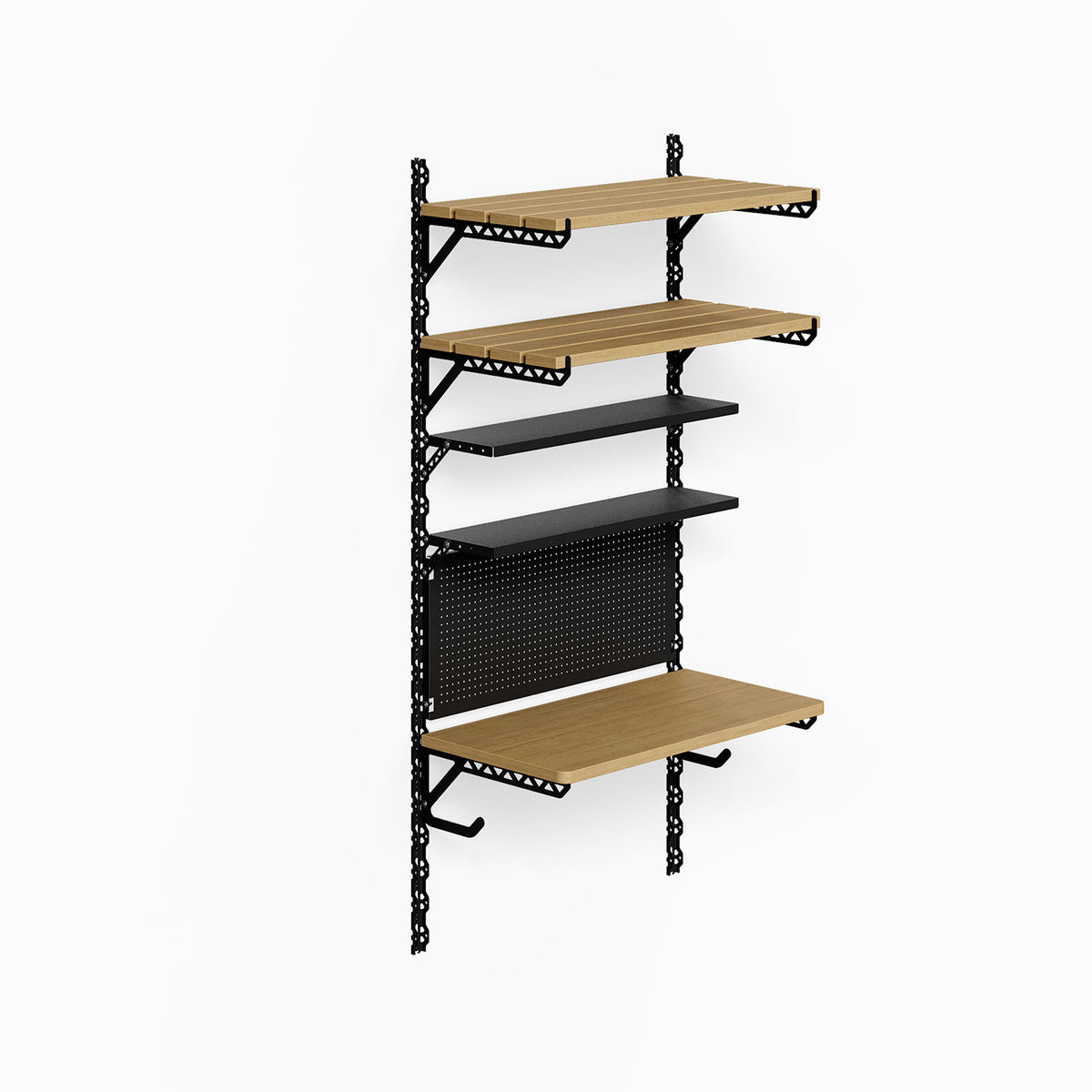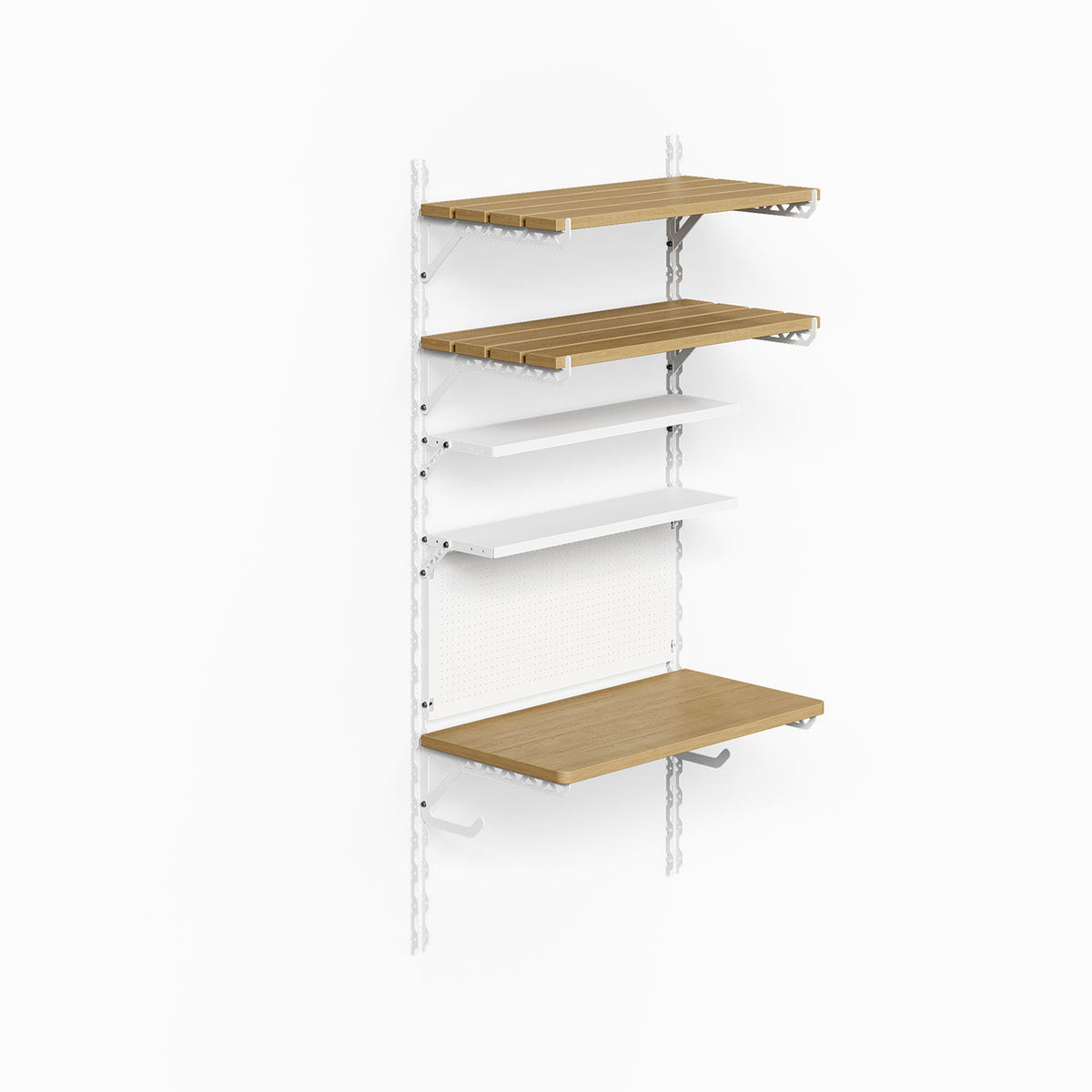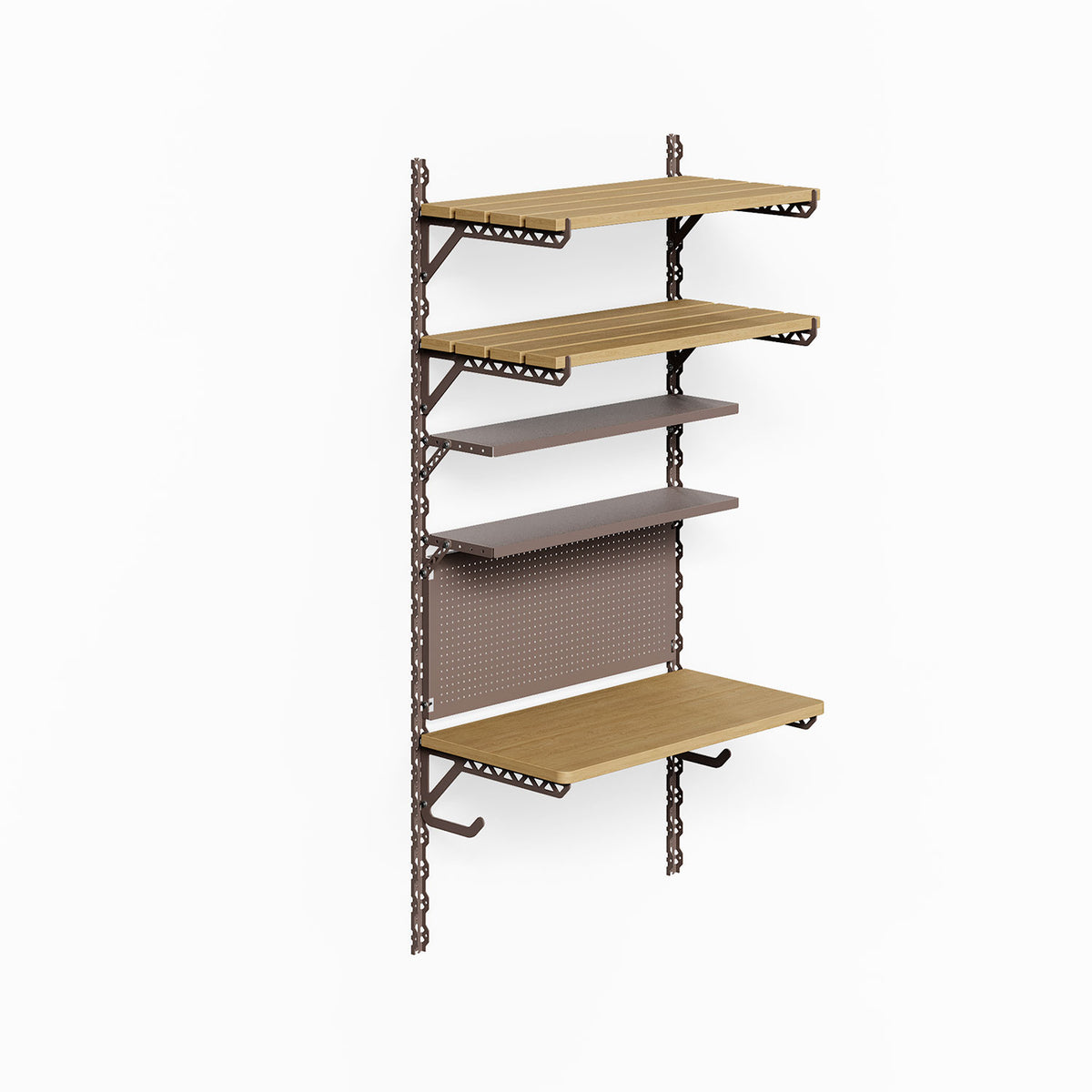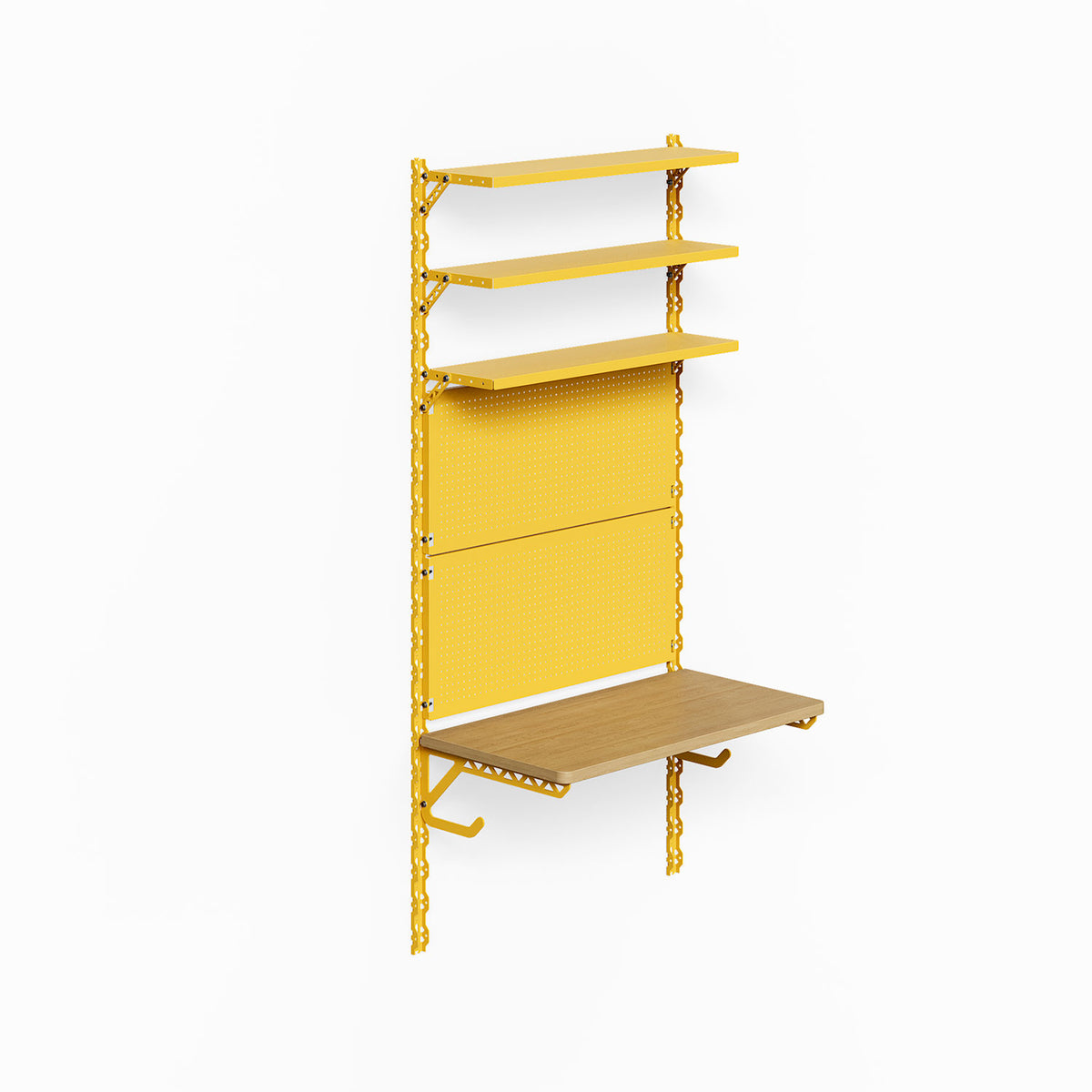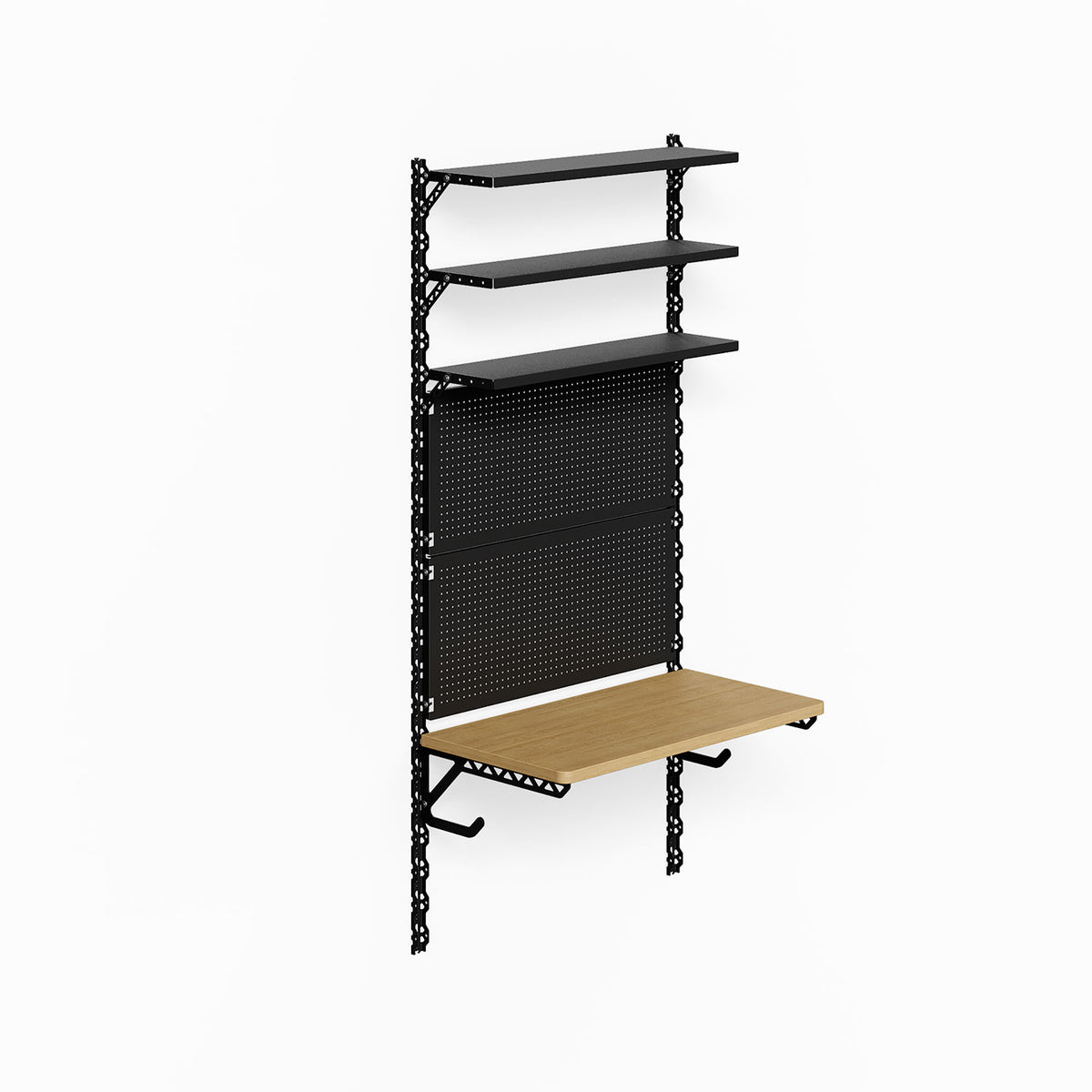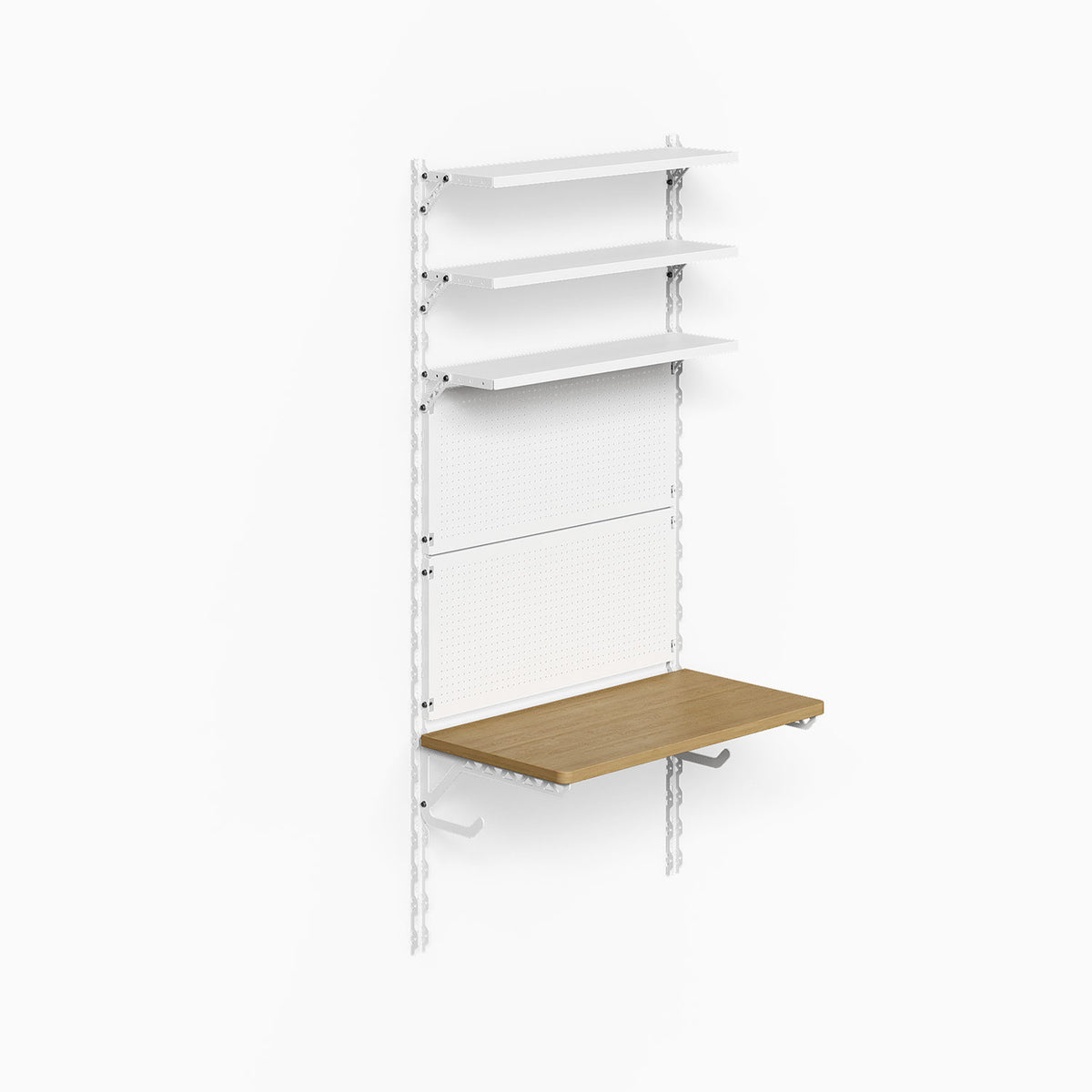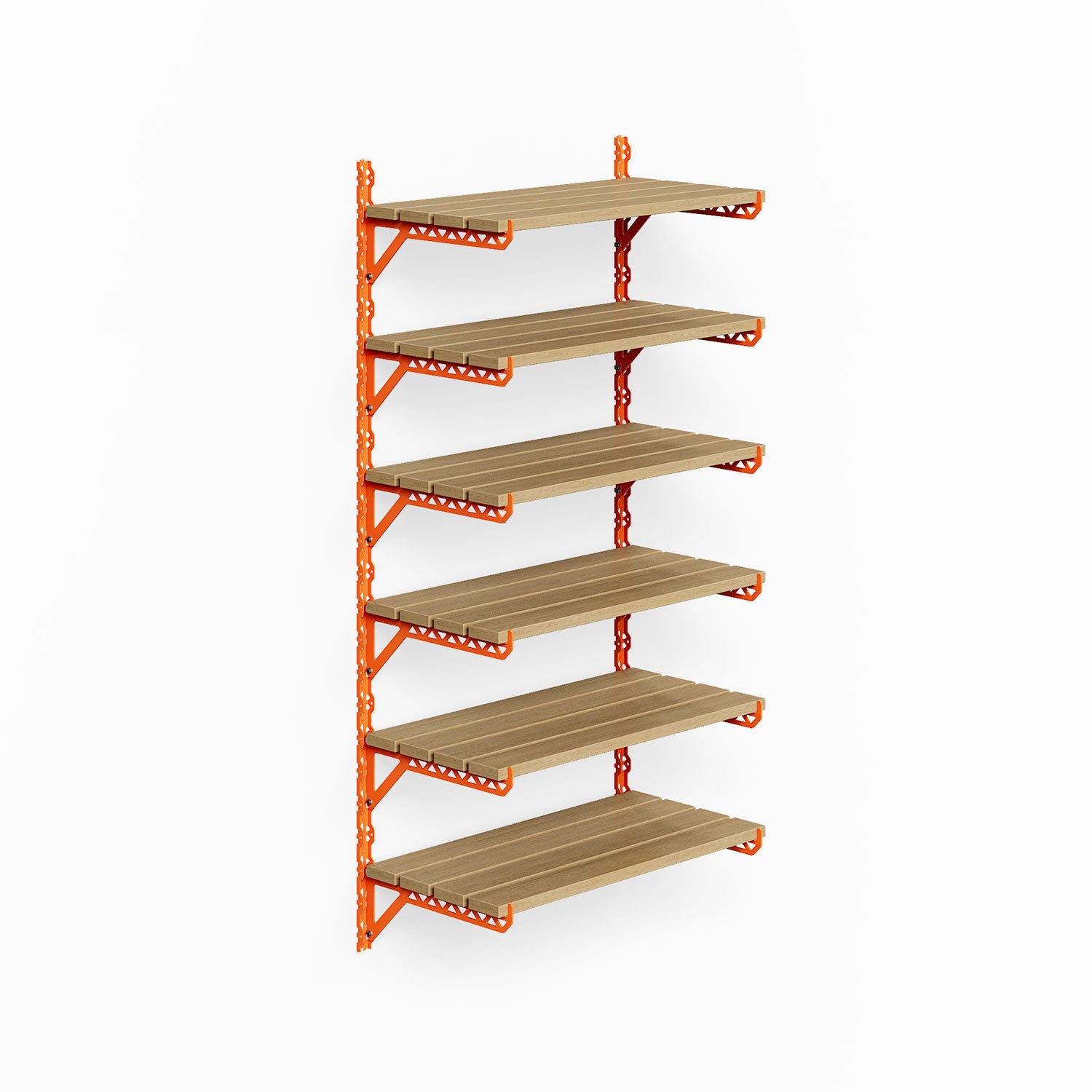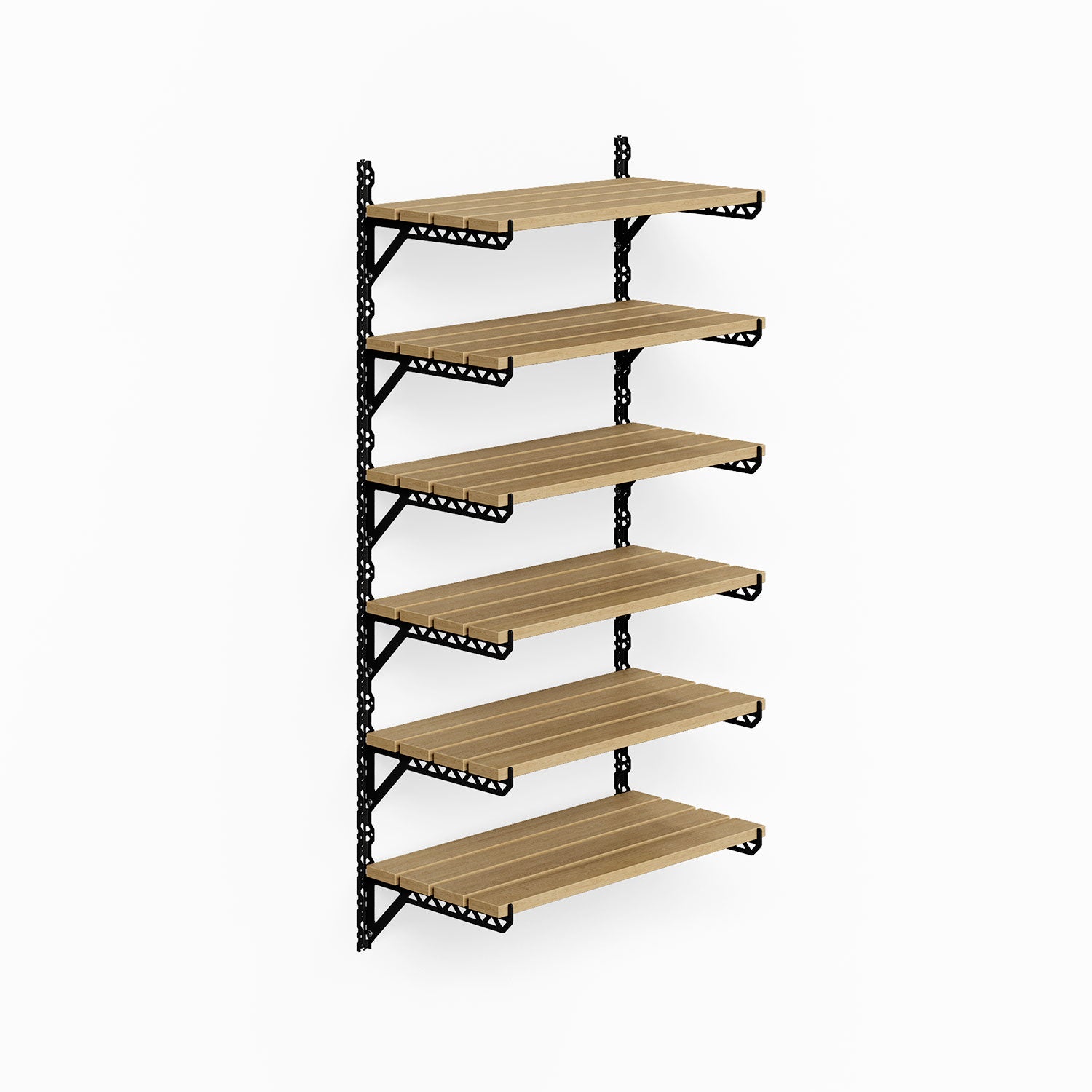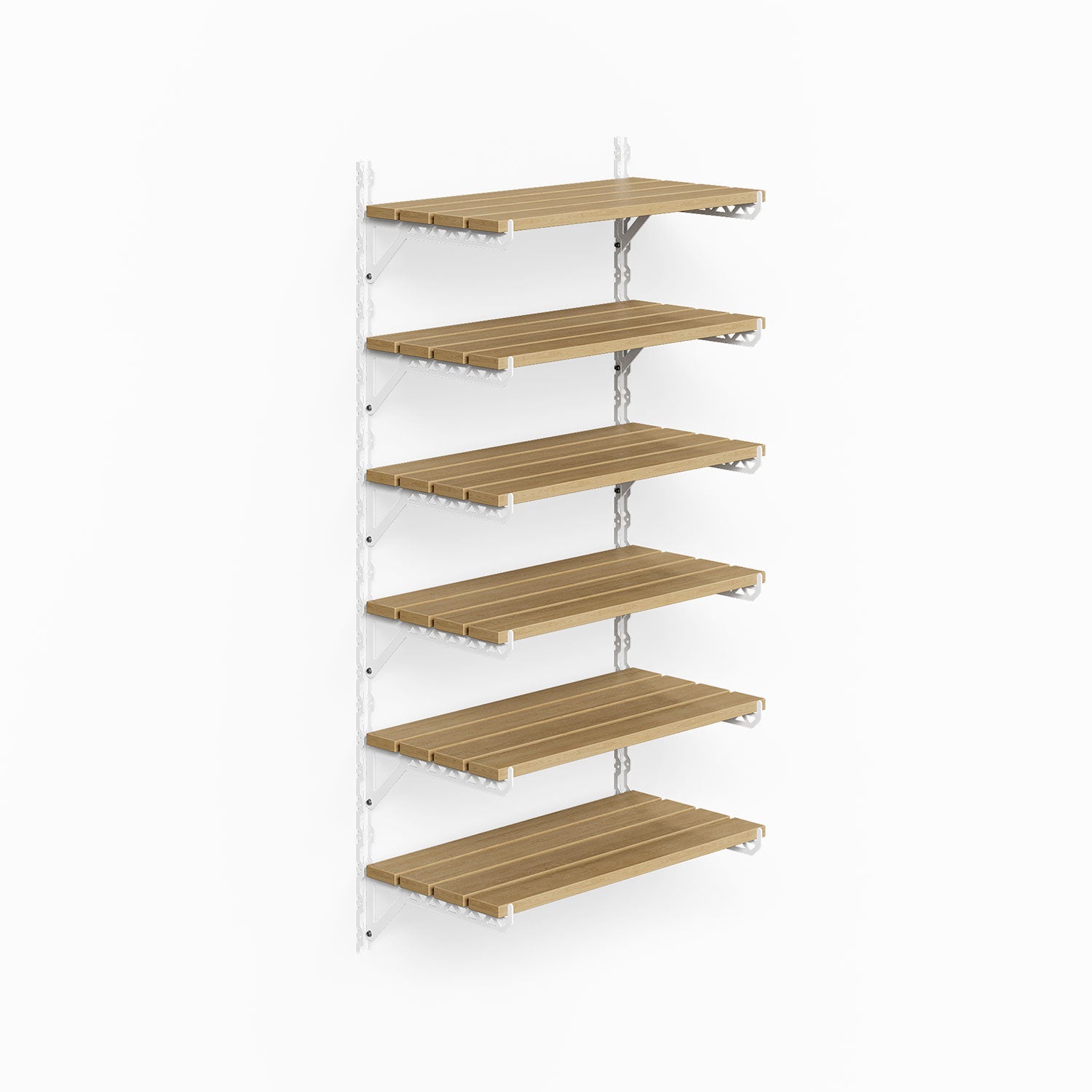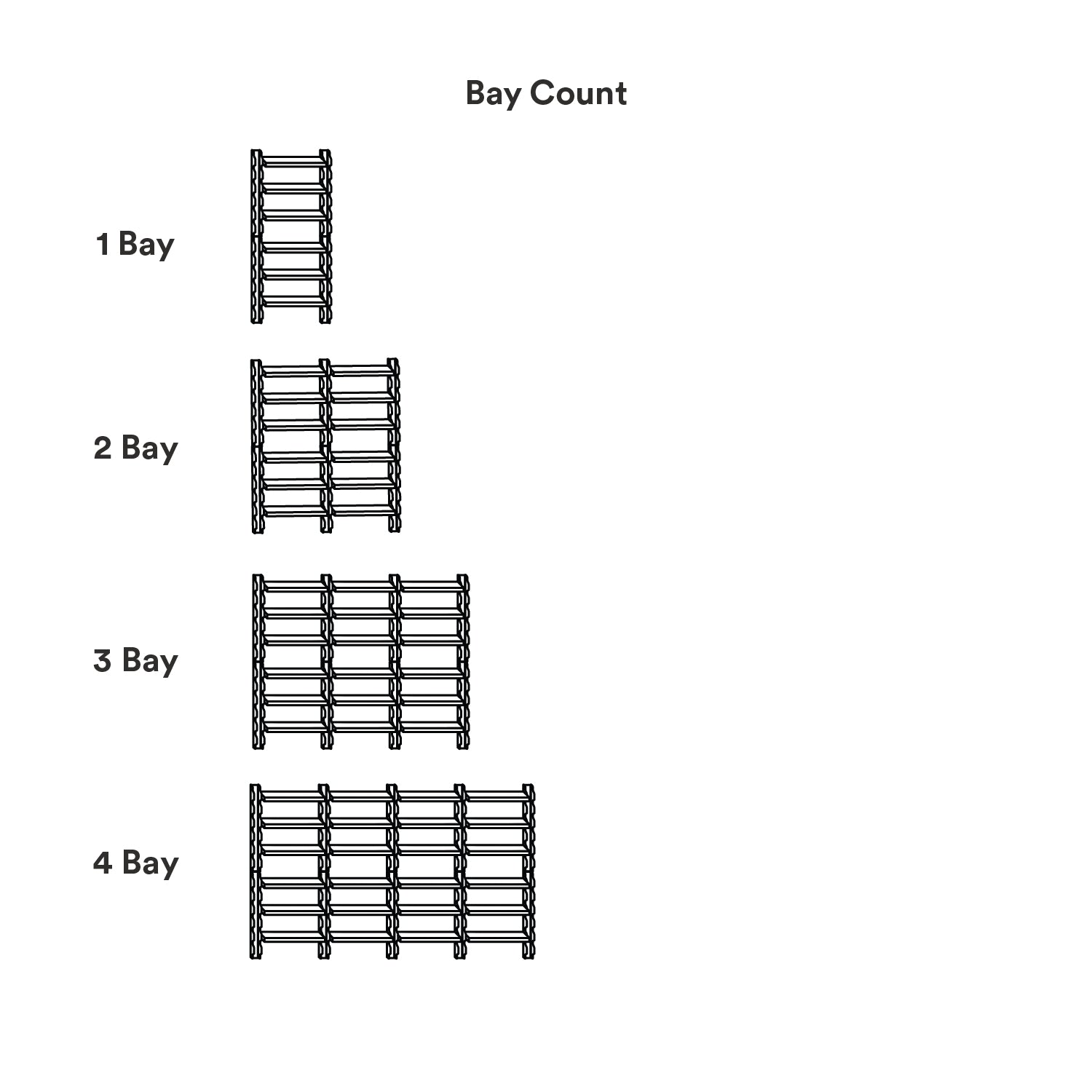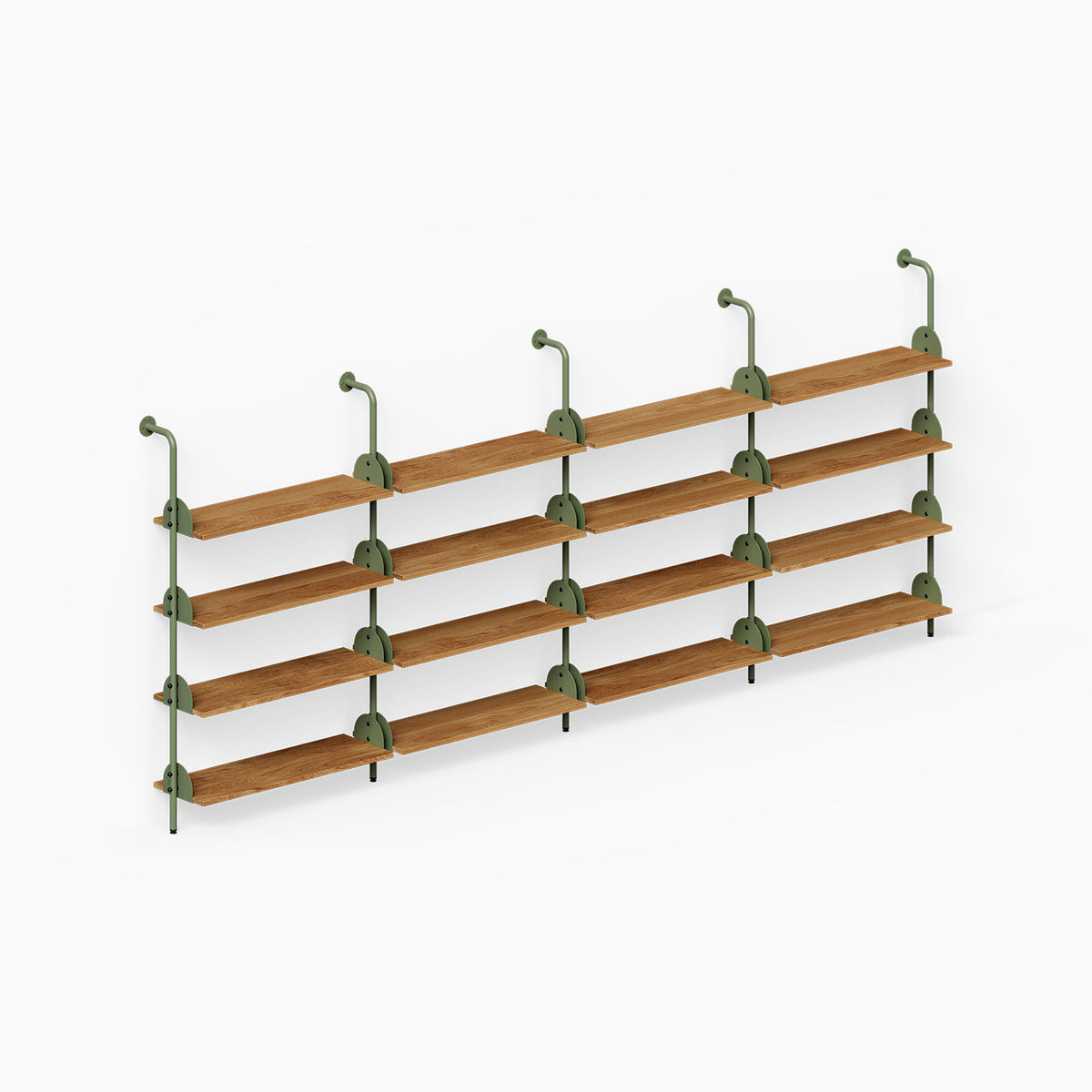
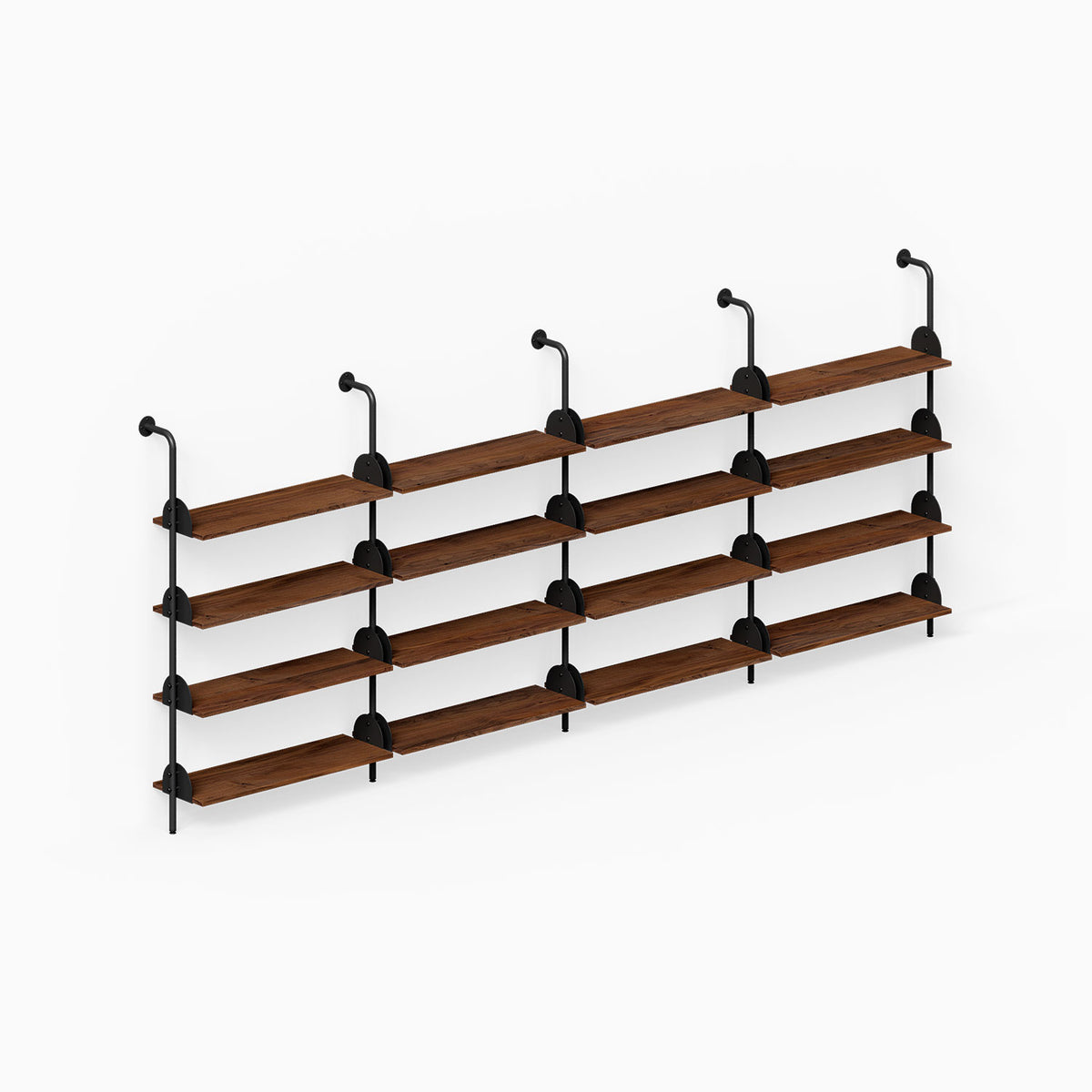
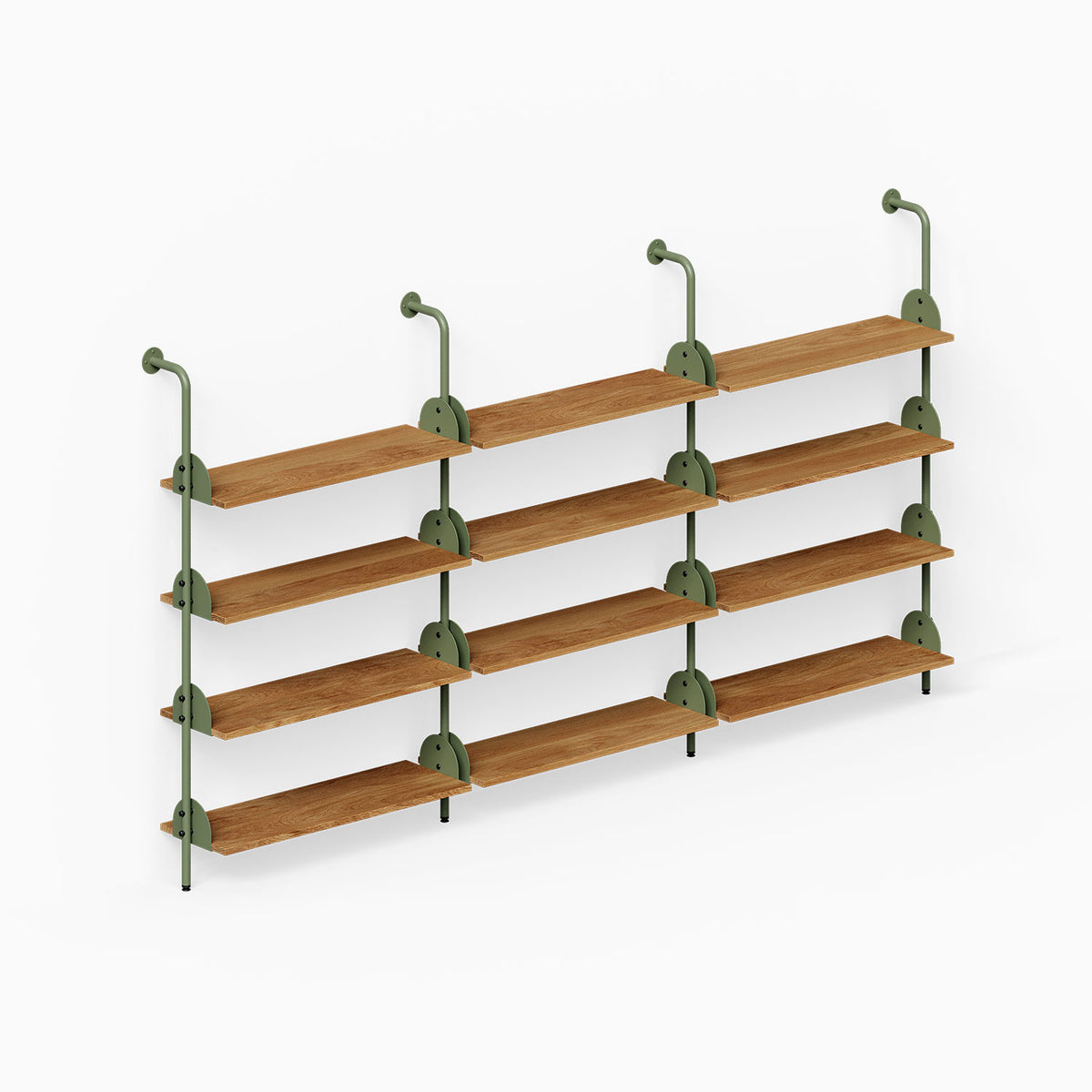
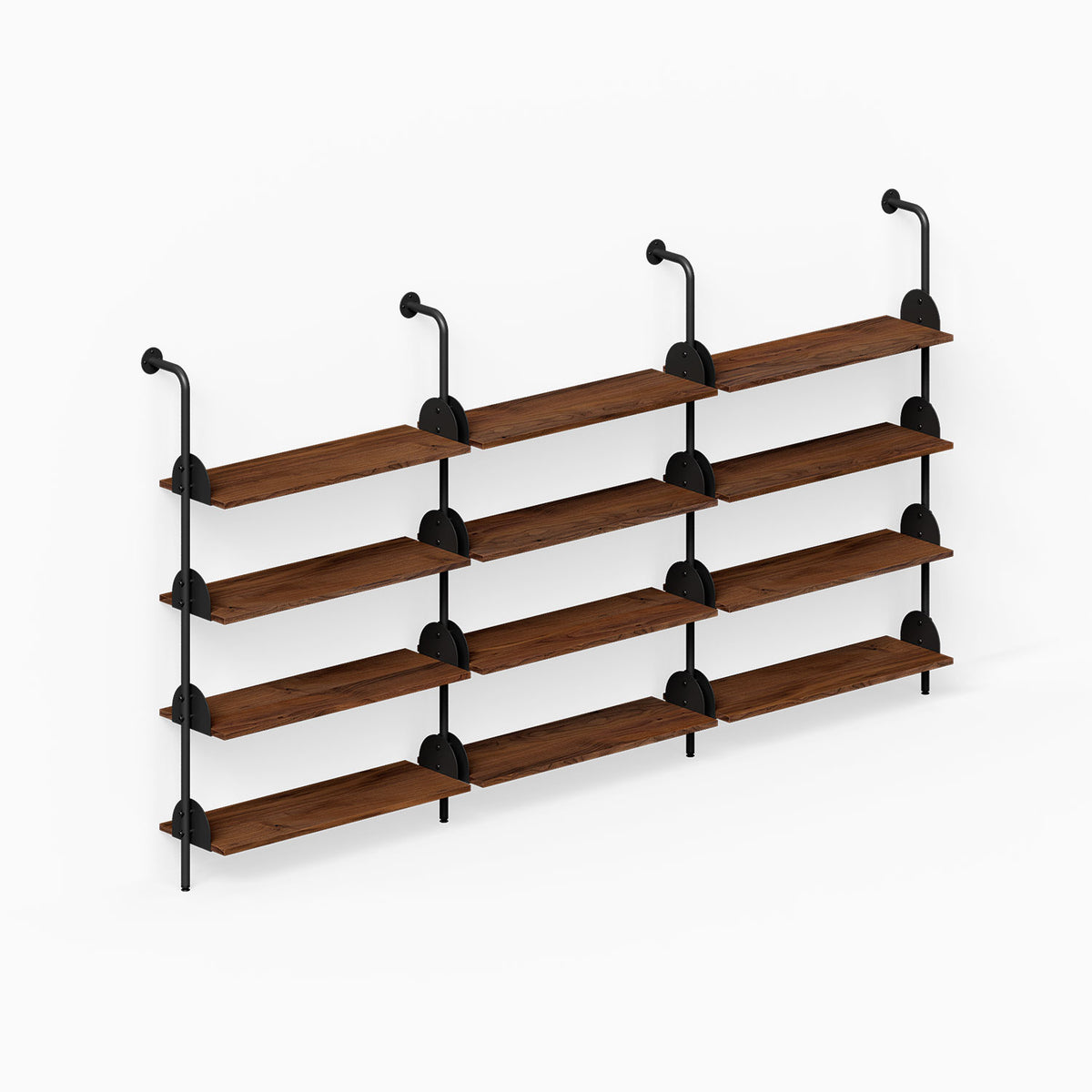
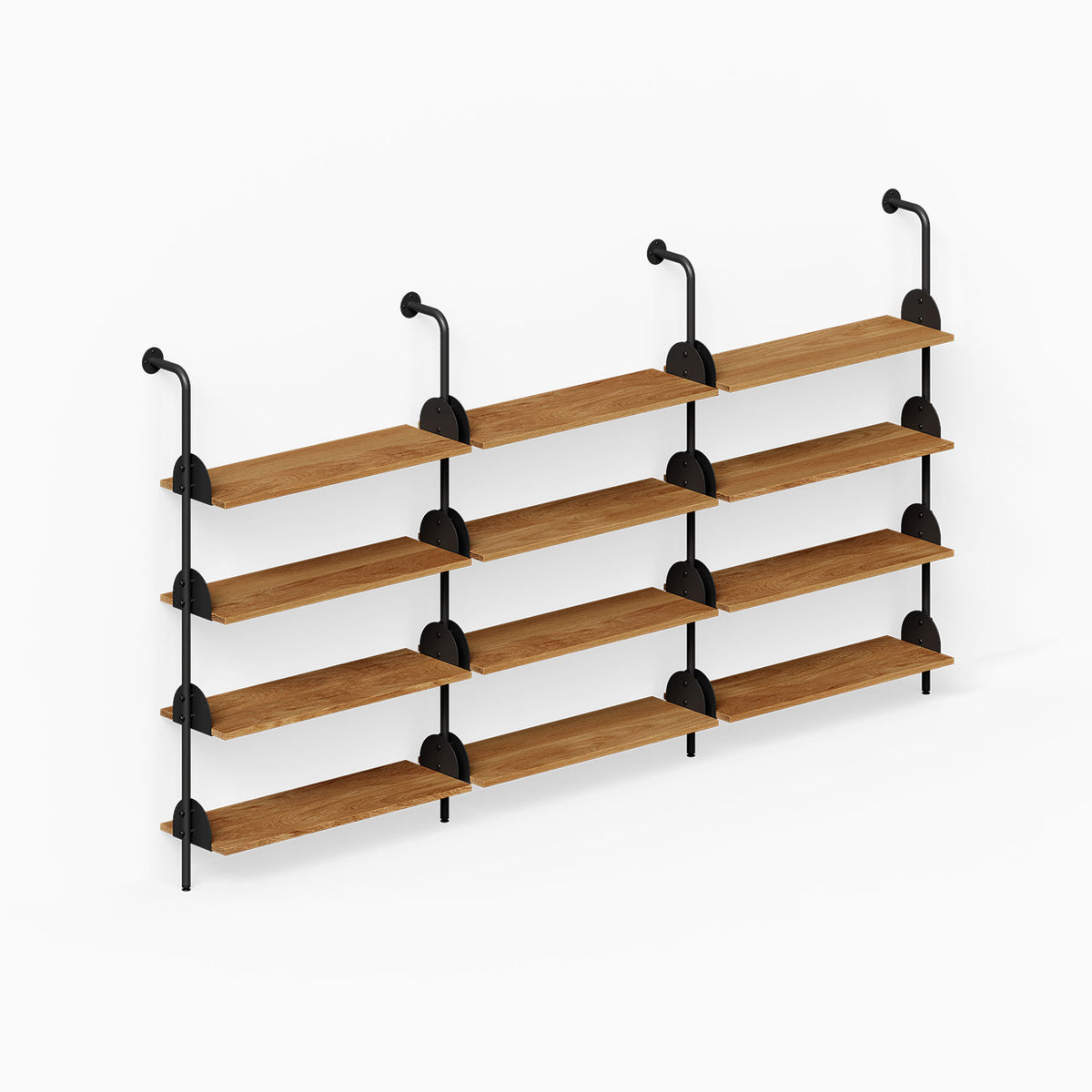
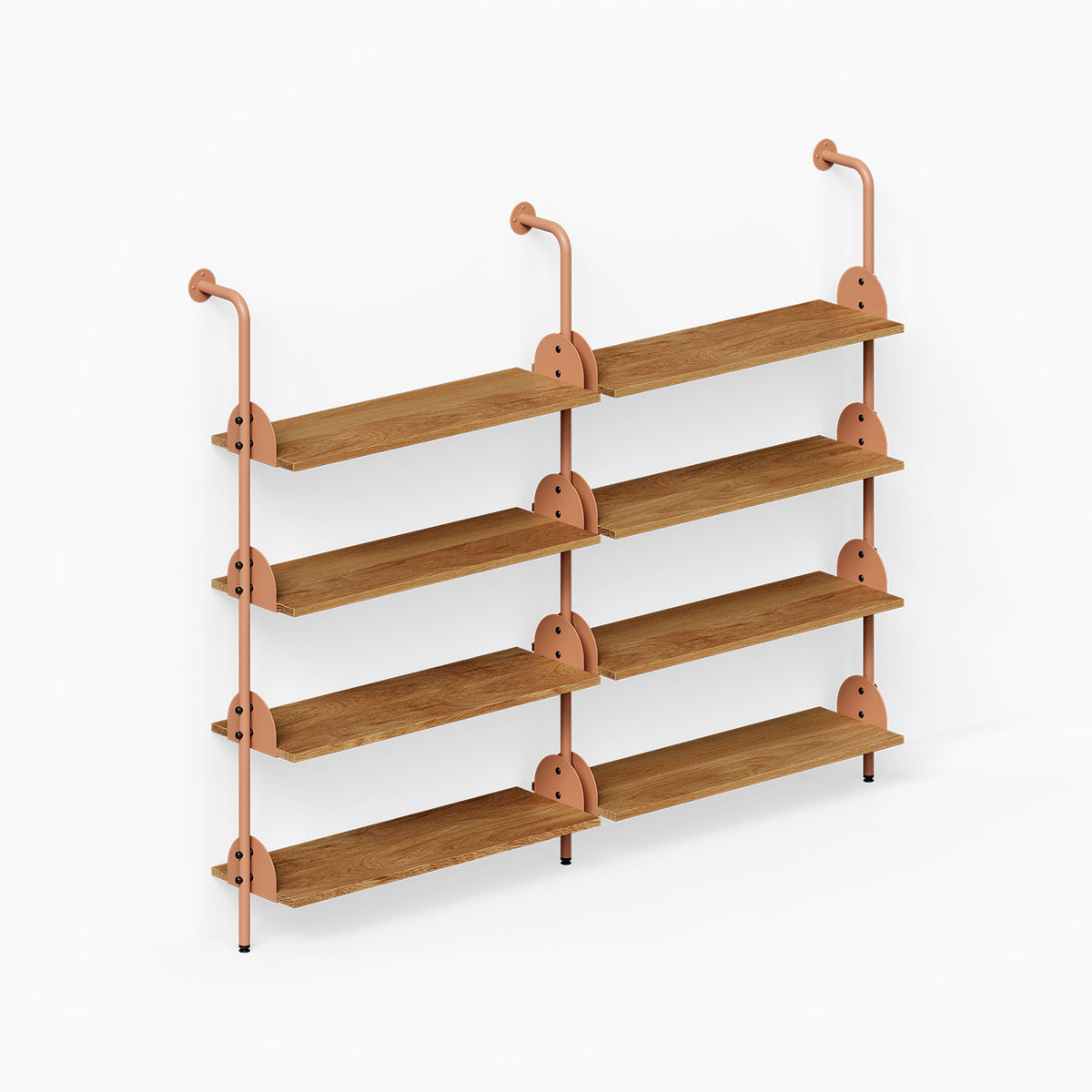
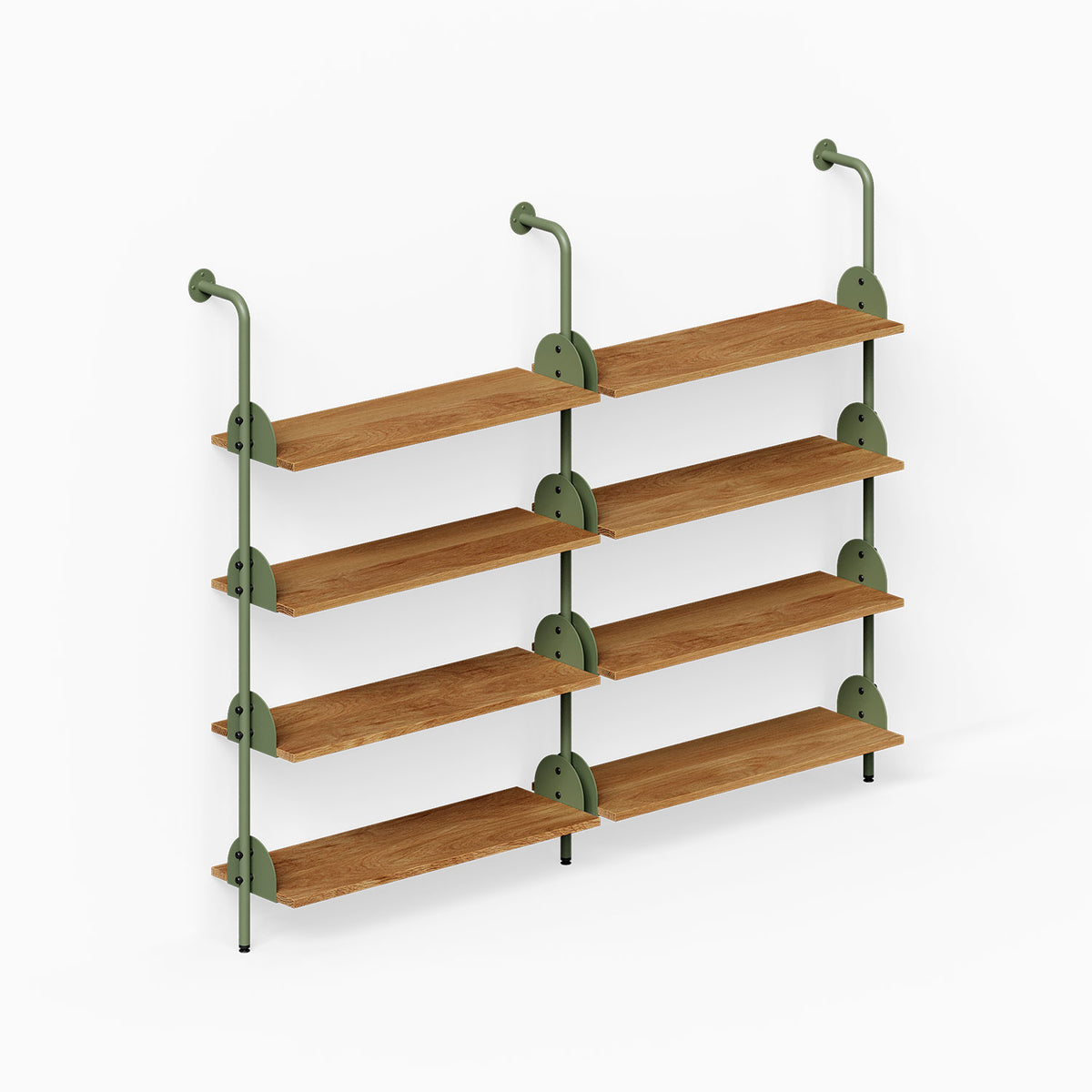
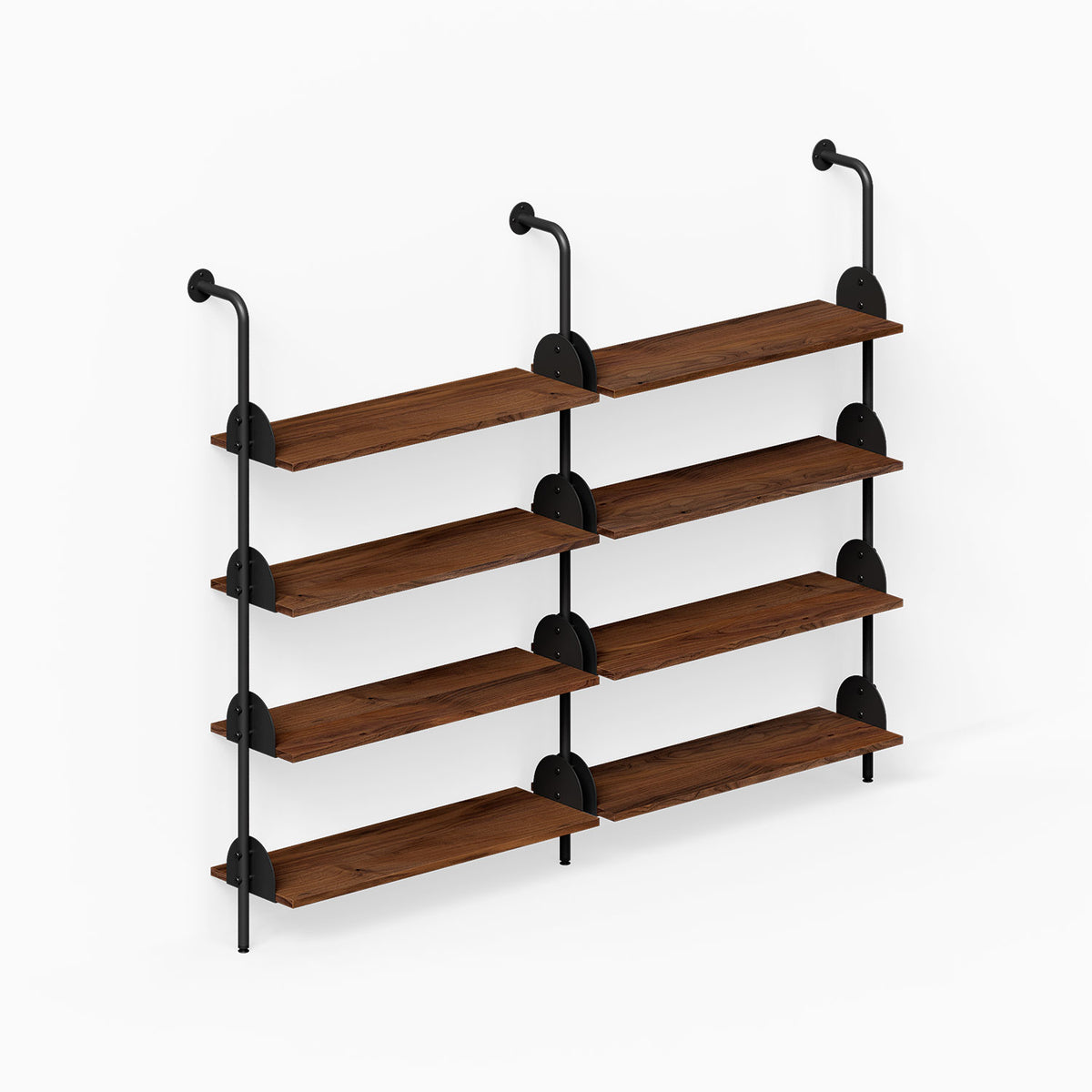
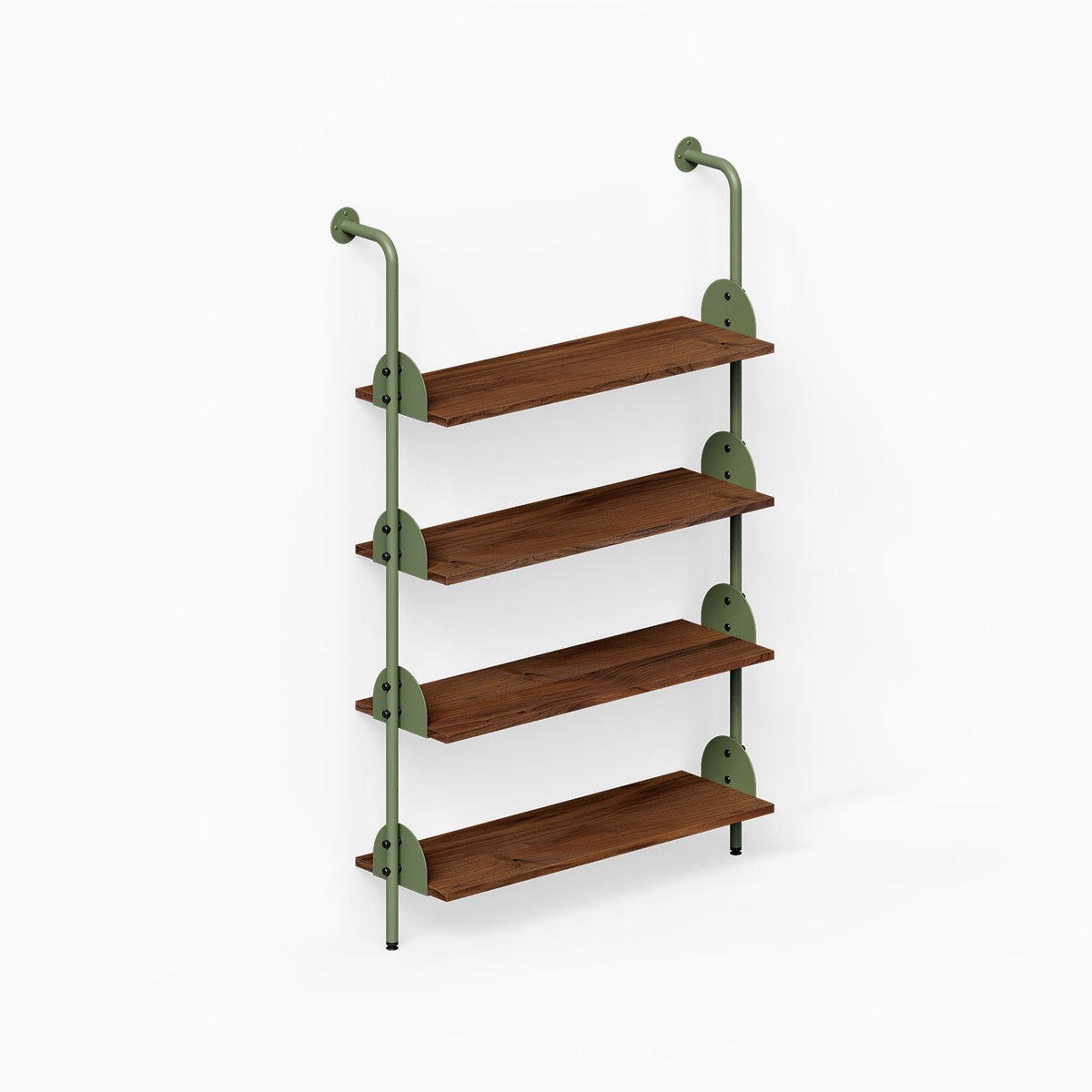
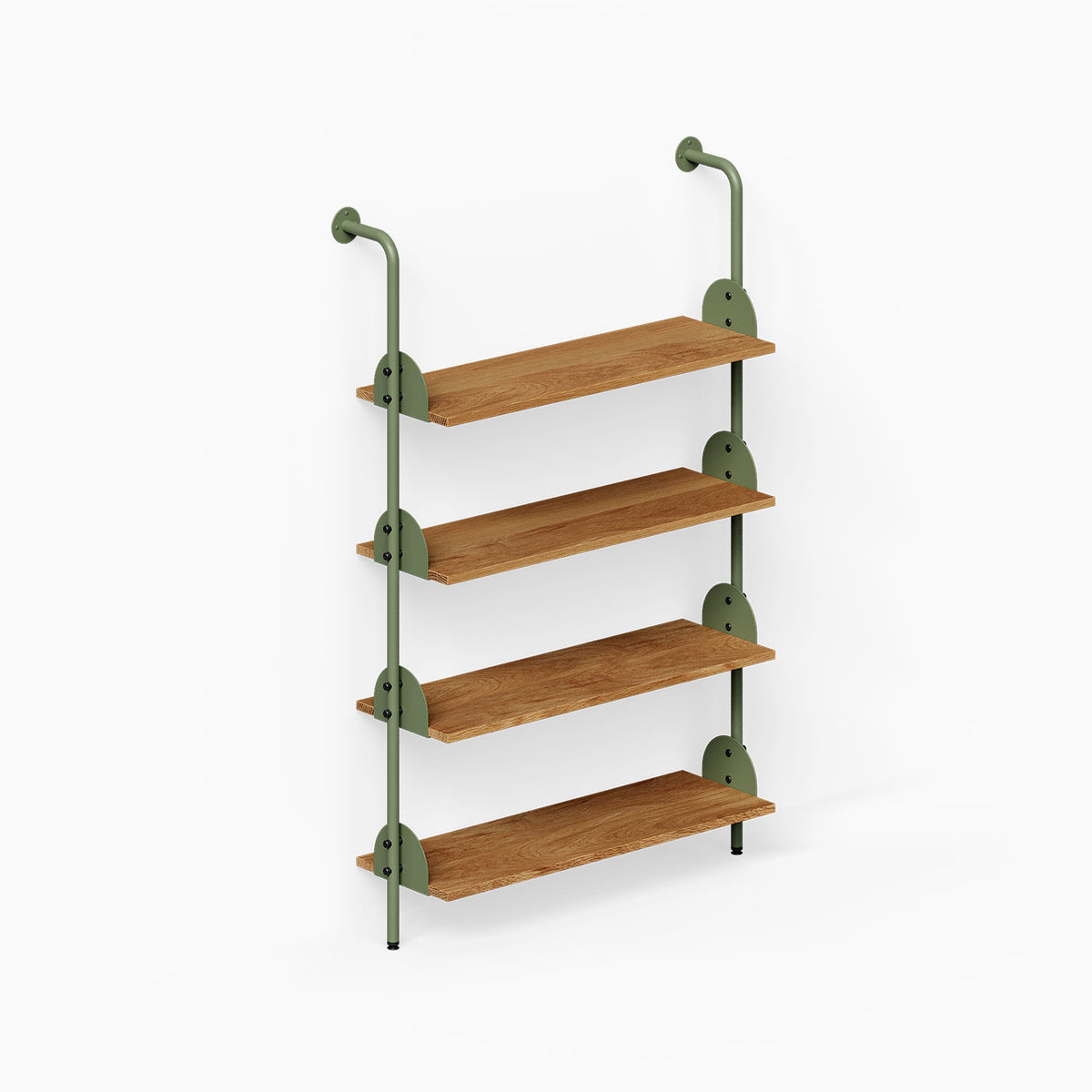
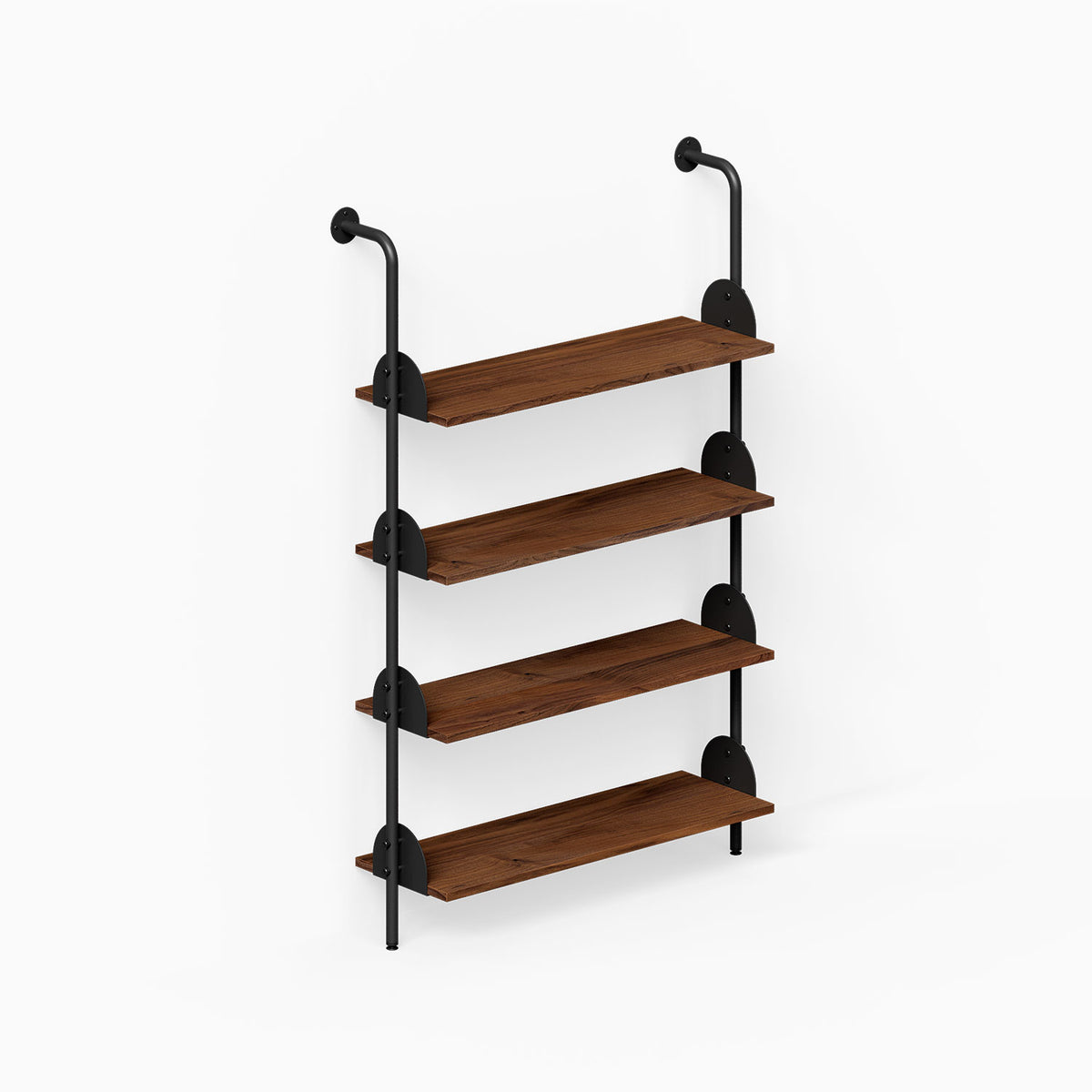
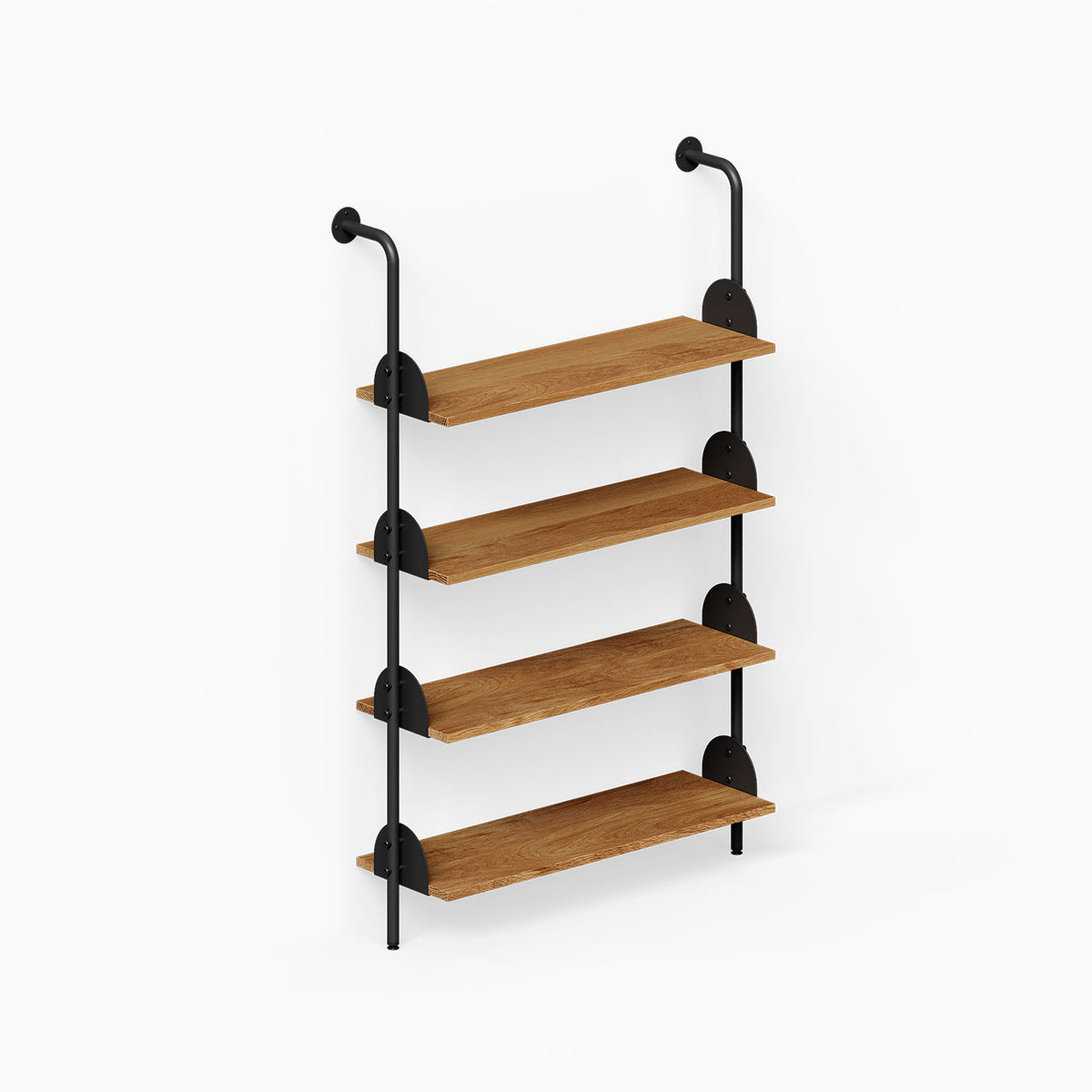
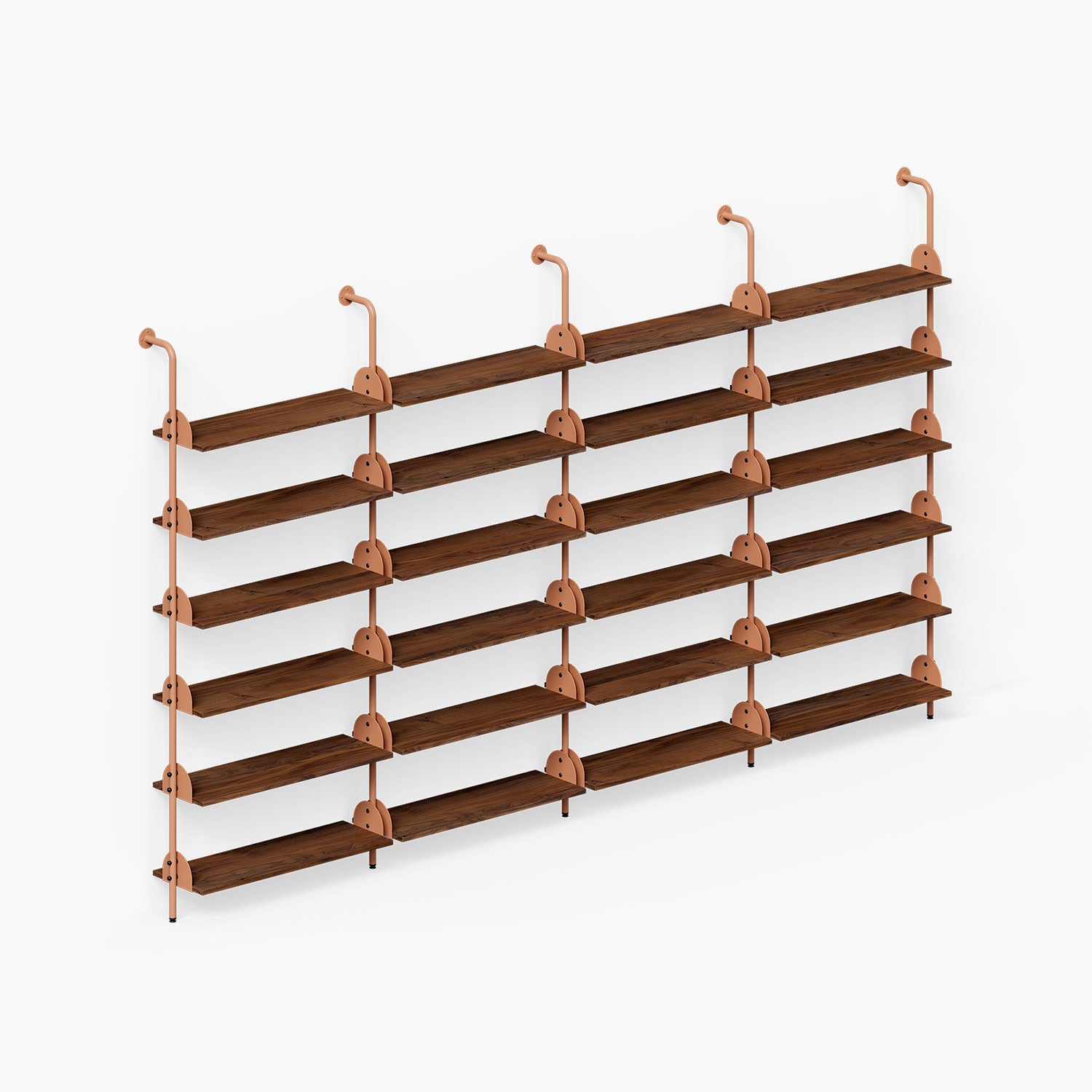
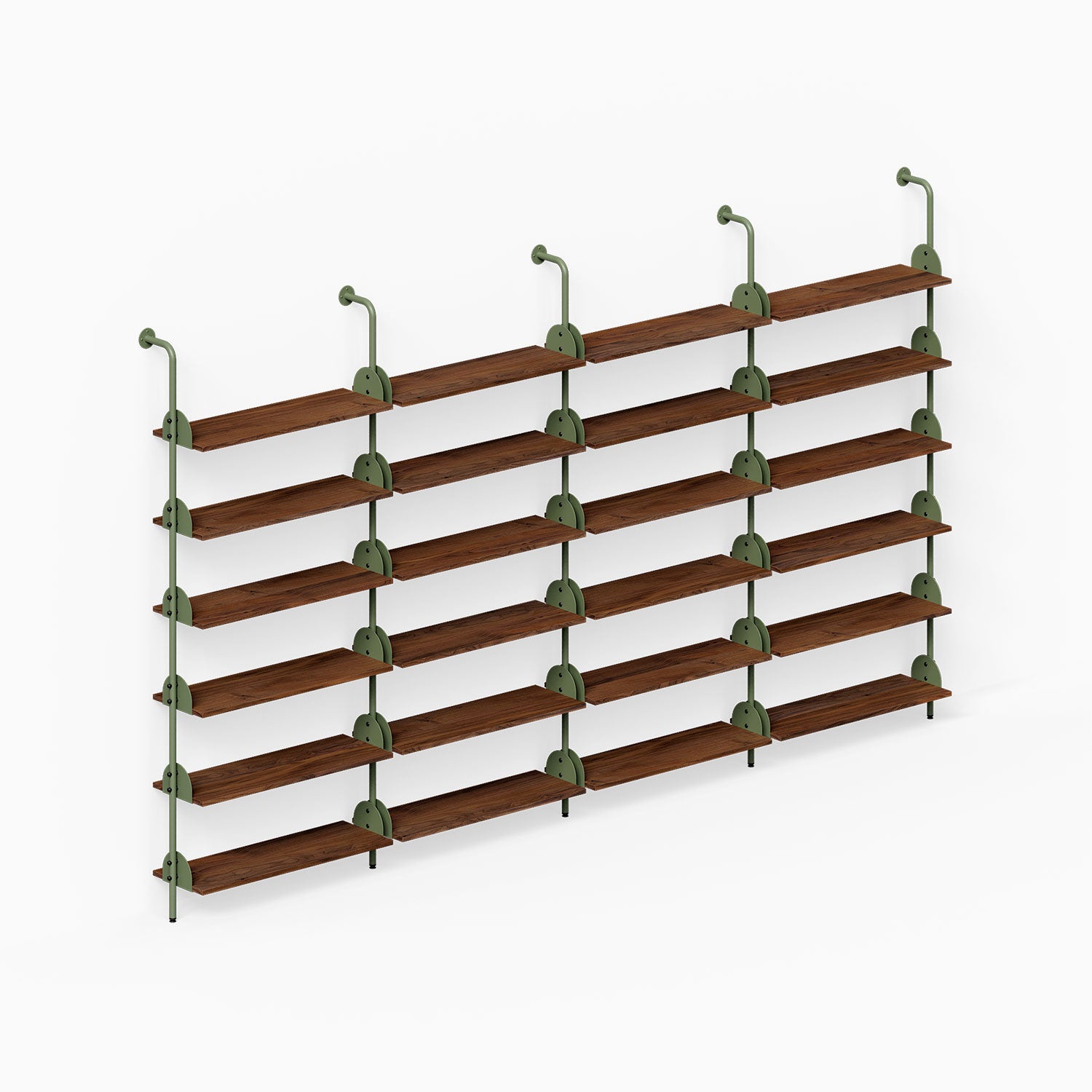
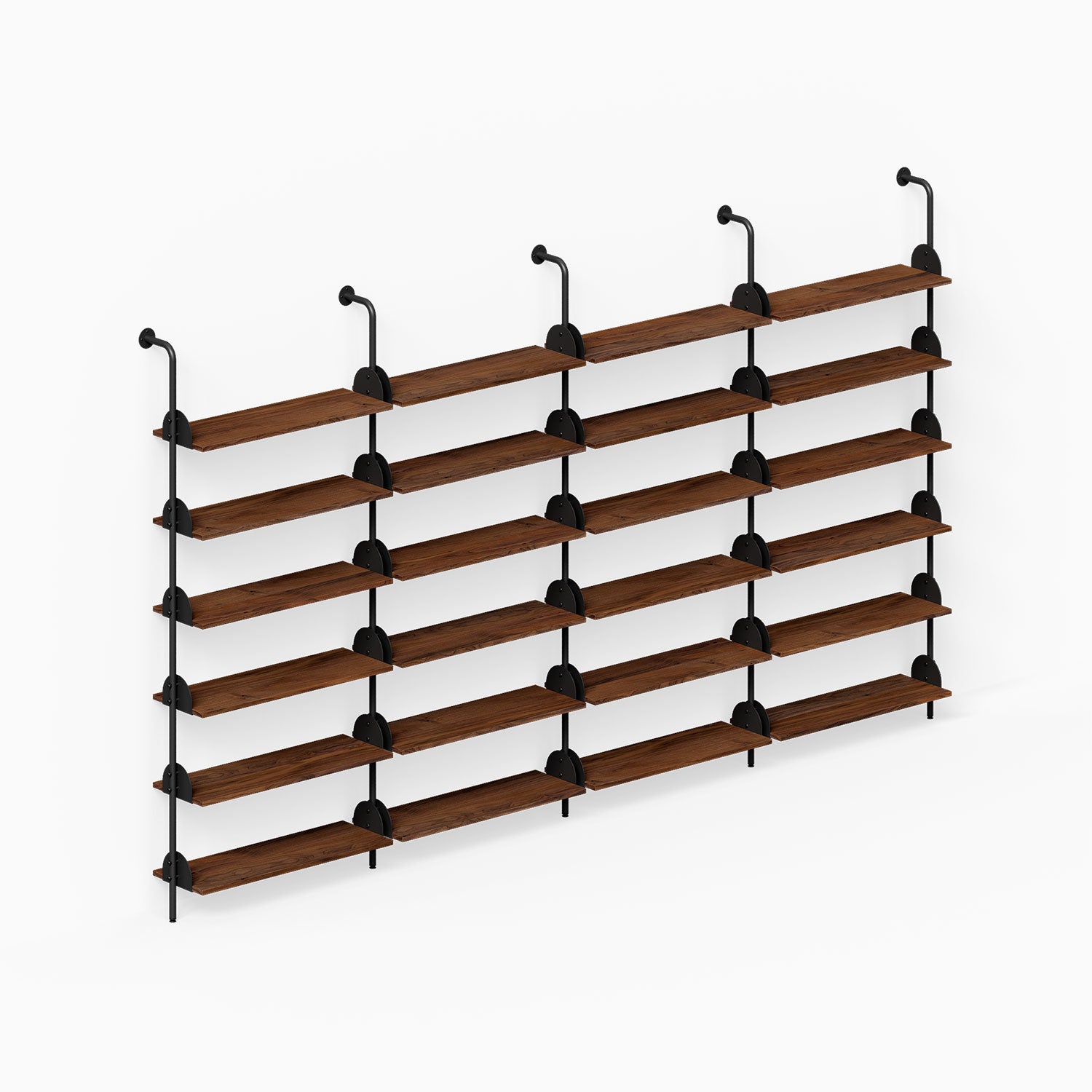
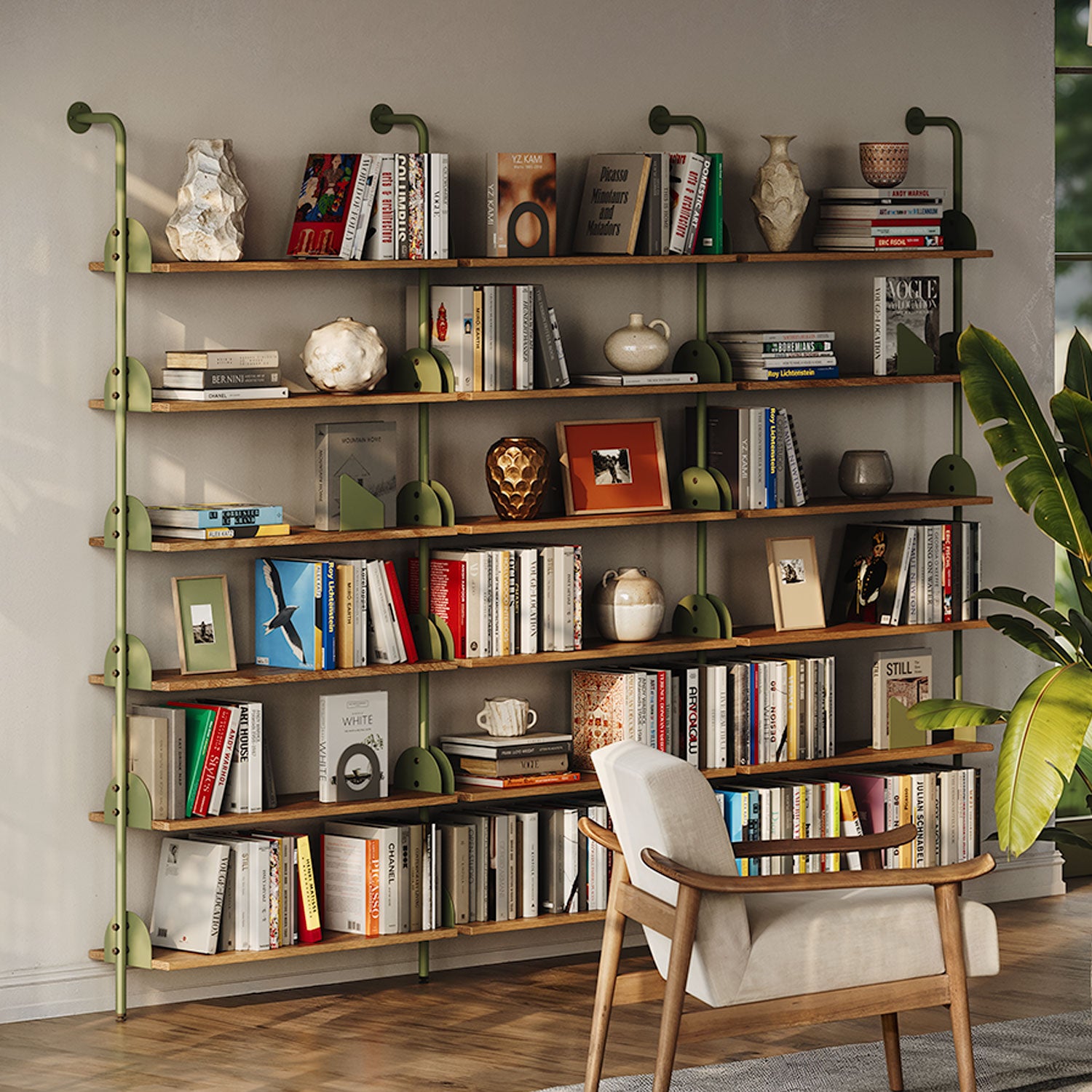
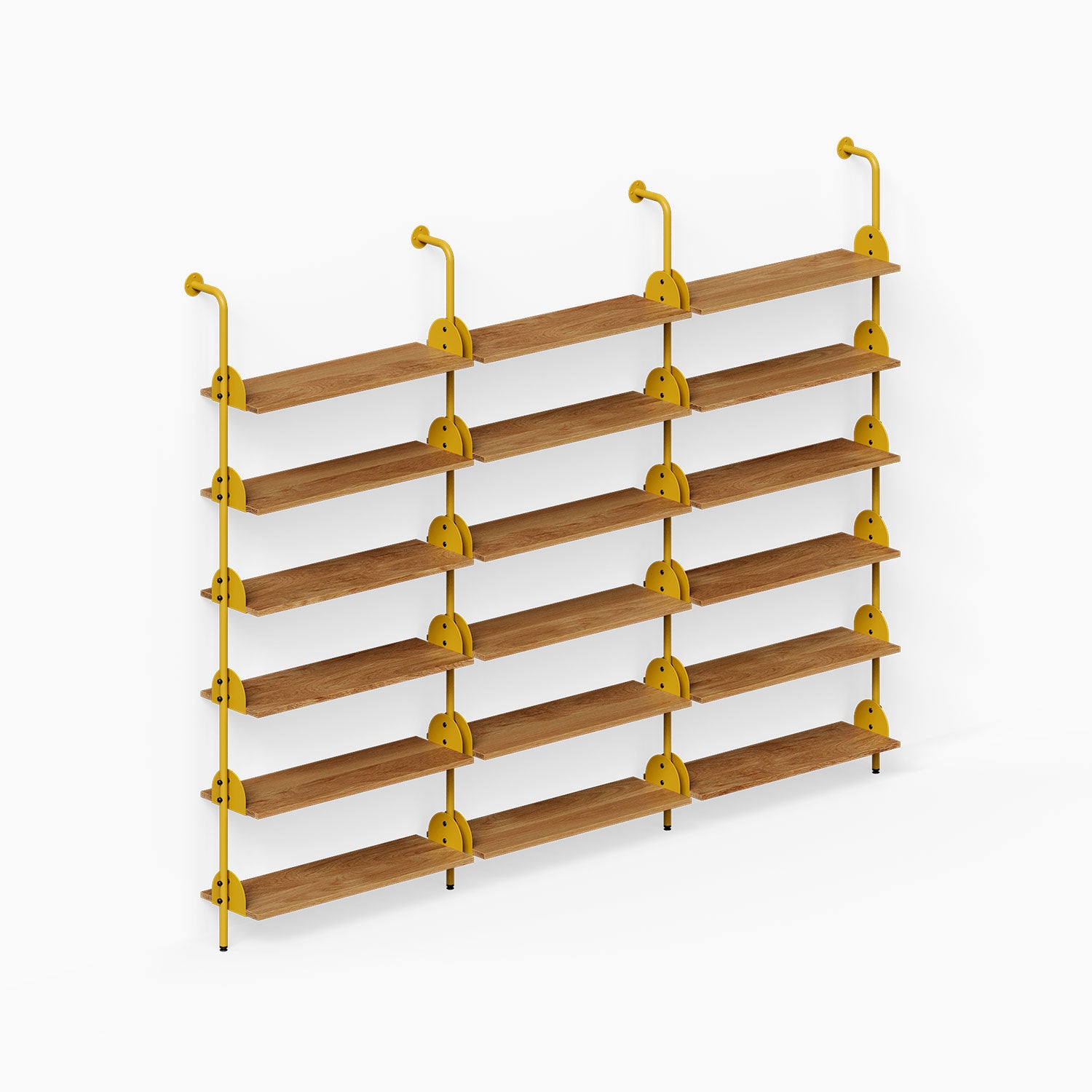
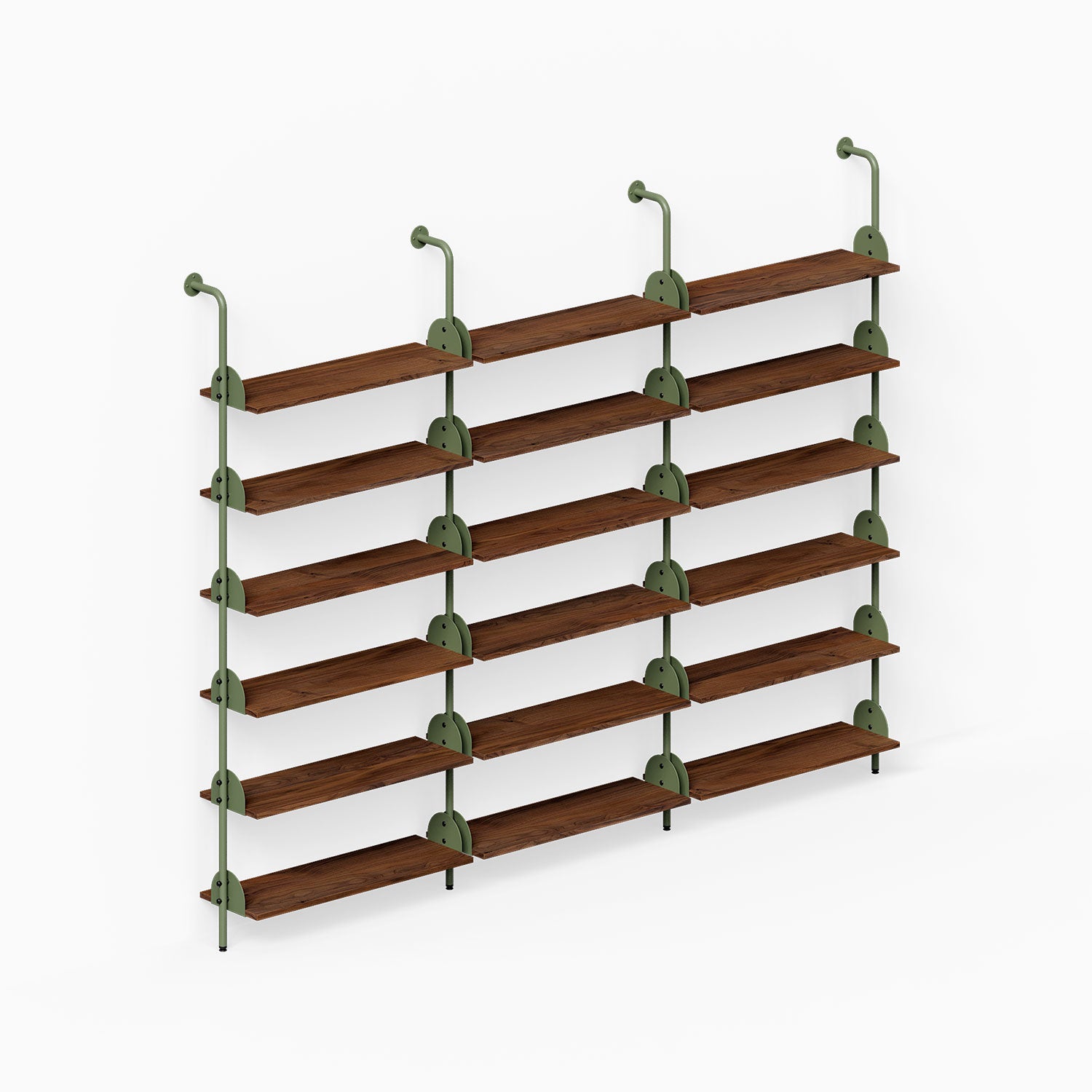
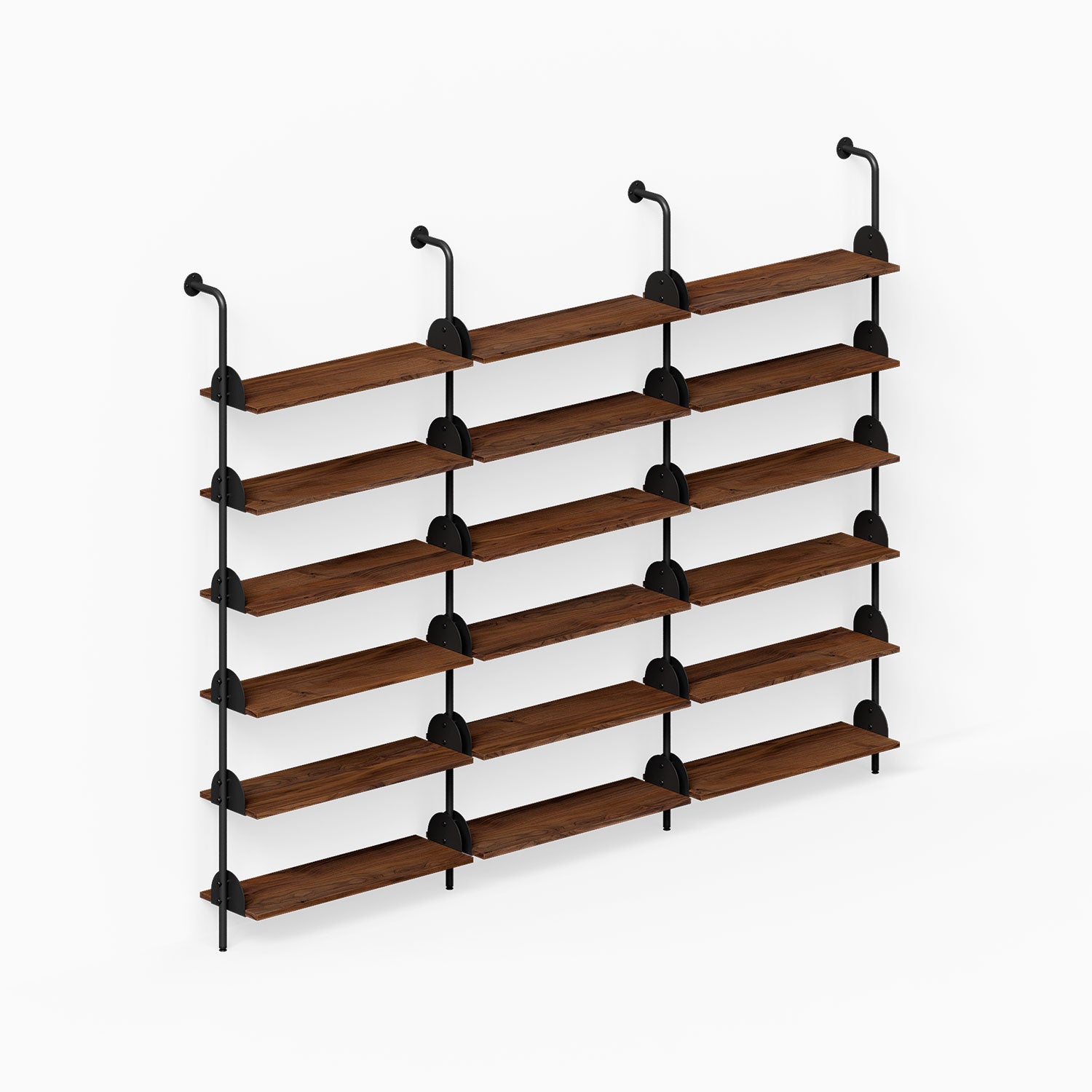
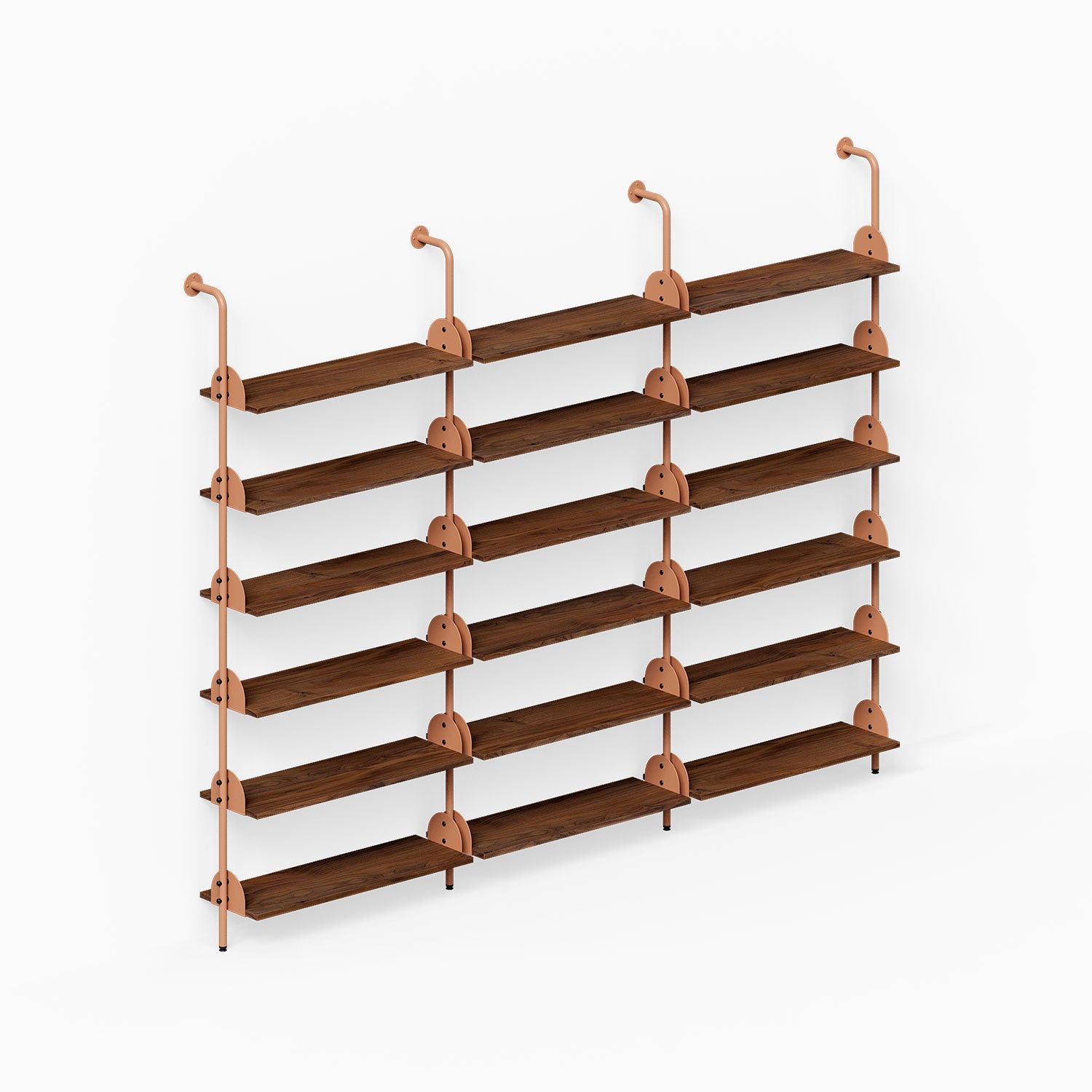
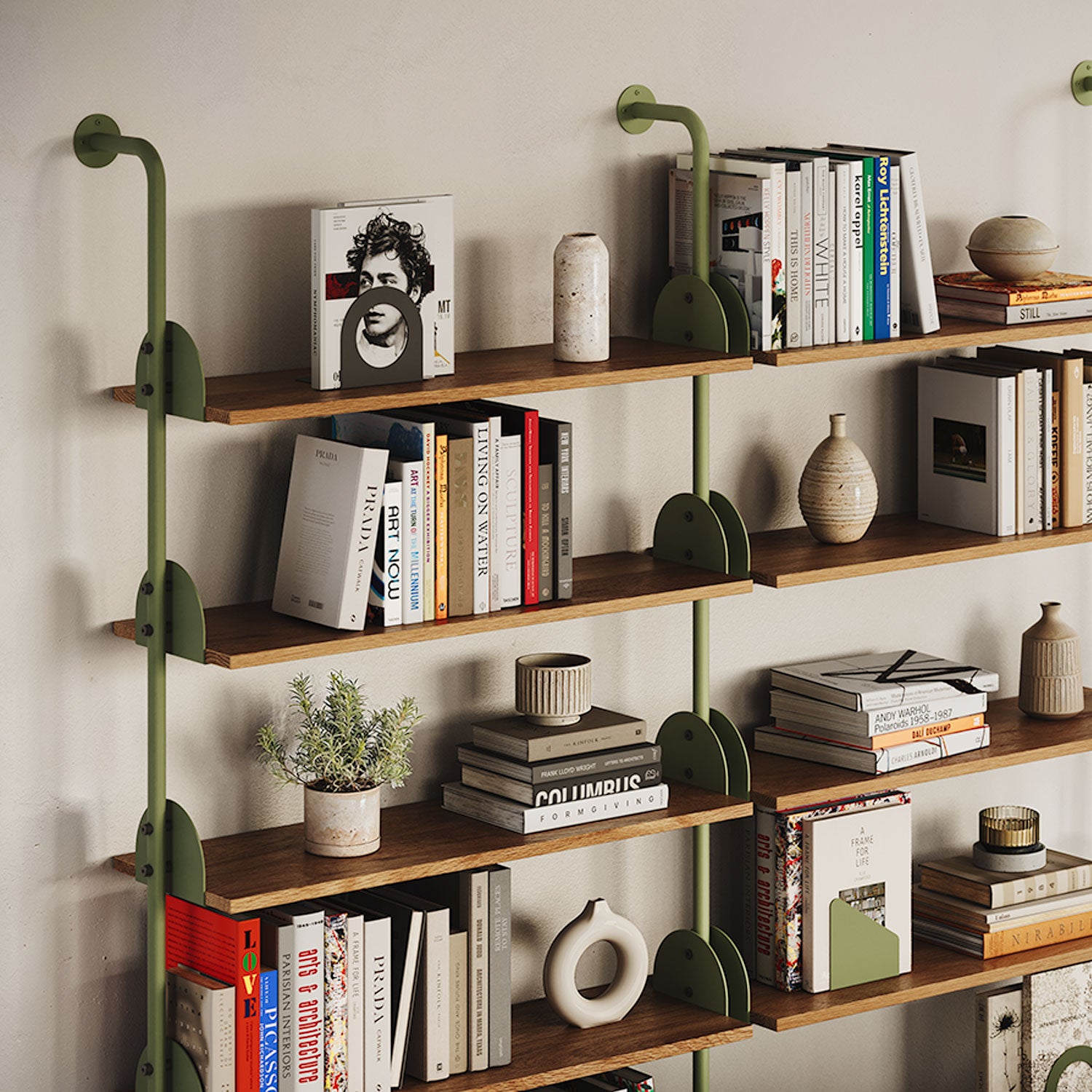
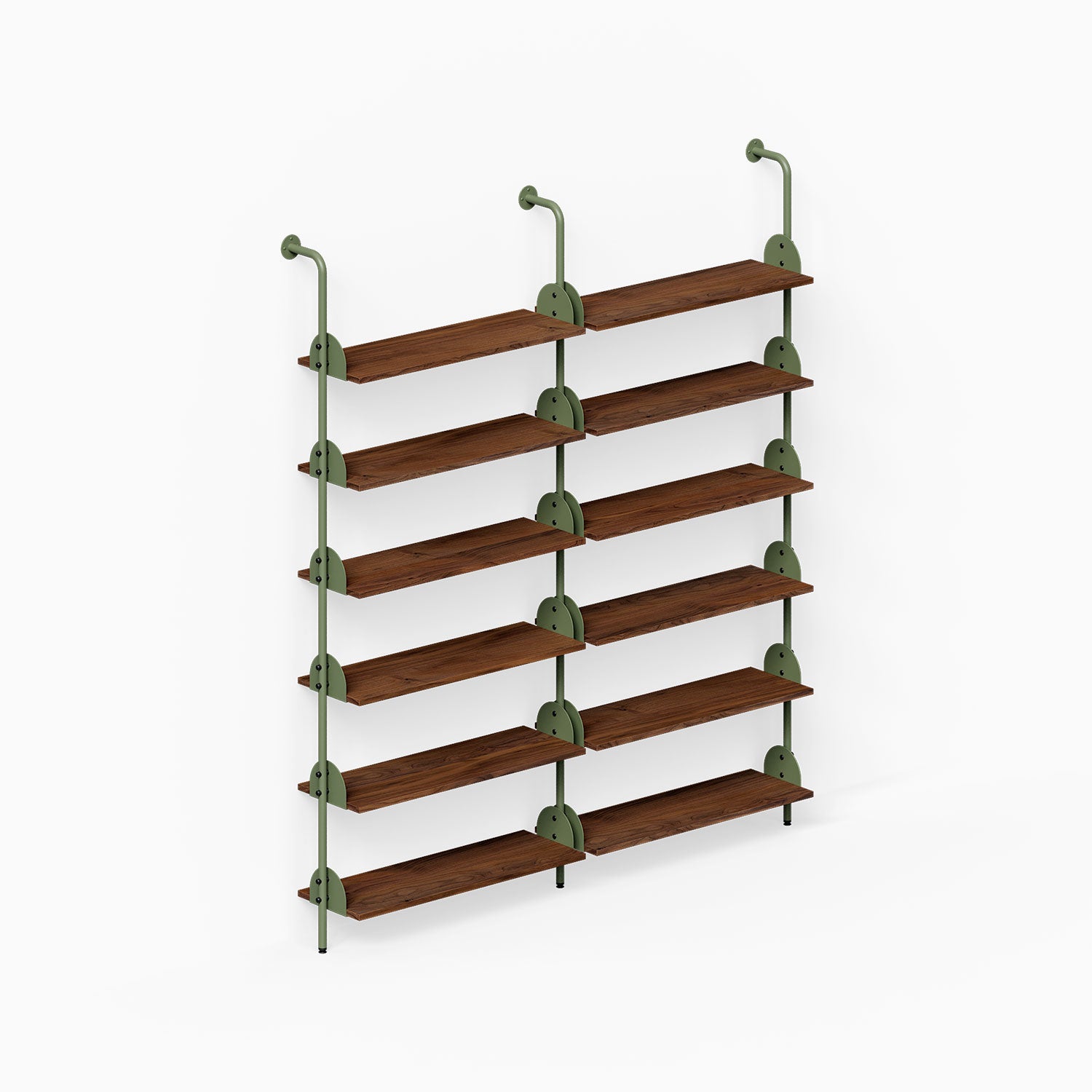
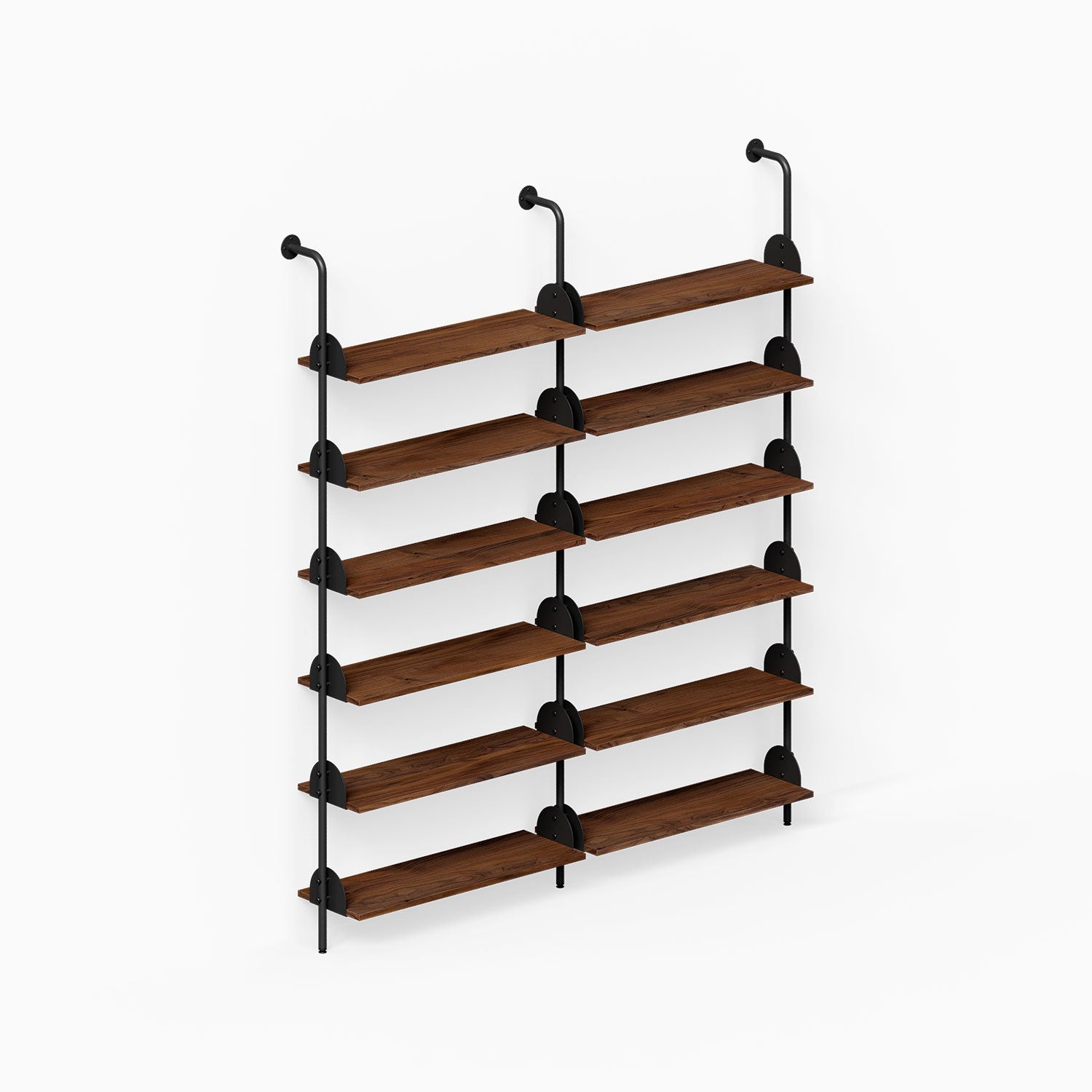
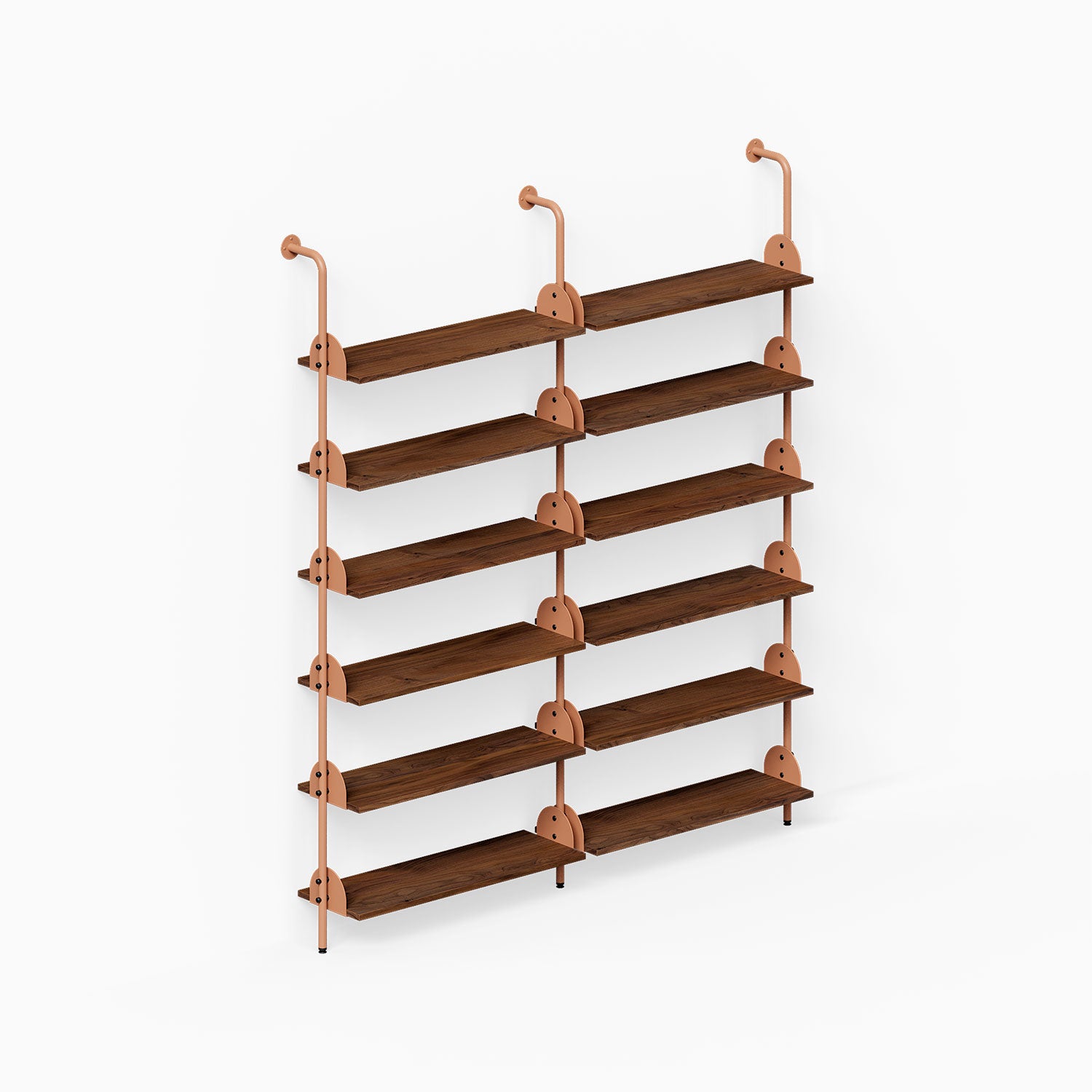
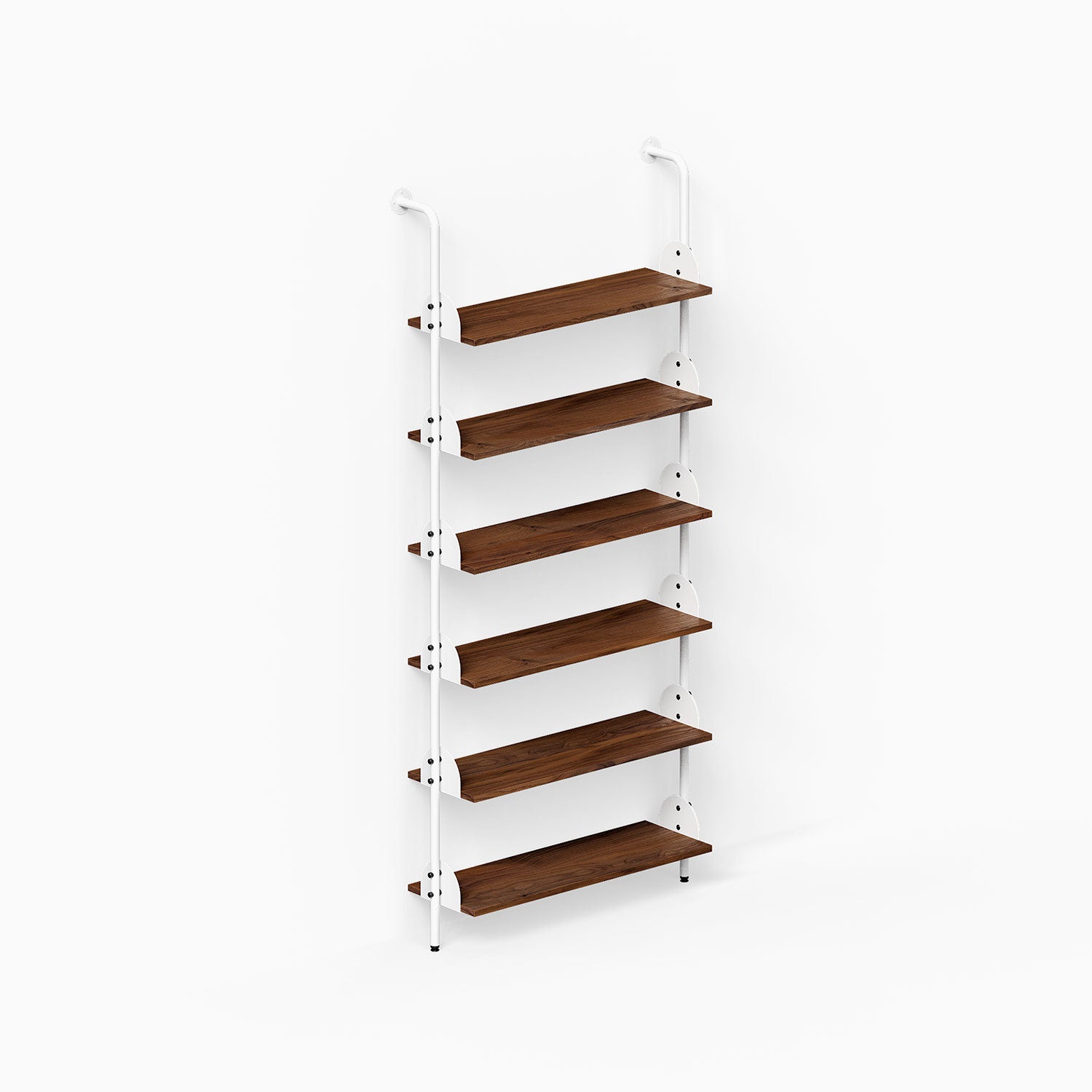
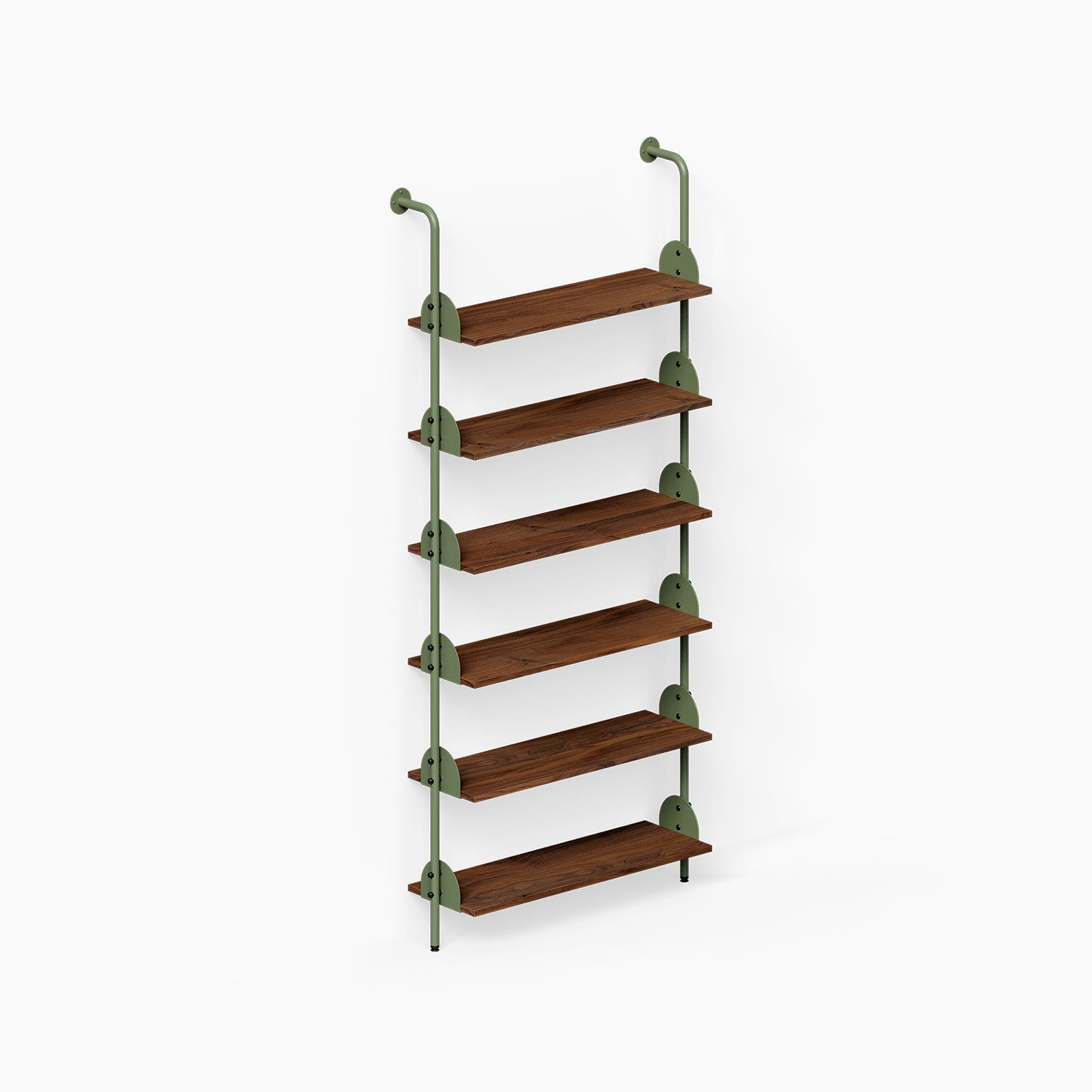
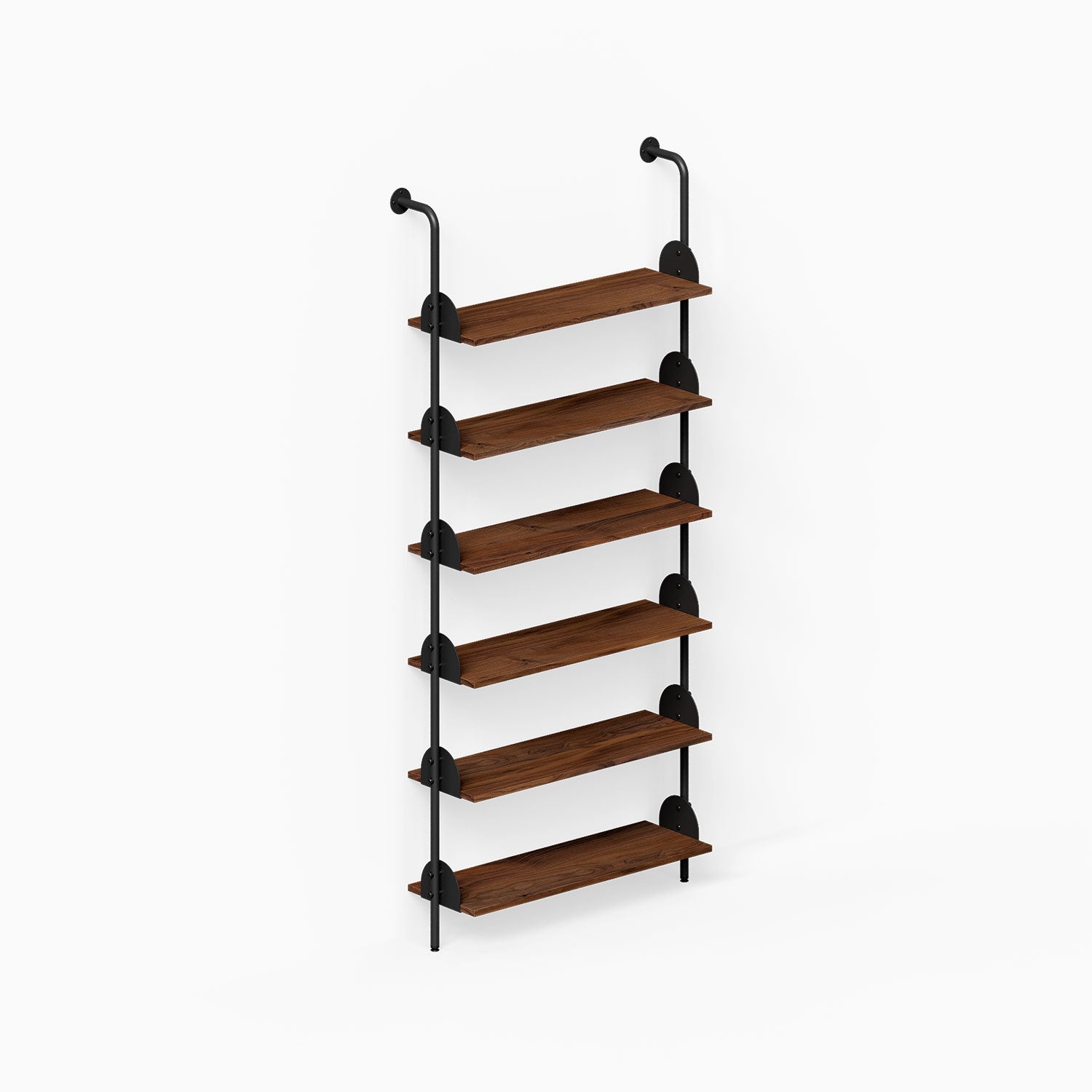
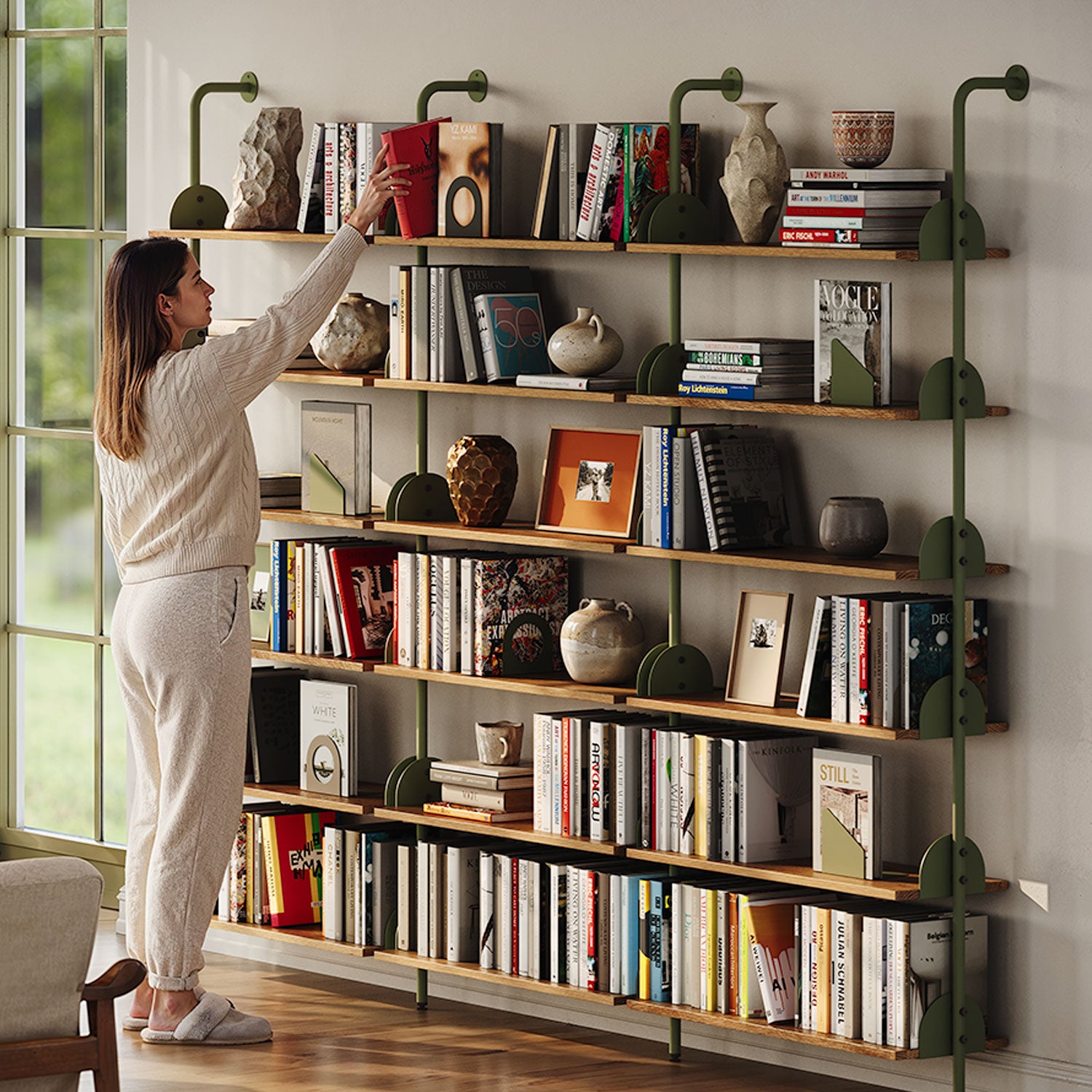
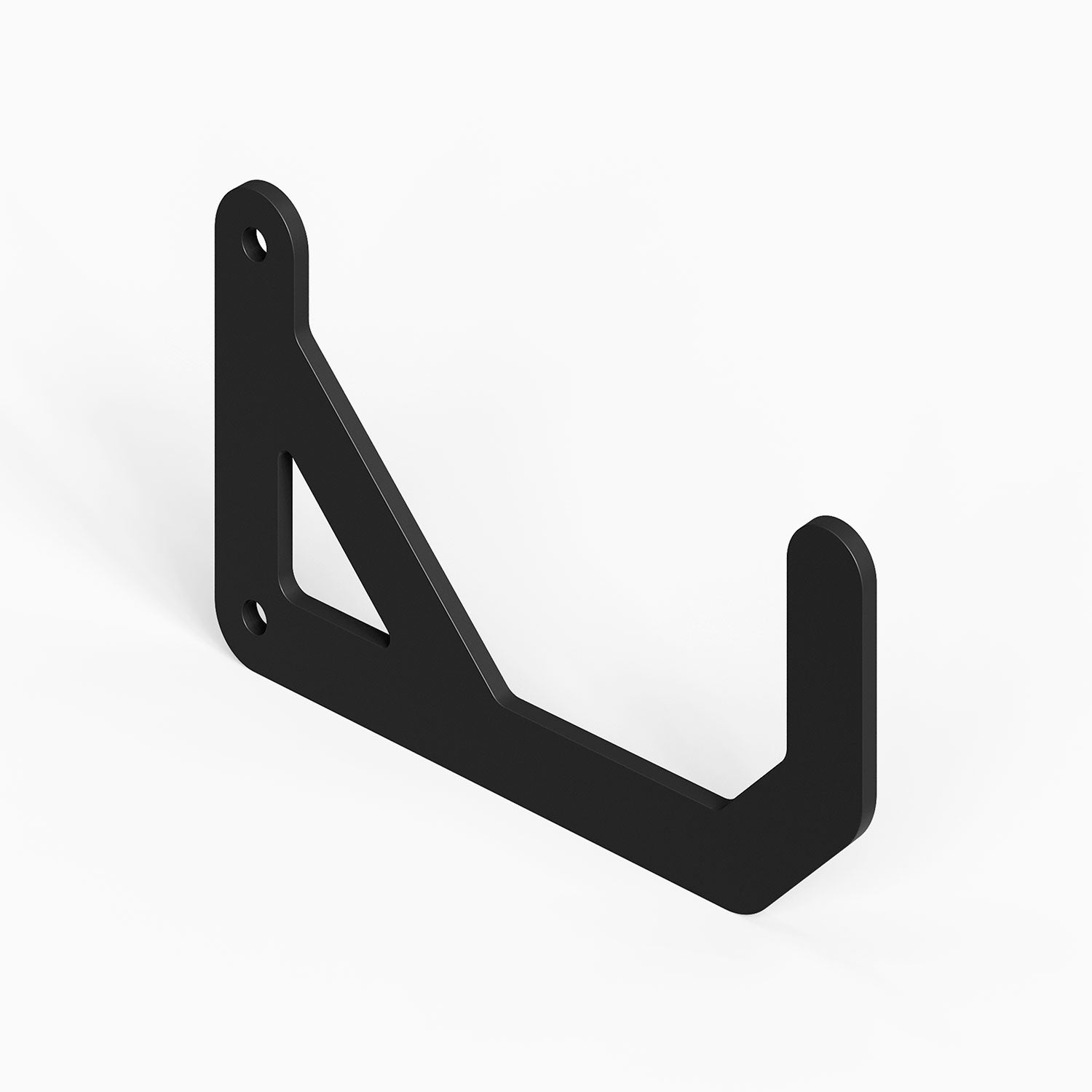
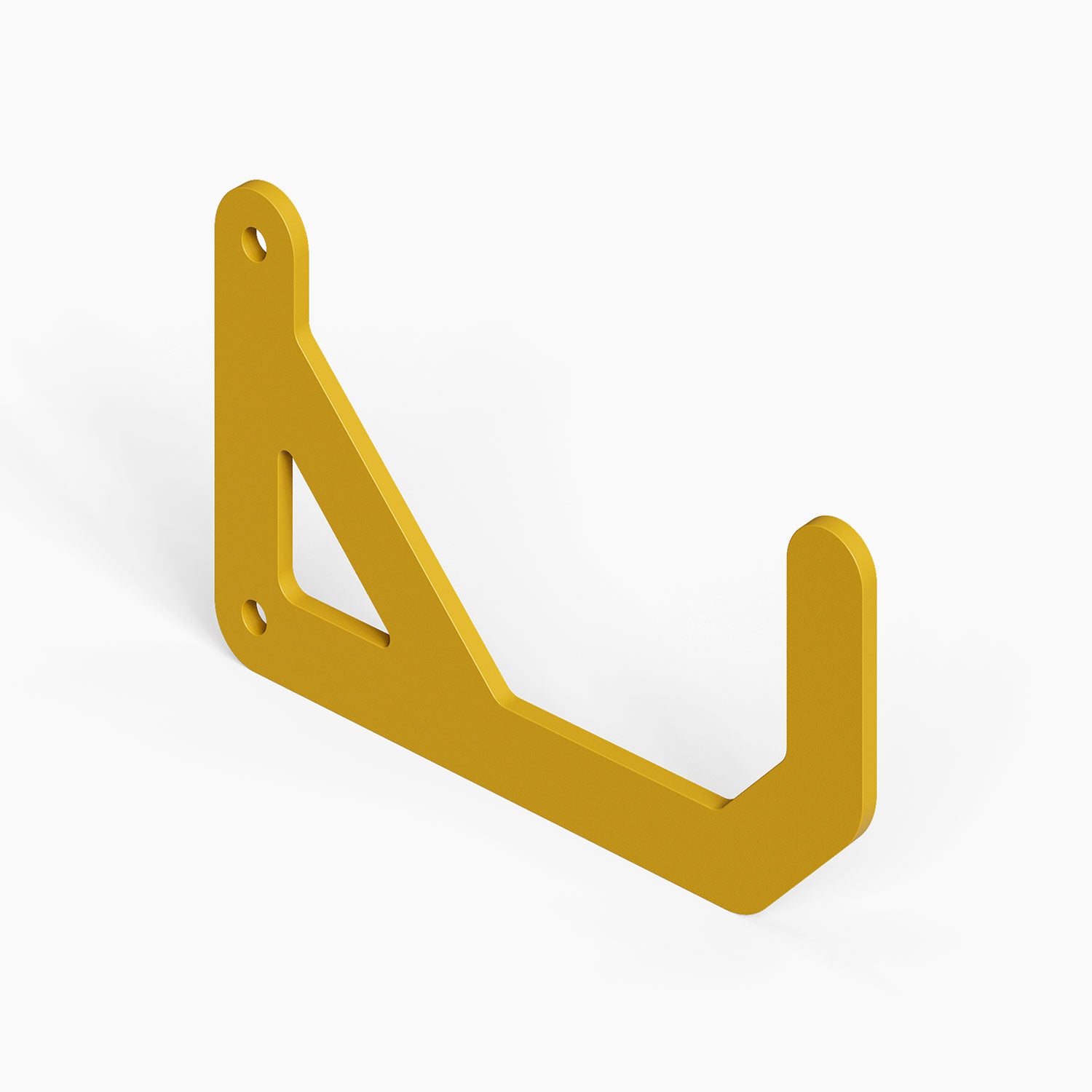
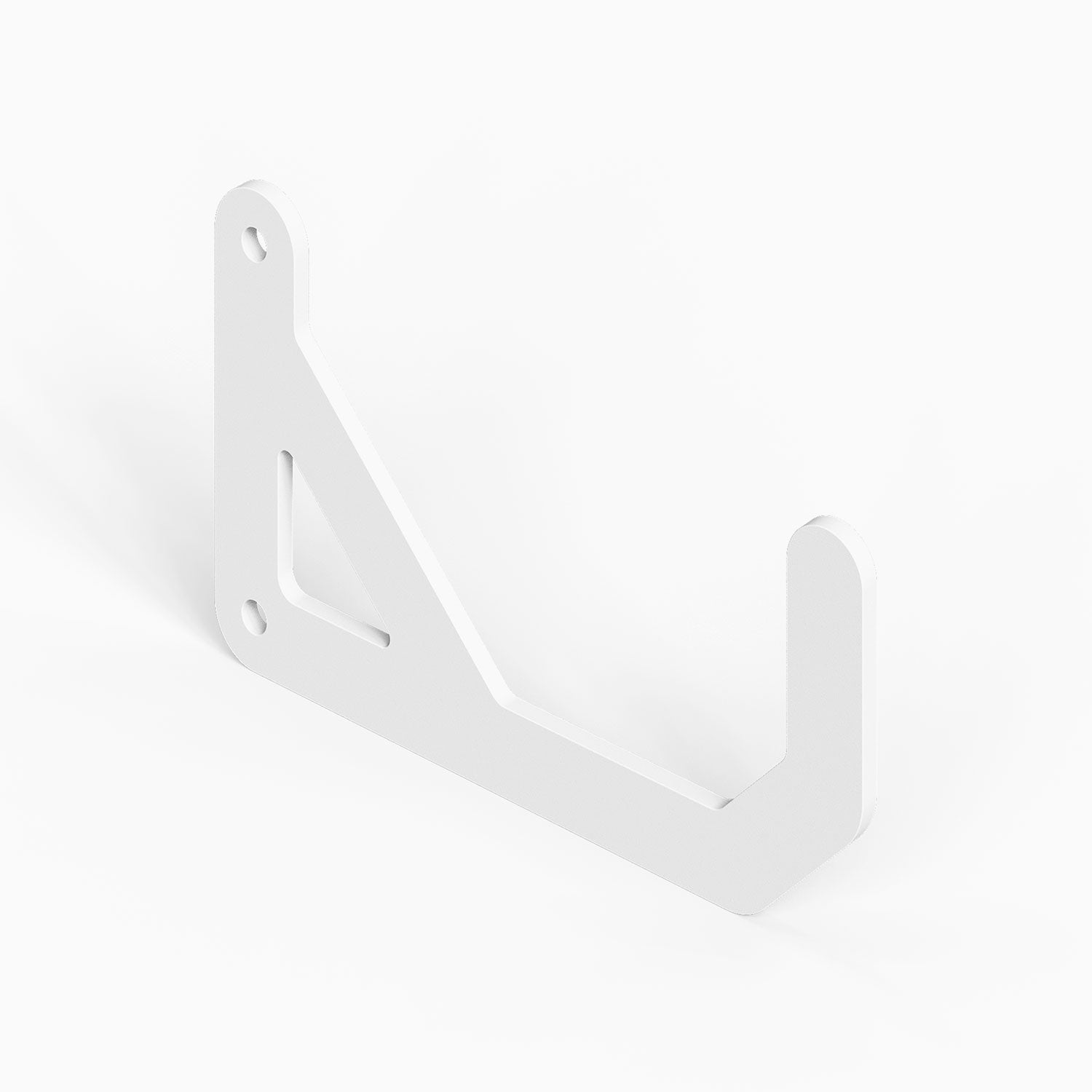
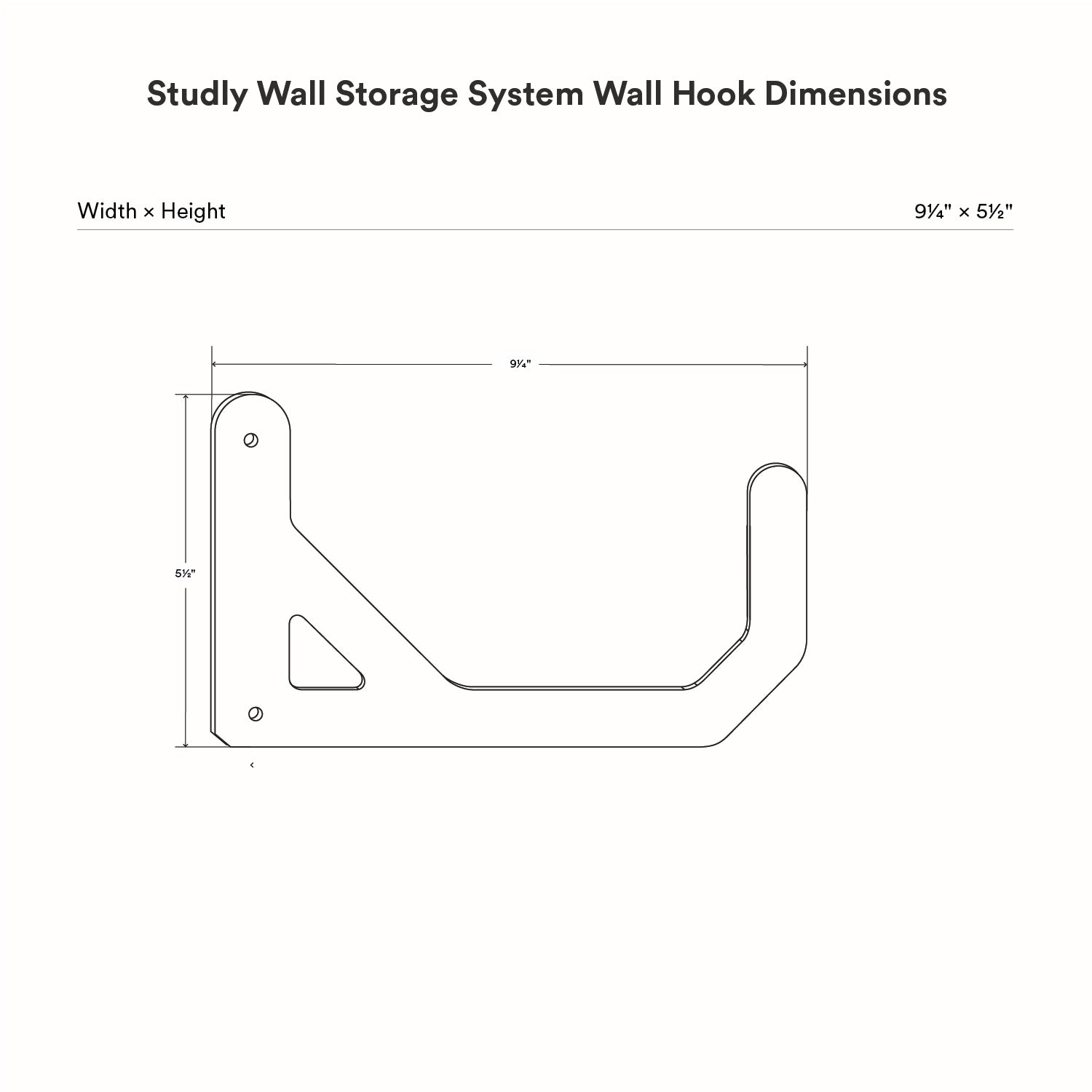
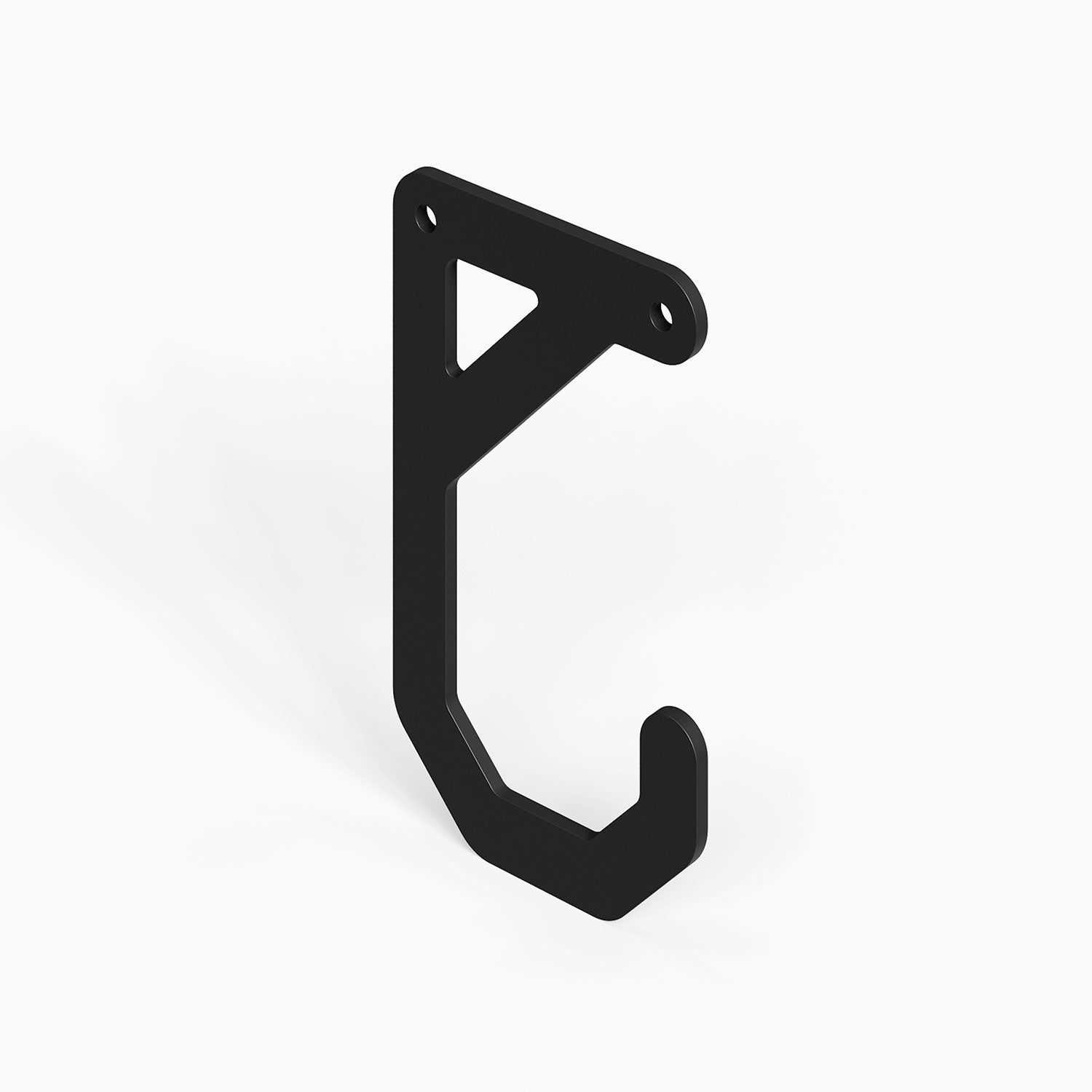
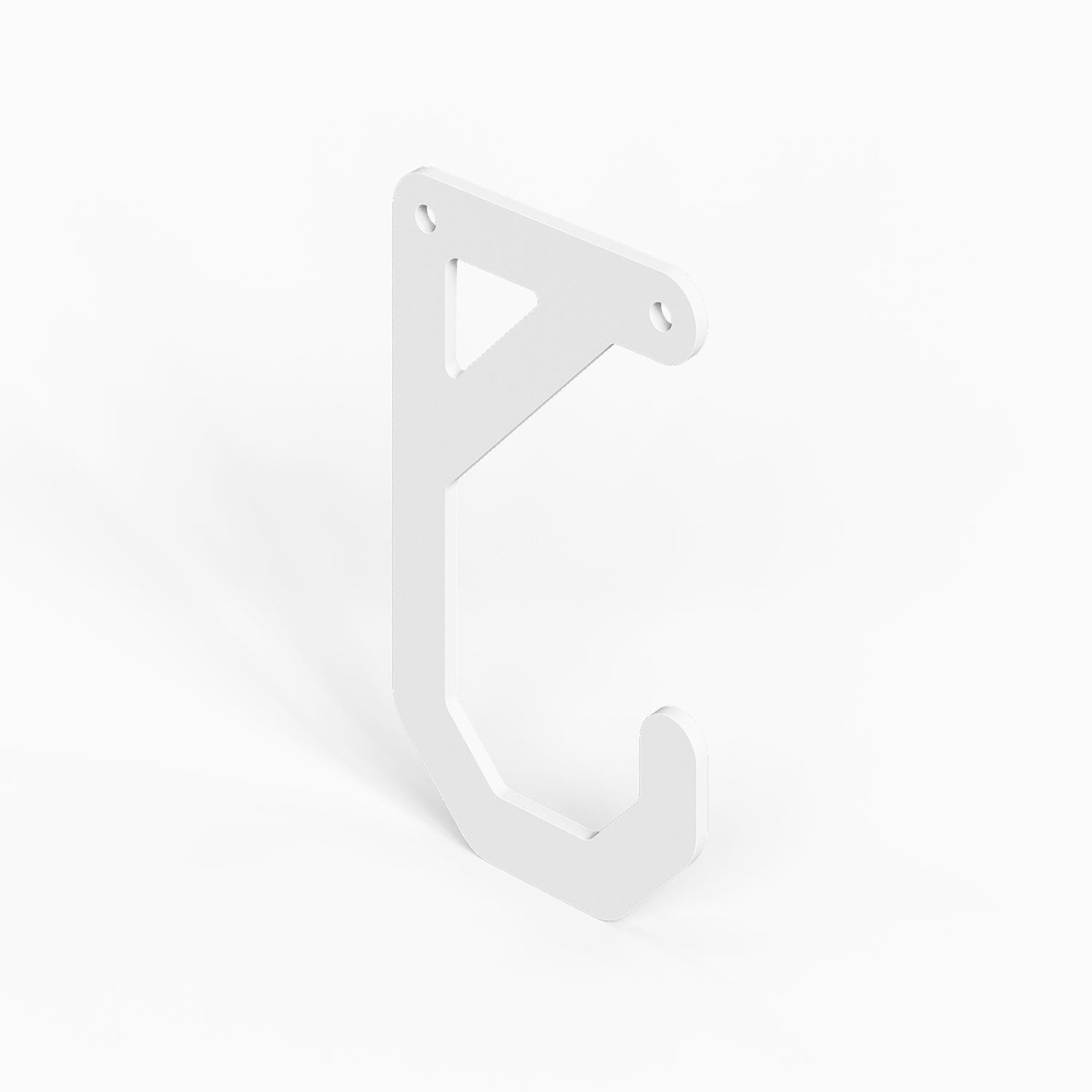
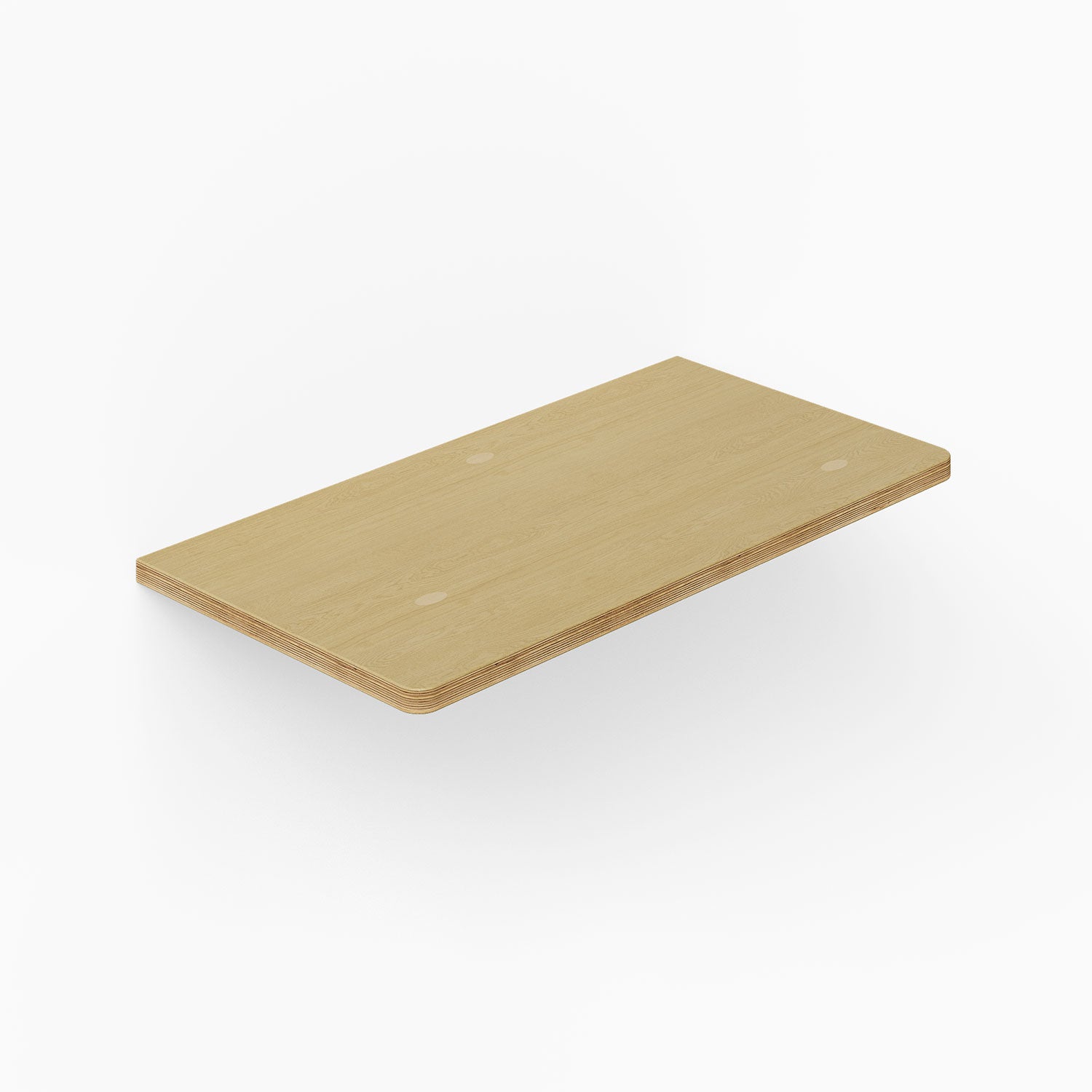
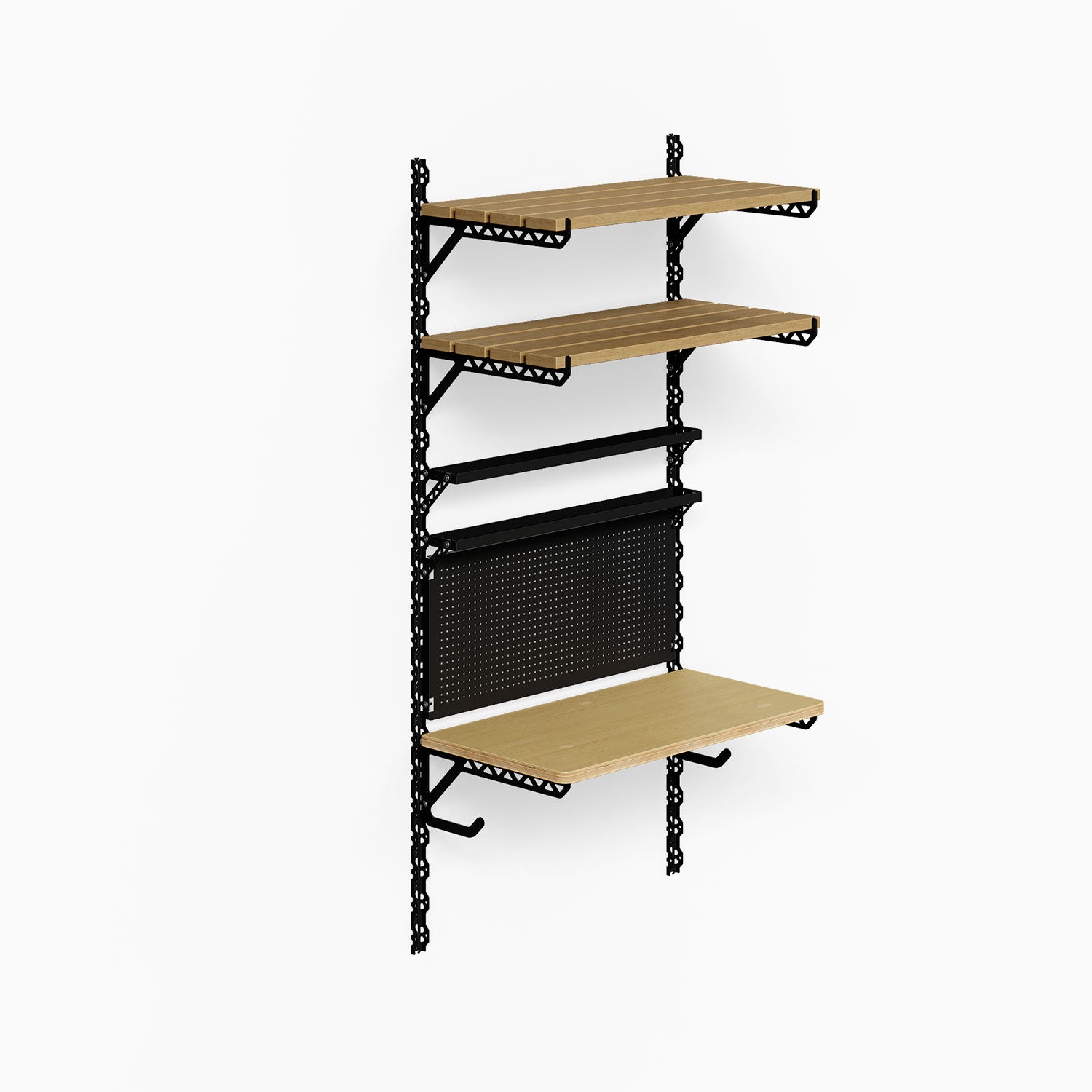
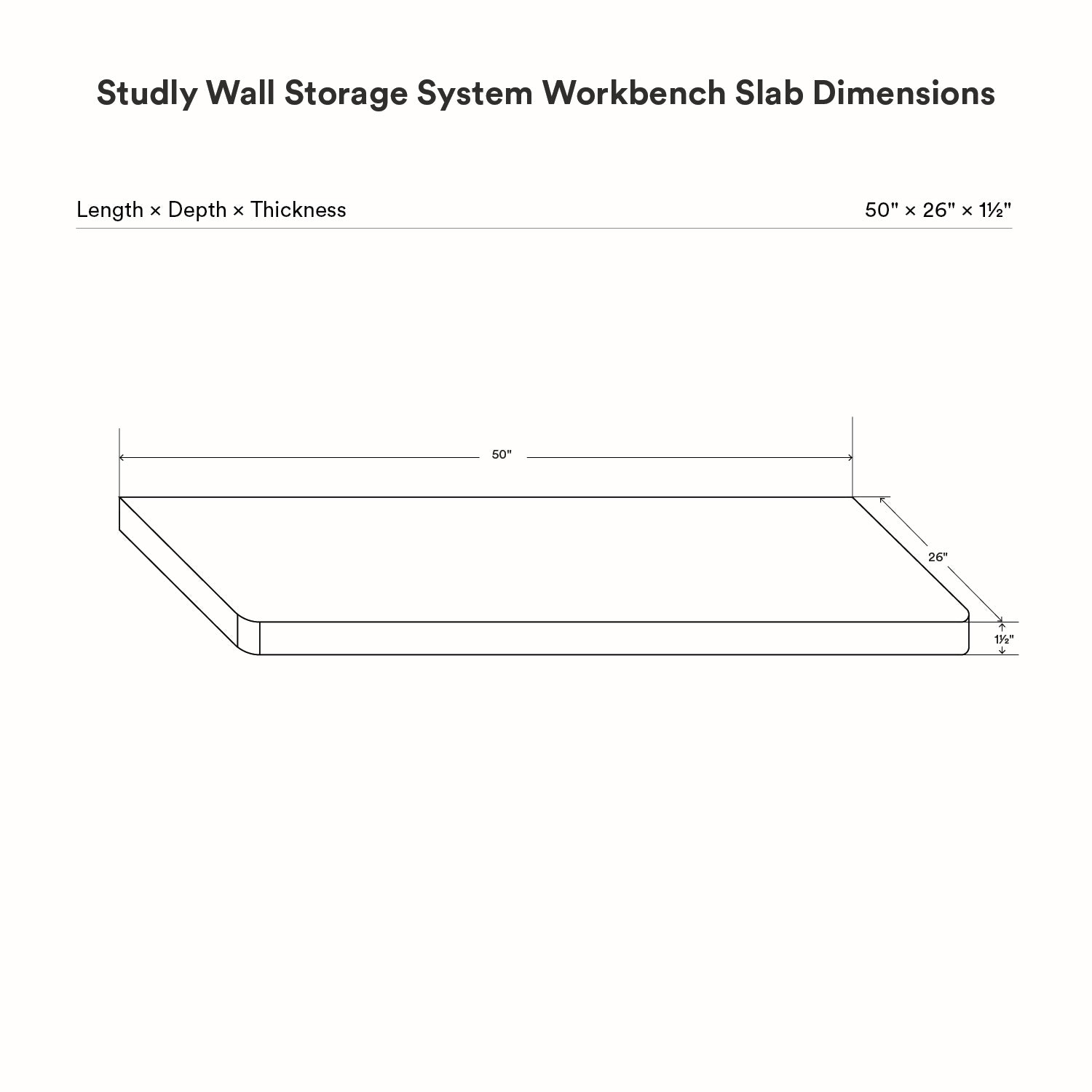
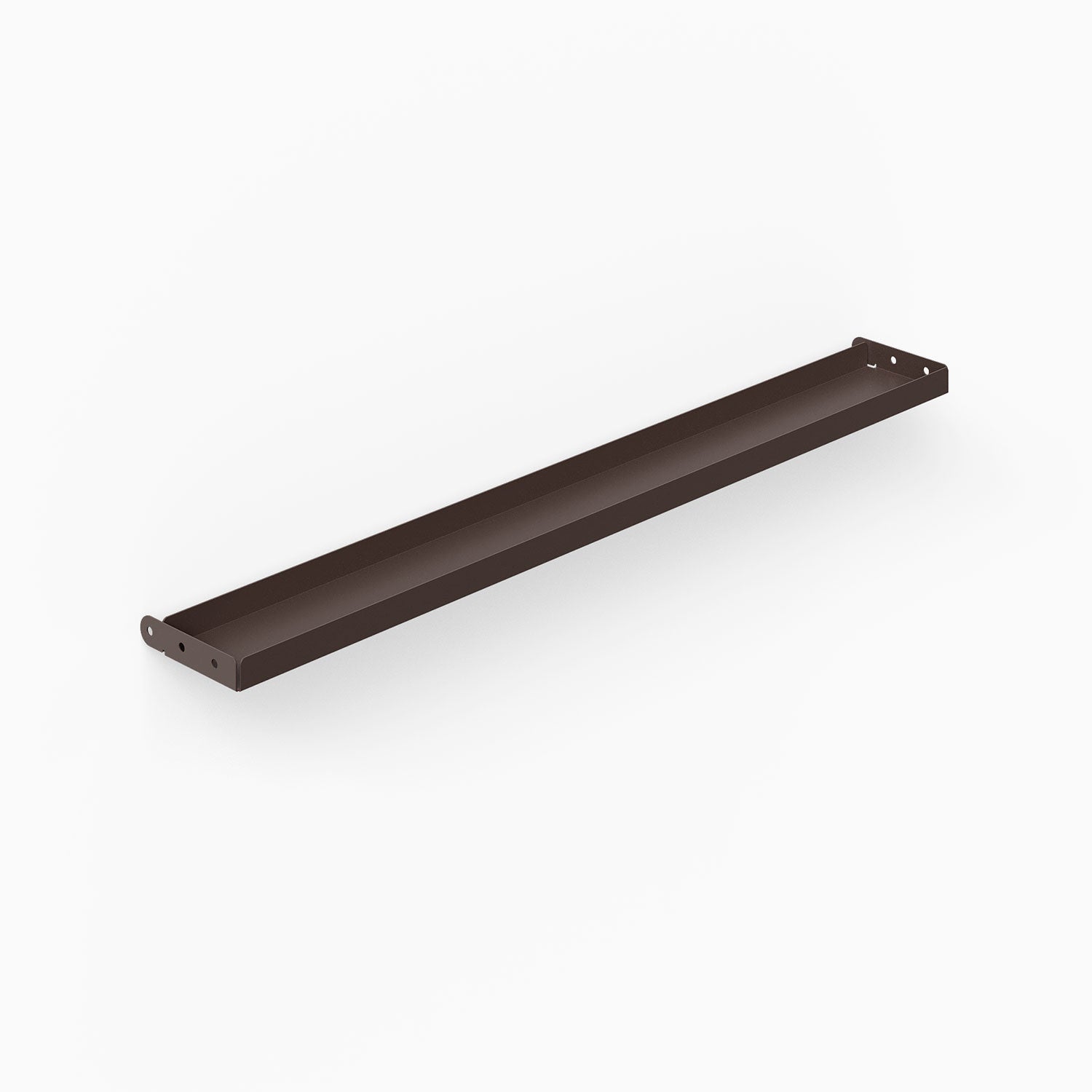
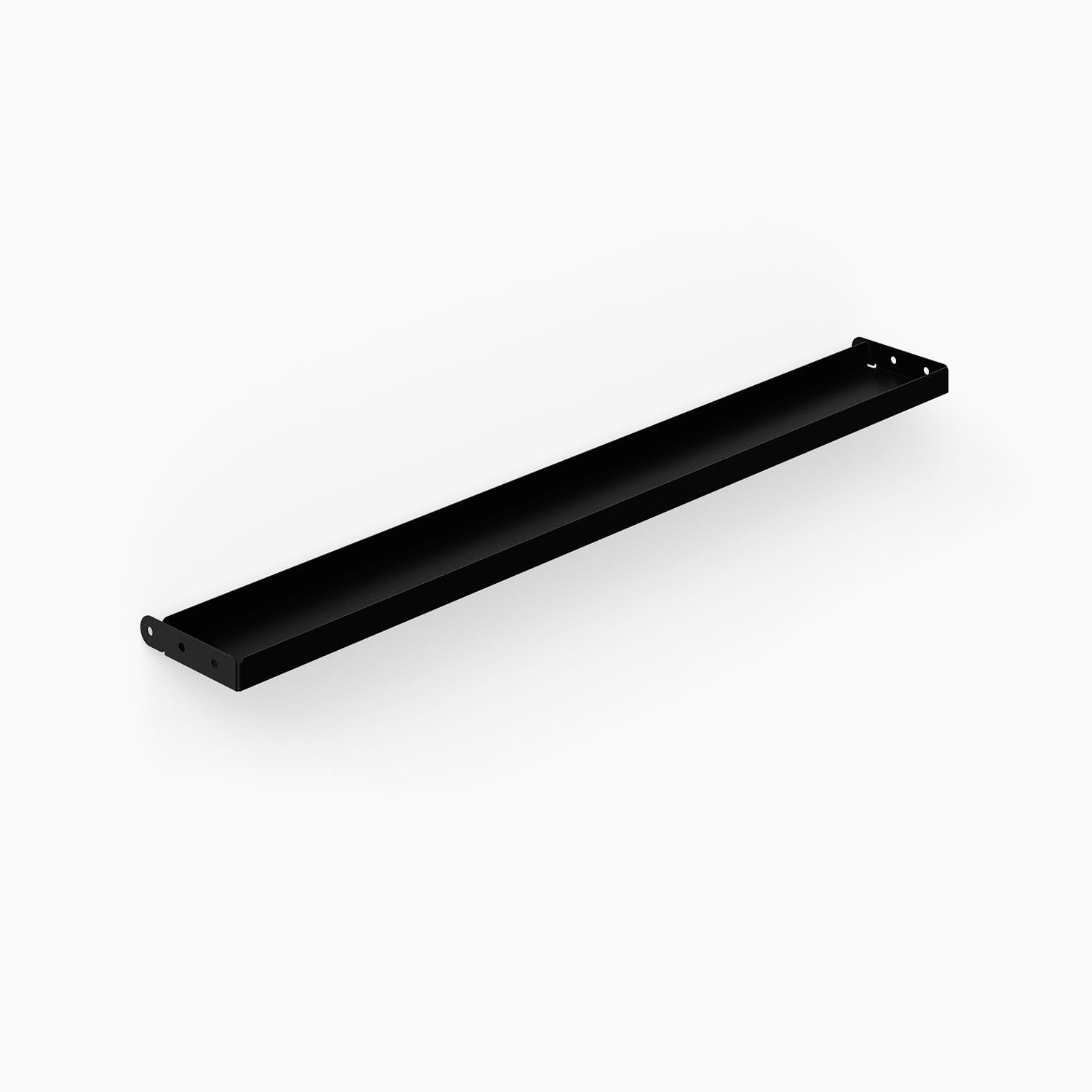
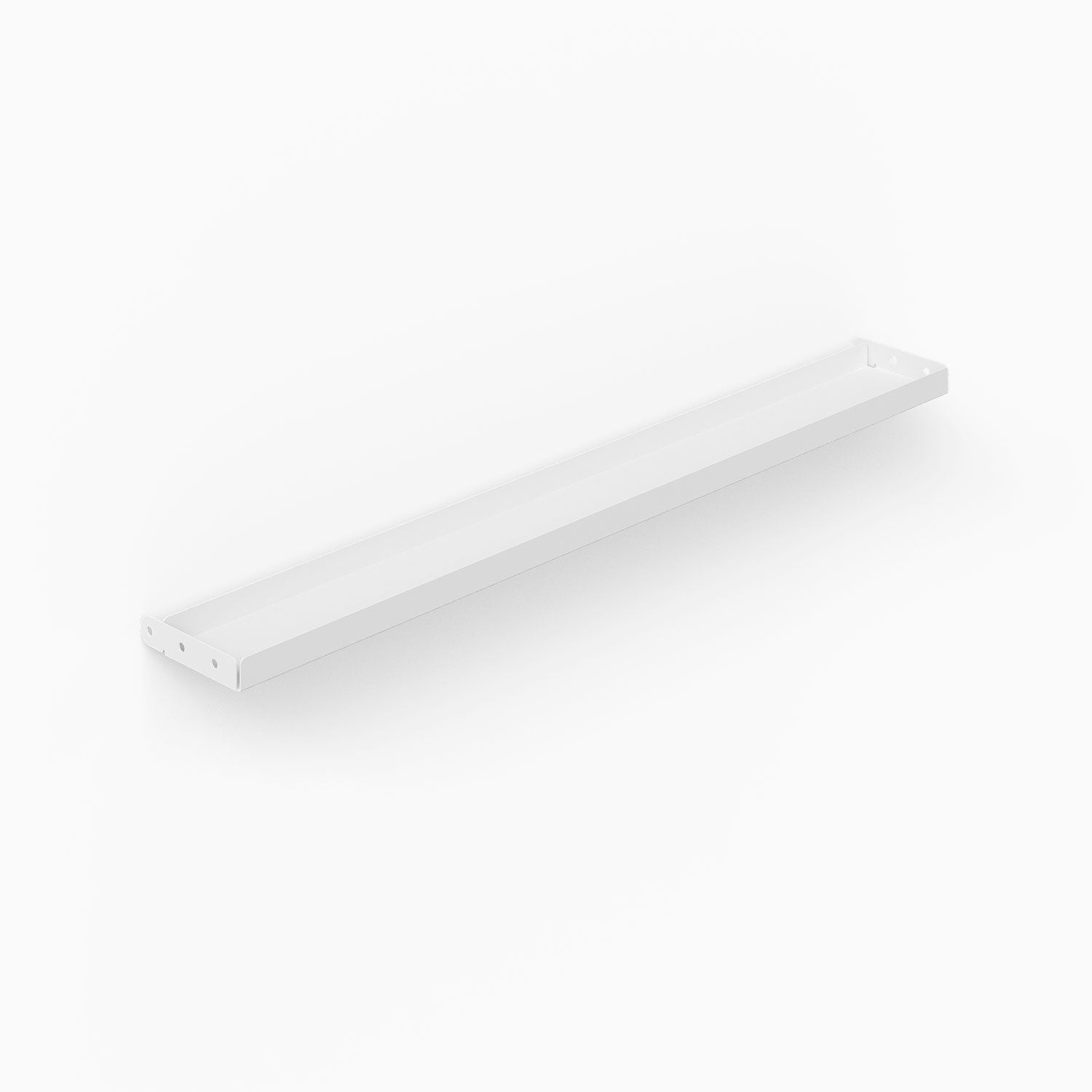
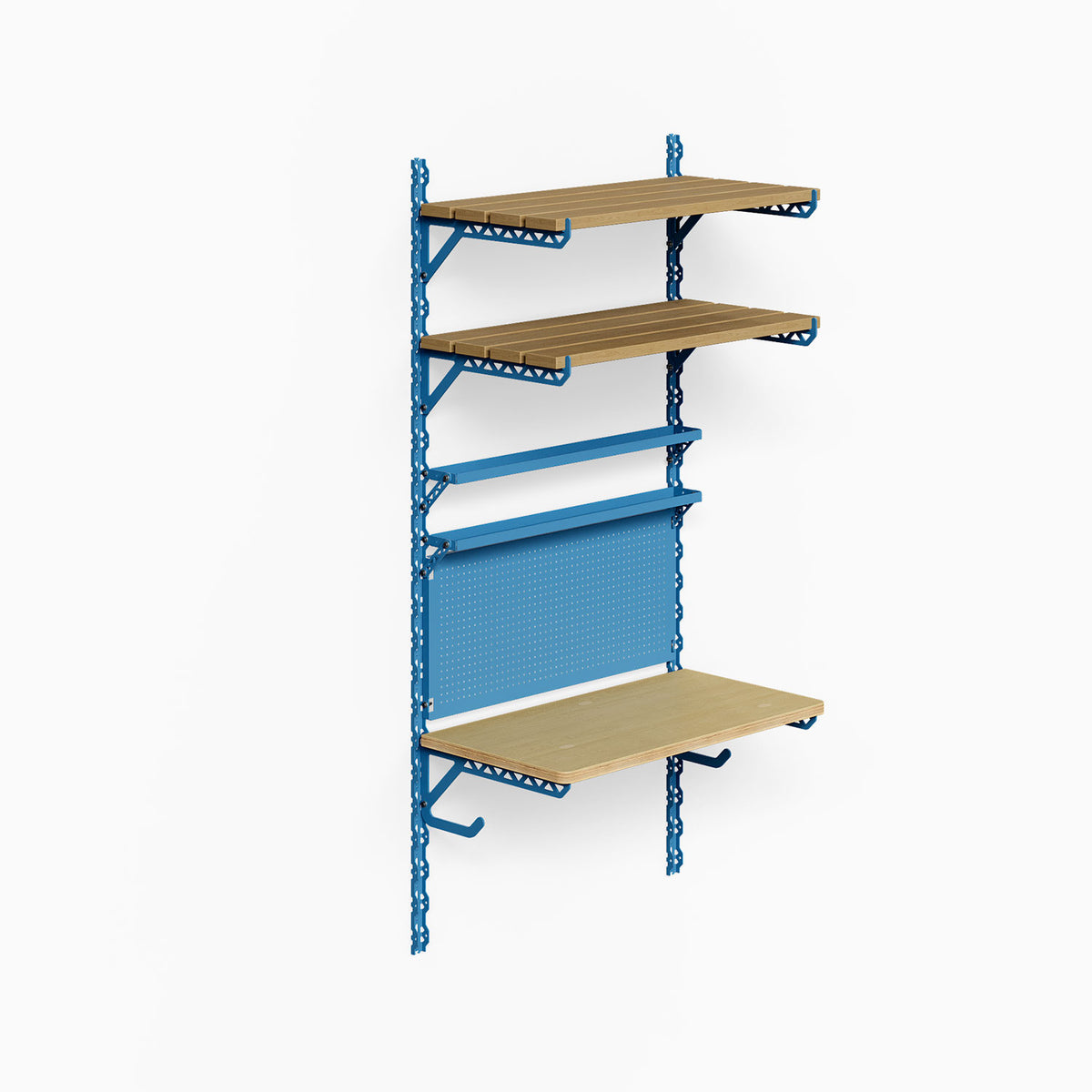
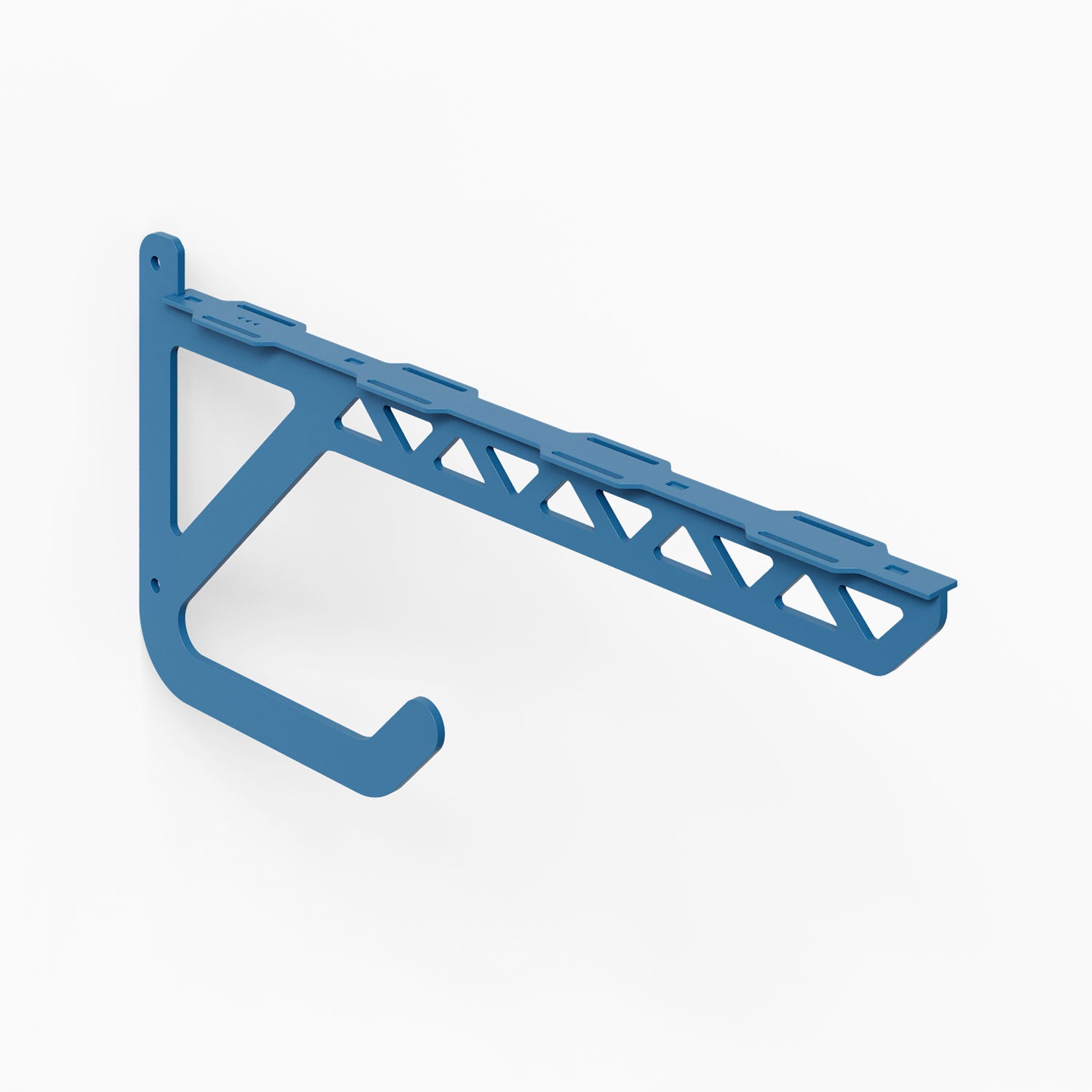
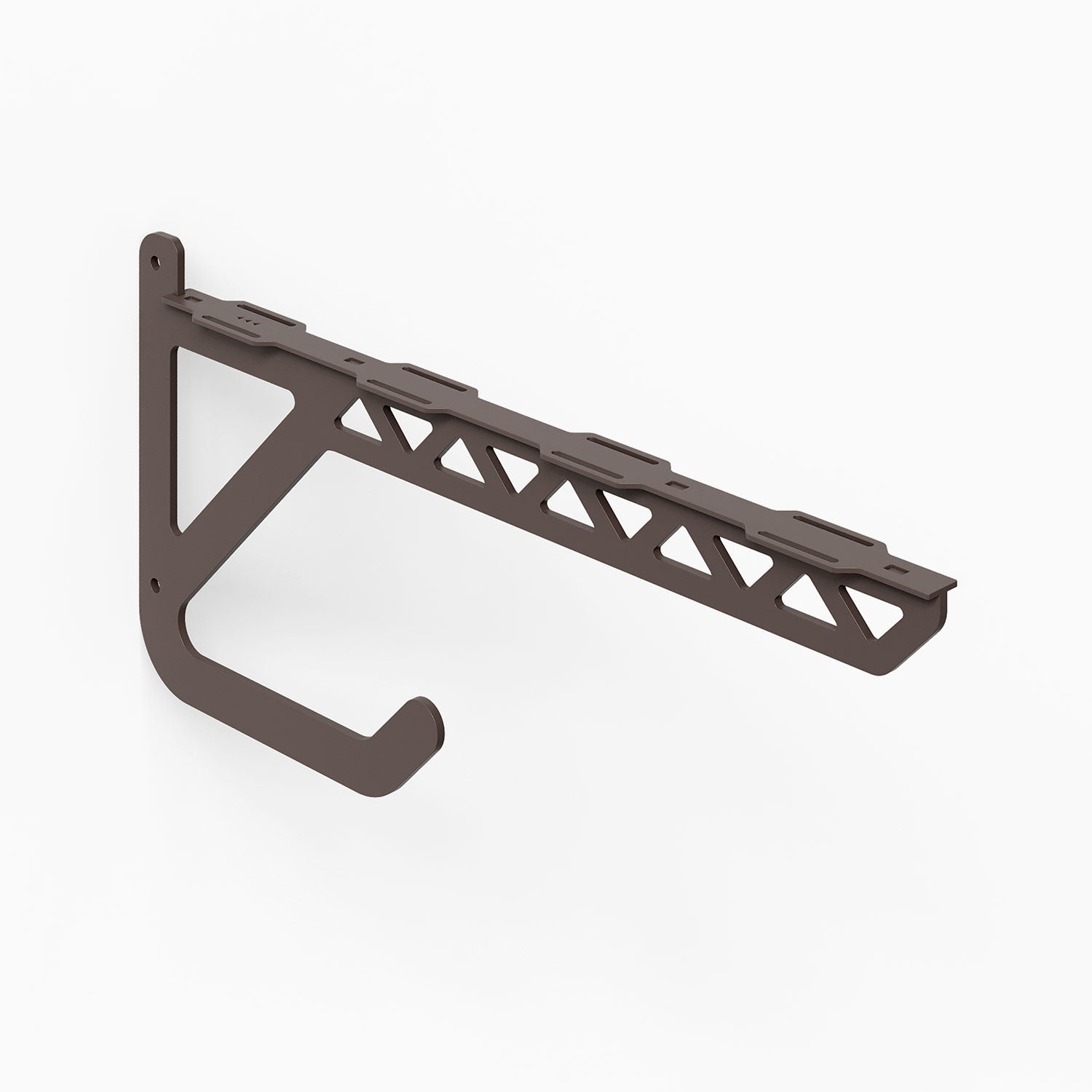
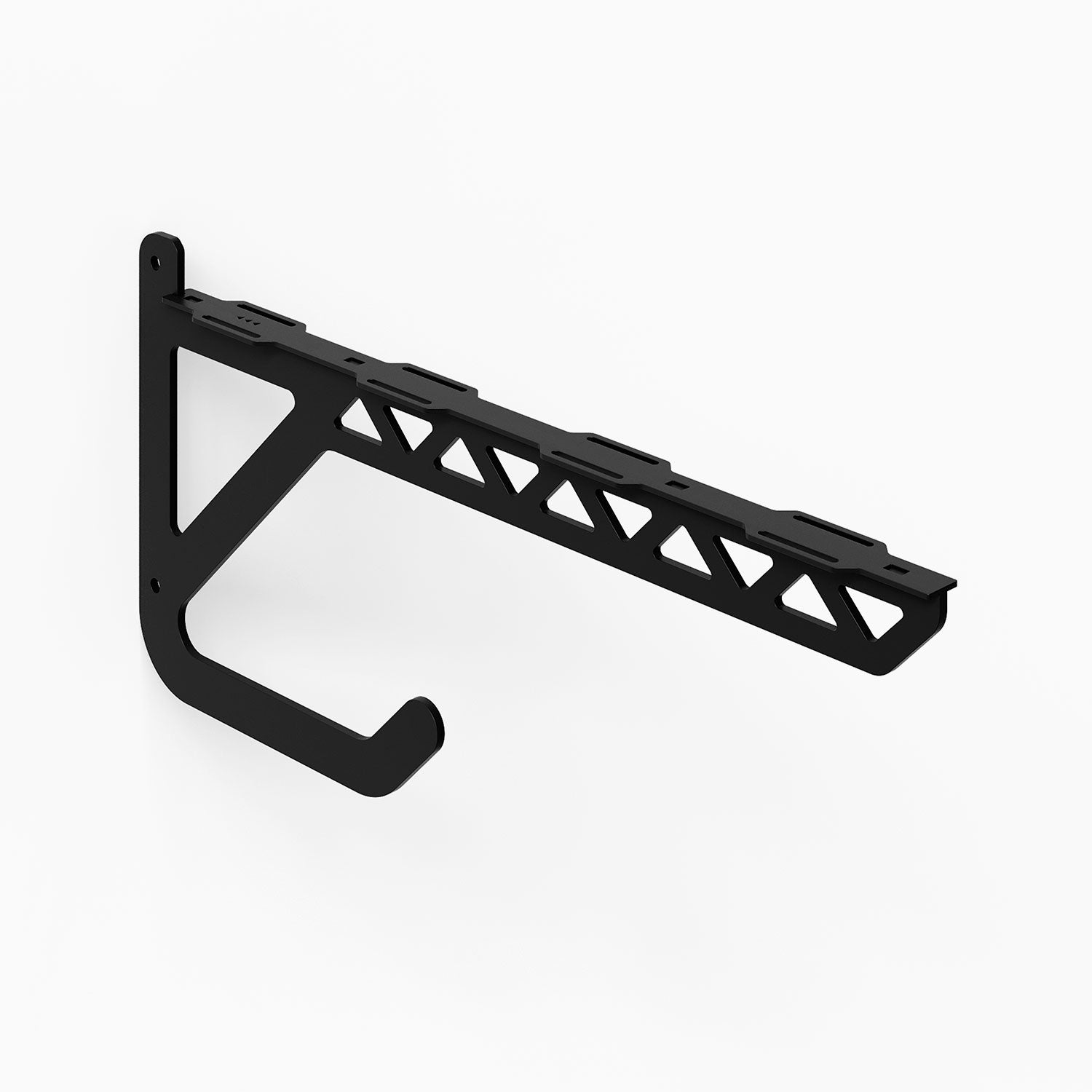
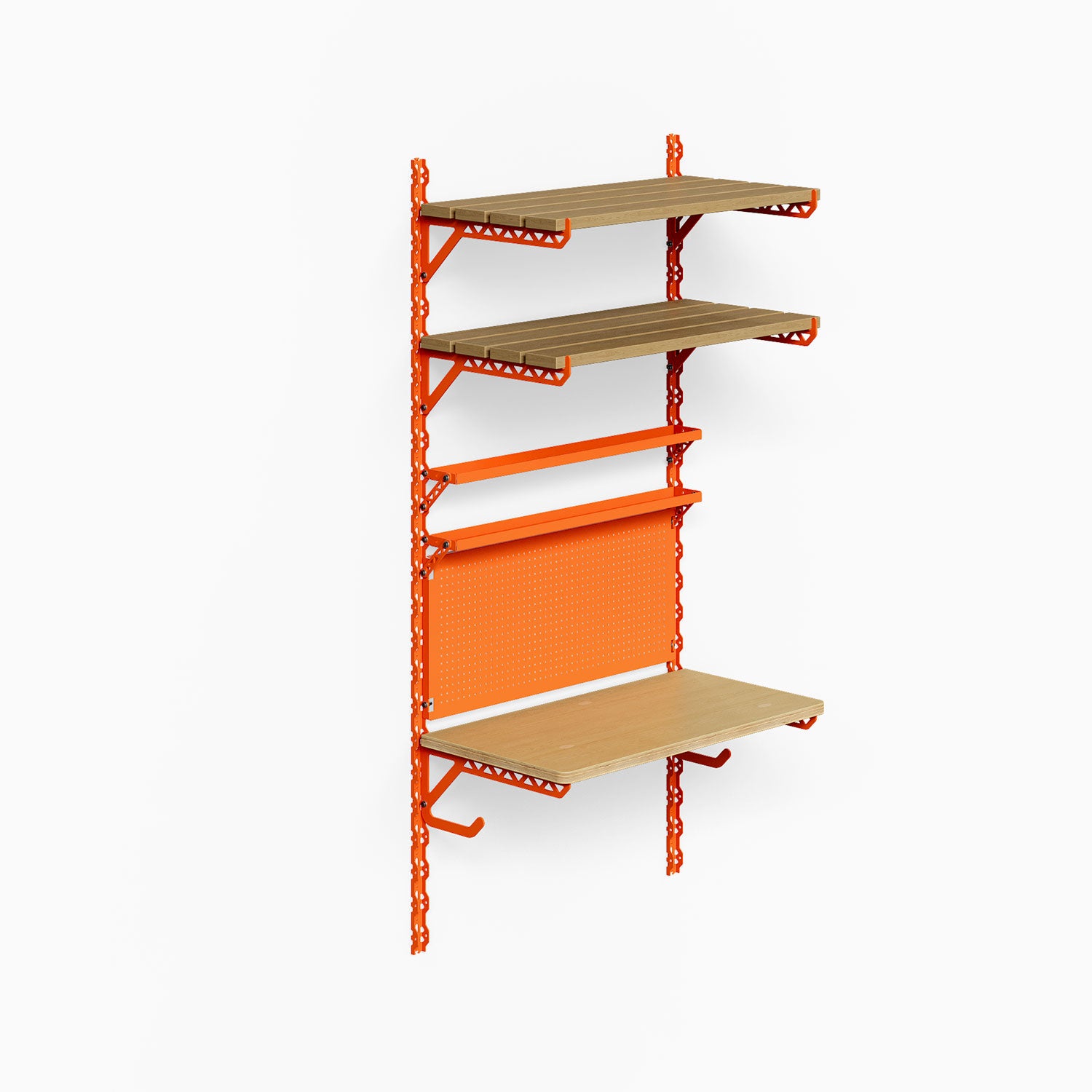
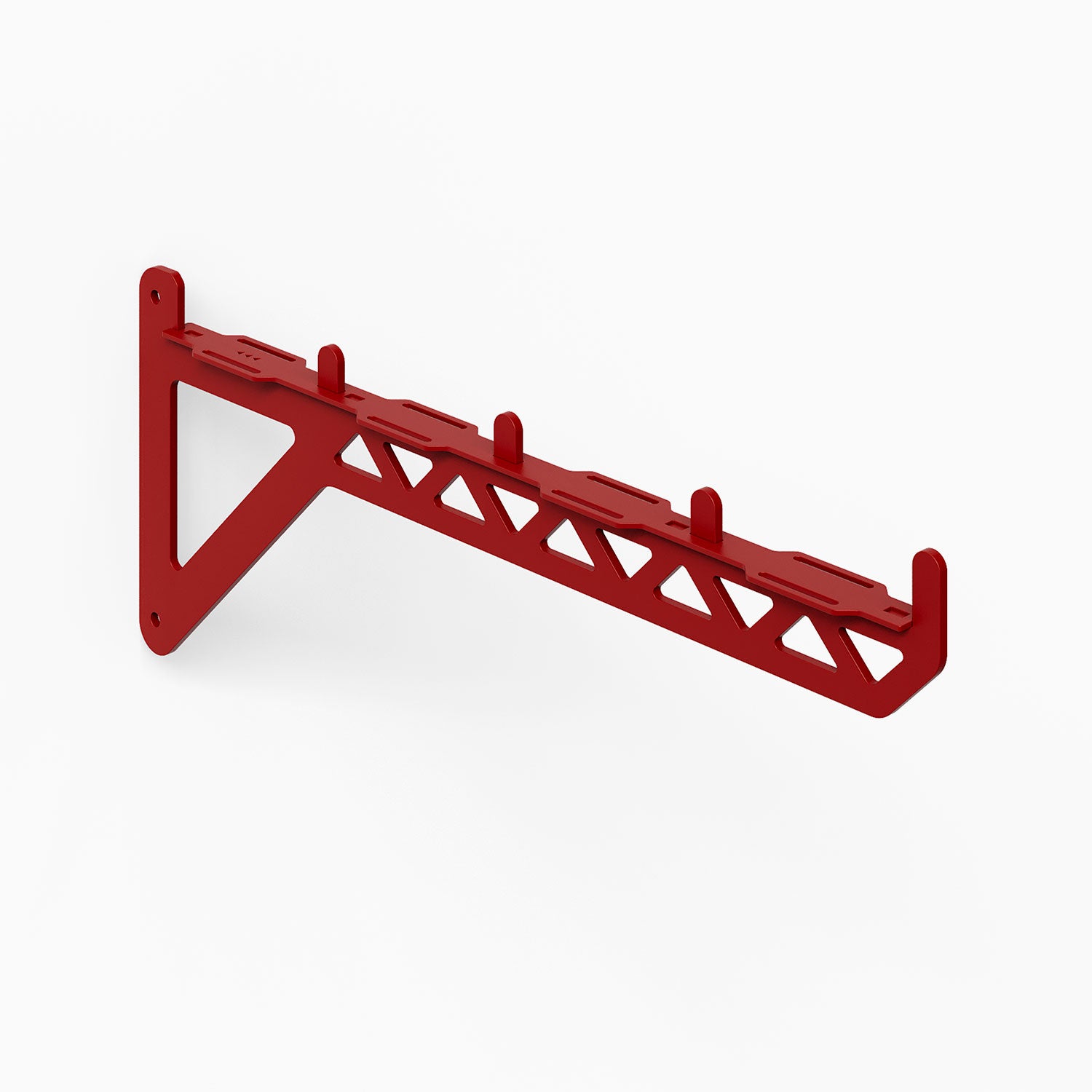
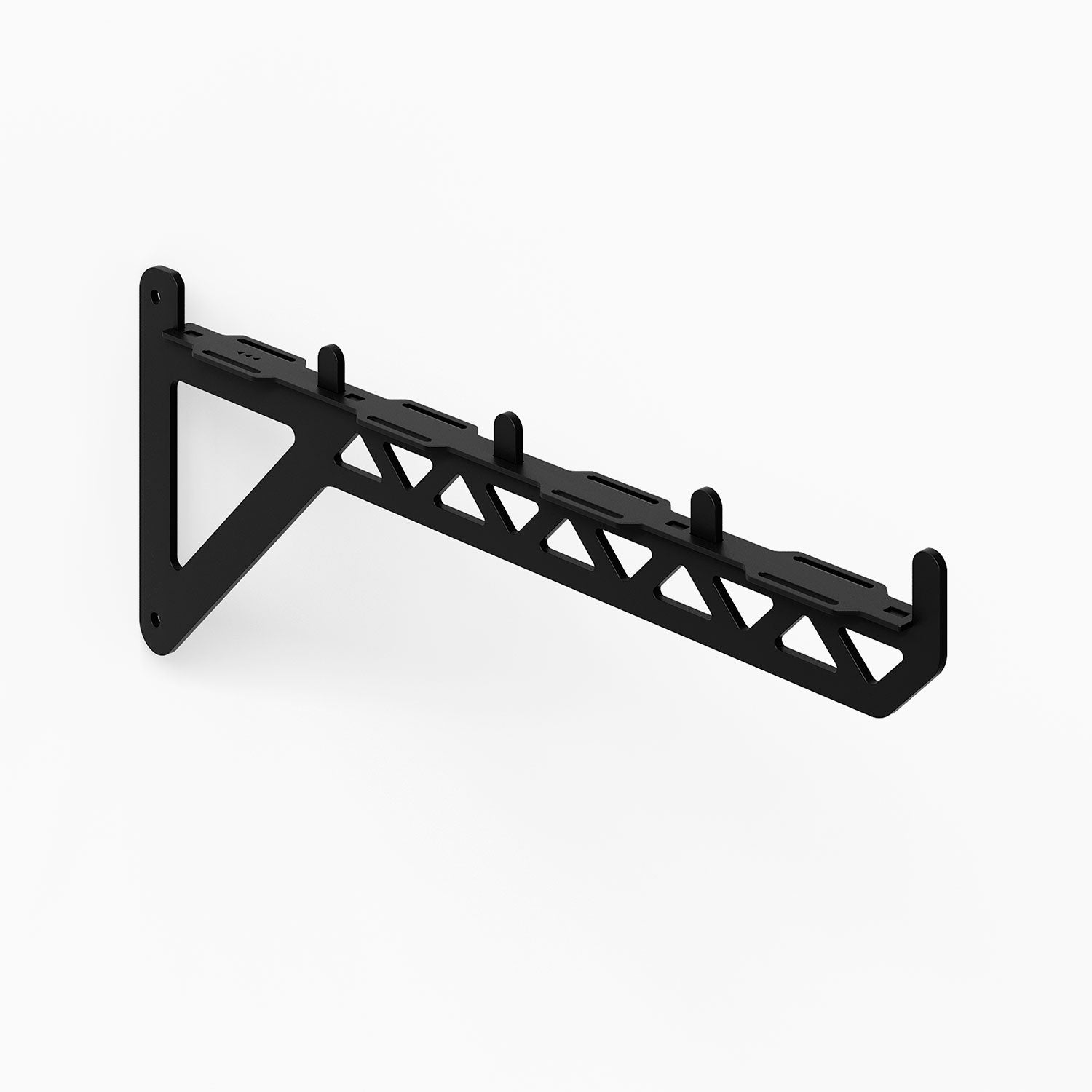
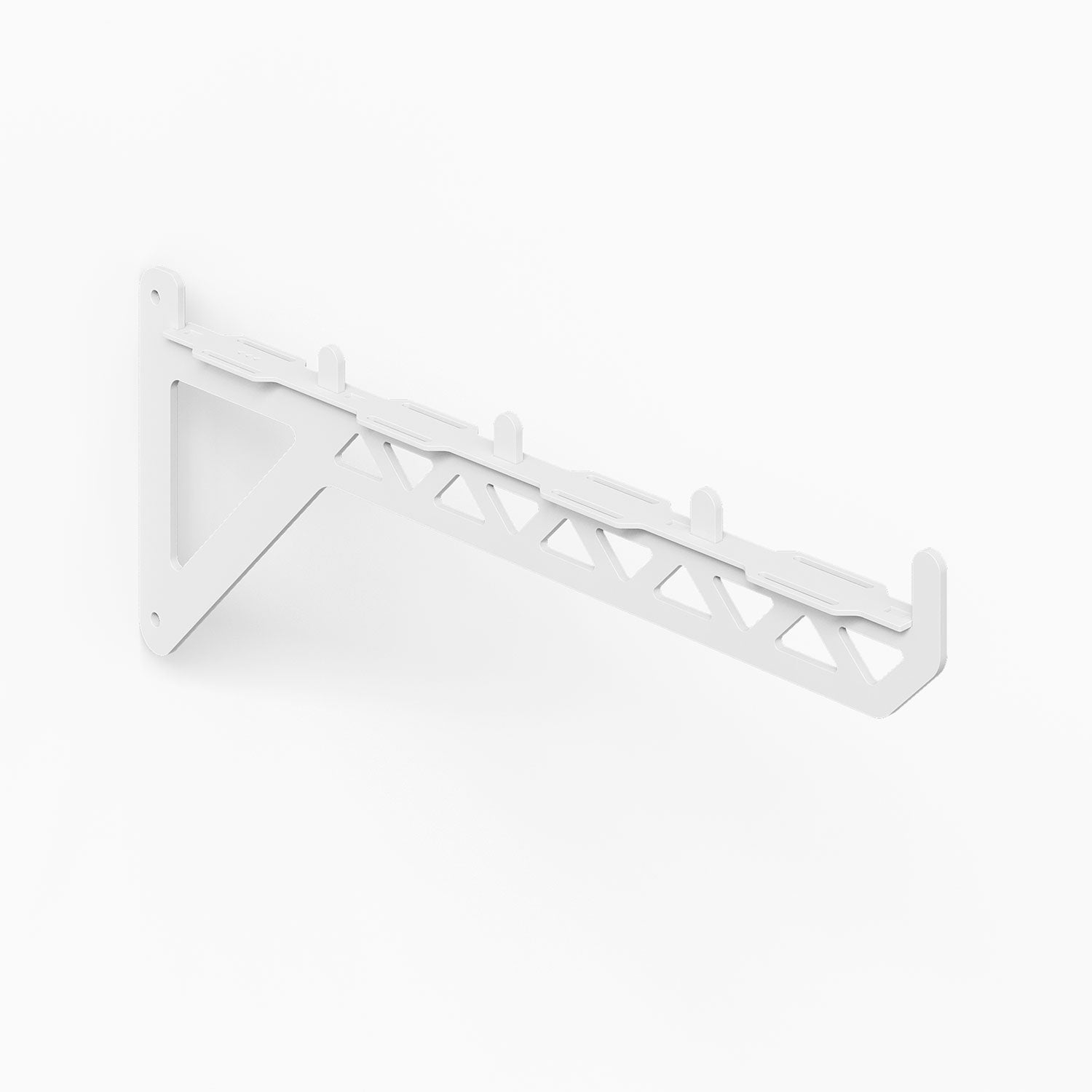
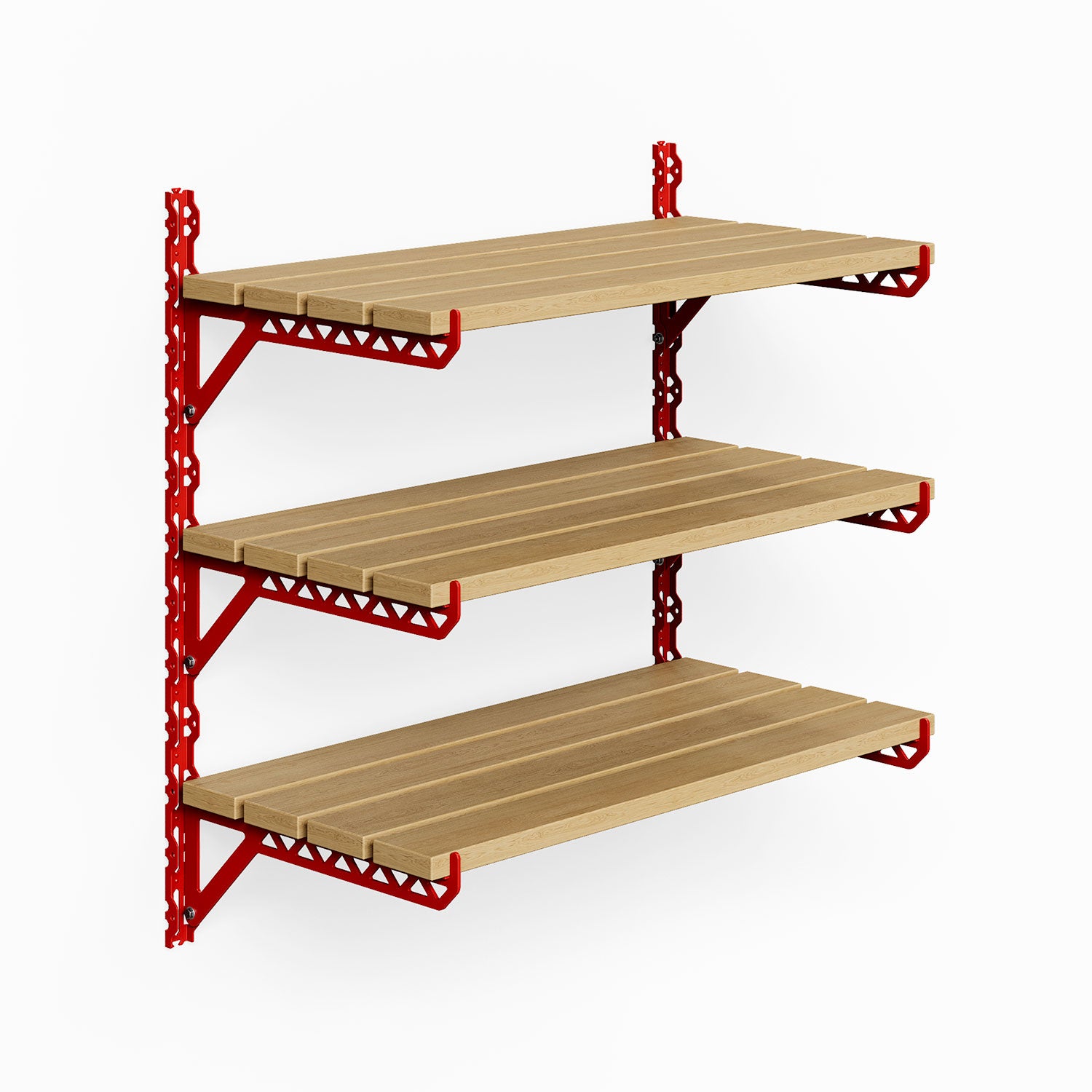
Studly Wall Storage System 2x6 Bracket
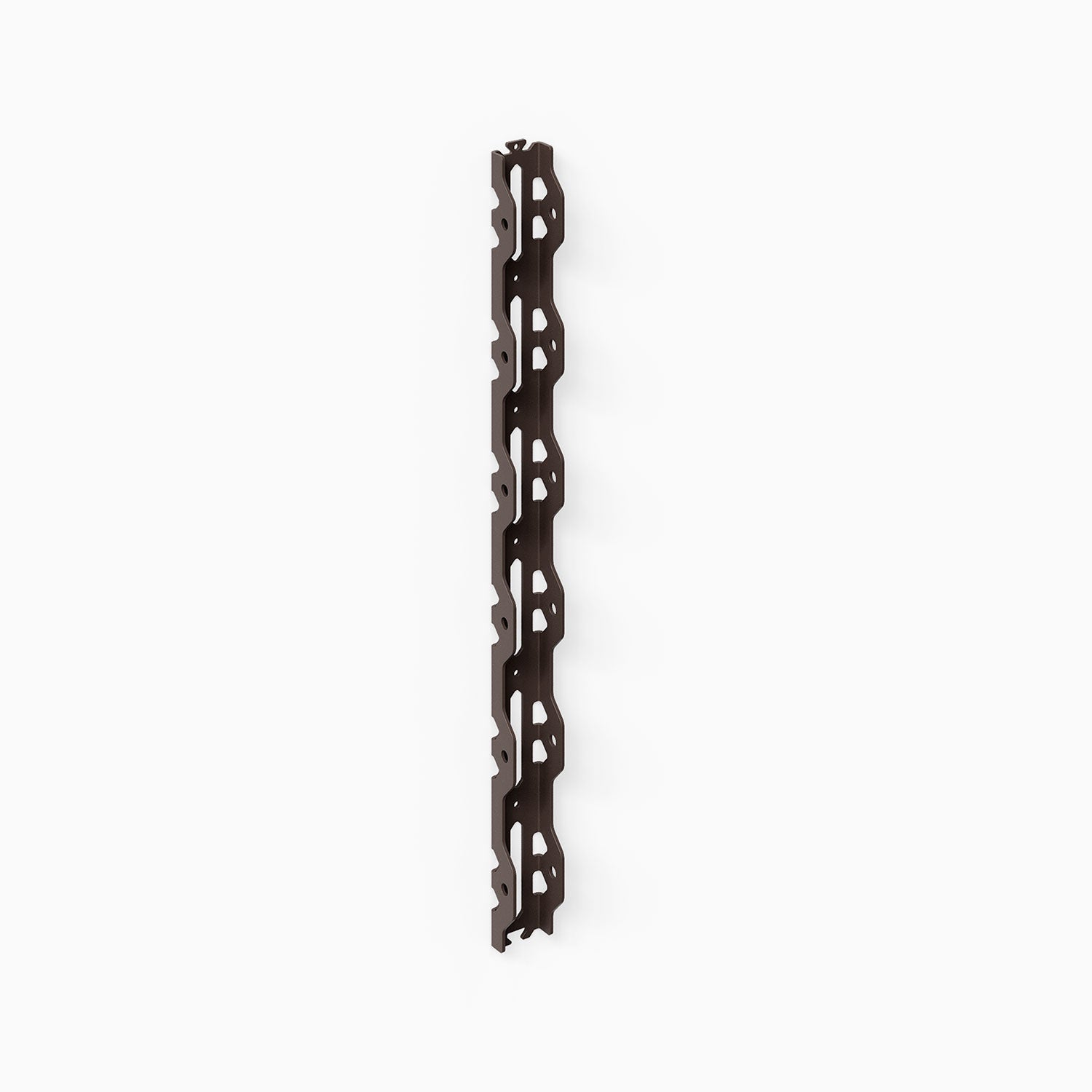
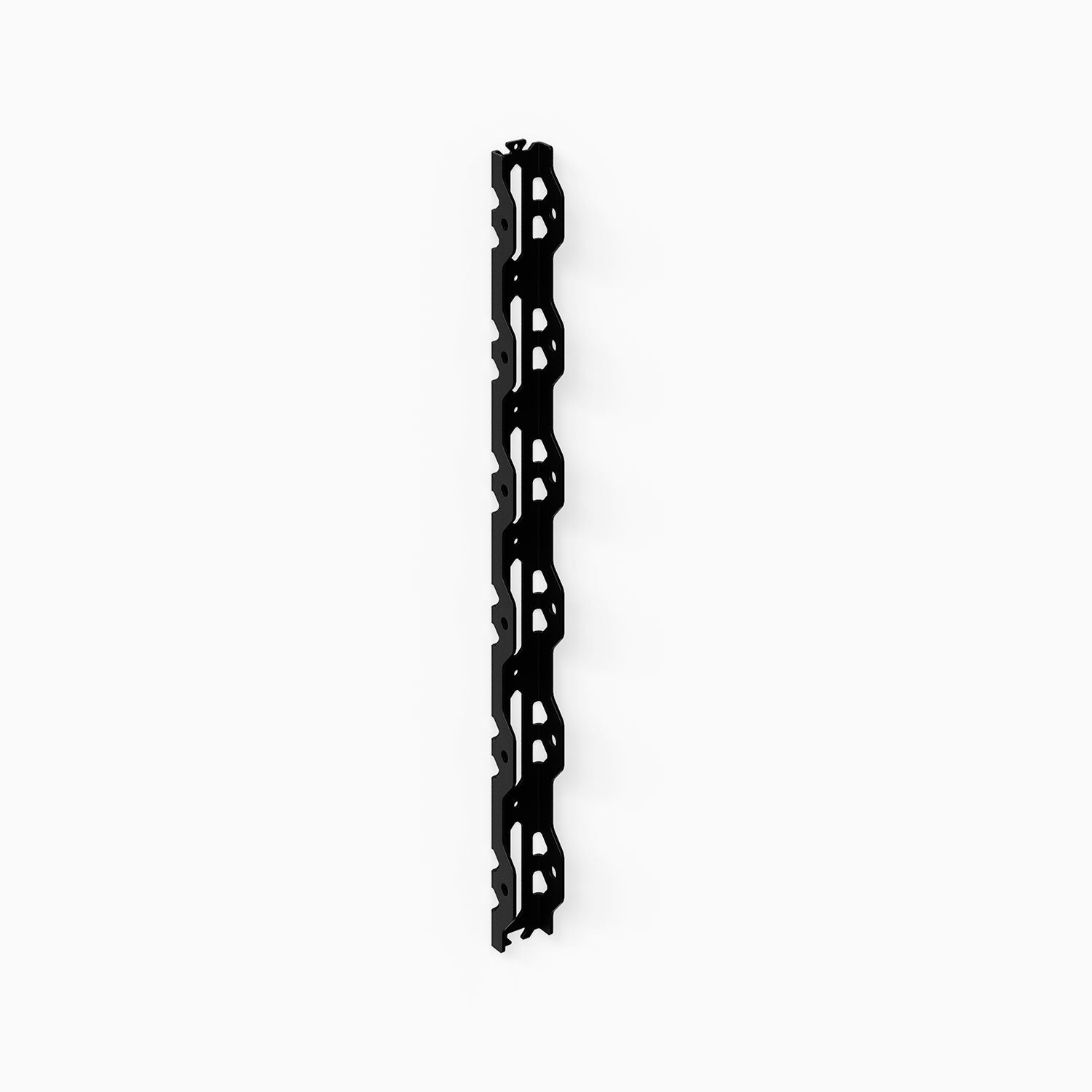
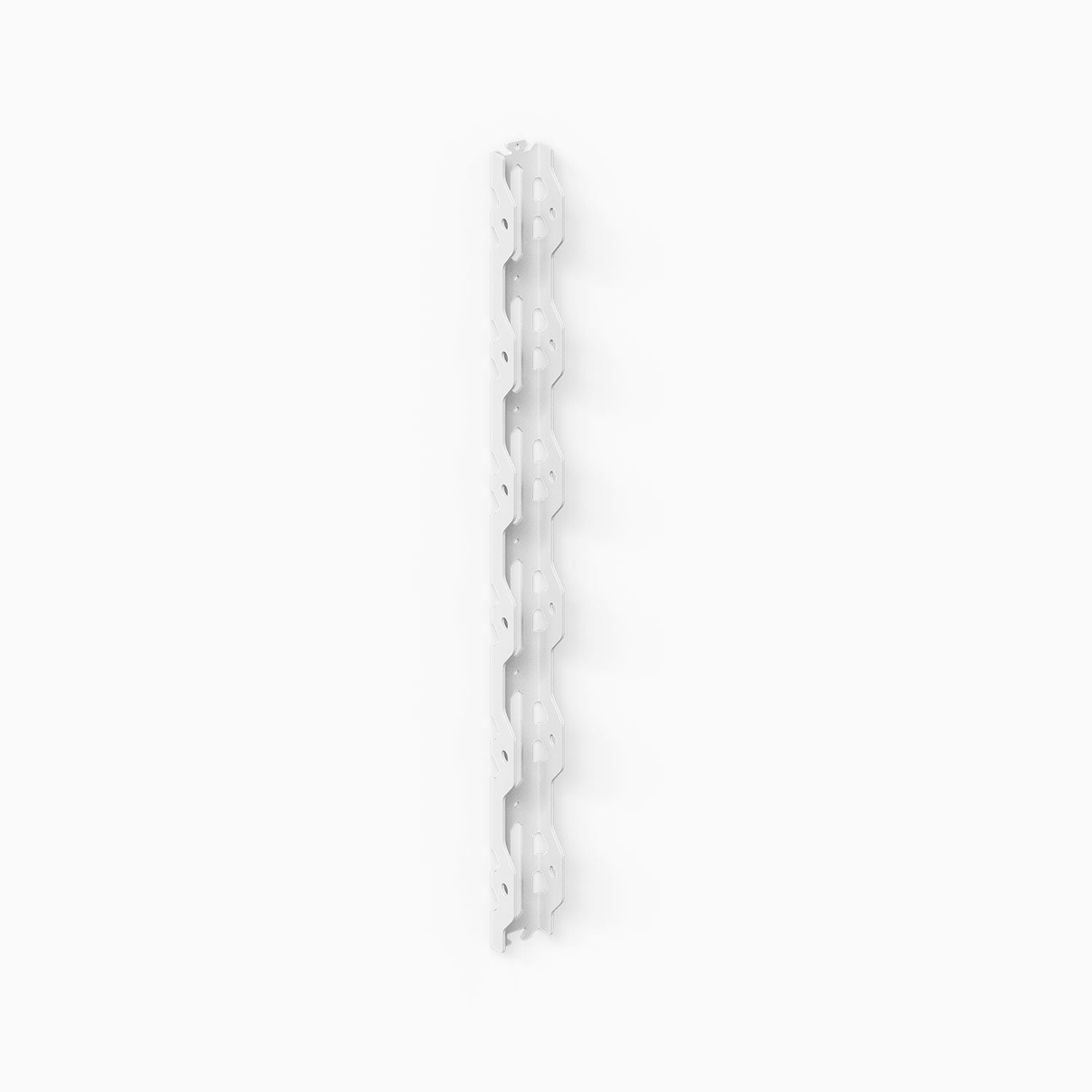
Studly Wall Storage System Vertical Rail
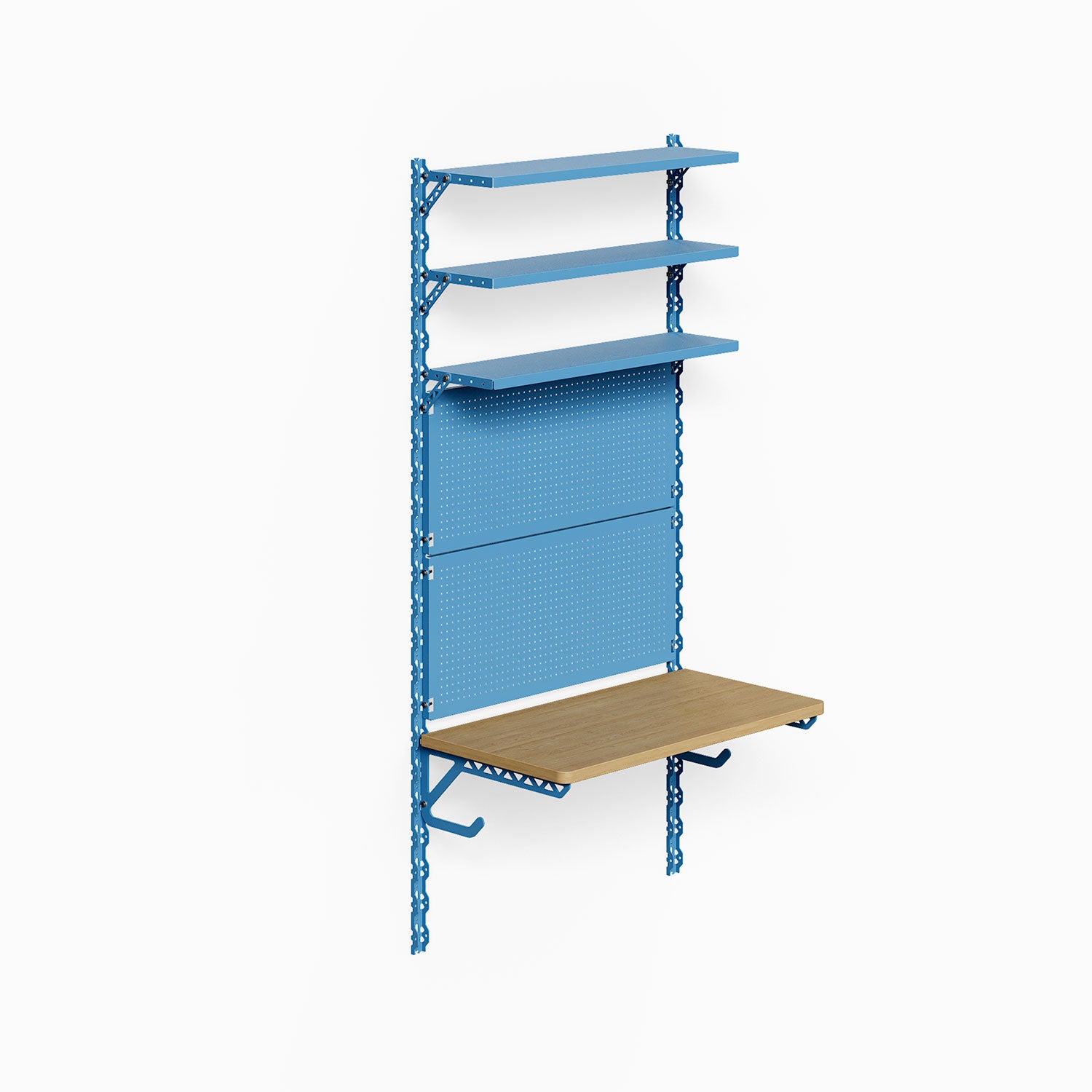
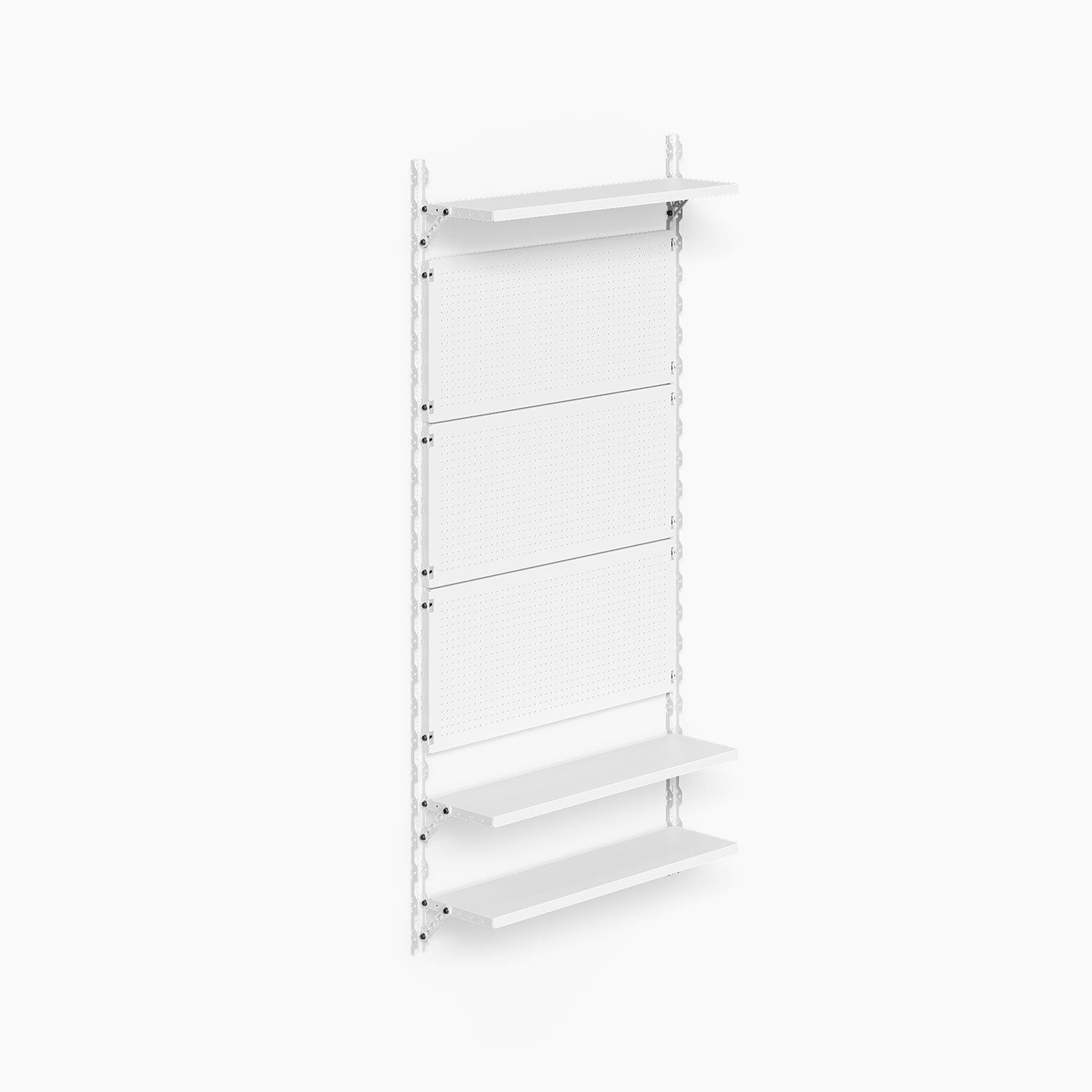
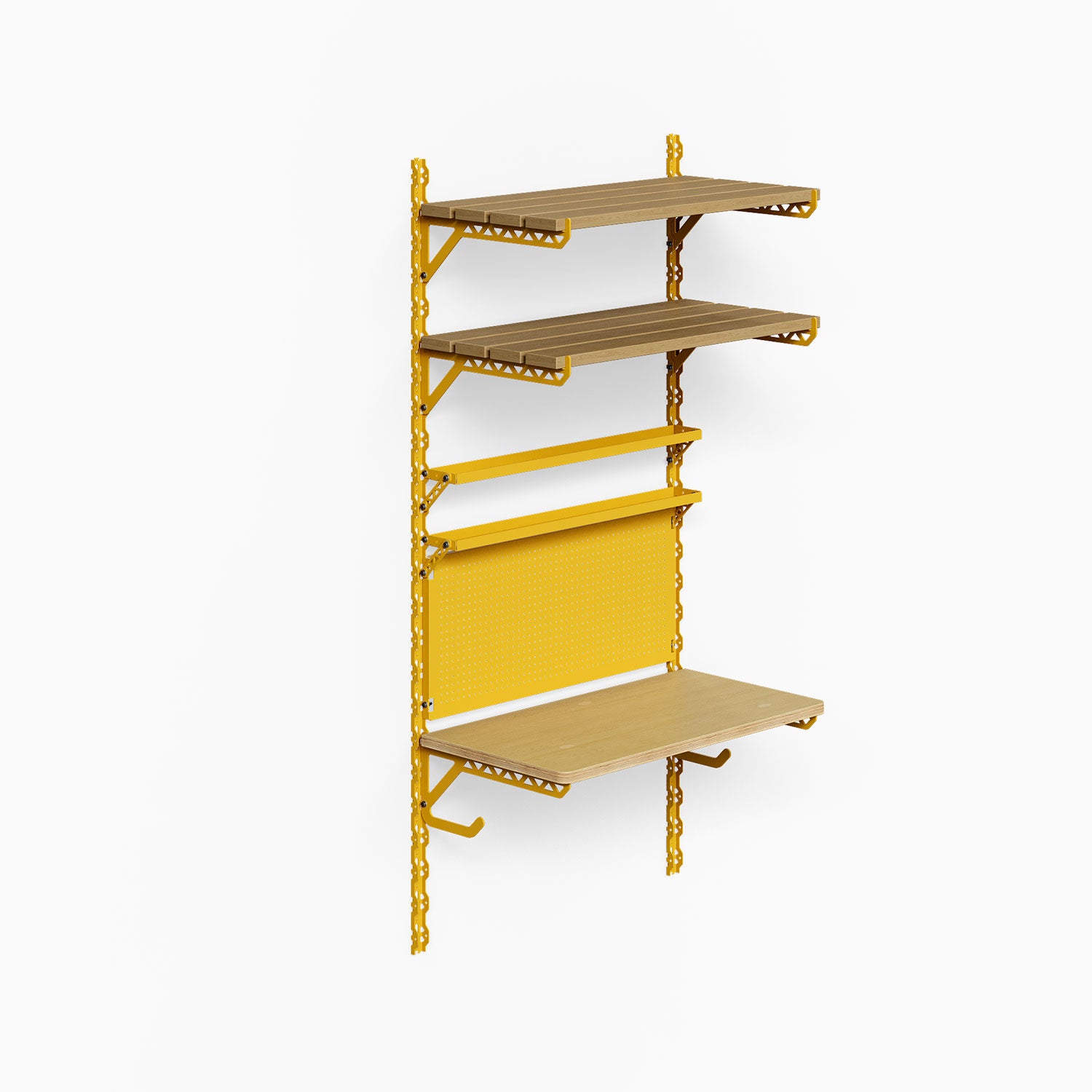
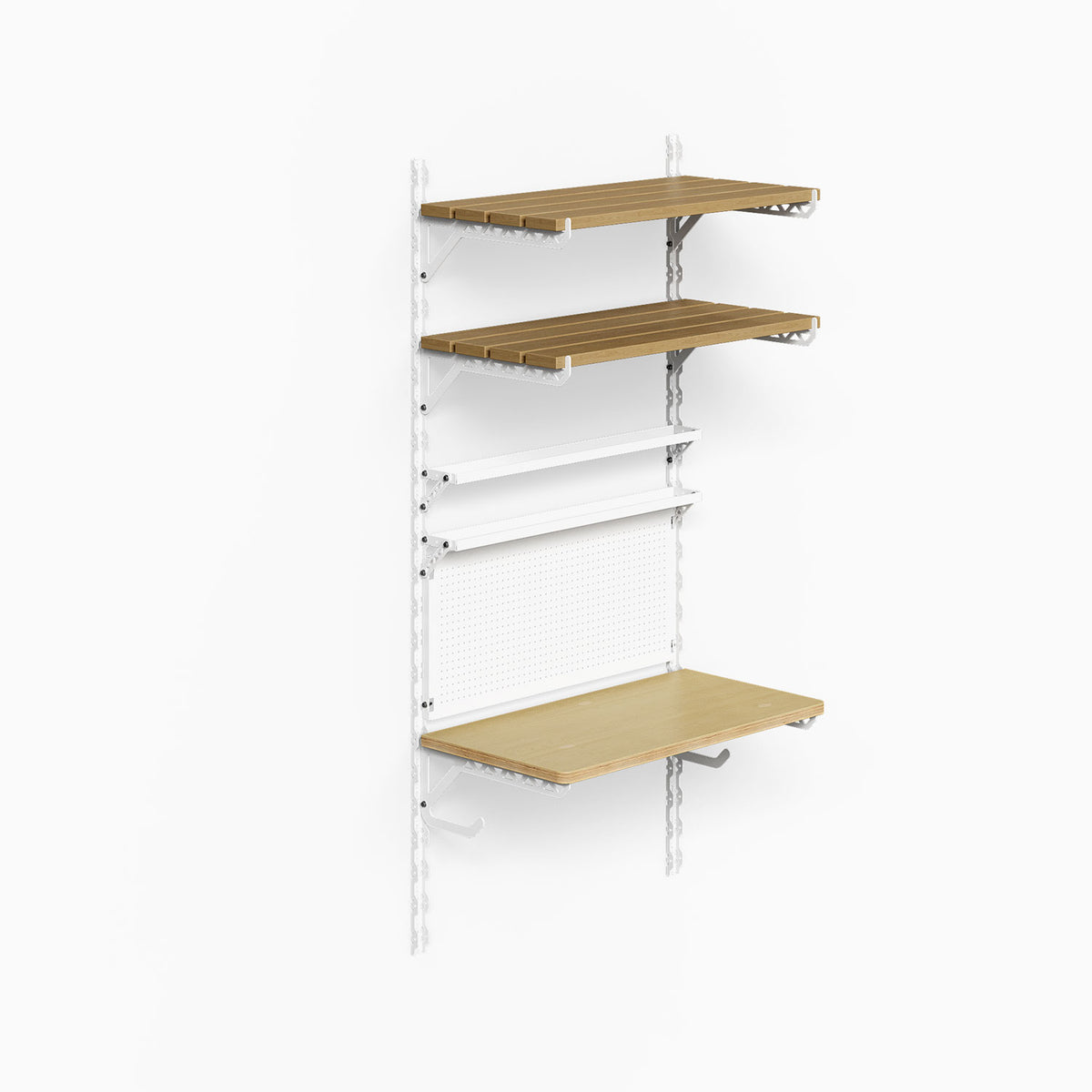
Studly Wall Storage 2x6 Shelf System (6 Shelf)
Off the Wall: Furniture by Shelfology
We know what you're thinking: we’re shelf people. For over a decade we’ve obsessed over what solid hardwood and powder-coated steel can do on a wall — how they carry weight, how they age, how they hold up to being stared at every single day. Furniture is what happened when we couldn’t keep that obsession off the floor any longer. Every piece in this collection is built from the same premium hardwoods and heavy-duty steel as our shelving — and everything we’ve learned holding hundreds of pounds off a wall informs how we build things that stand on the floor.
Today that means the hardworking furniture of a home, with more categories on the way:
Shoe storage solves the pile at the door, and the right answer depends on your floor. A wall-mounted rack keeps the floor underneath sweepable; a freestanding rack — with slots along each angled shelf so grit falls through instead of collecting — goes wherever the pile forms; a kid-height rack puts shoes within reach of the people who own them.
Nightstands and side tables are where the wood-and-steel pairing does its quietest work: a solid walnut top floating on a single steel leg, or a nightstand bent from one piece of 11-gauge steel with a half-circle cutout at the back — because chargers exist.
Desks and tables cover the workday and the homework hour: a desk that floats on a hidden wall cleat, a peninsula table built for the kid command center, and a freestanding activity table sized by the inch and built for years of projects.
This is the parent collection for everything Shelfology builds that isn’t shelving, and it will keep growing.
The Materials: Solid Hardwood, Baltic Birch Plywood, and Powder-Coated Steel
Three materials run through the collection — and zero veneer, particleboard, or MDF.
Solid Hardwood: Walnut, White Oak, Alder, and Mahogany
Walnut and white oak anchor the lineup, with alder and mahogany in the palette — the same species we mill for our shelving. Solid hardwood is the same material at the surface as at the center: scratches sand out, edges are real end grain, and refinishing is always an option. That’s the working difference from veneered construction — a thin face of real wood over a particleboard core — which can’t be sanded past its own face and can’t recover from a damaged core. It’s why we don’t build with it. The honest tradeoff with solid wood: it moves slightly with seasonal humidity. That’s the price of a material that can be repaired instead of replaced, and we consider it a fair one.
Baltic Birch Plywood: Hardwood Engineered to Stay Flat
Baltic birch is a hardwood plywood — a different material from both solid lumber and the sheets at a construction supplier. Thin plies of birch are cross-laminated so each layer’s grain runs perpendicular to the one beneath it; because wood moves across its grain, the alternating layers restrain each other and the panel stays flat in a way a solid board of the same size can’t. That’s why it builds the collection’s biggest work surfaces — tops 1.5" to 1.75" thick on the tables and desks, with rounded, family-friendly edges that stand up to years of daily use. The lamination also produces the striped, layered edge you’ll see on those pieces. We leave it exposed rather than hiding it behind edge banding, because on this construction the edge is the design signature.
Powder-Coated Steel: Strength in a Thin Profile
The steel in this collection is powder-coated: dry pigment applied electrostatically and heat-cured into a continuous finish that resists chips and scratches better than sprayed paint. Occasionally steel is the whole piece. More often it plays a structural role next to wood — a steel leg carrying a solid walnut top, angled steel shelves spanning hardwood legs, a bent-steel frame holding a hardwood shelf. That pairing is the collection’s recurring construction move, and it’s a division of labor: steel delivers strength in a thin profile, and hardwood provides the surface you actually touch and see. Six finishes run across the line — White Matte, Black Matte, Army Brat, Steely Blue, Honey Mustard, and Claymore — and if none of those is your color, we’ll match any RAL. Just call.
Furniture and Shelving, One Design Language
Furnishing a room from multiple brands means fighting small mismatches — wood tones that almost agree, blacks that read differently side by side, sheens that don’t quite line up. Shelfology designs everything in one design language: the same hardwood species, the same six-color powder coat palette, the same instinct for thin steel carrying warm wood. The walnut in a side table is the walnut in a floating shelf, and Army Brat on a shoe rack is Army Brat on a shelving run — the same powder coat, not a close match.
That works in both directions. If Shelfology shelving is already on your walls, furniture in the same species and finish extends the language to the floor. And if a desk or a shoe rack is your first Shelfology piece, everything you add later will match what you started with. Nothing here requires a matching commitment; it just makes one possible.
Custom Sizing and Trade Orders
Nothing in this collection sits in a warehouse. Every piece is built when you order it, one at a time, in our shop in middle-of-nowhere Idaho — good stuff takes time. That’s also why sizing runs deeper here than a small-medium-large dropdown: the Arlo desk comes in lengths by the inch up to 96", the Marty table sizes by the inch in both width and length, and leg heights adjust across the line. Need something beyond the menus? Go Custom — the same engineered-customization program our shelving runs on.
For architects, designers, and hospitality teams, that adds up to a collection built to be specced: exact dimensions, six consistent finishes or any RAL, one material palette across furniture and shelving, all made in the USA. Whether the project is a single study or two hundred guest rooms, Army Brat stays Army Brat. Project-scale orders run through the Trade Program.
Shelfology Furniture FAQs
What furniture does Shelfology make?
Shoe racks, freestanding, wall-mounted, and kid-height, nightstands, side tables, activity and peninsula tables, and desks — all built to order from solid hardwood, Baltic birch plywood, and powder-coated steel, in the same design language as Shelfology shelving. The collection is growing, and new categories land here as they launch.
What materials is Shelfology furniture made from?
Solid hardwood, walnut and white oak, with alder and mahogany in the palette, Baltic birch plywood, and powder-coated steel. Most pieces pair wood and steel — a walnut top on a steel leg, a hardwood shelf in a bent-steel frame. No veneer, no particleboard, no MDF, anywhere in the line.
What’s the difference between solid wood and veneer furniture?
Solid wood is the same board all the way through. Veneer is a thin face of real wood glued over a particleboard or MDF core. They can look alike on delivery day — then life happens. Veneer can’t be sanded past its own thin face, a chipped corner exposes the core, and a swollen substrate is permanent. Solid hardwood shrugs those moments off: sand it, refinish it, keep it. Shelfology doesn’t use veneer, particleboard, or MDF — every piece here is solid hardwood, Baltic birch plywood, or steel.
Is Baltic birch solid wood?
Not technically — and it’s not trying to be. Baltic birch is a hardwood plywood: real birch hardwood through its entire thickness, cross-laminated into a panel that outworks a solid board in the places we use it. Our birch tops run 1.5" to 1.75" thick, stay flat across desk-sized spans where solid lumber would cup, resist splitting and warping, and wear their striped, layered edge as a signature instead of a secret. Choosing it isn’t settling — it’s picking the right hardwood construction for a big, hardworking surface.
Does plywood make good furniture?
Yes — if it’s the right plywood, and the right plywood is the only kind we use. The materials behind flat-pack furniture’s reputation — particleboard, MDF, and low-grade construction sheets — are a different animal entirely: soft cores, voids, and faces that fail at the edges. Baltic birch plywood is hardwood through its full thickness, which is why it holds fasteners firmly, keeps a clean exposed edge, and stays flat across spans where solid boards would cup or twist. It’s been a cabinetmaker’s favorite for generations, and it’s what our tables and desks are built from.
Should I choose Baltic birch, walnut, or white oak?
It’s a design choice, not a quality ranking — our tables and desks come in all three. Walnut gives you continuous dark grain and a surface that can be refinished for decades. White oak does the same in a lighter, dustier tone. Baltic birch gives you a pale, uniform face, a striped layered edge, and the best dimensional stability across a big flat top. Order swatches if you’re torn — made-to-order pieces are worth a confident color call.
Should I get a wall-mounted or freestanding shoe rack?
Wall-mounted wins if you want the floor clear: the Chuck It Up hangs entirely off the ground — nothing to move when you sweep — and ships with anchors for drywall or masonry. Freestanding wins on flexibility: the Kicker needs no installation and relocates the day the shoe pile migrates, and the kid-height Kiddie Kicks works the same way at kid scale.
Is Shelfology furniture wall-mounted or freestanding?
Both, by design. The Kicker, Kiddie Kicks, Tuck In, Linger, Baxter, and Marty all stand on their own legs. Three pieces use the wall: the Chuck It Up shoe rack hangs entirely wall-mounted, while the Moxie Peninsula and the Arlo desk float on a hidden wall cleat with adjustable legs for support — anchors for drywall or masonry included. Each product page states its mounting up front.
Does Shelfology furniture match Shelfology shelving finishes?
Yes — exactly. Furniture and shelving are designed, manufactured, and finished as one system, so the six powder coat colors and the hardwood species carry across both. A Steely Blue shoe rack under a Steely Blue shelf is the same Steely Blue.
Can I order custom furniture sizes?
Yes. Several pieces are already sized by the inch straight from the product page — the Arlo desk up to 96" long, the Marty table in both width and length — with adjustable leg heights across the line. For anything beyond the menus, Go Custom handles engineered customizations, and any RAL color is available by request.
Does Shelfology work with designers, architects, and bulk orders?
Yes. The Trade Program serves designers, architects, builders, and hospitality buyers — with the advantage that furniture and shelving spec from one material palette, so finishes stay consistent across a room, a house, or an entire property. Custom sizing extends to project-scale orders.
How long does solid wood furniture last?
Decades at minimum — generations with basic care. Well-built solid hardwood furniture routinely reaches 50 to 100+ years, because the material renews: scratches sand out, finishes reapply, and a good piece gets restored rather than replaced. Particleboard furniture, by comparison, typically lasts 3 to 15 years and can’t be repaired once its core is damaged. That gap is the practical argument for solid wood.
Is Shelfology furniture made in the USA?
Yes — every piece, made to order in our Idaho shop. Or as the product pages put it: Made in the U.S. of Awesome.