


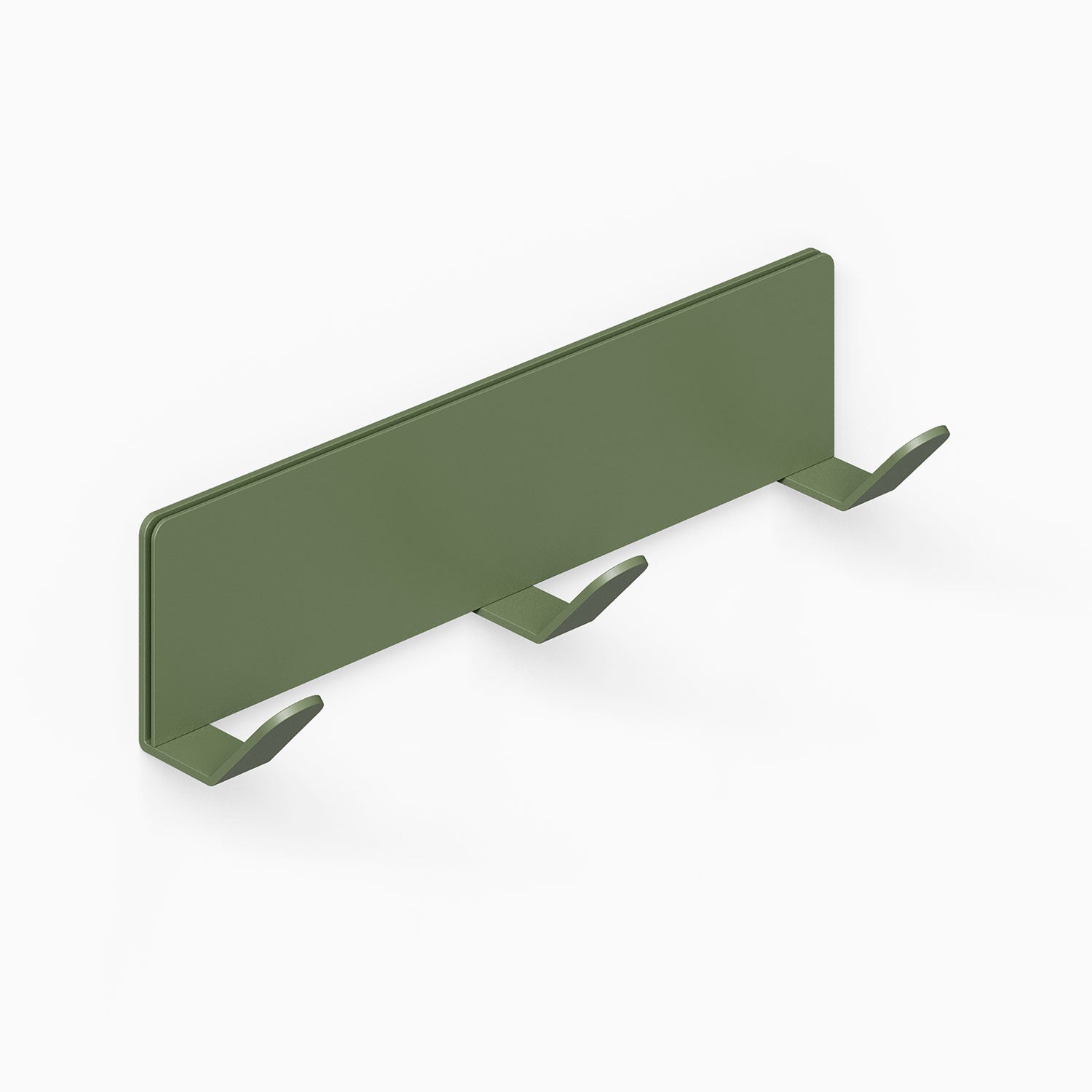
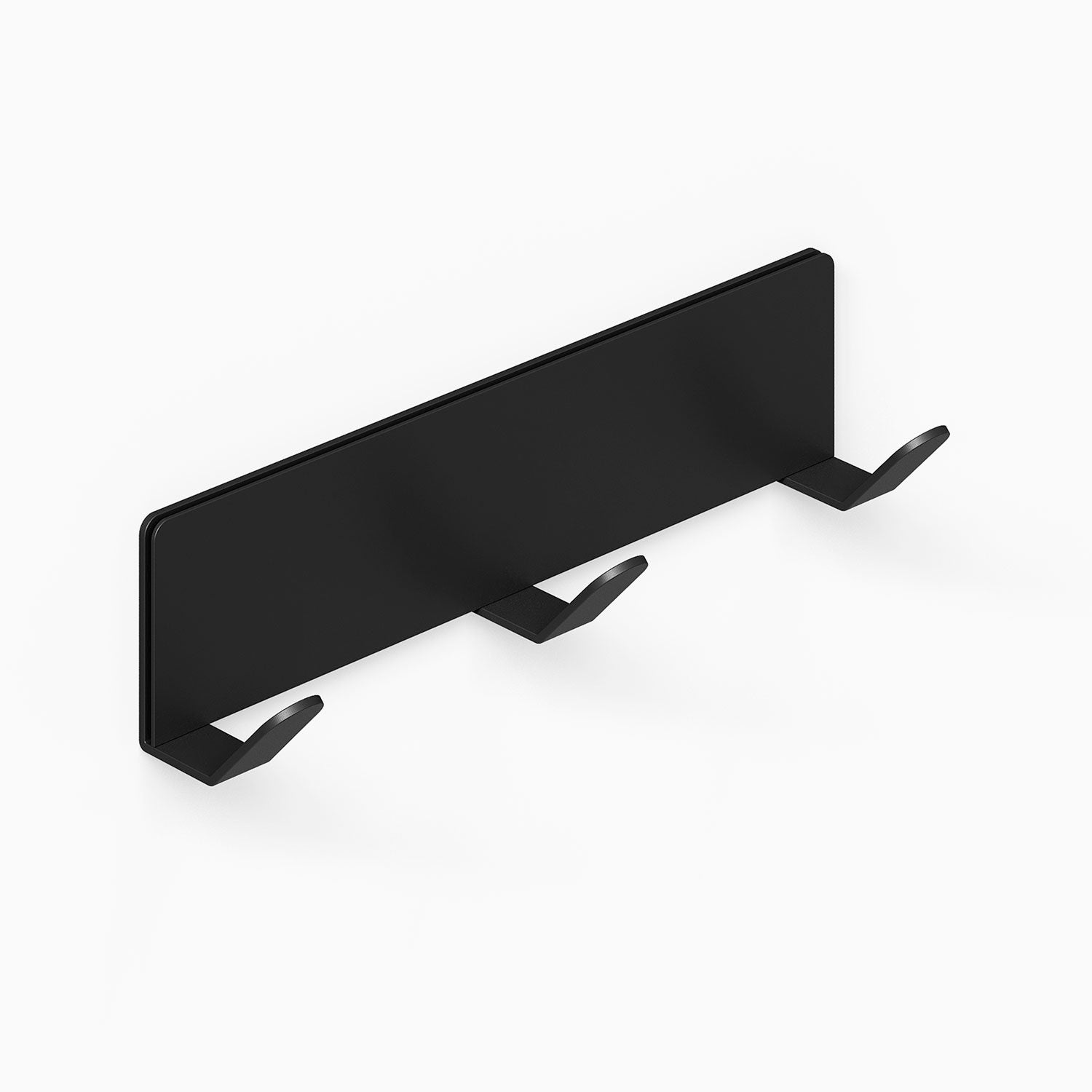
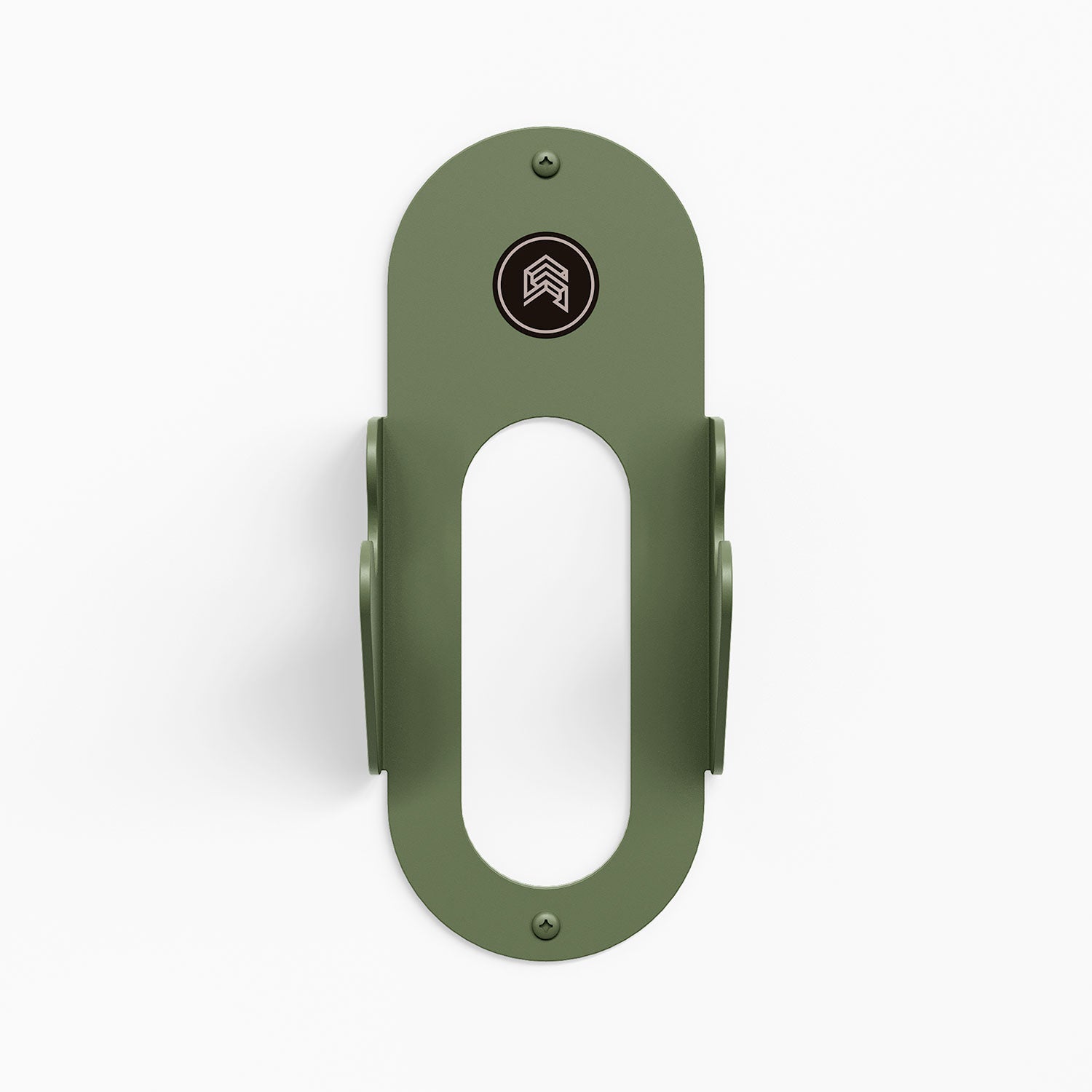
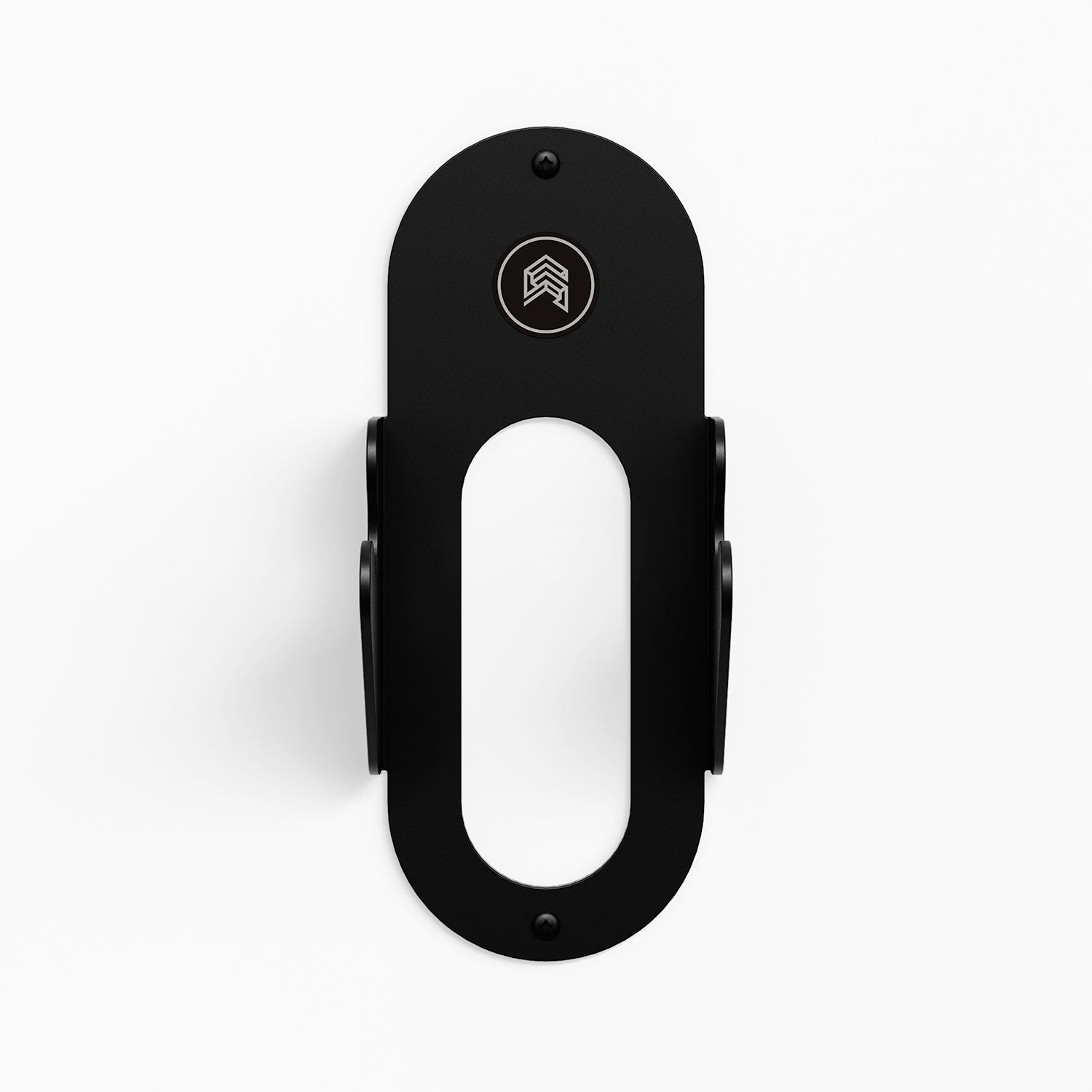
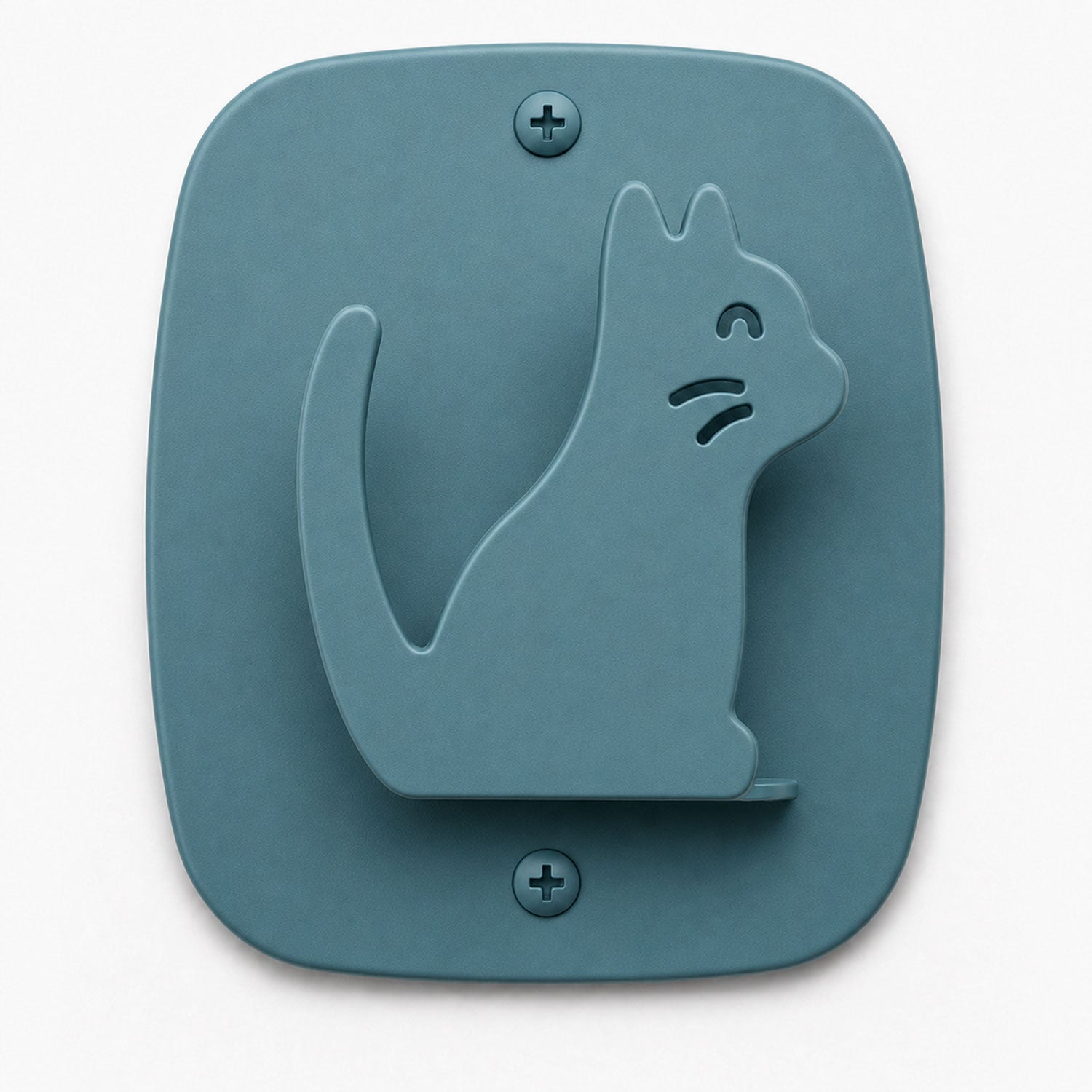
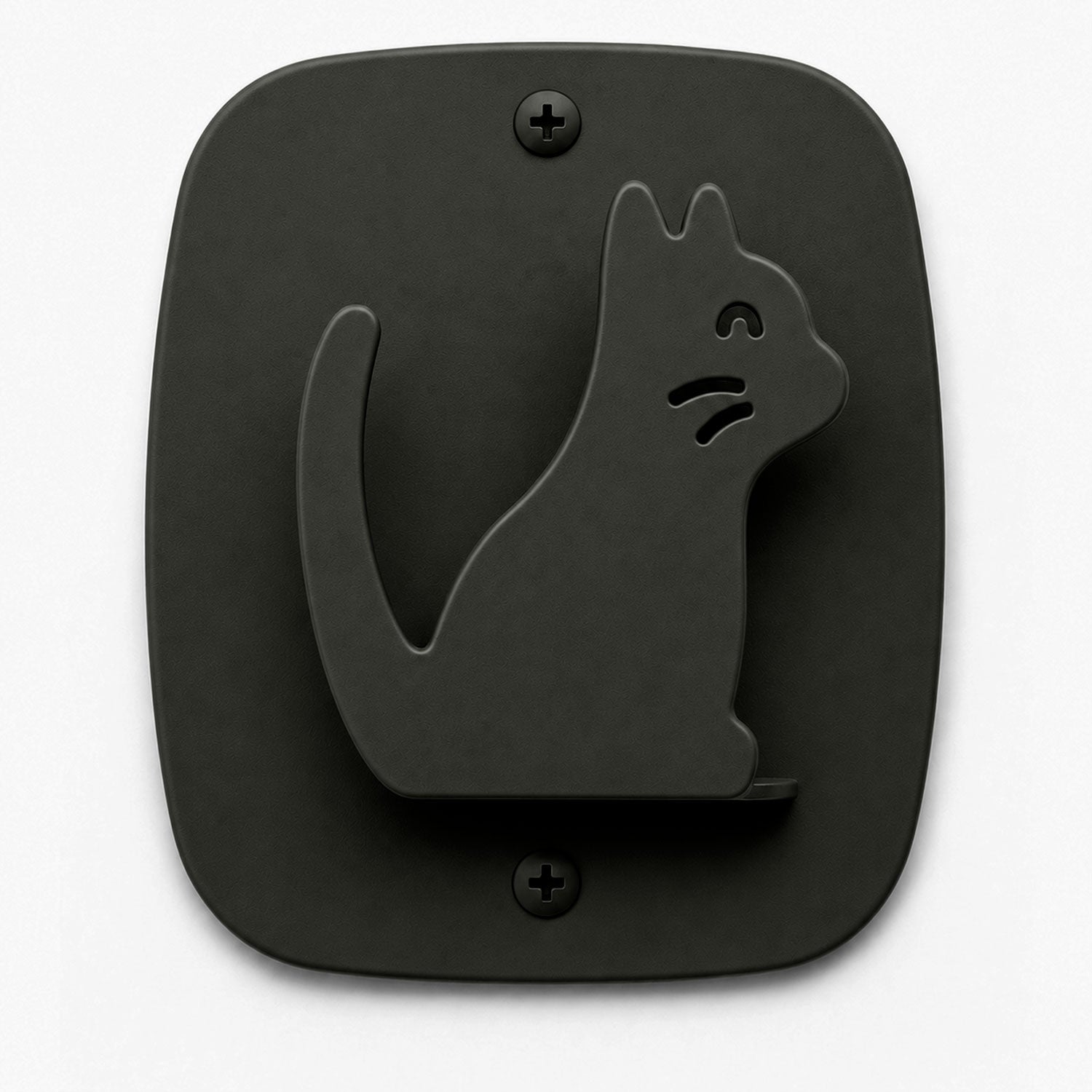
Modern + Heavy-Duty Wall Hooks & Hangers by Shelfology
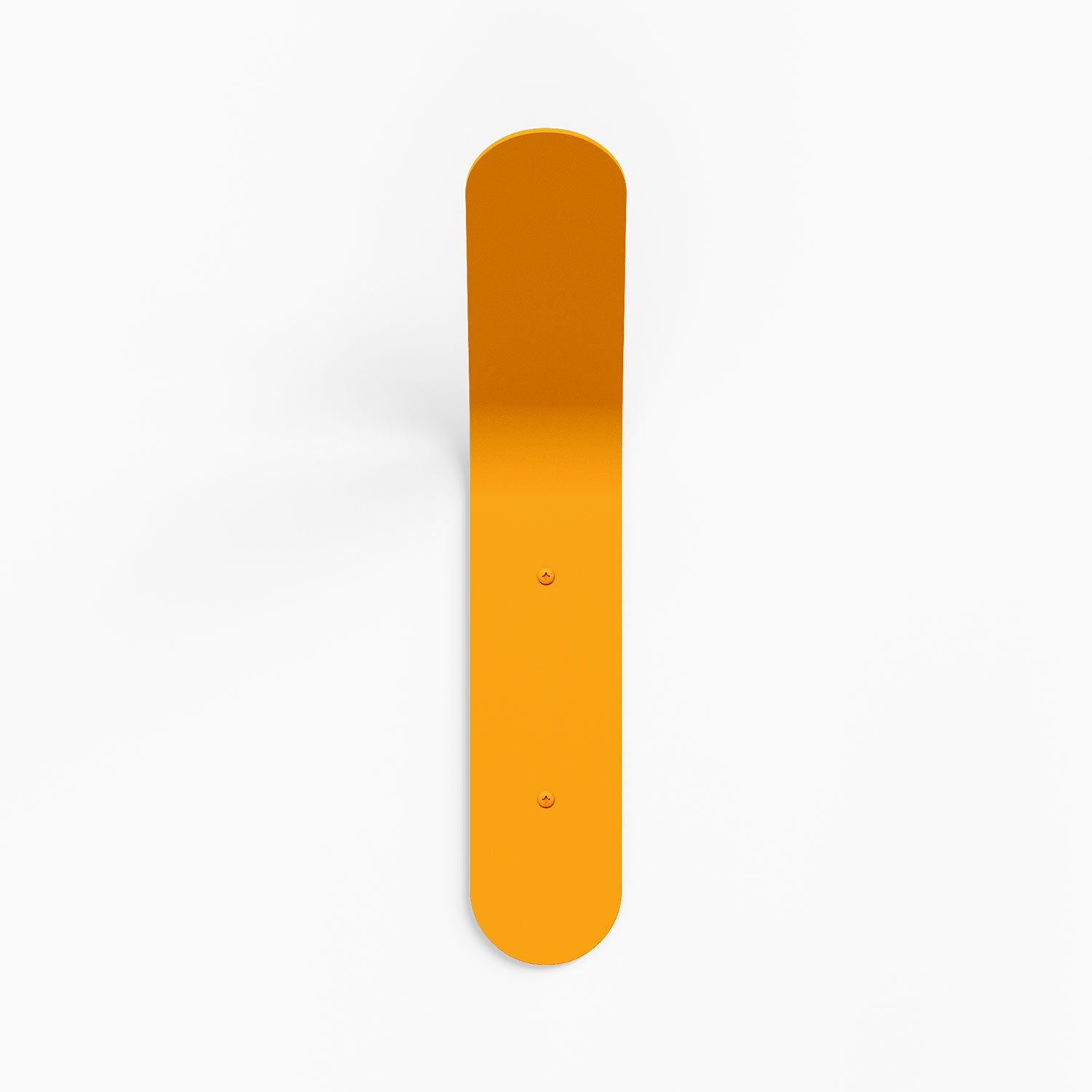
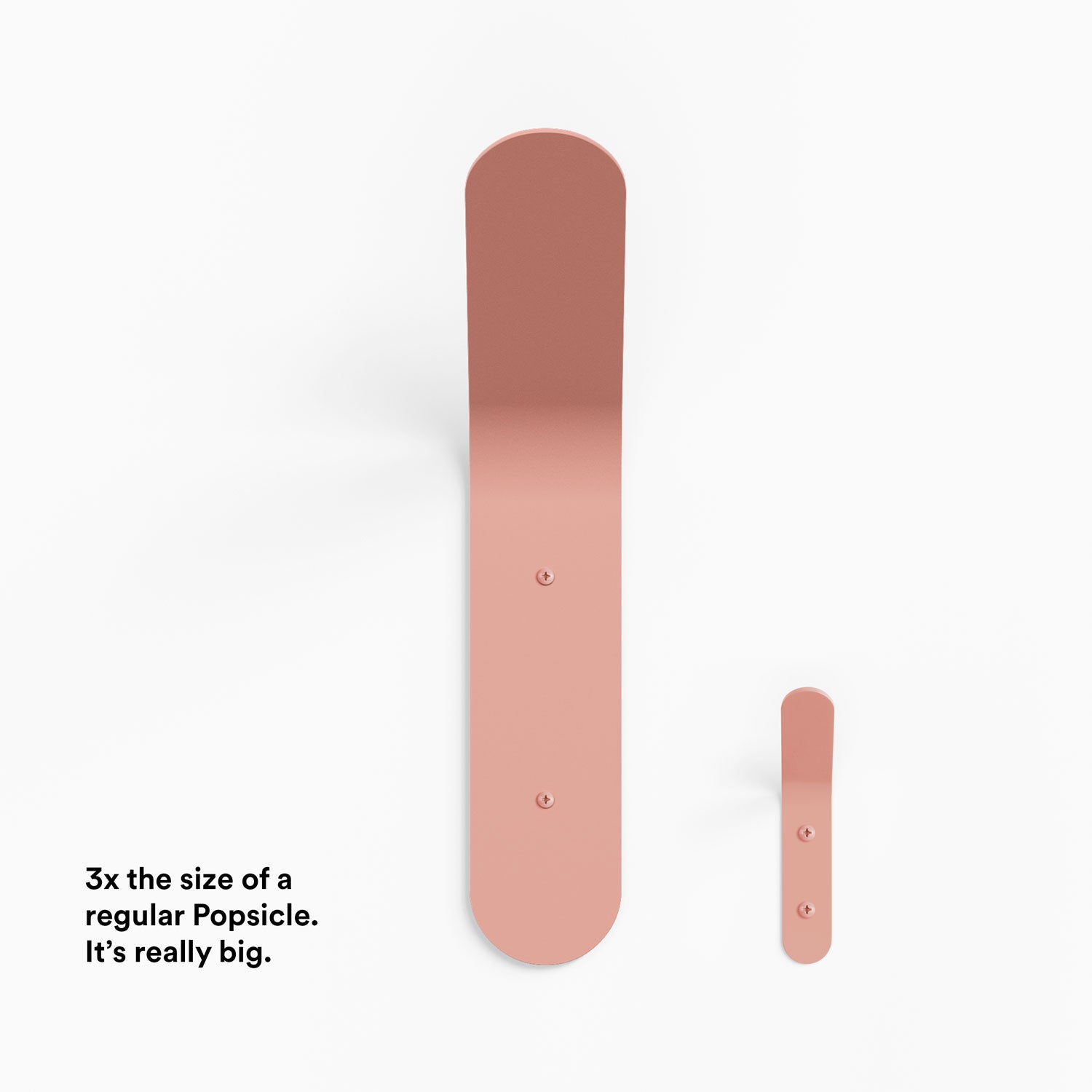
A great wall hook does more than hold a coat — it holds up. Ours are solid steel, rated up to 150 lbs, in single hooks, double hooks, and hooked shelves, finished in more than 30 powder-coat colors. Mix a few across an entryway or keep the whole wall matched — either way, it's built for daily use, not just a good first impression.
A Wall Hook for Every Job
We build several hook styles because "wall hook" covers a lot of different jobs.
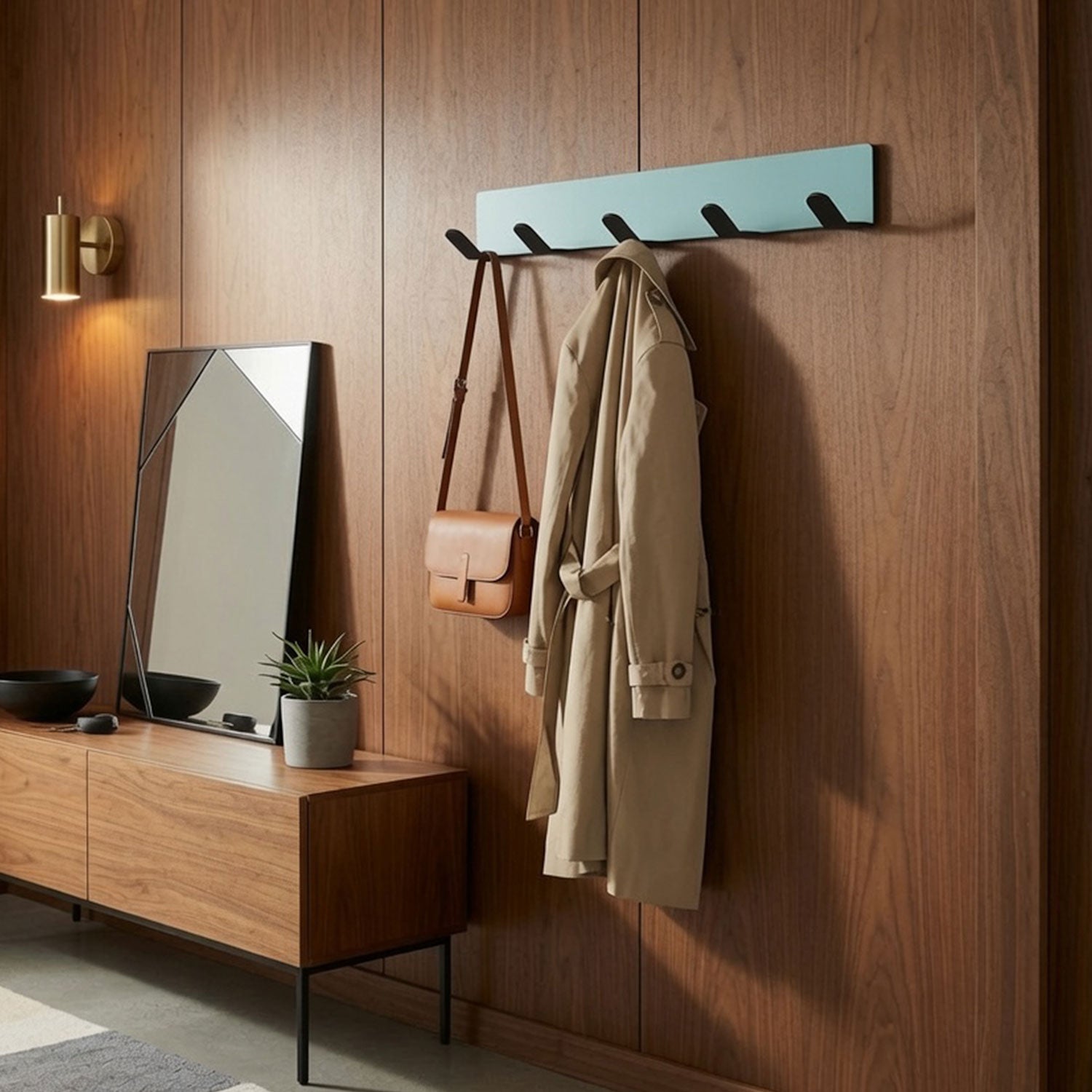
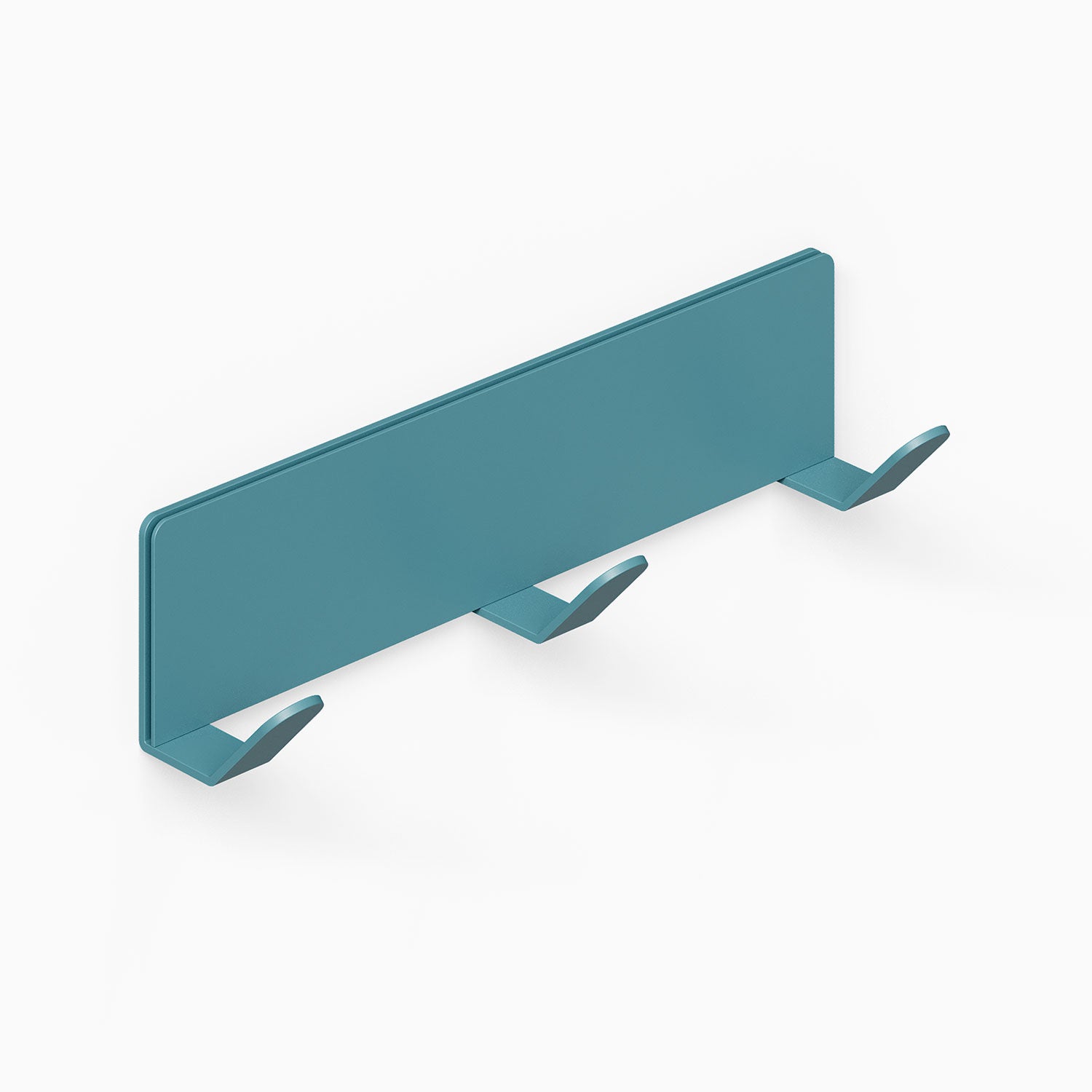
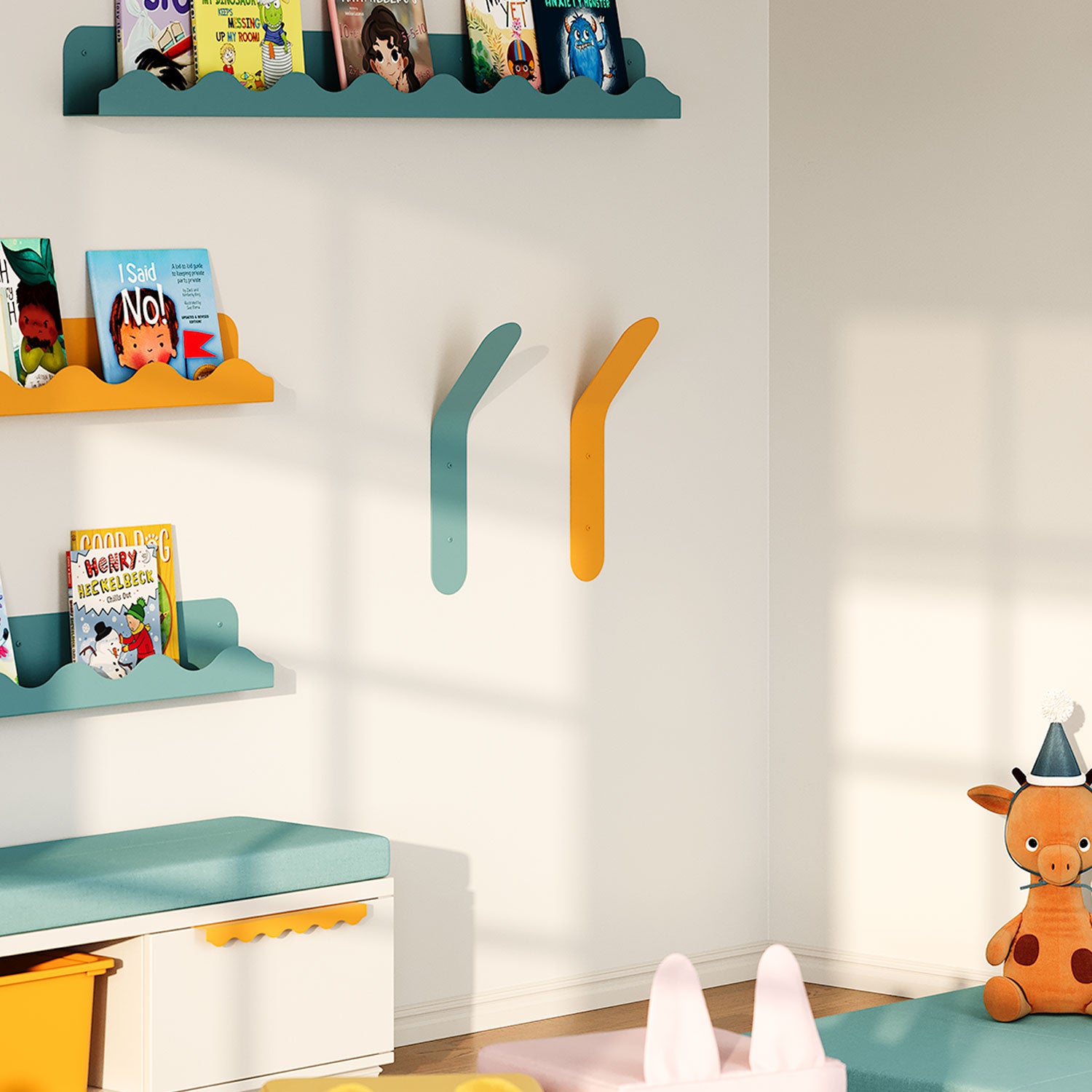
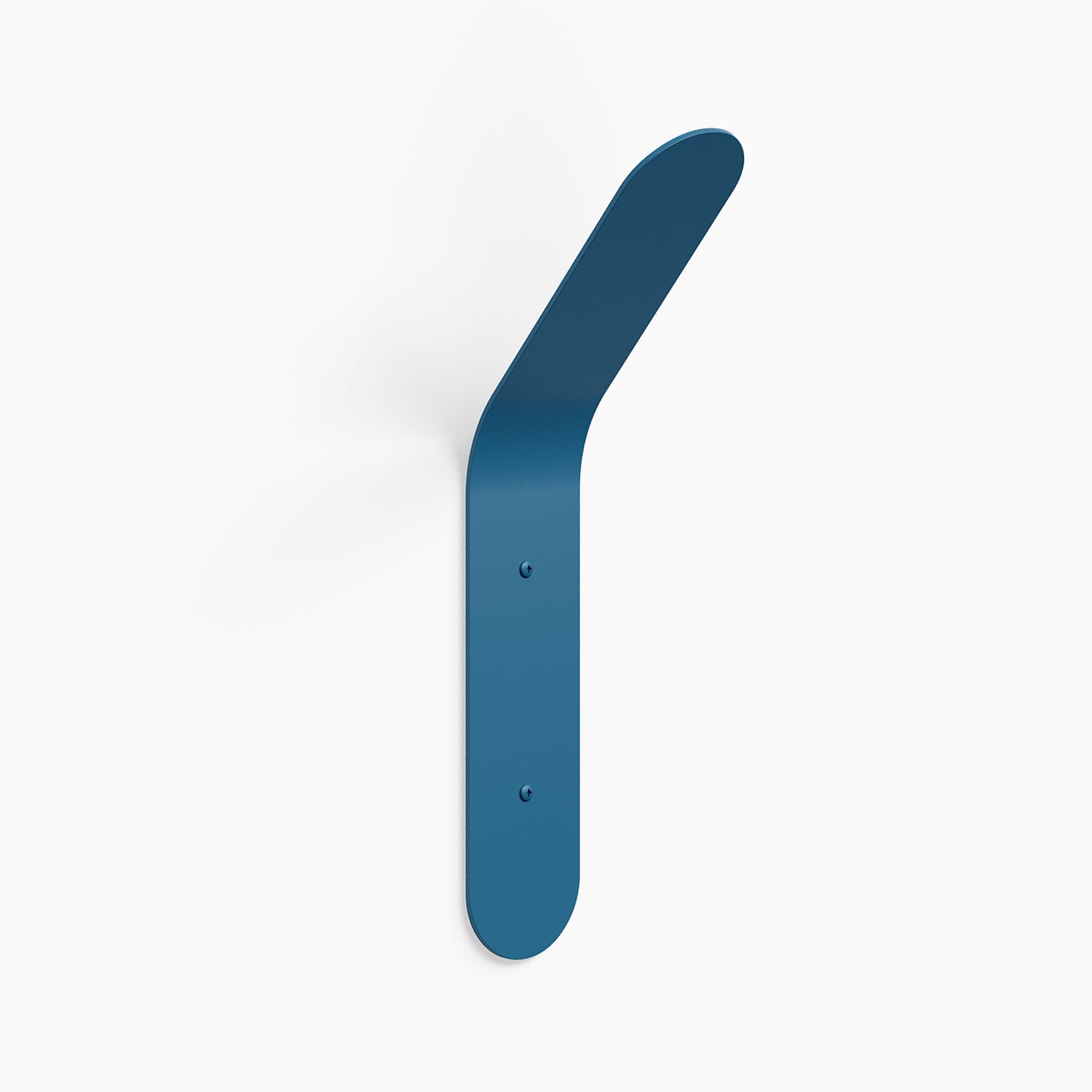
- Single and double hooks — the everyday workhorse, from one hook by a mirror to a full row for the whole household.
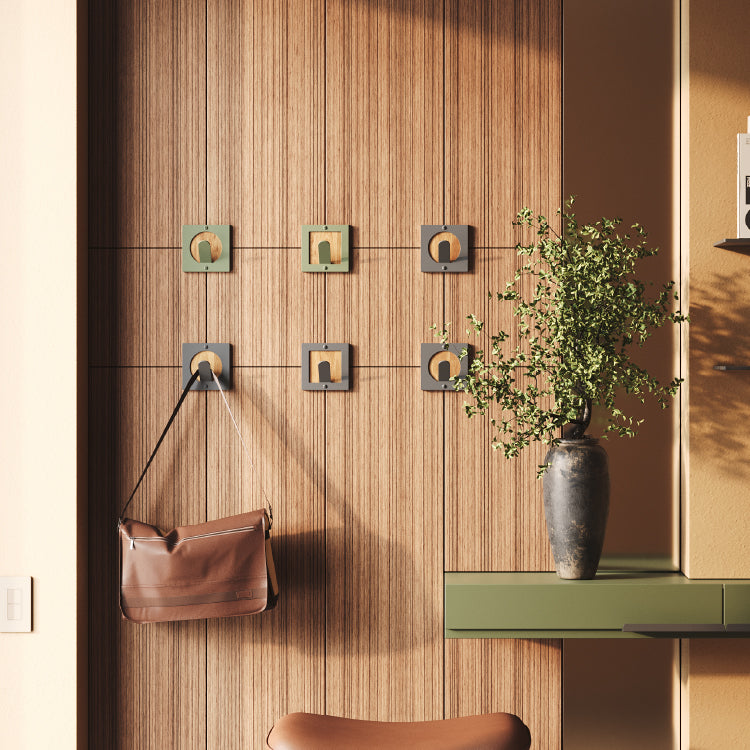
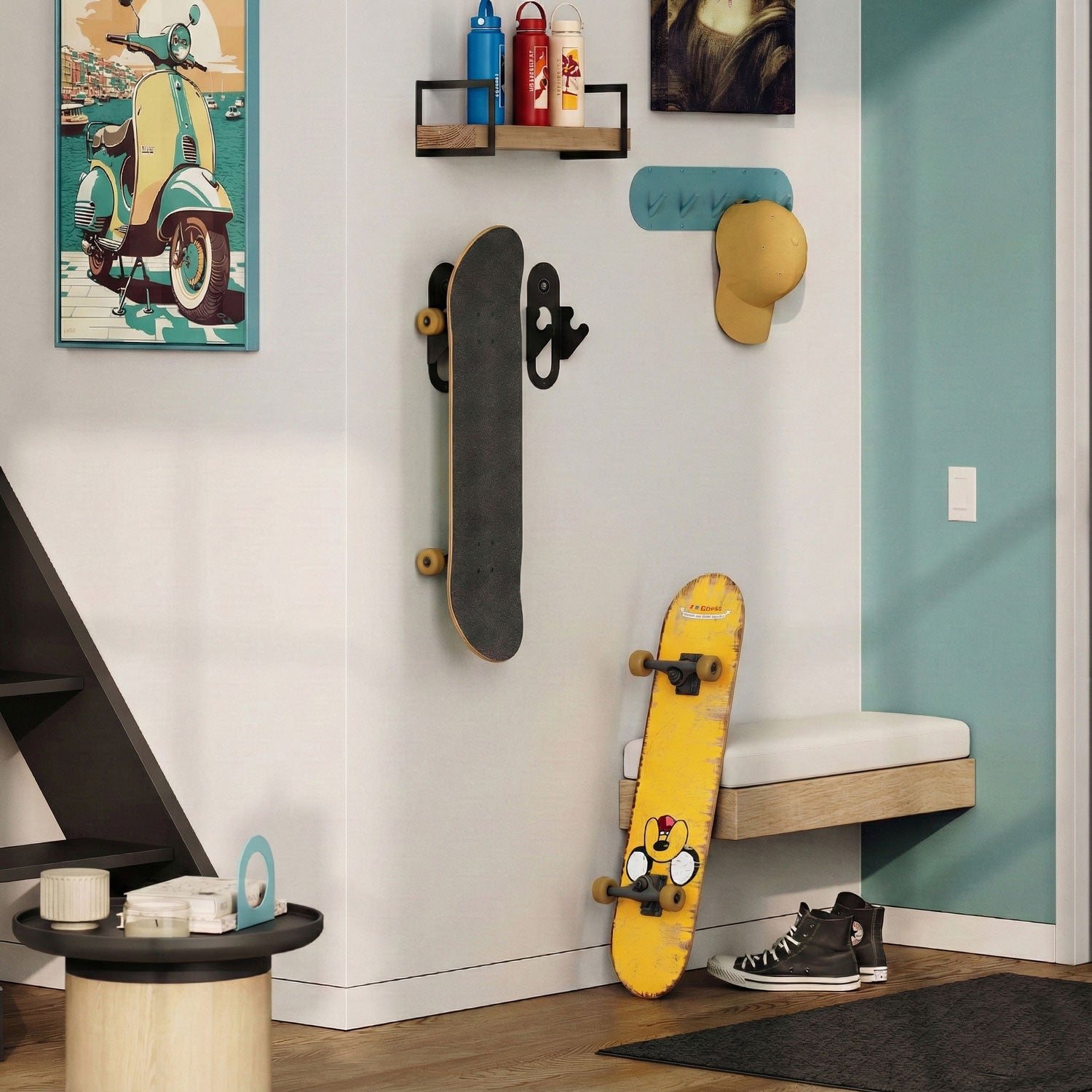
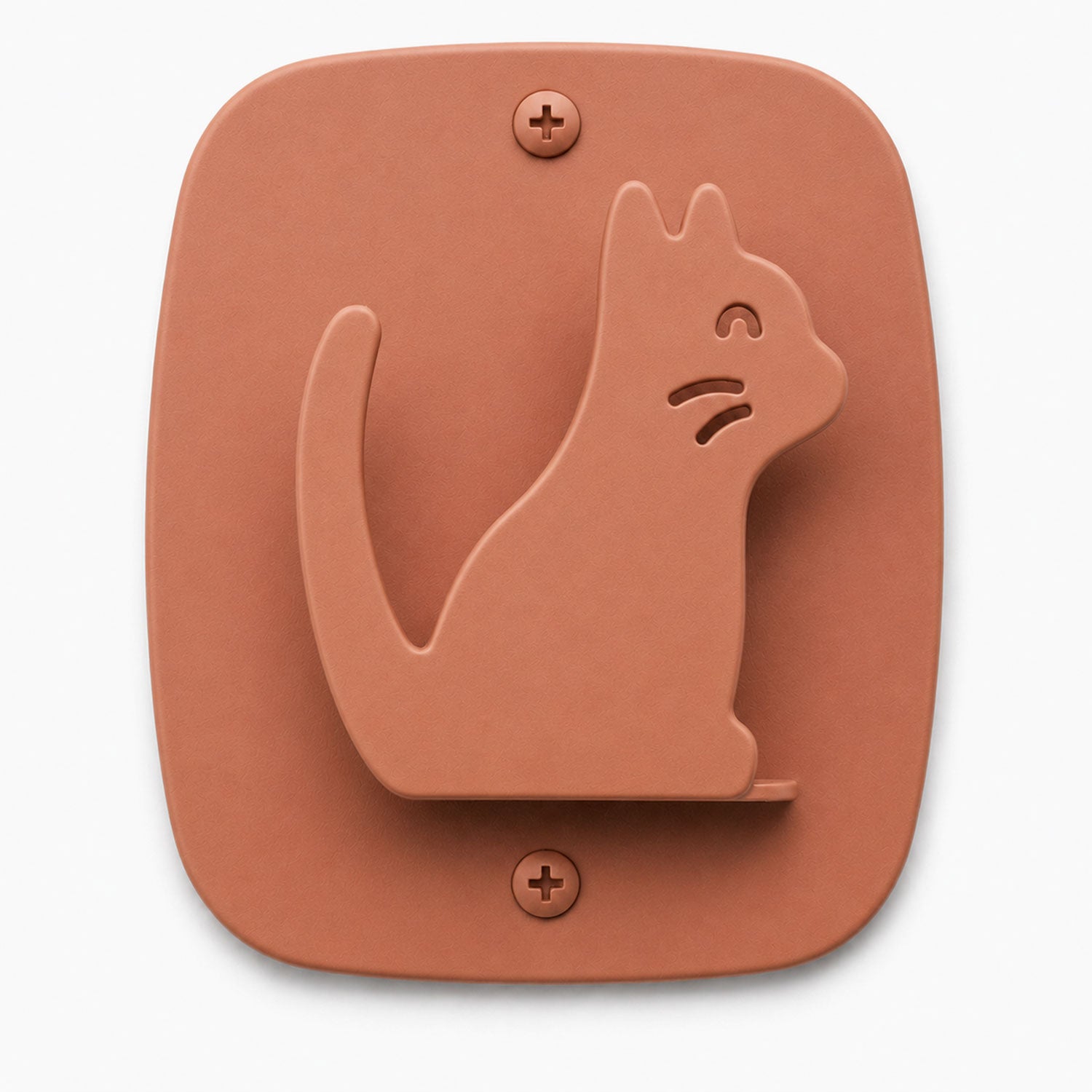
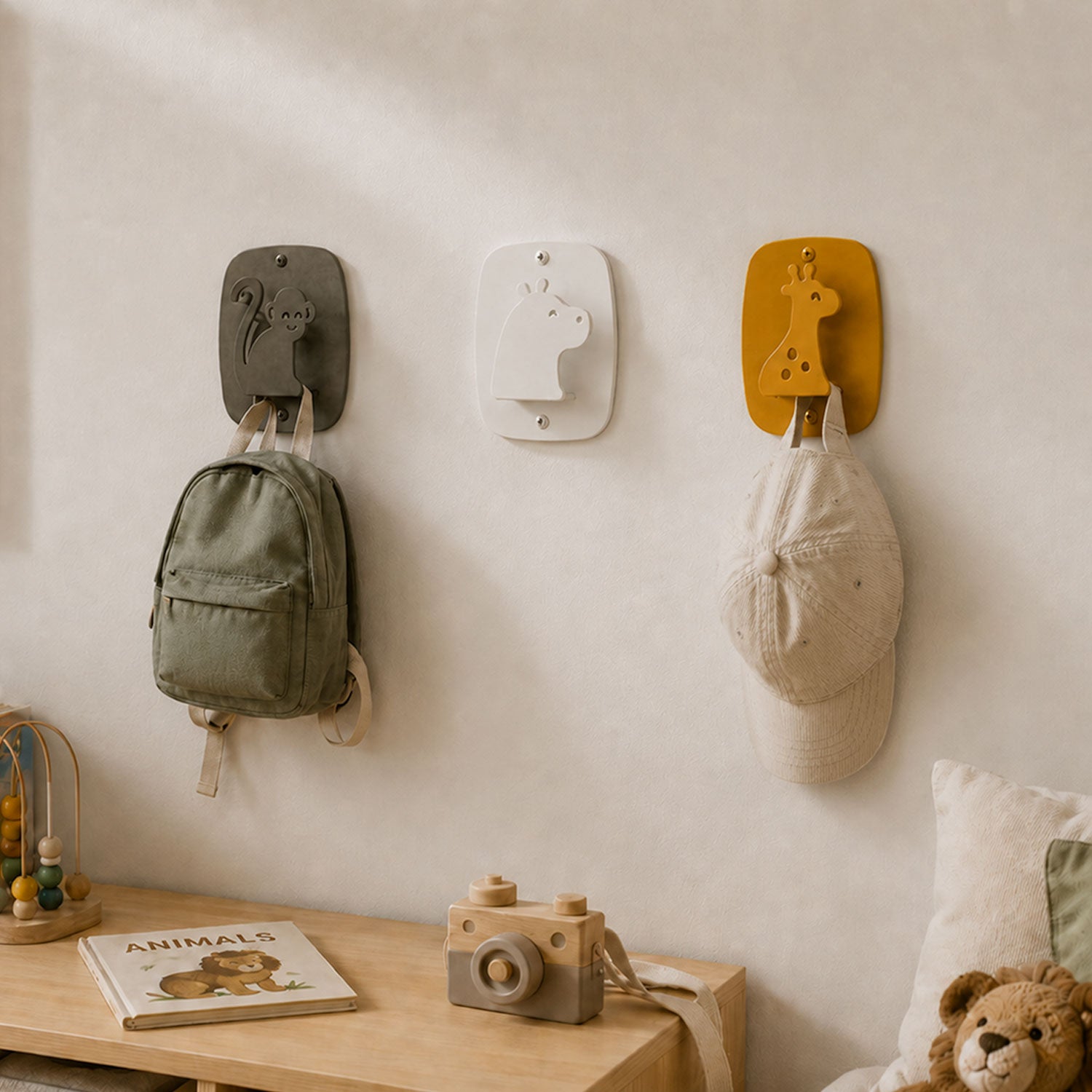
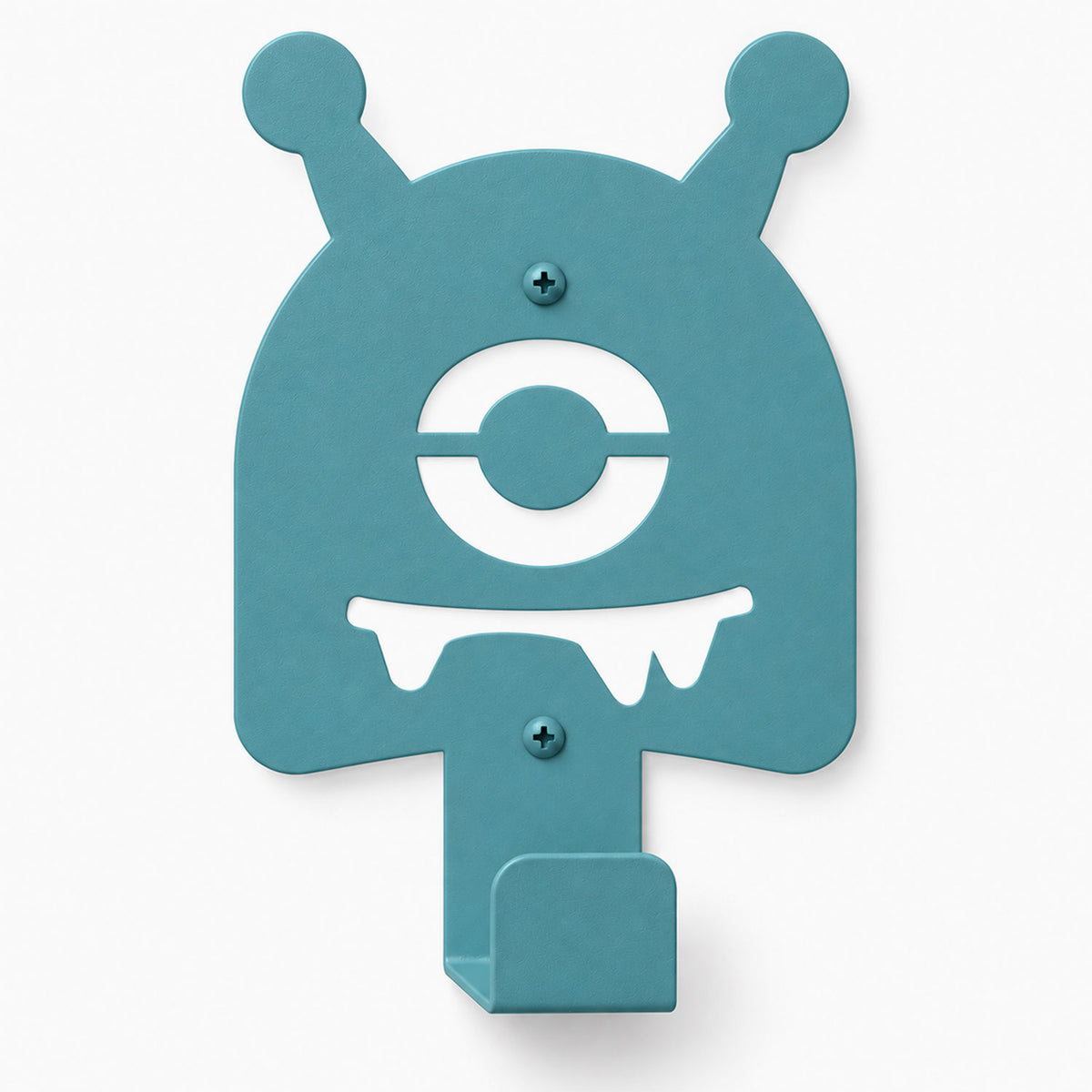
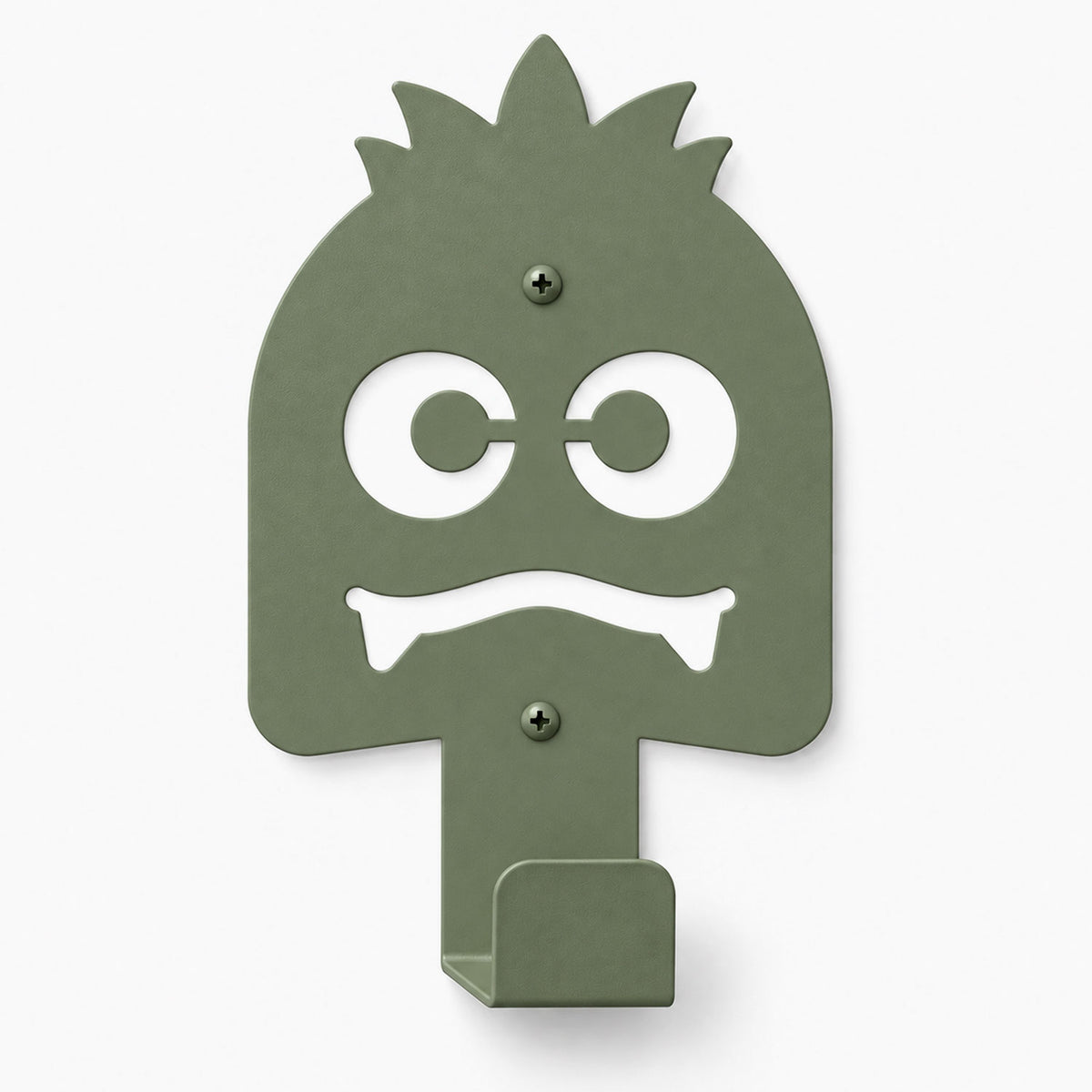
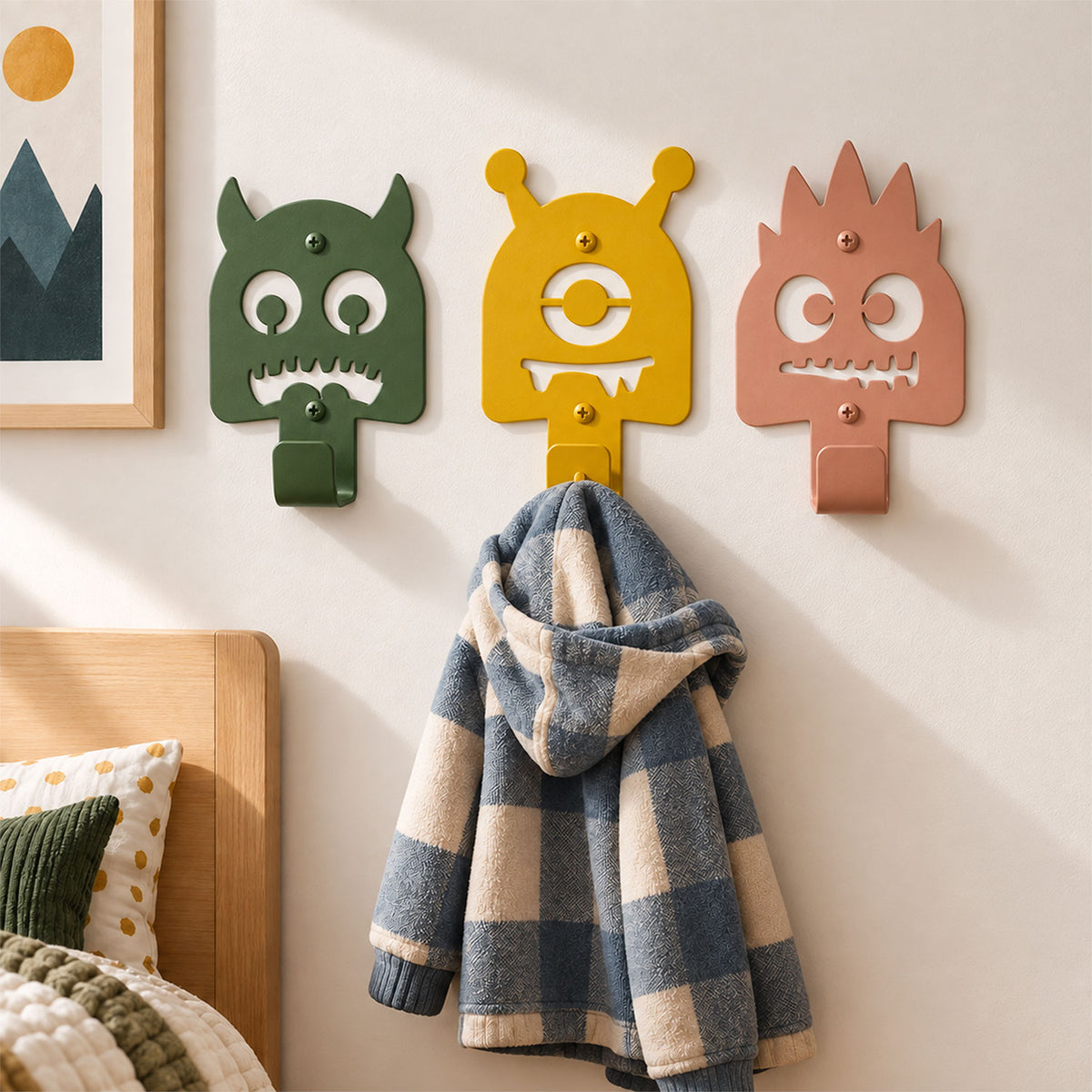
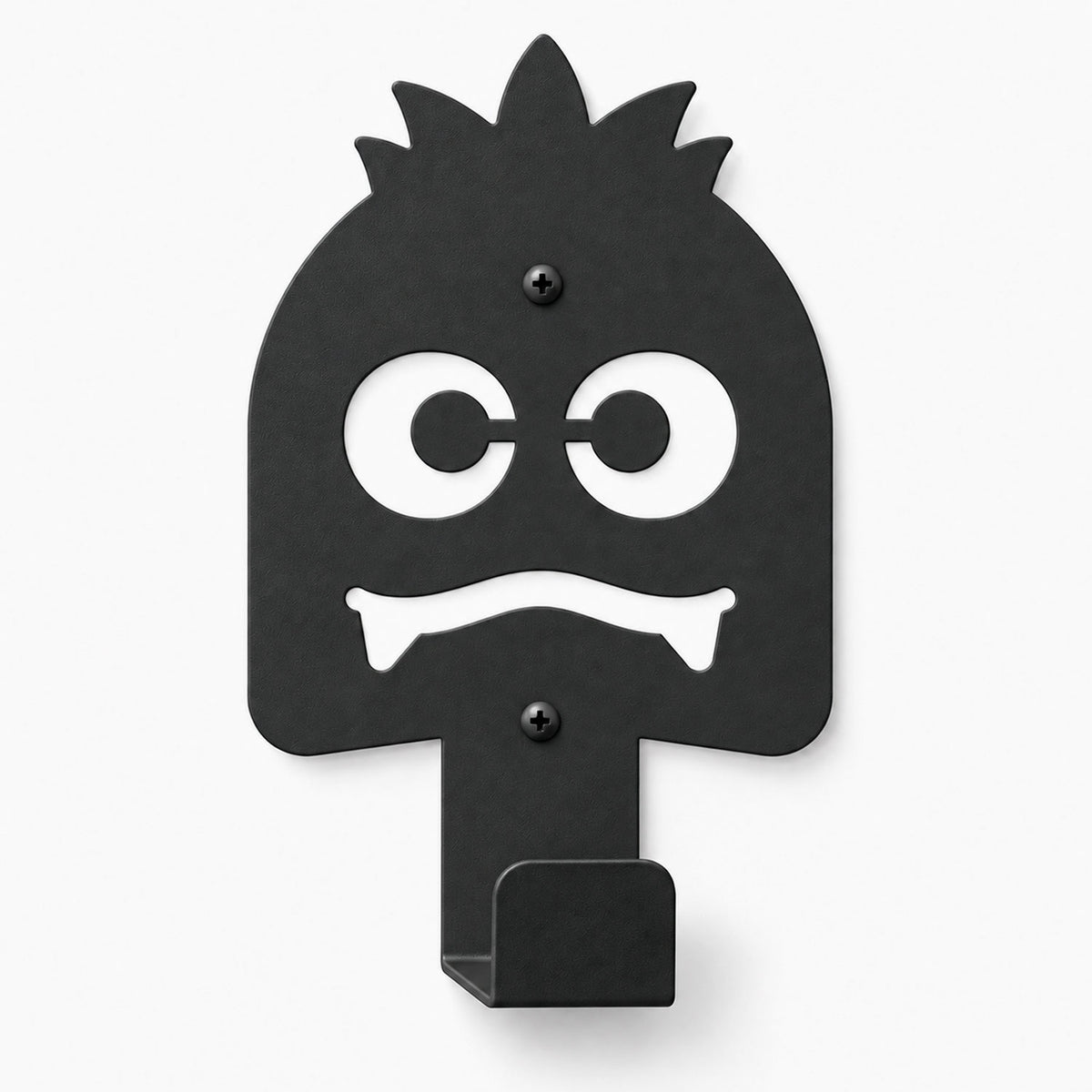
- Decorative hooks — shaped and finished to hold their own as wall decor, whether or not anything's hanging on them.
- Utility and heavy-duty hooks — built for the heavier stuff: tool storage, garage gear, a winter coat that outweighs its hanger.
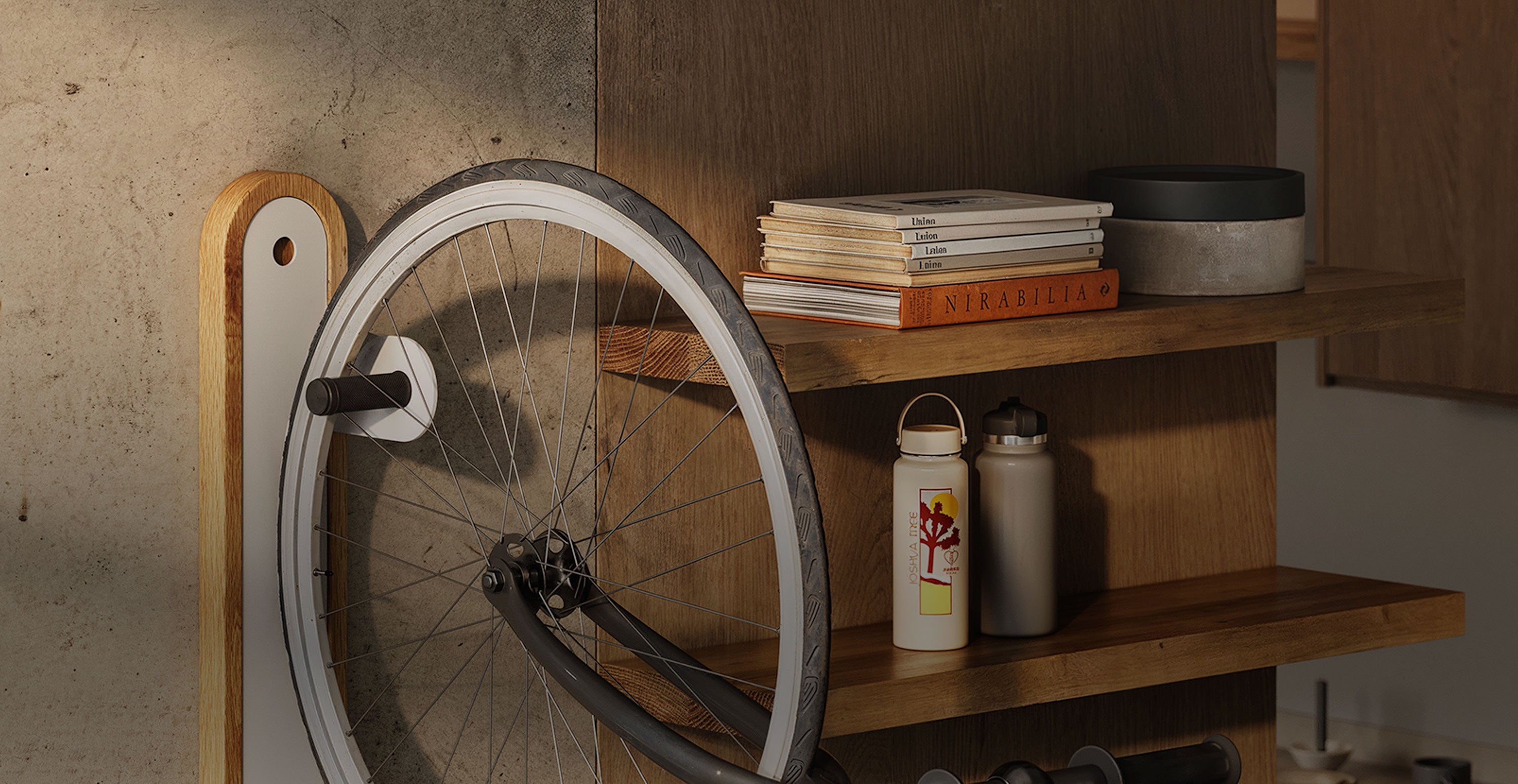
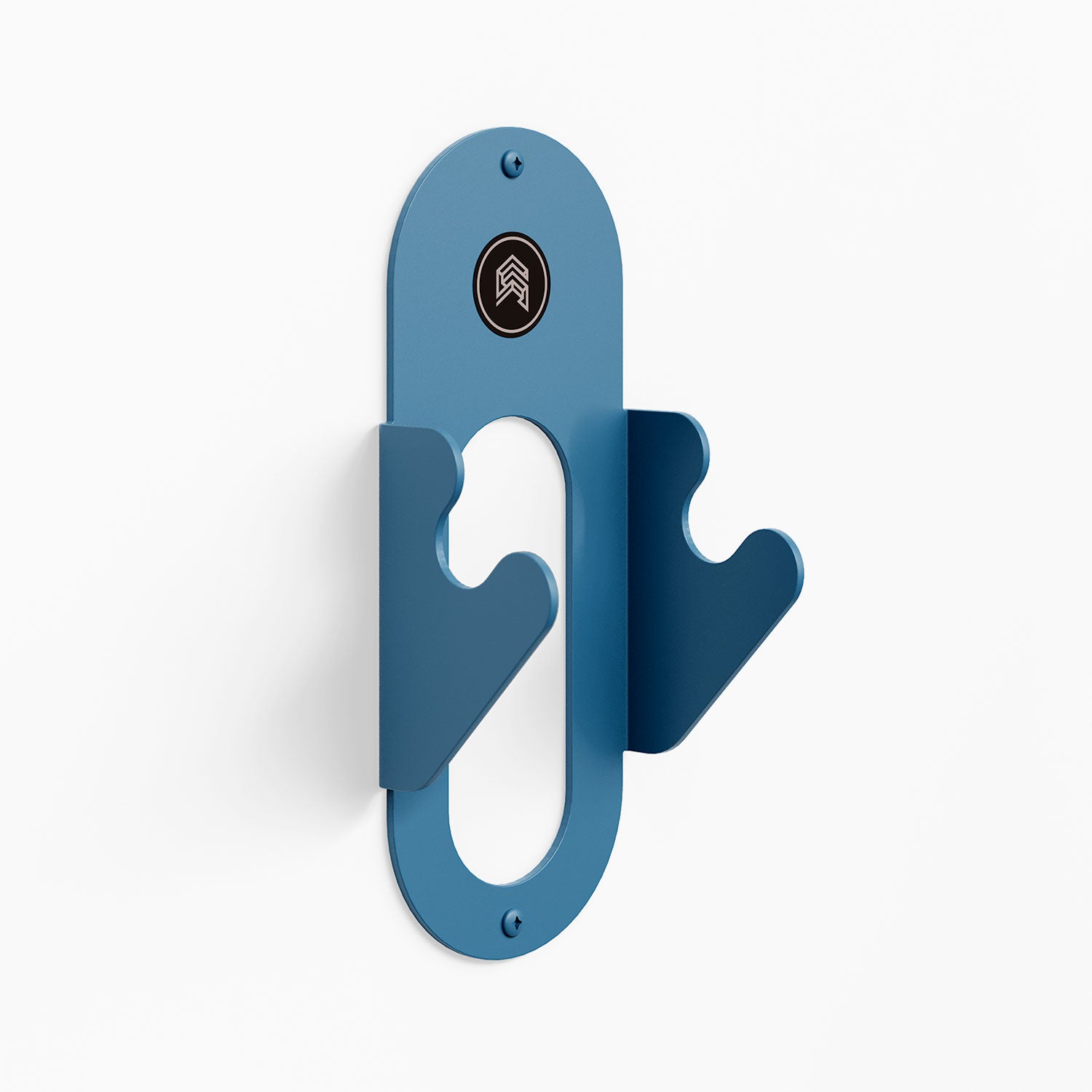
- Bike and sports hooks — shaped to hold a bike, a helmet, or other gear securely off the floor.
- Peggy hooks, our rounded, peg-style hook for a softer, more minimal look.
Browse the full lineup below, or jump straight to a style using the links above.
Wall Hooks vs. Shelves with Hooks
A wall hook does one thing well: it holds what you hang on it. A shelf with hooks adds a flat surface above that, so keys, mail, or a small plant get a landing spot while coats and bags hang below. When you need both — somewhere to set things down and somewhere to hang them — a shelf with hooks does the job in less wall space than a hook row and a separate shelf combined.
The Right Wall Hook for Every Room
A hook by the front door works harder than one tucked in a closet, and it shows in the details — thicker gauge, a wider opening, hardware built for daily use. Here's what to look for room by room.
Entryway and Mudroom Wall Hooks
This is the hardest-working spot in the house. Coats, bags, and gear come off the same few pegs every day, so the hooks here need real holding strength, not just a place to rest something. A row of hooks, or a shelf with hooks built in underneath, gives everyone in the house their own spot and keeps the floor clear of whatever would otherwise land there.
Kitchen Wall Hooks
A hook near the stove or sink earns its place by saving a trip to the drawer. Towels, oven mitts, and everyday utensils stay right where your hand goes looking for them. Choose a finish that can take steam and regular wiping without losing its color.
Bathroom Wall Hooks
Towels, robes, and loofahs need somewhere to dry, not just somewhere to hang, so spacing matters here as much as placement. Group hooks near the shower or on the back of the door, and leave enough room between them that a wet towel can open up instead of bunching against its neighbor.
Closet and Bedroom Wall Hooks
Some things never belonged on a hanger. Bags, scarves, jewelry, tomorrow's outfit — a few well-placed hooks give them a home, and free up rod space for everything that does need a hanger.
Wall Hooks and Wall Types: What to Know Before You Drill
Every wall hook has to answer to what's behind the wall, not just what's hanging on it.
- Drywall: The most common surface, and the easiest to work with. Anything heavier than light decor should still get a wall anchor.
- Plaster: Denser than drywall. A pilot hole first keeps the surface from cracking around the mount.
- Tile: Needs a masonry bit and a steady hand. An anchor rated for tile is what keeps the hook from working loose over time.
- Brick: The densest of the common wall types. Plan on a masonry bit, an anchor, and ideally a hammer drill to make the job easier.
The wall type only tells half the story — the anchor still has to match the hook's weight rating, too. Shop wall anchors and hardware to find the right pairing.
Frequently Asked Questions
How do I choose the right wall hook for my needs?
Start with what you're hanging. Coats, bags, and gear call for a sturdier hook with a wider opening, while keys, jewelry, or light decor can get by with something smaller and more decorative. From there, match the hook to your wall type and the room's finish palette so it holds securely and looks like it belongs.
How much weight can each hook hold?
Weight capacity varies by hook design, so check the specific product page for its rated capacity. Anything heavier than light decor should be paired with the anchor or screw recommended for your wall type — that's what gets you the full rated capacity, not just part of it.
Will these hooks work on drywall, plaster, tile, or brick?
Yes. Most of our hooks are made to mount on all four — drywall, plaster, tile, and brick. Denser materials like tile and brick call for a masonry bit and anchor, so check the install guidance on the product page before you drill.
Will wall hooks damage my walls?
Installed correctly, they won't. Use the hardware or anchors recommended for your wall type, and stay within the hook's rated weight capacity — that combination is what keeps the wall undamaged over years of use, not just the first install.
What is the strongest wall hook Shelfology offers?
Our heaviest-duty wall hooks are built from solid steel and rated up to 150 lbs. Pair one with the recommended anchor or screw to get its full rated capacity, and check the individual product page to confirm the exact weight limit for that hook.
What's the difference between a wall hook and a shelf with hooks?
A wall hook is a standalone mounting point — it hangs things and nothing else. A shelf with hooks adds a flat surface for storage or display above the hooks, so it does double duty. That combination works especially well in entryways and mudrooms, where you need a landing spot for keys or mail as much as a place to hang a coat.
How far apart should I space wall hooks?
Give each hook 6 to 8 inches of breathing room for everyday coats and bags, and open that up to 10 to 12 inches if you're hanging bulkier winter layers. The goal is enough space that nothing crowds its neighbor once something's actually hanging there.
How high should wall hooks be mounted?
For a household of adults, 60 to 65 inches from the floor to the hook is the standard starting point — roughly shoulder height. Hooks for kids typically sit lower, around 36 to 48 inches, and 48 inches is also the accessible height for anyone reaching from a seated position or a wheelchair.
Can I install wall hooks without drilling?
Some of our hooks support adhesive mounting for lighter loads. Our heavier-duty hooks are built to be screwed into the wall, since that's what gives them their full holding strength. Check the individual product page to confirm which mounting method a specific hook uses.